More Than Just a Beautiful Smile
Porcelain veneers are widely known for their ability to create a flawless, dazzling smile. These thin, custom-made shells of high-quality ceramic are bonded to the front surface of teeth to correct chips, gaps, stubborn stains, and unevenness. While their cosmetic power is clear, this treatment offers a range of functional benefits that go far beyond a perfect look. The following reveals five significant health and durability advantages of porcelain veneers that many patients find surprising.
Strengthening and Protecting Weakened Teeth
Porcelain veneers do more than just cover imperfections; they can actively strengthen teeth that have suffered mild wear or damage. The durable ceramic material provides a protective layer that distributes chewing forces more evenly across the tooth. This is particularly beneficial for teeth with small chips, superficial cracks, or worn edges from grinding. By shielding the underlying natural tooth structure, veneers can protect against further damage and reduce the risk of decay or sensitivity in compromised areas.
A Superior Barrier Against Stains
One of the most practical long-term benefits of porcelain veneers is their remarkable stain resistance. The glasslike, non-porous surface of dental porcelain does not absorb pigments from coffee, tea, red wine, or dark berries as readily as natural tooth enamel. This inherent property helps maintain a brighter, more consistent smile for years and reduces the need for frequent professional whitening treatments or touch-ups. With good habits, this stain resistance allows the aesthetic result to last for over a decade.
Correcting Minor Alignment for Better Function
Veneers offer a unique ability to improve visual tooth alignment without the time and expense of orthodontic treatment. By carefully adjusting the shape, length, and contour of the teeth, a dentist can close small gaps, make slightly rotated or crooked teeth appear straighter, and create a more balanced, symmetrical smile. This correction of minor misalignment can also improve bite function and chewing efficiency, which can, in turn, alleviate strain on the jaw and reduce related discomfort like headaches or jaw pain.
Reducing Tooth Sensitivity
For patients whose teeth are sensitive due to worn enamel, small cracks, or exposed dentin, porcelain veneers can provide a surprising level of relief. The thin ceramic shell acts as a barrier, covering the sensitive tooth surface and protecting the underlying nerves from temperature extremes. By shielding the dentin from hot, cold, or sweet stimuli, veneers can significantly diminish or even eliminate the sharp zings of tooth sensitivity that many people experience daily. While some temporary sensitivity is normal immediately after the procedure, it typically resolves within a few weeks.
Enhancing Long-Term Oral Hygiene and Health
The smooth, non-porous surface of porcelain veneers makes it more difficult for plaque, bacteria, and food debris to accumulate on the front of the teeth. This can lead to healthier gums and a lower risk of cavities in the treated areas. Furthermore, patients who invest in veneers often become more motivated to maintain excellent oral hygiene habits, such as consistent brushing, flossing, and regular dental check-ups. This improved at-home care, combined with the easier-to-clean surface, supports the long-term health of both the veneers and the surrounding natural teeth and gums.
Key Facts: Porcelain Veneers as Functional Dental Solutions
- Porcelain veneers act as a protective shield for chipped or worn teeth by distributing bite forces evenly to prevent further damage.
- They reduce tooth sensitivity by covering exposed dentin from worn enamel or receding gums, blocking thermal and sweet triggers.
- Veneers improve bite function by correcting minor misalignment and redistributing bite forces to alleviate jaw pain and TMJ symptoms.
- Their non-porous, glasslike surface resists plaque and stains better than natural enamel, simplifying oral hygiene and promoting healthier gums.
- Modern veneers are long-lasting (10–15+ years) due to stain-resistant, durable porcelain that withstands daily wear with routine care.
- Important caveats: Veneers are irreversible (requires enamel removal), cost $1,000–$2,500 per tooth, and are not recommended for bruxism or untreated gum disease.
- After 20 years, veneers often need replacement due to wear, discoloration, or loosening at the edges; night pain may indicate clenching or bite misalignment.
- The 4-8-10 rule guides smile planning: four veneers cover central incisors, eight from canine to canine, and ten reaching the first premolars.
- Gum veneers are custom prosthetics that cover receding gums, available as removable (acrylic) or fixed (ceramic).
- Post-placement sensitivity is usual (resolves in weeks); persistent pain beyond two weeks requires dental evaluation for underlying issues* .
1. Strengthen Weakened Teeth and Protect Against Further Damage
How Veneers Act as a Protective Shield for Chipped or Worn Teeth
Porcelain veneers do more than cover imperfections; they provide a functional layer of protection for teeth that are chipped, cracked, or worn down. The thin, durable porcelain shell covers the front and biting edges, acting as a shield. This design helps to evenly distribute the forces generated during chewing and biting.
By reinforcing the tooth's structure, veneers can prevent minor damage from worsening. This protective layer guards against further wear, reducing the risk of more serious issues like deep cracks or fractures. For teeth with mild wear or superficial cracks, veneers provide essential support that helps maintain the tooth's integrity over time.
The Role of Porcelain’s Durability
The high-quality ceramic material used in modern veneers is resistant to everyday wear and tear. When properly bonded, this strong material strengthens the underlying natural tooth. By covering weakened enamel and sealing off vulnerable areas, veneers also reduce the risk of decay and can lessen sensitivity to hot and cold. This makes them a functional solution for preserving a damaged smile.
| Function of Veneers | How It Works | Resulting Benefit |
|---|---|---|
| Protective Shield | Covers front and biting edges of chipped or worn teeth | Distributes chewing forces, preventing further damage |
| Strengthening Overlay | Bonded durable porcelain reinforces the underlying tooth | Reduces risk of fractures and maintains tooth integrity |
| Barrier Against Sensitivity | Seals exposed dentin and covers vulnerable spots | Decreases thermal sensitivity and lowers decay risk |
2. Reduce Tooth Sensitivity and Cover Exposed Dentin
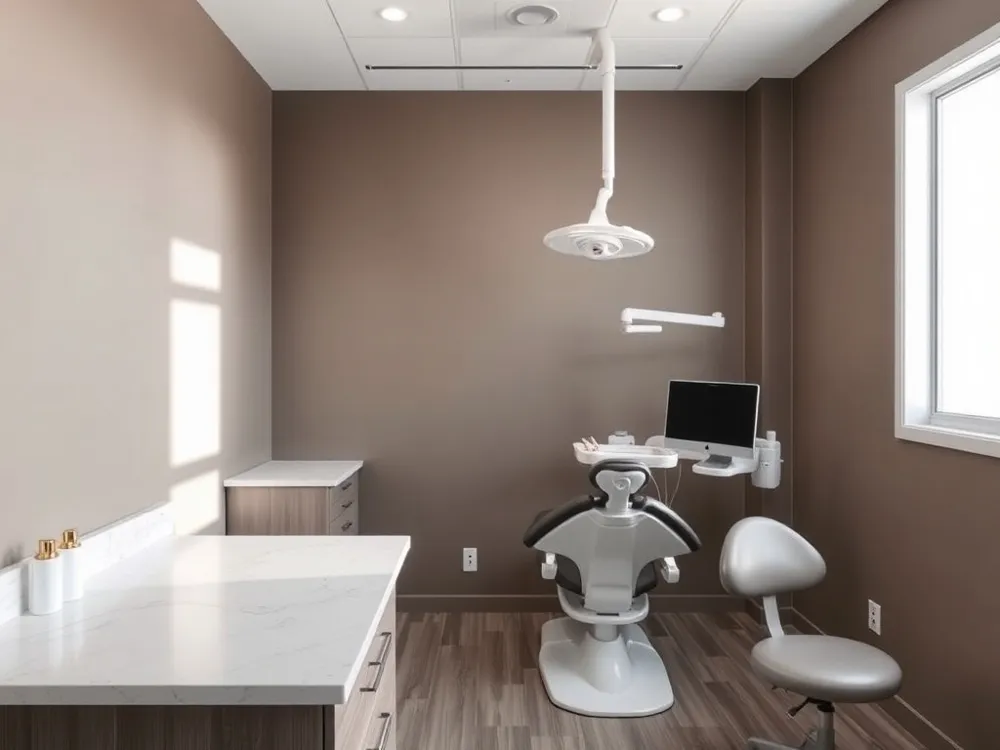
Describe how veneers can reduce or eliminate sensitivity by covering exposed dentin from worn enamel, chips, or receding gums.
Tooth sensitivity often stems from worn enamel, small chips, or receding gums that expose the underlying dentin. Dentin contains microscopic tubules that transmit thermal and sweet stimuli directly to the tooth's nerve. Porcelain veneers act as a custom-fitted protective shield over this exposed area. By covering the vulnerable tooth surface, they create a physical barrier that blocks these triggers from reaching the nerve, effectively halting the sharp, short-lived zings associated with sensitivity.
Note that this benefit goes beyond aesthetics and directly improves comfort with hot, cold, or sweet stimuli.
This functional advantage extends well beyond cosmetic improvement. For patients who experience discomfort with hot coffee, cold water, or sugary foods, veneers provide direct relief by insulating the tooth. While temporary sensitivity can occur immediately after placement due to enamel preparation, it typically resolves within a few weeks. The long-term result is a significant reduction in daily discomfort, allowing patients to enjoy a wider range of foods and beverages without pain. This protective quality makes veneers a practical solution for improving both oral health and everyday quality of life. | Benefit | How Veneers Achieve It | Result | | --- | --- | --- | | Reduce sensitivity | Cover exposed dentin from worn enamel or receding gums | Blocks thermal and sweet stimuli from reaching the nerve | | Improve daily comfort | Act as a barrier against hot, cold, and acidic foods | Allows patients to eat and drink without pain | | Protect weak teeth | Shield chips and cracks from further damage | Prevents worsening of sensitivity over time |
3. Improve Bite Function and Alleviate Jaw Discomfort
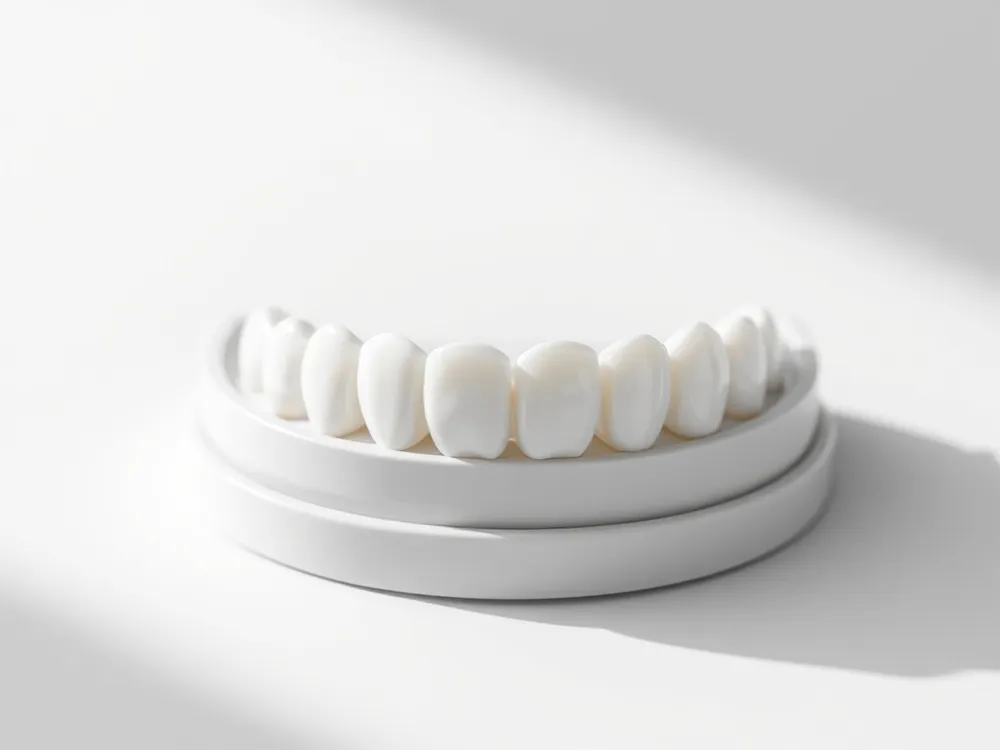
How Veneers Improve Bite Balance and Chewing Efficiency
The benefits of porcelain veneers extend beyond a beautiful smile into functional improvements. Veneers can correct minor misalignments and restore the proper shape and proportions of teeth worn down from grinding, clenching, or general wear. A more balanced bite allows for more efficient chewing and can reduce unnatural strain on certain teeth.
Can Veneers Reduce Jaw Pain and Headache Symptoms?
An improper bite often causes uneven pressure, leading to jaw discomfort, headaches, and symptoms of temporomandibular joint disorder (TMJ). Veneers can help alleviate this by redistributing bite forces evenly across all teeth. Covering worn or chipped surfaces with durable porcelain restores a harmonious bite pattern, which can relieve muscle tension and reduce associated pain.
| Benefit from Veneers | How It Works | Potential Outcome |
|---|---|---|
| Corrects minor misalignment | Reshapes tooth surfaces | Better bite balance |
| Restores worn teeth | Adds structure to biting edges | Improved chewing efficiency |
| Reduces uneven pressure | Distributes forces evenly | Relief from jaw pain and headaches |
| Stabilizes bite for grinding patients | Reduces strain on natural teeth | Alleviates TMJ discomfort |
4. Enhance Oral Hygiene and Healthier Gums
Simplifying Daily Cleanliness With a Non-Porous Surface
One of the less obvious advantages of porcelain veneers is how they simplify your daily oral hygiene routine. The smooth, glass-like, and non-porous surface of high-quality porcelain resists the accumulation of plaque and bacteria far better than natural tooth enamel, which can be rough, chipped, or stained. For patients who previously struggled to keep areas around chips, gaps, or discolored spots clean, the even surface makes brushing and flossing significantly easier and more effective.
Supporting Healthier Gum Tissue
A more uniform tooth contour doesn't just look better; it actively contributes to better gum health. Hard-to-reach crevices on damaged or uneven teeth often trap food particles and bacteria, increasing the risk of cavities and gum inflammation. By creating a seamless surface, veneers help eliminate these problem areas, allowing the gums to fit snugly and healthily around each tooth. This improved fit reduces the potential for inflammation and can help patients maintain periodontal health over the long term.
5. Offer Long-Lasting Stain Resistance and Durability
A Surface That Repels Stains Better Than Natural Enamel
Porcelain is less porous than natural enamel, giving it a glasslike surface that does not absorb pigments from coffee, tea, red wine, or smoking. This means your veneers will stay brighter and more uniform in color year after year, without the need for frequent whitening treatments. The stain resistance is a built-in advantage of the material itself, not a coating that can wear off.
Built to Last a Decade or More with Simple Care
Modern porcelain veneers are designed to withstand daily biting and chewing forces. With proper care—including routine brushing, flossing, and regular dental check-ups—they can last 10–15 years or longer. The durability of the ceramic material means you get a long-term, low-maintenance solution that resists chips and cracks better than many other cosmetic options. Avoiding hard objects like ice or pens and wearing a night guard if you grind your teeth will further extend their lifespan.
Frequently Asked Questions About Porcelain Veneers
How much do porcelain veneers cost?
Porcelain veneers typically cost between $1,000 and $2,500 per tooth, with the national average around $1,765 per tooth. In high-cost areas, prices often fall at the higher end or above. A full smile makeover with six to eight veneers can range from $8,000 to $20,000. Many practices offer financing options to make this investment manageable.
What are the pros and cons of veneers?
Veneers offer a dramatic smile improvement by correcting stains, chips, gaps, and minor misalignment with a natural, stain-resistant appearance that can last 10–15 years. However, the procedure is irreversible because it requires removing a thin layer of enamel, and some patients experience temporary tooth sensitivity. The cost is a significant factor, as single veneers average around $1,300 and are typically not covered by insurance. Additionally, veneers are not suitable for those who grind their teeth or have active gum disease or cavities.
Why do dentists advise against veneers?
Dentists advise against veneers because the procedure requires permanent removal of enamel, which is irreversible and can lead to increased tooth sensitivity. They may caution patients with bruxism since the thin porcelain can chip or crack easily. Dentists also emphasize that veneers are a cosmetic solution that doesn't treat underlying issues like gum disease or decay. For patients with weak or severely damaged teeth, a dental crown may be a more suitable option.
What is the 4 8 10 rule for veneers?
The 4-8-10 rule guides planning veneer coverage based on how many teeth are visible in your smile. Specifically, four veneers cover the central incisors, eight veneers extend from canine to canine, and ten veneers reach the first premolars. Eight veneers are the most common choice for a full smile makeover, but the ideal number depends on individual factors like smile width and aesthetic goals.
Can you get veneers with gum recession?
Yes, you can get veneers with gum recession, but the outcome depends on the severity and your overall gum health. In cases of mild to moderate recession where gums are healthy and stable, veneers can help cover exposed tooth surfaces. However, if active gum disease or significant gum and bone loss is present, the underlying issue must be treated first before veneers are placed.
What are gum veneers and how do they work?
Gum veneers, also known as gingival veneers, are custom-made prosthetics designed to cover receding or uneven gums. They work by sitting over the gum tissue to conceal gaps and exposed tooth roots. There are two main types: removable veneers made of acrylic resin that are taken out nightly for cleaning, and fixed veneers made of ceramic that are permanently attached.
What happens after 20 years of having veneers?
After 20 years, porcelain veneers often need replacement because they show visible wear, discoloration, and loosening at the edges. While high-quality porcelain can last two decades with excellent care, most require a refresh at this point. A dental evaluation is needed to assess condition and plan for new veneers if desired.
How do you stop sensitive teeth after veneers?
To manage sensitive teeth after veneers, start by using a desensitizing toothpaste containing potassium nitrate. Avoid extremely hot or cold foods and drinks for the first few days and maintain gentle oral hygiene. Most sensitivity resolves within a week; if it persists longer than two weeks, contact your dentist for a follow-up.
Why do my veneers hurt at night, and can they cause jaw pain or throbbing pain years later?
Nighttime veneer pain is often due to clenching or grinding, which puts excess pressure on the veneers. Years later, jaw pain or persistent throbbing may signal underlying issues like an ill-fitting veneer causing bite misalignment, gum disease, tooth decay beneath the veneer, or TMJ disorder. If you experience any persistent or worsening pain, a dental examination is essential.
Invest in More Than Looks with Porcelain Veneers
The Functional Advantages of Porcelain Veneers
Porcelain veneers are often celebrated for their cosmetic results, but they offer substantial functional benefits that go far beyond a perfect smile. These thin, custom-made shells can actively improve the health and resilience of your teeth.
Protecting and Strengthening Your Teeth
Veneers act as a durable shield, protecting worn, chipped, or cracked enamel from further damage. By covering the front and biting edges, they distribute chewing forces more evenly, which can strengthen weakened teeth and help prevent the need for more extensive restorations like crowns.
Reducing Tooth Sensitivity
For those with teeth sensitive to hot or cold, veneers can provide significant relief. The porcelain shell acts as a barrier, covering exposed dentin and protecting the underlying nerves from temperature extremes and air, effectively reducing or eliminating discomfort.
Improving Bite and Oral Hygiene
Veneers can correct minor bite issues by reshaping and harmonizing tooth surfaces. This improvement in bite alignment can alleviate jaw discomfort and uneven wear. Furthermore, the smooth, non-porous surface of porcelain resists plaque buildup, making everyday brushing and flossing more effective and contributing to healthier gums.
Long-Lasting Stain Resistance and Durability
While natural enamel can absorb pigments, porcelain is highly resistant to staining from coffee, tea, and red wine. This helps maintain a bright smile with less effort. With proper care, veneers are also remarkably durable, often lasting 10 to 15 years or longer.
Your Next Step: A Comprehensive Consultation
If these functional and health advantages appeal to you, the next step is a consultation with an experienced cosmetic dentist. A thorough evaluation of your oral health, bite, and aesthetic goals is essential to determine if porcelain veneers can deliver these long-term benefits. Schedule a visit to explore how veneers could be a wise investment in both your smile and your overall dental health.