Why Periodontal Maintenance Matters
Periodontal maintenance is a scheduled, deep‑cleaning protocol performed every 3–4 months for patients who have been treated for gum disease or are at high risk. The visit includes supragingival and subgingival scaling, root planing, localized antimicrobial irrigation, and a radiographic or clinical assessment of pocket depths and bone levels. By removing plaque and tartar that brushing cannot reach, it halts bacterial recolonization, stabilizes gum pockets, and preserves the supporting bone that holds teeth in place. Healthy gums are the foundation of a pleasing smile. When inflammation is controlled, the risk of tooth loss, bone loss, and recession drops dramatically, allowing restorative and cosmetic work to last longer. Moreover, the bacterial load that fuels gum disease also contributes to systemic inflammation; maintenance has been shown to lower markers linked to heart disease, diabetes, and respiratory infections. Thus, periodontal maintenance protects both the mouth and the body, supporting long‑term oral health and wellbeing.
Mastering the 3‑3‑3 Rule and Everyday Oral Hygiene
 The 3‑3‑3 rule is a simple oral‑hygiene mnemonic: brush three times a day, for three minutes each time, and replace your toothbrush every three months. Brushing after meals keeps bacterial growth in check, and a three‑minute timer ensures each quadrant is cleaned. A soft‑bristled brush at a 45° angle with a pea‑sized fluoride toothpaste maximizes plaque removal without irritating gums. Replacing the brush or head every three months prevents worn bristles from losing effectiveness, which is crucial for those at higher risk of gum disease.
Regular professional cleanings remove plaque and tartar that daily brushing cannot reach, preventing cavities, gingivitis, and progression to periodontitis. Consistent scaling and root planing lower systemic inflammation, reducing heart disease and diabetes risk. Cleanings also freshen breath, brighten the smile, and allow early detection of oral problems. Temporary sensitivity or mild gum irritation may occur but usually resolves within a few days, making the benefits far outweigh the drawbacks.
What Happens During a Periodontal Maintenance Visit?
 During a periodontal maintenance visit the hygienist performs scaling and root planing to remove plaque and tartar from both tooth surfaces and the root surfaces below the gum line, then smooths the roots so the gums can re‑attach. Pocket measurements are taken to track any changes in depth or inflammation, and an antiseptic rinse may be used.
Q: What are the signs that I need periodontal maintenance?
A: Red, swollen, or purplish gums that bleed when you brush or floss are early warnings. Persistent bad breath, an unpleasant taste, gum soreness, recession, or loose teeth signal more advanced damage and warrant a check‑up.
Q: What does a periodontal maintenance cleaning involve?
A: A deep‑cleaning procedure for patients treated for gum disease, using specialized instruments to scale away plaque and tartar, followed by root planing, pocket measurement, and Polishing. Appointments are scheduled every 3‑4 months.
Q: How does gingivitis cleaning differ from a regular cleaning?
A: Gingivitis cleaning removes plaque both above and slightly below the gum line, often with ultrasonic scalers and may include local anesthesia, whereas a regular prophylaxis cleaning targets only surface plaque above the gums.
Q: Can a dentist perform a regular cleaning instead of a deep cleaning?
A: Yes. A regular cleaning (prophylaxis) is done without anesthesia and removes surface tartar only. A deep cleaning (scaling and root planing) is required when pockets exist below the gum line and is performed when periodontitis is diagnosed.
Lifelong Commitment: Why Ongoing Periodontal Maintenance Is Essential
 Periodontal maintenance is a lifelong commitment for anyone who has been treated for gum disease. The bacteria that caused the disease can linger below the gum line, so deep‑cleaning appointments every three to four months are needed to keep pockets stable and prevent bone loss. Skipping these visits allows plaque and tartar to rebuild, reigniting inflammation, causing gum recession, bone loss, and eventual tooth loss, while also raising systemic risks such as heart disease, stroke, diabetes complications, and respiratory infections. Regular maintenance safeguards the results of scaling and root planing, monitors pocket depths and bone levels, and catches early signs of recurrence before irreversible damage occurs. This proactive care not only protects your smile but also reduces systemic inflammation, lowering the likelihood of serious health issues. In short, consistent periodontal maintenance preserves oral health, supports overall wellbeing, and is essential for a confident, lasting smile.
Money Matters: Codes, Costs, and Insurance for Periodontal Care
 Maintaining healthy gums is an investment, and understanding the billing and insurance landscape helps patients plan financially. What dental code is used for periodontal maintenance? The standard CDT (Current Dental Terminology) code for periodontal maintenance is D4910. This code covers the removal of plaque and calculus, site‑specific scaling and root planing when indicated, and polishing of the teeth after completed periodontal therapy. Some insurers also recognize D4341 for follow‑up maintenance, but D4910 is the primary code most clinicians use and is billed at each maintenance visit until a new treatment is required. What is the typical cost of periodontal maintenance? In the United States, appointments generally run between $120 and $250 per quadrant, translating to roughly $480 to $1,000 for a full‑mouth visit. Prices vary by region, disease severity, and any adjunctive treatments. Is periodontal maintenance covered by dental insurance? Most dental plans treat it as a preventive service, covering 50‑80 % of the fee after the deductible is met, with annual maximums of $1,000–$2,000 and possible waiting periods. Patients should verify their policy’s specific coverage limits and documentation requirements.
Beyond the Mouth: How Gum Health Impacts Whole‑Body Wellness
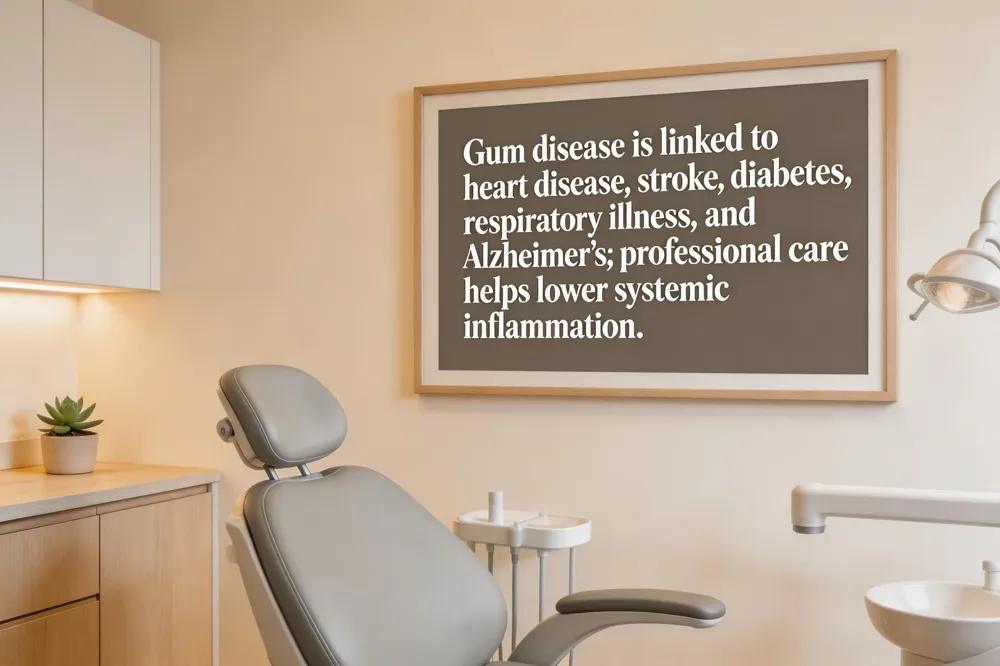 Periodontal disease is linked to systemic conditions such as heart disease, stroke, diabetes, respiratory illness, and even Alzheimer’s disease. Bacteria from deep gum pockets can enter the bloodstream, raising inflammation markers and contributing to cardiovascular and metabolic problems.
Can gum disease be cured without a dentist? Early‑stage gingivitis can be managed with meticulous home care—brushing twice daily, flossing, antimicrobial rinses, and anti‑inflammatory natural agents—but once periodontitis develops, professional scaling, root planing, and sometimes antibiotics or surgery are needed to stop bone loss and tooth mobility. DIY methods alone cannot reverse established disease.
Can I improve my smile even if I have gum disease? Yes. After periodontal maintenance restores healthy gums, cosmetic procedures such as veneers, whitening, or orthodontics can be performed safely, providing a brighter, more confident smile while the underlying gum health remains stable.
Advanced Technology and Personalized Care at Empower Your Smile
 Empower Your Smile leverages cutting‑edge digital imaging—such as intra‑oral cameras, 3‑D cone‑beam CT scans, and high‑resolution X‑rays—to pinpoint bone loss, pocket depth, and early gum changes that the eye can miss. These images guide precise laser therapy and ultrasonic scaling, allowing clinicians to remove subgingival plaque and diseased tissue with minimal discomfort while promoting faster healing. Each patient receives a tailored maintenance plan based on individual risk factors (smoking, diabetes, genetics) and disease severity; visit frequencies range from every three to four months, with customized adjuncts like localized antibiotics or antimicrobial rinses. Ongoing patient education is woven into every appointment, teaching proper brushing, flossing, interdental cleaning, and lifestyle modifications to sustain gum health between visits. By combining sophisticated diagnostics, minimally invasive laser treatments, personalized schedules, and comprehensive education, the practice maximizes long‑term oral health, protects systemic wellbeing, and preserves a confident, disease‑free smile.
Your Path to a Healthier, More Confident Smile
Periodontal maintenance delivers a powerful suite of benefits: it removes sub‑gingival plaque and tartar that brushing misses, stabilizes gum pocket depths, and preserves the supporting bone that keeps teeth securely in place. Regular deep cleanings lower inflammation, which not only reduces the risk of tooth loss but also diminishes systemic threats such as heart disease, diabetes complications, and respiratory infections. Patients experience fresher breath, reduced bleeding, and a more attractive gum line, boosting confidence and overall quality of life. Because gum disease can recur silently, scheduling a maintenance visit every 3‑4 months is essential for early detection and timely intervention. Take the next step toward a lasting, healthy smile—call your dental office today to book your periodontal maintenance appointment and protect your teeth and wellbeing for years to come.