Your Smile’s Best Kept Secrets Revealed
Overview of dental implants
Dental implants are artificial tooth roots made typically from titanium or zirconia that are surgically placed into the jawbone. They provide a stable and long-lasting foundation for replacement teeth like crowns or bridges, mimicking the function and appearance of natural teeth. With a success rate exceeding 95% and durability often lasting a lifetime when well cared for, implants help prevent bone loss, support facial structure, and enable comfortable chewing.
Importance of periodontist care
Periodontists are dental specialists with advanced training in the gums and jawbone, vital for implant success. They perform detailed assessments, including 3D imaging, to evaluate bone and gum health before placement. Periodontists manage complex cases with procedures such as bone grafting and ensure minimal risks with precise, minimally invasive techniques. Their expertise helps reduce complications, increase implant longevity, and provide better healing and overall oral health.
Setting realistic expectations
While dental implants offer a permanent solution, the process involves several steps over months, including placement and healing through osseointegration. Patients should expect mild temporary discomfort, manageable with medication, and follow strict aftercare like soft diets and good oral hygiene. Implants require regular brushing, flossing, and dental visits similar to natural teeth. Age is not a barrier, but health conditions and smoking can affect eligibility and success. Choosing an experienced specialist ensures a comfortable experience and lasting results.
Dental Implants Key Facts
- Dental implants are made from biocompatible materials like titanium and zirconia, which influence durability and comfort.
- Properly cared for dental implants can last 15 to 25 years or a lifetime with excellent oral hygiene and regular dental visits.
- Age alone does not disqualify patients; adults of various ages with good health can qualify for implants.
- Health conditions like controlled diabetes are manageable, but smoking significantly increases implant failure risk.
- Advanced imaging and surgical guides used by periodontists increase accuracy and reduce trauma during implant procedures.
- Modern technology such as 3D imaging and guided surgery enhances precision, reduces pain, and speeds recovery.
- Post-operative care includes soft foods, gentle oral hygiene, and cold packs to promote healing and longevity.
- Rigorous oral hygiene, professional cleanings, and early detection of peri-implantitis protect implant health.
- Dental implants improve chewing, speech, and facial structure, promoting both aesthetic and functional benefits.
- Implants support overall health by enabling healthier diets, reducing gum disease, and preventing systemic health issues.
1. Secret #1: Dental Implants Are Designed to Last a Lifetime with Proper Care
What are dental implants made of and why does it matter?
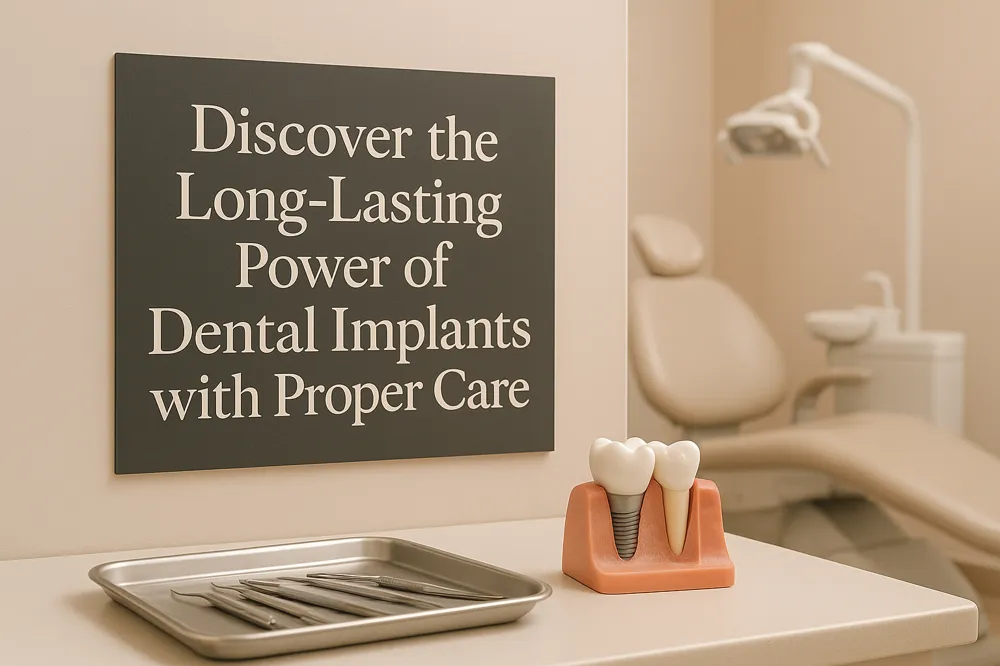
Dental implants are typically crafted from biocompatible materials like titanium and zirconia. Titanium is highly regarded as the gold standard due to its strength, corrosion resistance, and exceptional ability to integrate with the jawbone through a process called osseointegration. Zirconia is a popular metal-free alternative favored for its hypoallergenic properties and natural tooth-like appearance. Material choice plays a crucial role in ensuring durability, comfort, and the long-term success of the implant. For more details, see Dental implants materials.
How long do dental implants typically last?
With proper oral hygiene—including regular brushing, flossing, and dental check-ups—dental implants can last anywhere from 15 to 25 years or even a lifetime. Experienced periodontists achieve success rates exceeding 95–98%, reflecting the high durability and reliability of these implants. Their long-lasting nature makes dental implants a sound investment in restoring dental function and aesthetics. Learn more about the Longevity of dental implants and Dental implants success rate.
Importance of oral hygiene
Caring for dental implants mirrors the routine needed for natural teeth. Maintaining excellent oral hygiene prevents complications such as peri-implantitis, which can affect implant longevity. Regular dental visits ensure early detection and management of any potential issues, supporting the implant's stability and health over time. For comprehensive guidance, refer to Properly Maintaining Dental Implants and Dental Implant Aftercare.
2. Secret #2: Periodontists’ Specialized Training Ensures Higher Implant Success
Why should I choose a periodontist over a general dentist for dental implants?
Periodontists bring specialized expertise to dental implant procedures due to an additional three years of dedicated training in gum tissue, bone health, and implant surgery. This focused education equips them to manage complex cases, such as patients with bone loss or gum disease, much more effectively than general dentists. Their ability to perform necessary bone grafts and soft tissue treatments prior to implant placement significantly boosts the chances of successful integration and reduces the risk of complications. For more details, see Role of periodontists in dental care and importance of periodontists for dental implants.
What advanced techniques do periodontists use to enhance implant outcomes?
Utilizing cutting-edge technology is a hallmark of periodontist care. They often employ 3D cone-beam CT scans for detailed imaging of the jawbone, allowing precise planning of implant placement. Periodontists use digital surgical guides to navigate the implant procedure with remarkable accuracy. Additionally, they perform advanced procedures like guided bone regeneration and soft tissue grafting. These techniques rebuild and strengthen the bone and gum foundation, ensuring that implants have the stable support needed for long-term durability and function. Learn more about Advanced imaging for implant placement and Guided implant surgery benefits.
Managing complex cases
For patients with significant bone or gum challenges, periodontists are uniquely qualified to provide solutions. They handle cases involving severe bone loss through bone grafting and sinus lifts, making implants possible where others might deem it infeasible. Their comprehensive approach treats underlying periodontal disease before implant placement and oversees healing to maximize success. This expertise results in higher implant survival rates and better overall patient outcomes. Additional information is available on Bone grafting for dental implants and Periodontists and dental implants.
| Aspect | Description | Benefit |
|---|---|---|
| Specialized Training | Additional 3 years beyond dental school in gum and bone care | Expertise in complex implant cases (dental implants and periodontics) |
| Advanced Imaging | 3D cone-beam CT scans and digital planning | Precise, less invasive implant placement (3D and cone-beam imaging) |
| Surgical Techniques | Guided surgery, bone grafting, soft tissue grafting | Enhanced implant stability and longevity (Advanced Periodontal Techniques for Implants) |
| Management of Gum/Bone Disease | Pre-implant disease control and grafting | Reduced complications and improved healing (Role of Periodontics in Dental Implant Success |
3. Secret #3: Age and Health Conditions Don’t Automatically Disqualify You From Getting Implants
Are dental implants suitable for older adults?
Yes, dental implants suitable age are suitable for adults of various ages once jawbone development is complete, typically by age 18. Age itself is not a strict barrier to receiving implants. Patients of older age can successfully undergo dental implant procedure provided they have good overall oral and systemic health. Advanced age alone does not prevent candidacy; rather, maintaining adequate bone density and healthy gums plays a vital role.
How do health conditions like diabetes or smoking affect dental implants?
Certain health factors affecting dental implant outcomes influence implant success. Patients with controlled diabetes can still have favorable outcomes if their blood sugar levels are managed effectively. Conversely, smoking significantly slows healing, raises the risk of infections, and increases chances of implant failure. Because of this, dental specialists strongly advise quitting smoking at least three months before implant surgery to improve healing and increase implant longevity.
Common misconceptions about age limits and health
A common myth is that advanced age or medical conditions automatically exclude people from getting implants. However, modern implant technology and thorough pre-surgical assessments allow more people than ever to qualify. Specialists evaluate each patient’s bone quality, gum health, and medical history through advanced imaging and clinical exams to ensure safe treatment plans tailored to individual health status. This personalized approach helps expand eligibility beyond traditional limits.
Eligibility criteria and health considerations
- Fully developed jawbone is essential.
- Good oral hygiene and stable gum health are required.
- Controlled chronic diseases (like diabetes) can be accommodated.
- Smoking cessation dramatically improves outcomes.
- Bone grafts may be considered if bone loss exists.
By addressing these factors, implant dentistry makes dental implants accessible to a wider population, including older adults and those managing certain health conditions, ensuring successful, long-lasting results.
4. Secret #4: Advanced Technology Makes Implant Surgery More Precise and Comfortable
How does advanced technology improve dental implant procedures?
Modern implant dentistry benefits significantly from advanced implant techniques. Techniques such as 3D and cone-beam imaging provide detailed, three-dimensional views of the jawbone and surrounding structures. This allows periodontists to precisely assess bone density, nerve locations, and sinus cavities before surgery.
Initial intraoral scans for implants and digital impressions and intraoral cameras further aid in creating accurate surgical guides. These computer-generated templates enable guided implant surgery, ensuring the dental implant is placed in the optimal position with minimal disruption to surrounding tissues. This precision reduces trauma during surgery, leading to faster recovery and higher long-term dental implants success rate.
Is dental implant surgery painful?
Dental implant procedures are performed under local anesthesia, which numbs the surgical area effectively. Additionally, sedation for dental implants is available to help anxious patients remain relaxed throughout the surgery. The use of minimally invasive microsurgical techniques in dental implants further minimizes tissue damage.
Patients commonly experience only mild soreness after the procedure, often less intense than the discomfort following a standard tooth extraction. Pain can generally be managed with over-the-counter or prescribed medications. This advanced, patient-centered approach makes dental implant surgery a comfortable and well-tolerated treatment option for most.
5. Secret #5: Proper Aftercare Is Crucial to Ensure Implant Longevity
What are the best practices for dental implant aftercare?
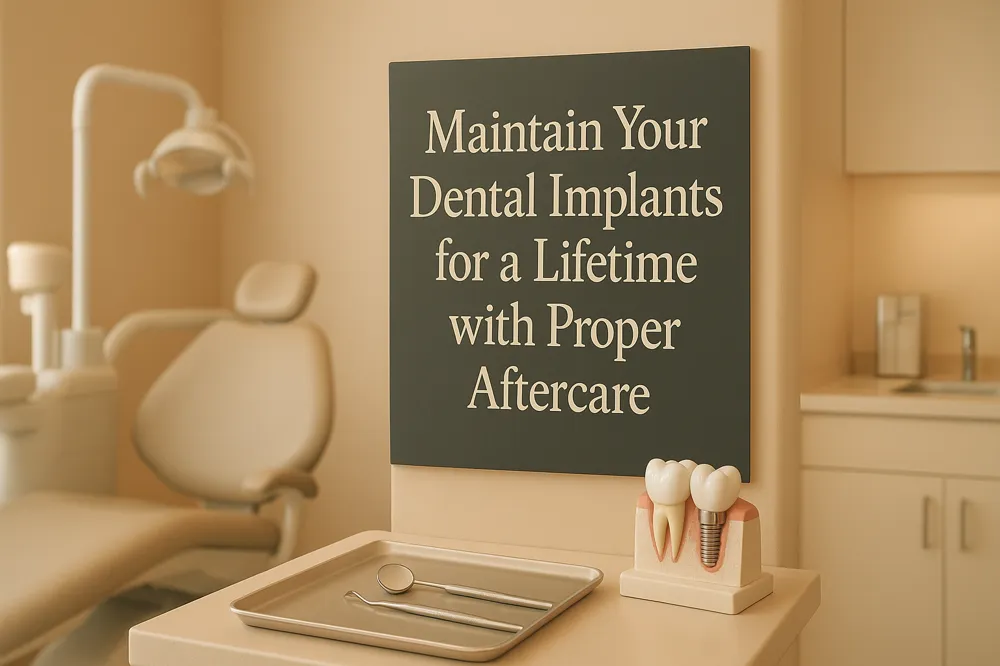
After dental implant surgery, proper care is vital for healing and implant success. Patients are advised to maintain a soft or liquid diet, including foods like mashed potatoes, soft pasta, smoothies, and pudding, to minimize irritation and discomfort. It is important to avoid foods with tiny seeds and refrain from using straws as these can cause bleeding or disturb the surgical site. Oral hygiene should be gentle; rinsing with salt water or prescribed mouthwash helps keep the area clean, but brushing directly on the incision should be avoided until the periodontist gives the all-clear. Additionally, applying cold packs can significantly reduce swelling, while limiting physical activity helps prevent increased blood pressure and further swelling at the implant location. For more detailed guidance, see Dental Implant Aftercare.
Why is preventing peri-implantitis important?
Peri-implantitis is a serious infection that causes inflammation around dental implants. If untreated, it can lead to implant loosening or failure. To combat this, rigorous oral hygiene is essential. Patients should brush twice daily using a soft-bristled toothbrush and low-abrasive toothpaste specifically designed for implants. Flossing should be performed daily, preferably with specialized floss such as Crown and Bridge floss, and water flossers are highly recommended because they thoroughly clean deep pockets without causing damage. Incorporating antimicrobial mouth rinses can further reduce bacterial growth. Regular dental checkups and professional cleanings are critical to detecting early signs of peri-implantitis and preventing complications, thereby protecting both the implant and surrounding gum tissue. Learn more at Dental Implant Care Tips.
Maintenance routines to support long-term implant health
Maintaining dental implants mirrors caring for natural teeth but demands conscientious effort. Daily brushing and flossing remove plaque that can harm gums and bone supporting the implant. Avoiding smoking and limiting consumption of sugary or hard foods helps preserve the implant’s integrity. Patients should schedule routine follow-ups with their periodontist for professional cleaning and evaluation. These visits enable early intervention against threats such as infections or loosening. Combining dedicated home care with professional oversight ensures that dental implants remain stable, functional, and aesthetically pleasing for decades. For further tips, visit Properly Maintaining Dental Implants.
6. Secret #6: Dental Implants Not Only Restore Your Smile but Also Benefit Overall Health
How do dental implants improve oral function and aesthetics?
Dental implants act as artificial tooth roots, providing a secure and natural-feeling foundation for replacement teeth. They allow you to chew effectively and speak clearly without the slipping or discomfort often associated with dentures. By stimulating and preserving the jawbone, implants prevent bone loss that can cause facial sagging. This helps maintain your natural facial structure and supports a confident, natural-looking smile.
Can dental implants contribute to overall health?
Absolutely. Dental implants enable patients to eat a wider variety of healthier foods, helping to maintain a balanced diet essential for overall wellness. Because they are easier to clean and maintain than dentures, implants reduce the risk of gum disease, which is linked to systemic conditions such as heart disease, diabetes, and dementia. Furthermore, the improved self-esteem and comfort implants provide often motivate patients to adopt healthier lifestyle habits, such as quitting smoking and better dietary choices. For more information, please see Oral health benefits of dental implants.
Connection to systemic health
Poor oral health has been associated with increased risk for several serious health problems. By promoting better oral hygiene and eliminating issues like gum inflammation seen in denture wearers, dental implants help reduce systemic health risks. Their role in supporting jawbone integrity and preventing deterioration also contributes to better overall quality of life. Thus, well-maintained dental implants support not just your smile but your long-term health and vitality. Learn more about Dental implants care and maintenance.
Empower Your Smile with Informed Implant Choices
Understanding Dental Implants
Dental implants offer a reliable, long-lasting solution to replace missing teeth, boasting a success rate of up to 98%. With proper care—regular brushing, flossing, and dental checkups—they can last a lifetime and mimic the look and feel of natural teeth.
Personalized Care with a Periodontist
Consulting a periodontist is highly recommended, especially for patients with gum disease or bone loss. Periodontists bring specialized training in gum and bone health, ensuring precise implant placement, minimizing complications, and improving healing outcomes.
Advanced Technology Enhances Success
The use of cutting-edge tools such as 3D imaging and computer-guided surgery helps tailor treatments to individual needs. This technology not only increases accuracy but also supports faster, less invasive procedures, promoting better long-term results.
By choosing expert care and leveraging modern advancements, patients can confidently regain both function and aesthetics, empowering their smiles with implants designed just for them.