Understanding Complex Dental Implant Cases
Definition and Scope of Complex Dental Issues
Complex dental implant cases involve situations that extend beyond simple tooth replacement. These cases typically include multiple missing teeth, severe bone loss, gum disease, or prior implant failures. Patients may also face systemic health challenges such as diabetes or habits like smoking, which can complicate healing and implant success. Conditions like bruxism and TMJ disorders often add to these difficulties, making implant placement and long-term stability more challenging.
Challenges in Complex Dental Implant Procedures
Such cases demand meticulous planning and specialized surgical skills. Issues like inadequate jawbone density require bone grafting or sinus lifts before implants can be placed. Gum disease must be treated beforehand to reduce the risk of infection and implant failure. The complexity increases when replacing full arches, often utilizing methods like All-on-4 or All-on-6 implant systems. Precise implant positioning is critical, as incorrect placement can damage adjacent structures or jeopardize implant longevity.
The Significance of Advanced Care and Expertise
Expertise from specialists such as periodontists or oral surgeons is crucial. Periodontists offer advanced training in gum and bone health, employing technologies like 3D cone beam CT imaging, guided implant surgery, and regenerative techniques. Their skills in managing bone grafts, soft tissue health, and peri-implant diseases improve outcomes and reduce complications. This specialized care promotes faster healing, greater implant stability, and enhanced aesthetic results, particularly important for patients with complex needs.
Why Periodontists Are Crucial for Complex Implant Cases
Specialized Training and Expertise of Periodontists
Periodontists and dental implants undergo three additional years of focused training after dental school, specializing in the health of gums, bone, and other supporting structures of the teeth. This advanced education equips them to manage both routine and highly complex dental implant cases, including those involving significant bone loss or gum disease. Their deep knowledge ensures meticulous planning to optimize implant placement and success.
Management of Gum Disease and Bone Health in Implants
Healthy gums and sufficient jawbone density are essential foundations for successful dental implants. Periodontists expertly diagnose and treat periodontal disease before implant placement, reducing infection risks and improving implant longevity. They perform critical procedures such as bone grafting and soft tissue regeneration to rebuild a strong base for implants, especially in cases where bone deterioration or gum recession has occurred.
Advanced Surgical Procedures Handled by Periodontists
Complex implant cases often require surgical techniques beyond typical implant placement. Periodontists are skilled in performing bone grafts, sinus lifts, ridge augmentation, and managing peri-implant diseases like peri-implantitis. Their surgical expertise allows them to address challenging anatomical and health conditions, ensuring precise implant positioning and enhanced healing.
Use of Cutting-Edge Technology Like 3D Imaging and Guided Surgery
Periodontists utilize state-of-the-art technologies such as Cone Beam Computed Tomography (CBCT) 3D imaging and computer-guided implant surgery to achieve superior accuracy. These tools enable precise visualization of the jawbone and soft tissues, allowing customized surgical planning tailored to each patient. Minimally invasive techniques, combined with sedation options, also enhance patient comfort and improve healing outcomes.
Should a Periodontist Perform Dental Implant Procedures?
Yes, periodontists are highly qualified implant specialists. Their rigorous training in gum and bone health, combined with expertise in complex surgical procedures and advanced technology, make them ideal for treating challenging cases. Patients benefit from their comprehensive approach, which includes preoperative assessment, personalized treatment planning, expert surgical execution, and long-term maintenance to maximize implant success rates, especially when managing complications or previous implant failures.
Comparing Dental Specialists: Periodontist vs. Oral Surgeon for Implants
Differences in training and focus of periodontists and oral surgeons
Periodontists complete three additional years of specialized training after dental school, focusing on the health of gums, supporting bone, and periodontal tissues around teeth. Their expertise centers on gum disease management, bone regeneration, and soft tissue procedures crucial for implant success. Oral surgeons undergo extensive hospital-based surgical residencies, gaining advanced expertise in complex surgical interventions involving the jaw, face, and soft tissues.
Suitability of periodontists for gum and bone health
Periodontists excel in assessing and treating issues affecting gum health and bone support, including managing gum disease, performing bone grafting, sinus lifts, and tissue regeneration. Their precise focus on the supporting structures of teeth makes them ideal for implant cases where gum or bone health is compromised.
Oral surgeons’ expertise in complex surgical interventions
Oral surgeons are highly skilled in performing complex procedures such as bone grafts, sinus lifts, and managing surgical complications. Their training enables them to handle severely compromised anatomy and challenging surgical cases efficiently.
Collaborative care approach for best outcomes
For optimal implant success, a multidisciplinary approach is often used. General dentists, periodontists, and oral surgeons collaborate to tailor care plans. Periodontists may handle gum health and bone preparation, oral surgeons manage complex surgical interventions, and prosthodontists finalize restorations, ensuring a natural look and function.
Is an oral surgeon or periodontist better for dental implants?
Choosing between an oral surgeon and a periodontist depends on the complexity of your case. Oral surgeons specialize in complex surgeries, while periodontists focus on gum and bone health. Cases involving gum disease or bone loss often benefit from periodontist expertise, especially with advanced techniques like guided implant surgery. Collaboration among specialists is common to maximize outcomes.
Advanced Technology and Techniques Enhancing Implant Success
Role of 3D Imaging, CBCT Scans, and Digital Planning
Periodontists utilize advanced imaging technologies such as Cone Beam Computed Tomography (CBCT) and 3D imaging to obtain detailed views of the jawbone and gum tissues. This level of precision enables accurate diagnosis and planning, ensuring implants are placed in the optimal position to maximize stability and longevity. Digital planning software integrates these images to create personalized treatment plans tailored to each patient’s unique anatomy.
Minimally Invasive and Guided Implant Surgeries
Guided implant surgery, which combines CBCT imaging with computer-generated surgical guides, allows for minimally invasive implant placement. This approach reduces surgical trauma, limits healing time, and boosts accuracy by eliminating guesswork during the procedure. Minimally invasive implant procedures are especially beneficial in complex cases involving bone grafting or compromised tissues.
Innovations Like Laser Therapy and Robotic Navigation
Laser-assisted procedures, such as LANAP (Laser-Assisted New Attachment Procedure), help treat gum disease and peri-implant infections while promoting faster healing and less discomfort. Robotic navigation technology further enhances precision in implant placement by providing real-time guidance to the surgeon, improving outcomes even in challenging anatomical situations.
Benefits for Patient Comfort and Procedural Accuracy
These technological advancements not only increase the success rates of dental implants but also contribute to enhanced patient comfort. Sedation options, combined with minimally invasive techniques and laser therapy, reduce pain and anxiety. Precise planning and robotic assistance minimize complications, shorten surgical time, and improve overall patient satisfaction.
| Technology/Technique | Purpose | Patient Benefit |
|---|---|---|
| 3D Imaging & CBCT Scans | Detailed anatomical assessment | Precise implant placement |
| Digital Surgical Planning | Personalized treatment design | Increased safety and predictability |
| Guided Implant Surgery | Minimally invasive placement | Reduced recovery time |
| Laser Therapy | Treating gum disease and infection | Faster healing, less discomfort |
| Robotic Navigation | Real-time surgical guidance | Higher accuracy and safety |
| Sedation Options | Managing anxiety and pain | Enhanced patient comfort |
Managing Bone and Gum Health: Foundations for Implant Longevity
Are dental implants considered part of periodontics?
Dental implants themselves are not strictly part of periodontics specialty but are closely intertwined with the specialty. Periodontists focus on maintaining and treating the gums and jawbone—the vital supporting structures for implants.
Importance of healthy gums and sufficient bone density
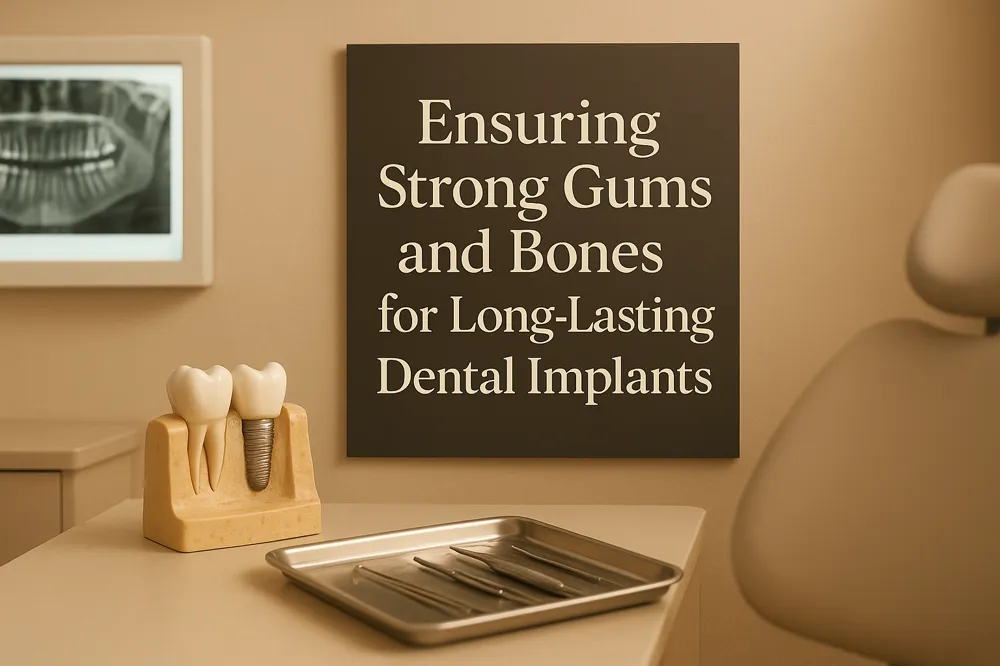
Healthy gums and adequate bone density form the essential foundation for Dental implants. Without proper bone support and gum health, implant stability and longevity are compromised. Periodontists and dental implant success ensure that these tissues are disease-free and strong to maximize implant success.
Bone grafting, sinus lifts, and tissue regeneration techniques
In cases of bone loss or insufficient jawbone volume, Bone grafting and tissue procedures performed by periodontists rebuild lost bone. These procedures enhance the structural support needed for implant placement. Additionally, Guided bone and tissue regeneration promotes the healing and growth of soft tissues around implants, ensuring a natural and stable outcome.
Treatment of periodontal disease before implant placement
Treating periodontal disease prior to implant placement is critical. Periodontists and dental implants manage active periodontal infections to reduce inflammation and minimize risks of implant failure. Successfully controlling gum disease sets the stage for healthier integration of the implant with the jawbone.
Impact of systemic health factors and smoking on implant success
Systemic conditions such as diabetes or autoimmune diseases can impair healing after implant surgery. Smoking increases failure rates significantly by impairing blood flow and bone healing. Dental implant complexity factors and risks like smoking are considered by periodontists during treatment planning to optimize outcomes and advise patients on necessary lifestyle changes.
Engaging a periodontist for implant-related care means comprehensive evaluation and management of bone and gum health, which are fundamental to durable, successful dental implants.
Choosing the Right Specialist for Your Dental Implants
Credentials and Training to Look for in Implant Providers
Choosing the right dental implant provider involves considering their specialized training and experience. Specialists like periodontists and oral surgeons complete several years of additional education beyond dental school, focusing deeply on gums, bone, and surgical techniques that impact implant success. Prosthodontists, meanwhile, focus on designing and restoring the final crowns or dentures that sit on implants.
Importance of Board Certification and Experience
Board certification is a strong indicator of an implant provider's expertise and commitment to ongoing education. Specialists with certification have demonstrated advanced knowledge and adherence to strict standards. Experience also matters greatly; studies show implant survival rates exceed 95% when performed by seasoned specialists compared to general practitioners. Trusted providers often perform hundreds of implants yearly and utilize leading implant systems backed by research.
Reviewing Before-and-After Cases and Patient Testimonials
Examining before-and-after photos and patient reviews offers insight into the provider's skill, especially for complex cases involving bone loss or gum disease. These case studies highlight success in restoring both function and aesthetics, building patient confidence. Testimonials often mention the quality of personalized care, comfort during procedures, and satisfaction with results.
Multidisciplinary Approaches Involving Periodontists, Oral Surgeons, and Prosthodontists
Complex implant treatments usually benefit from a team approach. Periodontists manage gum health and bone grafts, oral surgeons handle advanced surgical challenges like sinus lifts, and prosthodontists ensure natural-looking restorations. Collaborating together ensures comprehensive treatment tailored to each patient's unique needs, improving long-term success.
How should one choose a dentist for dental implants?
When selecting a dentist for dental implants, prioritize specialists with extensive implant-specific training and proven outcomes. Review their portfolio including case photos and testimonials. Confirm they provide full-scope care—from evaluation and planning using advanced 3D imaging and guided implant surgery, through surgical placement, to final restoration. Asking about their implant systems and success rates can help identify a provider who delivers accurate, safe, and lasting results.
Alternatives and Complementary Care in Complex Implant Cases
Are there alternatives to dental implants?
Yes, several alternatives to traditional dental implants exist, tailored to individual patient needs and preferences. Non-surgical options include dental bridges, which fill gaps by anchoring artificial teeth to adjacent natural teeth, and partial or full dentures that are removable and restore function and aesthetics. Resin-bonded bridges, also known as Maryland bridges, offer a less invasive solution by attaching artificial teeth with minimal alteration to neighboring teeth. Snap-on dentures provide enhanced stability without surgery.
What are modern implant alternatives?
Advances offer implant-based alternatives with less surgical complexity. Mini dental implants are smaller in diameter, less invasive, and suitable for patients with limited bone density. The All-on-4 system supports an entire arch of teeth on just four strategically placed implants, often allowing immediate loading and quicker recovery. These options improve convenience, reduce healing time, and can be cost-effective compared to traditional implants.
How do specialists collaborate for better outcomes?
Complex cases greatly benefit from teamwork among dental specialists. Periodontists manage gum health and bone support crucial for implants’ success. Cosmetic dentists focus on aesthetic outcomes, ensuring that implant restorations appear natural and harmonious with a patient’s smile. Prosthodontists specialize in fabricating final restorations like crowns, bridges, and dentures that attach to implants, combining function with appearance. This multidisciplinary approach addresses both health and cosmetic aspects comprehensively.
How are patient-specific conditions and aesthetics managed?
Managing underlying conditions such as gum disease, bone loss, or systemic health issues is critical. Specialists employ bone grafting and tissue procedures , tissue regeneration, and advanced imaging for implant planning to prepare the mouth for implants or select alternative treatments. Aesthetic enhancements like digital smile design techniques and soft tissue grafting ensure the final outcome restores confidence and natural appearance. Customized treatment plans consider patient health, lifestyle, and preferences to optimize comfort and long-term success.
This blend of alternatives and complementary care provides patients facing complex implant challenges with personalized, effective, and esthetically pleasing dental rehabilitation options.
Why Periodontists Are Often the Best Choice for Complex Dental Implants
Specialized Training and Expertise
Periodontists complete an additional three years of advanced training focused on the gums, bone, and supporting structures essential for dental implant success. This specialized education equips them to expertly handle complex implant cases involving periodontal disease, bone loss, and soft tissue management.
Managing Complex Cases
With their deep understanding of gum and bone health, periodontists perform critical procedures like bone grafting, soft tissue grafts, and repair of peri-implant disease. They effectively treat patients with significant bone loss, gum disease, or previous implant failures, improving the foundation necessary for implants to thrive.
Advanced Technology and Collaborative Care
Using cutting-edge tools like 3D cone beam imaging, guided implant surgery, laser therapy, and robotic navigation, periodontists enhance precision and safety. They often collaborate with general dentists and prosthodontists to ensure the final restoration is both functional and natural-looking.
Why Choose a Periodontist?
Patients seeking long-term success with dental implants, particularly in complex scenarios, benefit greatly from the specialized skills and technology access that periodontists provide. Their experience reduces complications, improves healing, and supports lasting, healthy smiles.