Navigating Your Path to a Healthier, More Beautiful Smile
A Gentle Introduction to Crown Lengthening
Crown lengthening is a precise surgical procedure performed by a dentist or periodontist. It involves reshaping the gum tissue and sometimes a small amount of underlying bone to expose more of a tooth’s natural surface. This delicate process serves two beautiful purposes. It is a critical preparatory step for restorative work, ensuring a solid foundation for a new dental crown or bridge. Simultaneously, it is an aesthetic treatment that rebalances the gum line, often for individuals wishing to address a 'gummy smile' and reveal a more confident, radiant appearance.
A Recovery Built on Personalized Care
At our practice, your comfort and confidence are our top priorities from the very first consultation. We understand that any surgical procedure can bring questions. That's why your recovery plan will be thoroughly discussed and tailored to your unique situation. We combine advanced techniques with a compassionate approach, ensuring you feel supported and informed every step of the way.
Your Guide to the Healing Journey
The path to your new smile involves a healing process that is both natural and manageable. The following guide will walk you through the general stages of recovery, from the first few critical days to complete healing over the following weeks. While every patient heals at their own pace, being prepared with clear, professional guidance helps make the journey smoother and more comfortable.
Overview of Common Recovery Guidelines
| Healing Phase | Primary Focus | Typical Duration | Key Recommendations |
|---|---|---|---|
| Immediate Aftercare | Pain & Swelling Control | First 24-48 hours | Apply ice packs, rest, take prescribed medications, eat cool soft foods. |
| Initial Healing | Site Protection & Hygiene | First 1-2 weeks | Follow a soft diet, use gentle saltwater rinses, avoid brushing the surgical site. |
| Ongoing Recovery | Gum Stabilization | 3-8 weeks | Gradually resume normal brushing, reintroduce firmer foods, attend follow-up visits. |
| Complete Healing | Final Results & Restoration | Up to 3 months | Gum line fully settles, permanent crown placement can be scheduled. |
Understanding Your Procedure and Recovery Foundation
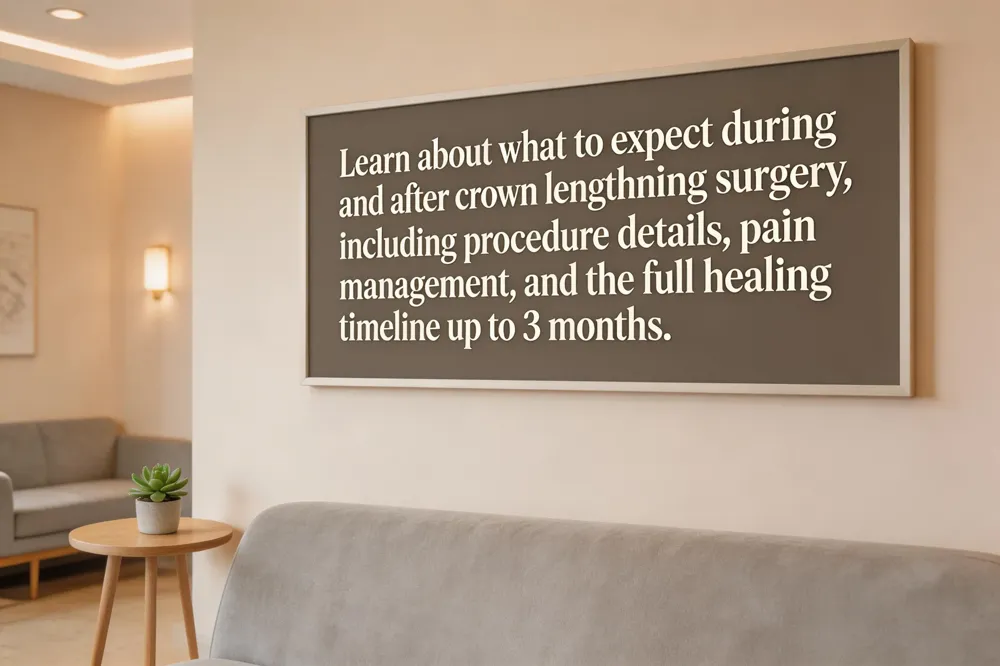
What is Crown Lengthening and How Can It Benefit My Smile?
Crown lengthening is a minor surgical procedure where a dental specialist recontours your gum tissue and sometimes the underlying bone to expose more of your tooth's natural structure.
This procedure offers significant benefits. Cosmetically, it corrects a 'gummy smile', where excess gum tissue makes teeth appear too short, to create a more balanced and aesthetically pleasing smile. Functionally, it's essential for your dental health, as it provides access to cavities or fractures hidden below the gumline so they can be properly restored.
More importantly, crown lengthening creates a solid foundation for future dental work, such as placing a crown or bridge, ensuring these restorations fit securely and last longer. By exposing more tooth structure, it also makes the area easier to keep clean, helping to prevent future decay and gum disease. At Empower Your Smile, we perform this precise procedure with a focus on your comfort and personalized aesthetic and health goals.
Is Crown Lengthening a Painful or Scary Procedure?
It is normal to have some anxiety about dental surgery, but crown lengthening is a routine and well-controlled procedure. You will not feel pain during the treatment because it is performed under local anesthesia. For patients with dental anxiety, sedation options are available to ensure a calm and comfortable experience.
After the procedure, you can expect some manageable side effects. Mild to moderate discomfort, swelling, and tenderness at the surgical site are normal for the first few days as the anesthetic wears off. This is typically well-controlled with over-the-counter pain relievers like ibuprofen or acetaminophen, following your dentist's specific dosage guidelines.
The most intense discomfort usually peaks within the first 24 to 48 hours and then subsides significantly. Most patients find the recovery process smoother than expected, with notable improvement within a week. Ultimately, this short-term, manageable discomfort is a worthwhile investment for a healthier, more functional, and confident smile.
Core Information About Your Procedure and Healing Journey
Before your procedure, you will have a detailed consultation to discuss the plan and any sedation preferences. The surgery itself involves making small incisions to reshape your gumline and possibly a very small amount of bone. It typically takes about an hour and is performed on an outpatient basis.
The overall healing and stabilization process is gradual. Here is a breakdown of what to expect:
| Phase | Timeframe | Key Characteristics |
|---|---|---|
| Immediate Aftercare | First 24-72 hours | Anesthesia wears off; initial discomfort, swelling, and minor bleeding are common; focus is on rest, ice, and soft foods. |
| Initial Healing | First 1-2 weeks | Major swelling and pain subside; sutures may be removed; gentle oral hygiene resumes around the area. |
| Tissue Stabilization | 3-6 weeks | Gum tissues reattach and stabilize; the gum line begins to look more natural; sensitivity decreases. |
| Complete Healing | 2-3 months | Gums and bone are fully healed and stable, allowing for the safe placement of permanent crowns or other restorations. |
The first few days after surgery are the most critical for your recovery. Following your post-operative instructions during this time—such as resting, applying ice, and taking prescribed medications—lays the foundation for a smooth and successful healing process.
| Covered Topic | Summary |
|---|---|
| Procedure Definition | Reshapes gum and bone to expose more tooth structure. |
| Primary Reasons | Restorative (foundation for crowns, treat decay) and cosmetic. |
| Anesthesia & Pain During Procedure | Local anesthesia ensures no pain; sedation options for anxiety. |
| Immediate Post-Op Symptoms | Manageable discomfort, swelling, and minor bleeding. |
| Initial Critical Recovery Period | First 2-3 days require rest, ice, soft diet, and medication adherence. |
| Complete Healing Timeline | Full stabilization takes approximately 2 to 3 months. |
The First 72 Hours: Managing Discomfort, Swelling, and Bleeding
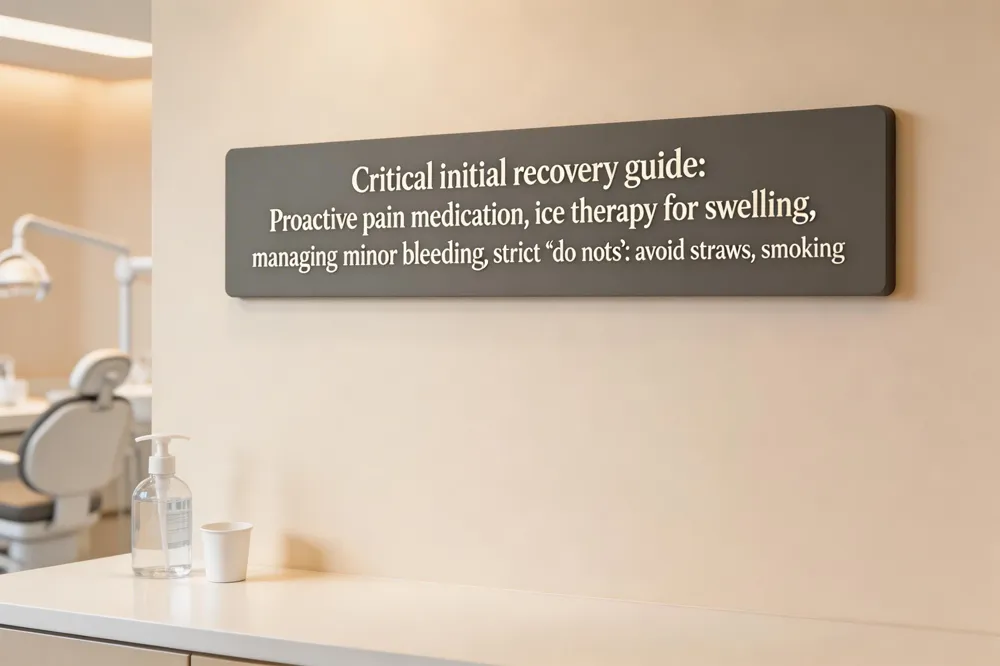
Pain Management Protocols
Take pain relievers proactively. A key strategy for a smoother transition is to take your first dose of pain medication before the local anesthetic (like the long-acting Marcaine often used) wears off. This helps get ahead of potential discomfort.
For mild to moderate pain, you have safe, effective over-the-counter options.
- Ibuprofen (e.g., Motrin, Advil): A common regimen is 800 mg every 4–6 hours for 3–5 days. Do not exceed 2400 mg in a 24-hour period.
- Acetaminophen (e.g., Tylenol): Extra Strength Tylenol (1000 mg) can be taken every 4–6 hours for several days. Never exceed 4000 mg of acetaminophen in 24 hours to avoid liver damage.
These medications can be alternated for broader coverage. If a stronger prescription pain reliever (like Vicodin or Percocet) is provided, use it strictly as directed. Be aware these often contain acetaminophen, so do not take additional Tylenol without consulting your dentist. Do not drive or operate machinery while taking prescription narcotics.
Controlling Swelling Effectively
Facial swelling is a normal inflammatory response and often peaks 30–36 hours after surgery. You can minimize it with consistent cold therapy.
Apply an ice pack, cold compress, or bag of frozen peas wrapped in a soft towel to the outside of your cheek near the surgical site. Follow a cycle of 15–20 minutes on, then 15–20 minutes off while you are awake for the first 24–48 hours. This reduces blood flow to the area, easing both swelling and pain.
Positioning is equally important. Keep your head elevated above your heart, even while sleeping or resting. Use extra pillows or a recliner. Avoid lying flat or on the side of the surgery, as this can increase fluid accumulation and swelling the following morning.
Normalizing Post-Operative Bleeding
Some minor oozing is completely normal for the first 24–48 hours. You may notice pink or blood-tinged saliva, which can look more dramatic than it is due to mixing with saliva.
How can I manage bleeding after crown lengthening?
If you notice more active bleeding, remain calm. Sit quietly and apply light, steady pressure. Use a clean, moistened gauze pad or a dampened regular (black) tea bag placed directly over the surgical site. Maintain firm pressure for a full 20–30 minutes without lifting it to "peek." The tannins in black tea can help constrict blood vessels and encourage clotting. Keep your head elevated. If bleeding persists or seems heavy, contact our office at Empower Your Smile for immediate assistance.
Critical "Do Nots" for the Initial 24 Hours
The first day is critical for allowing a stable blood clot to form and protect the healing bone and tissue. To safeguard this process, strictly avoid the following:
- Do not rinse, spit forcefully, or use a straw. The suction can dislodge the clot.
- Do not consume hot foods or beverages. Heat can increase blood flow and cause more bleeding.
- Do not smoke or use tobacco products. Nicotine severely constricts blood vessels, drastically slowing healing and increasing infection risk.
- Do not probe the area with your tongue, fingers, or pull your lip to look at it.
- Do not engage in strenuous activity or heavy lifting, as this can raise blood pressure and trigger bleeding.
| Recovery Phase | Primary Focus | Key Action Items | Items to Strictly Avoid |
|---|---|---|---|
| Hours 0–24 | Clot Formation & Rest | Take first pain med pre-emptively, apply ice, head elevation, liquid diet | Rinsing, spitting, straws, hot items, smoking, checking the site |
| Hours 24–48 | Swelling Management | Continue ice cycles, switch to soft foods, begin gentle saltwater rinses after 24h | Strenuous activity, brushing surgical site, hard/crunchy foods |
| Days 2–3 | Transition & Monitoring | Swelling often peaks; switch to warm compresses after 48h if swollen | Ignoring signs of infection (fever, pus, severe pain), skipping meds |
Nutrition and Lifestyle: Fueling Your Healing Process

Fueling Your Healing with the Right Foods
The period immediately following crown lengthening surgery is critical for setting the stage for optimal healing. Adhering to a specific diet after crown lengthening surgery helps minimize discomfort, protects the surgical site, and provides your body with the nutrients it needs to repair itself efficiently.
Your First 24-48 Hours: The Liquid Phase
Immediately after surgery, focus on a liquid diet after crown lengthening. This is essential as your mouth will be numb, and you need to avoid disturbing the initial blood clot. Opt for cool, nutrient-rich liquids such as milkshakes, smoothies, lukewarm broths, and nutritional supplement drinks. Avoid hot liquids, as heat can increase swelling and bleeding. These liquids provide hydration and calories without any chewing required.
The First Week: Embracing Soft Foods
For the first 5 to 7 days, transition to a diet of soft foods to eat after crown lengthening that require minimal chewing pressure. This protects the sensitive surgical area and any protective dressing. Excellent choices include:
- Yogurt, applesauce, and pudding
- Scrambled eggs, omelets, and quiche
- Mashed potatoes, pasta, and cooked cereals
- Baked fish, meatloaf, and soft-cooked vegetables
- Ice cream and custard Always chew on the side of your mouth opposite the surgery site.
How long should I wait to eat solid foods after crown lengthening?
You should avoid eating until anesthesia wears off to avoid accidental injury. A soft diet after crown lengthening surgery is recommended for the first 5 to 7 days to protect the surgical site. You can gradually reintroduce more solid foods as healing progresses, typically after the first week, but always avoid hard, sticky, crunchy, or spicy foods that could irritate the area. Full healing and the comfortable resumption of all foods generally takes about 3 months.
When can I resume drinking coffee or alcohol after crown lengthening?
Wait at least 48 hours before drinking coffee, as the heat and acidity can irritate the surgical site and potentially increase sensitivity. For alcohol, a longer waiting period is advised—typically at least one week. Alcohol can interfere with healing, interact negatively with prescribed medications (especially avoiding alcohol with pain medication), and increase the risk of bleeding. Always follow your dentist’s specific guidance before reintroducing these beverages.
Staying Hydrated for Optimal Recovery
Proper hydration is a cornerstone of healing. Aim to drink 6 to 8 glasses of water on the day of your surgery, and continue to drink plenty of fluids throughout your recovery. However, it is crucial to avoid drinking straws. The suction created can dislodge the protective blood clot at the surgical site, leading to a painful condition known as dry socket and delaying healing.
Habits and Foods to Avoid for Faster Healing
Certain items and activities can significantly hinder your recovery. To promote the fastest possible healing, strictly avoid the following for at least the first week, and often longer:
| What to Avoid | Reason for Avoidance | Typical Recommended Avoidance Period |
|---|---|---|
| Hard/Crunchy Foods (chips, nuts, popcorn) | Can physically irritate or damage the surgical site. | 1-2 weeks or until cleared by dentist. |
| Sticky or Chewy Foods (gum, caramel) | Can pull on stitches or dislodge the surgical dressing. | At least 1-2 weeks. |
| Spicy or Acidic Foods (hot sauce, citrus) | Can cause stinging pain and irritation to healing tissue. | At least 1 week. |
| Alcohol | Interferes with healing, medication, and increases bleeding risk. | At least 1 week, or until antibiotics/meds are finished. |
| Smoking & Tobacco | Severely restricts blood flow, dramatically slowing healing and raising infection risk. | Minimum 1-2 weeks; quitting is ideal. |
| Strenuous Exercise | Increases blood pressure and flow to the head, which can cause bleeding and swelling. | 2-3 days for light activity; 1 week for heavy exertion. |
Gradual Transition Back to a Normal Diet
As your gums heal, you can slowly reintroduce a wider variety of foods. Listen to your body—if a food causes discomfort, wait a few more days before trying it again. Your dentist will provide personalized guidance on when you can safely resume your normal diet during your follow-up appointments for crown lengthening. The key is to progress gradually, allowing your tissues to fully stabilize.
Oral Hygiene and Surgical Site Care: A Delicate Balance
The First 24 Hours: No Rinsing
After your crown lengthening surgery, the initial 24-hour period is crucial for a stable clot to form and protect the surgical site. You should not rinse your mouth, spit, or use a straw during this time. These actions can dislodge the blood clot, leading to increased bleeding or delayed healing. Maintain normal brushing and flossing for the unaffected parts of your mouth.
Gentle Cleaning After the First Day
After the first 24 hours, gentle rinsing becomes a vital part of your recovery after crown lengthening. This helps keep the area clean and free of debris without causing harm. Use the prescribed antimicrobial mouthwash, such as chlorhexidine (Peridex or Periogard), or a simple warm salt water solution. To make the salt water rinse, dissolve 1/2 teaspoon of salt in 4 to 8 ounces of warm water.
Swish the rinse gently in your mouth for about 30 seconds, then spit it out. Aim to do this 4 to 6 times daily, especially after meals. Avoid vigorous swishing or forceful spitting, as this can irritate the surgical site and delay healing.
Careful Brushing Techniques
You should continue your normal oral hygiene after crown lengthening routine for all teeth not involved in the surgery. Use a soft-bristled toothbrush and gentle strokes. For the surgical area itself, you must avoid direct brushing.
If a periodontal surgical dressing after crown lengthening is present, you can lightly brush only the biting surfaces of the treated teeth. Do not brush the dressing or the gums directly. If the area is exposed and not covered by a dressing, continue to avoid brushing it until your dentist advises it is safe, typically after your first follow-up appointment. In some cases, your dentist may recommend using a soft cotton swab with toothpaste to gently clean exposed tooth surfaces near the surgery.
Caring for the Periodontal Dressing and Sutures
A periodontal dressing is a protective putty-like material that may be placed over the surgical site. It helps shield the area from food and irritation. You should leave this dressing completely undisturbed. Do not try to reattach it if a piece falls off or if it becomes loose. Instead, contact your dental office for guidance.
Sutures (stitches) are also placed to hold the gum tissue in its new position. Some sutures are designed to dissolve on their own, usually within 5 to 14 days. Others are non-dissolvable and will be removed by your dentist, often at your follow-up appointment about 10 to 14 days after surgery. Avoid touching the sutures with your tongue, fingers, or toothbrush.
Avoiding Unnecessary Disturbance
It is natural to be curious about how the surgical site looks and feels. However, you must resist the urge to inspect it closely. Do not play with the area with your tongue or fingers, and do not pull your lip or cheek aside to look at it. This constant disturbance can introduce bacteria, cause irritation, and potentially dislodge the dressing or sutures, which can slow down the healing process after crown lengthening. Let the area rest and heal undisturbed.
| Time Period | Oral Hygiene Action | Key Instructions | Why It's Important |
|---|---|---|---|
| First 24 Hours | No rinsing | Do not rinse, spit, or use a straw. | Protects the initial blood clot for proper healing after crown lengthening surgery. |
| After 24 Hours | Gentle rinsing | Use prescribed mouthwash or salt water 4-6x daily. | Cleans area without disrupting healing tissues. |
| Initial Recovery | Brushing | Brush untreated teeth normally; avoid surgical site. | Prevents plaque buildup while protecting the wound. |
| Entire Recovery | Dressing care | Do not disturb dressing; call dentist if loose. | Protects surgical site from irritation and infection. |
| Until Healed | Avoiding disturbance | No touching with tongue/fingers or pulling lip to look. | Prevents irritation, infection, and suture displacement. |
Monitoring Healing and Planning Your Next Steps
What should I expect at my post-operative appointment after crown lengthening?
Your first follow-up visit after crown lengthening is a pivotal step in your recovery after crown lengthening. During this appointment, the dental team will gently remove any remaining surgical dressing after crown lengthening and sutures. The process is generally short and involves little discomfort. This visit allows the dentist to closely examine the surgical site, ensuring the gums are healing well and that there are no signs of complication. It's the perfect time to review and receive detailed instructions for the next phase of your oral hygiene, such as when to gently begin brushing the area or using a specific mouth rinse. This visit also serves to schedule any further monitoring appointments, as important healing after crown lengthening surgery continues beneath the gum line for several months.
How long after crown lengthening can I get a permanent crown placed?
The timeline for placing a permanent crown is carefully planned to ensure the best outcome. After crown lengthening, the gum and underlying bone require time to stabilize completely. You should typically expect to wait between 4 to 12 weeks before final impressions for the crown are taken. This waiting period is essential for the initial swelling to subside and for the gums to settle into their final position and mature. At your follow-up appointments, your dentist will monitor this progress and confirm when the tissues are fully healed and ready. Only then can a precise impression be made for a custom-fitted, durable, and aesthetically pleasing crown.
Recognizing normal versus concerning symptoms
Understanding what is part of the normal healing process and what might signal a problem is crucial for a smooth recovery.
| Normal Healing Signs | Duration/Description | Potential Concerning Signs Requiring Contact |
|---|---|---|
| Temporary tooth sensitivity after surgery | Often to cold; decreases over several weeks | Severe, sharp, or persistent pain not relieved by medication |
| Swelling & bruising | Peaks 24-72 hours; subsides over days | Swelling that worsens after the first few days |
| Minor bleeding after crown lengthening | Pink saliva for 24-48 hours | Heavy, continuous red bleeding that doesn't stop with pressure |
| Gum tenderness | Expected for first few days as site heals | Signs of infection after dental surgery: pus, fever, increased redness, or bad odor |
| Feeling of weakness or chills after surgery | Common in first 24-48 hours as body responds | Fever above 101 degrees F (38.3 degrees C) |
The importance of follow-up and open communication
Open communication with your dental team is the cornerstone of a successful recovery. Your scheduled follow-up appointments are not just formalities; they allow your dentist to proactively assess healing, remove sutures or dressings at the optimal time, and adjust your care plan as needed. Always feel comfortable contacting the office with any questions, even if they seem minor. There are no silly concerns during recovery. By working closely with your dental team, you ensure your gums heal properly, paving the way for the final restoration and a healthy, confident smile.
Embracing Your New Smile with Confidence
Reiterating the Commitment to Personalized, Comfortable Care
At Empower Your Smile, Dr. Moezinia and our dedicated Tribeca team are committed to being with you every step of the way, from the procedure through your final healing. Our approach is built on the foundation of personalized attention, ensuring your recovery plan feels supportive and tailored just for you. We combine advanced dental technology with a deep understanding of your individual needs to make this process as comfortable and straightforward as possible. Knowing you have a dedicated team to guide you can make all the difference in your recovery experience.
Viewing Recovery as a Positive, Proactive Step
The healing period following your crown lengthening is more than just waiting for swelling to subside. It is an active and positive investment in your long-term oral health and the aesthetics of your new smile. By carefully following your post-operative instructions on diet, hygiene, and rest, you are playing a direct role in ensuring a smooth and successful outcome. This proactive care sets the stage for a strong foundation, whether you are preparing for a beautiful new crown or enjoying a more balanced, confident smile. Think of this time as an essential part of your journey toward lasting results you can be proud of.
Final Reassurance and Our Open Invitation
Remember, feeling some uncertainty during recovery is completely normal. However, you are not navigating it alone. Our practice is built on creating a comfortable, supportive environment where your questions and concerns are always welcome. There is no such thing as a silly question when it comes to your health and comfort. If anything feels unexpected or you simply want reassurance, please do not hesitate to contact us. Our team is here to provide clarity and support, ensuring you move forward with confidence.
| Topic Covered | Details for Patients | Our Promise to You |
|---|---|---|
| Personalized Recovery Plan | Tailored hygiene, diet, and activity instructions based on your specific procedure. | We create and adjust your plan to fit your unique healing process and comfort. |
| Long-Term Health Focus | Recovery is framed as an active step toward lasting oral health and a beautiful smile. | We provide the guidance and tools to make your recovery a positive, proactive experience. |
| Ongoing Support and Contact | We encourage questions and provide clear channels for communication throughout healing. | You will always have access to our team for reassurance, advice, and peace of mind. |