Small Habits, Lasting Payoff
When meetings run late or travel fills the calendar, oral care can feel like one more task to squeeze in. Yet tooth pain or gum problems can disrupt work, meals, and everyday comfort. A few repeatable habits can make dental care feel manageable rather than demanding.
A healthy mouth supports comfortable eating, clear speech, fresher breath, and confidence in daily interactions. The National Institute of Dental and Craniofacial Research notes that oral health also helps people speak, taste, chew, and swallow comfortably.
This guide focuses on three practical parts of care: a reliable routine at home, tooth-friendly choices during the workday, and preventive visits that fit your needs. At Empower Your Smile, a Tribeca practice offering general and cosmetic dentistry under one roof, patients can address routine care and other dental needs with a team led by Dr. Moezinia. The aim is not a complicated regimen, but small steps that are easier to keep up over time.
Build a Reliable Daily Routine
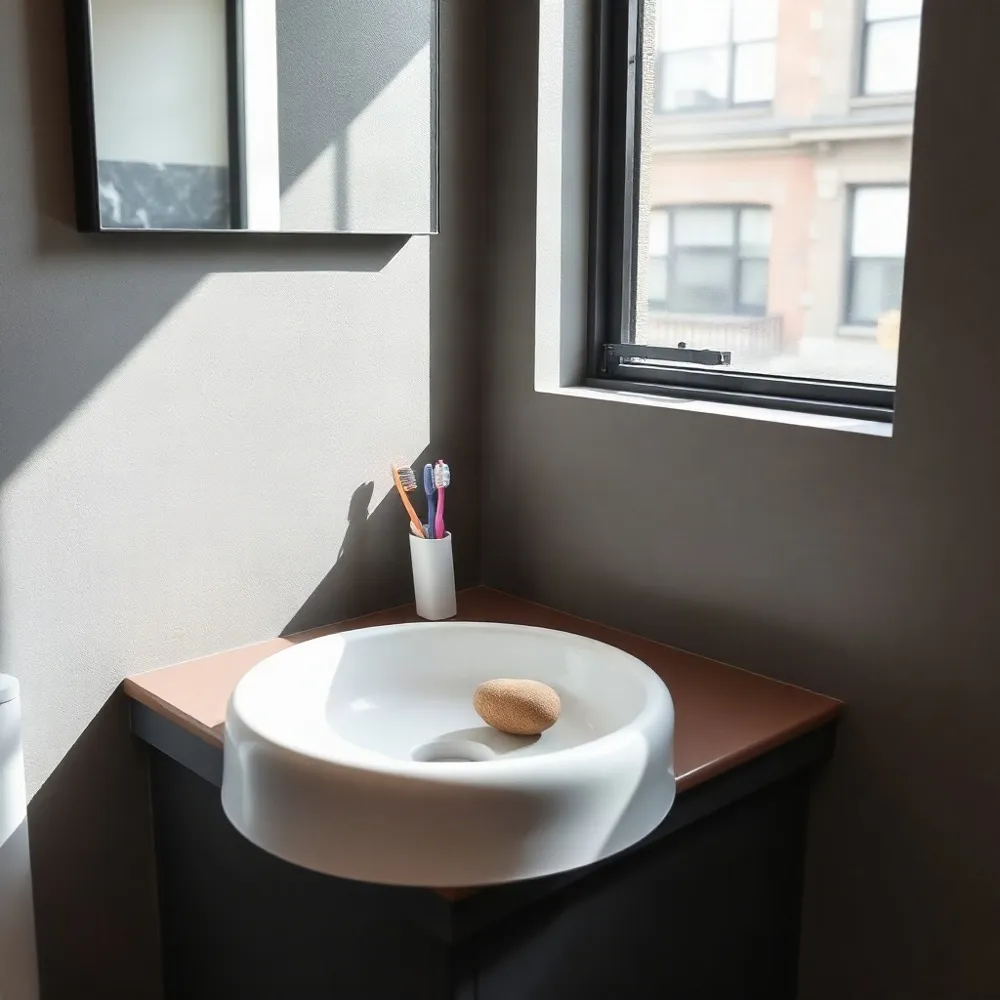 A good daily oral hygiene routine has a few repeatable steps: brush twice a day for two minutes with fluoride toothpaste and a soft-bristled toothbrush, then clean between your teeth once a day. Angle the bristles gently toward the gumline and brush the front, back, and chewing surfaces of every tooth. The National Institute of Dental and Craniofacial Research’s brushing guidance also recommends gentle, small circular motions rather than hard scrubbing.
Use floss or another interdental cleaner to reach the spaces a toothbrush misses. Finish by gently brushing your tongue or using a tongue scraper to remove bacteria. After brushing, spit out the toothpaste rather than rinsing immediately. A timer can help you brush for the full two minutes, while a phone reminder or keeping supplies in view can make the routine easier to remember. The American Dental Association’s home-care recommendations note that a timer, music, or an app can help people brush for the recommended duration.
The “2-2-2 rule” is a simple memory aid: brush twice a day, for two minutes each time, and see a dentist twice a year. The twice-yearly visit is a general guideline, not a rule for everyone. Your dentist may suggest a different schedule based on your oral health and risk factors. At Empower Your Smile, routine care is part of a Tribeca practice that offers general dentistry alongside cosmetic and other dental services, so patients can discuss their home routine and visit schedule with a dental team familiar with their broader needs.
Replace a toothbrush or electric brush head when the bristles are worn, generally every three to four months, or sooner if they fray. Set a reminder on your calendar if replacement tends to slip your mind. A simple routine you can repeat is more useful than adding steps that are hard to sustain.
Make Workday Choices Tooth Friendly
 A compact dental kit in a desk drawer or work bag can make a quick cleanup after lunch more realistic. Pack a toothbrush, fluoride toothpaste, and floss or floss picks. If brushing is not practical, rinse with water after eating or drinking something sweet. Water helps clear food particles and keeps the mouth moist.
Sugar-free gum can stimulate saliva and serve as a convenient backup between meals, but it does not replace brushing or cleaning between teeth. Keep sugary snacks and drinks occasional, and avoid sipping sweet beverages over a long stretch. The CDC recommends limiting foods and drinks with added sugar as part of adult oral care.
For snacks, consider crunchy vegetables or fruit, nuts, or cheese instead of sticky sweets. If coffee or another acidic drink is part of the workday, rinse with water afterward. Wait before brushing, since brushing immediately after an acidic drink may be hard on tooth enamel.
The most effective at-home basics remain brushing for two minutes twice a day with fluoride toothpaste and a soft-bristled brush, cleaning between teeth daily, and limiting sugary foods and drinks. Aim the bristles toward the gumline and cover every tooth surface. The National Institute of Dental and Craniofacial Research also advises replacing a toothbrush when its bristles are worn. At Empower Your Smile, a Tribeca practice offering general and cosmetic dentistry, a dental professional can help tailor product choices and care to individual needs.
Choose Tools You Will Actually Use
The most useful oral-care toolkit is one you can use comfortably every day. Choose a soft-bristled manual or electric toothbrush, fluoride toothpaste, and floss or another cleaner that fits between your teeth. Brush gently for two minutes twice daily, and clean between teeth once a day, since a toothbrush alone misses those spaces. The National Institute of Dental and Craniofacial Research’s oral hygiene guidance explains how brushing and cleaning between teeth help remove plaque.
String floss works well for many people, but floss picks, small interdental brushes, and water flossers can suit different preferences or dexterity needs. A water flosser can dislodge food and debris, but it does not remove tooth-surface biofilm in the same way as traditional floss, so it should not be treated as a universal replacement. At Empower Your Smile, a Tribeca practice offering general dentistry and specialist care, patients can discuss which tools fit their teeth and routine.
Mouthwash is optional. It may provide an added benefit when suited to your needs, but it does not replace brushing or cleaning between teeth. Follow the product label, and ask a dentist before adding a rinse if you have specific concerns. When comparing products, the ADA Seal of Acceptance can help identify items assessed for safety and effectiveness.
What products are useful for a daily oral hygiene routine? Start with a toothbrush, fluoride toothpaste, and a comfortable interdental cleaner. If you have sensitivity, a higher risk of cavities, braces, or dental work, ask your dentist about a toothpaste or tool suited to your situation. Personal recommendations can keep the routine manageable without adding products you do not need.
Use a Simple Cleaning Sequence
A reliable order makes each step easier to remember: clean between your teeth once a day with floss or another interdental cleaner, then brush for two minutes with fluoride toothpaste. The American Dental Association’s home-care guidance supports daily cleaning between teeth and twice-daily brushing.
Flossing before brushing is a practical choice, but there is no need to treat the order as a strict rule. Thorough cleaning every day matters more than following a prescribed sequence. At Empower Your Smile, a dentist can help patients choose a manageable routine and products that suit their needs.
In what order should you brush, floss, and use mouthwash?
After brushing, spit out the toothpaste rather than rinsing with water, which can wash away fluoride residue. Mouthwash is optional; using it at another time can help avoid diluting that residue. Follow the product label and your dentist’s instructions, especially when using a prescription rinse. At Empower Your Smile, care is personalized within a Tribeca practice offering general and cosmetic dentistry under one roof.
Keep Plaque Away From the Gumline
Plaque often collects where teeth meet the gums, so a quick pass over the visible tooth surfaces may leave buildup behind. Brush gently with a soft-bristled toothbrush and fluoride toothpaste, angling the bristles toward the gumline and cleaning every surface. Daily flossing or another interdental cleaner reaches between teeth, where a brush cannot clean well, as the National Institute of Dental and Craniofacial Research explains.
A water flosser can dislodge food and debris around bridges or in other difficult-to-reach areas. It may not remove the biofilm on tooth surfaces as traditional floss does, so ask a dentist which tool suits your needs. At Empower Your Smile, a Tribeca practice offering general dentistry and periodontal care, patients can discuss a home-care approach suited to their teeth and gums.
Brushing and interdental cleaning can remove soft plaque. If plaque remains, it can harden into tartar, which a toothbrush cannot remove and requires professional cleaning. Limiting sugary and starchy snacks can also reduce repeated exposure that contributes to plaque and decay; keeping up with dental visits helps your care team check for buildup and gum changes.
Mouthwash may provide added support, but it cannot replace brushing, cleaning between teeth, or an evaluation when symptoms persist. Bleeding, swollen, or persistently tender gums are reasons to contact a dentist rather than relying on rinses alone. Empower Your Smile provides comprehensive dental care, including periodontal services, so concerns can be assessed in the context of your overall oral health.
Clean Safely Without Special Equipment
You do not need professional instruments to clean your teeth effectively at home. Use a soft-bristled toothbrush with fluoride toothpaste, angle the bristles toward the gumline, and gently brush every tooth surface for two minutes, twice a day. The National Institute of Dental and Craniofacial Research’s oral hygiene guidance also recommends cleaning between teeth daily with floss or another suitable interdental cleaner.
A gentle approach matters: forceful scrubbing can irritate gums and wear tooth surfaces. Avoid sharp tools or household implements for scraping teeth, since they can injure your mouth. If you are unsure which floss or interdental cleaner suits you, a dentist can help choose one.
Disclosing tablets are an optional way to spot plaque you may have missed. After brushing, they color some remaining plaque, giving you a visual cue to brush those areas again. This can help refine your technique without adding specialized equipment.
Daily home care removes plaque, but plaque left in place can harden into tartar, which brushing and flossing cannot remove. A dentist or hygienist uses professional cleaning tools to address that buildup. At Empower Your Smile, routine and preventive dental services are part of a broader practice that also offers general and cosmetic care in Tribeca, so patients can discuss home-care concerns with a dental team.
Make Preventive Visits Easier to Keep
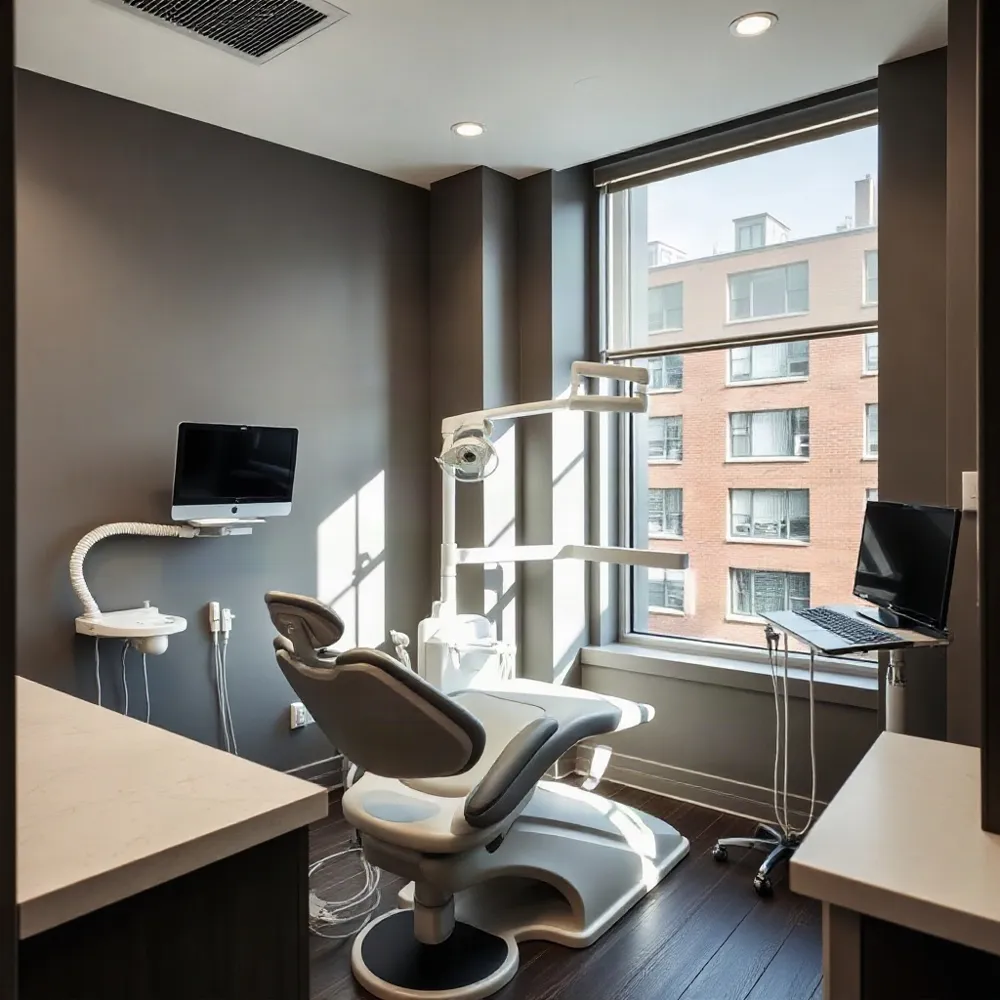 A preventive visit can include a dental exam, a professional cleaning, and X-rays when needed to check areas that are not easy to assess during an exam. Depending on your oral health and risk factors, your dentist may also recommend fluoride treatment or other care tailored to your needs. At Empower Your Smile, a Tribeca practice offering general dentistry and care from a team of specialists, patients can discuss those recommendations in the context of their wider dental needs.
Professional cleanings remove hardened tartar that brushing and flossing cannot clear at home, while exams can help detect concerns before they become more disruptive to treat. The National Institute of Dental and Craniofacial Research’s guidance on checkups and cleanings notes that dentists may adjust care and visit frequency to a patient’s risks.
What preventive dental services can help maintain oral health?
Routine exams, cleanings, and X-rays when appropriate are common parts of preventive care. Fluoride treatments may help protect people at higher risk of cavities, and a dentist may recommend a custom mouthguard for sports or nighttime grinding. At home, brushing twice daily with fluoride toothpaste and cleaning between teeth each day support professional care.
There is no single schedule that suits everyone. Visits about twice a year are common guidance, but your dentist may suggest a different interval based on your oral health, medical history, and risk of cavities or gum disease. When booking with Empower Your Smile, patients can ask about a schedule suited to their needs and mention workday limits when arranging a visit.
Make appointments easier to keep by booking ahead, asking about morning or midday times, and telling the office how much time you have available. Do not wait for the next routine visit if you develop tooth pain, persistent bad breath, bleeding gums, sensitivity, or jaw soreness. These concerns merit timely attention from a dental professional.
Consistency Beats Complexity
A manageable routine is easier to keep than an elaborate one. Brush with fluoride toothpaste, clean between your teeth, choose water when practical during the workday, and keep up with dental visits. These basic steps support oral health without requiring a long checklist. The National Institute of Dental and Craniofacial Research explains how daily brushing and cleaning between teeth help remove plaque.
The right routine can vary with your teeth, health, and comfort. Ask a dental professional which products and techniques suit you, and how often you should schedule exams and cleanings. At Empower Your Smile in Tribeca, NYC, routine care is part of a practice that also offers comprehensive services, so your care team can discuss your needs in the context of your overall dental health.