Welcome to Empower Your Smile’s Oral Health Guide
Optimal oral hygiene starts with brushing twice daily for two minutes using a soft‑bristled brush held at a 45‑degree angle and fluoride toothpaste (≥1000 ppm). Follow with daily interdental cleaning—floss, interdental brushes, or a water flosser—to disrupt plaque between teeth and below the gumline. An alcohol‑free antimicrobial mouthwash can further reduce gingivitis, while a tongue scraper removes bacterial biofilm that causes bad breath. Selecting products bearing the ADA Seal of Acceptance guarantees they meet safety and efficacy standards; electric toothbrushes with timers and pressure sensors, fluoride toothpastes, and approved mouthrinses have documented plaque‑removal and cavity‑prevention benefits. Consistent daily care not only prevents cavities and gum disease but also lowers systemic inflammation, decreasing risks of cardiovascular disease, diabetes complications, and pregnancy outcomes.
Fundamentals of Daily Oral Hygiene
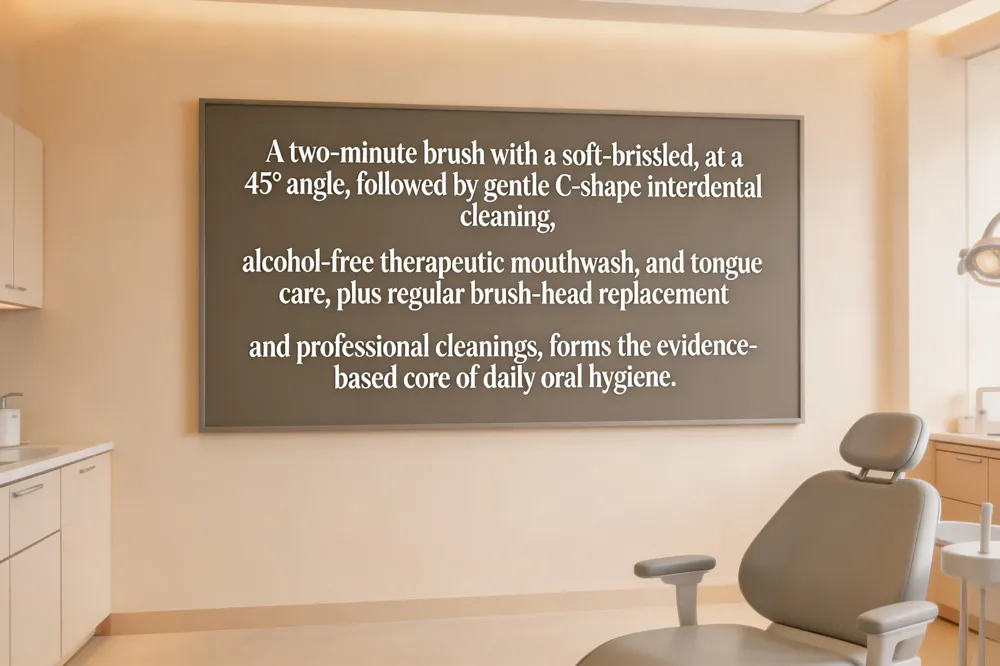 A solid oral‑care routine starts with a two‑minute brush using a soft‑bristled toothbrush and fluoride toothpaste, angled 45° toward the gum line to cover all surfaces, including the tongue. Follow with daily interdental cleaning—floss, interdental brushes, or a water flosser—using a gentle “C‑shape” motion to disrupt plaque between teeth and under the gum line. Finish with an alcohol‑free therapeutic mouthwash swished for 30‑60 seconds; avoid eating or drinking for at least 30 minutes afterward. Dentists stress the importance of replacing the brush head every three months, limiting sugary snacks, staying hydrated, and using products bearing the ADA Seal of Acceptance. Adult‑specific tips include avoiding tobacco, moderating alcohol, managing diabetes, and chewing xylitol‑sweetened gum to stimulate saliva. Schedule professional cleanings and exams at least twice a year, and consider a custom mouthguard for sports. This evidence‑based sequence—brush, floss (or interdental clean), rinse, and tongue care—optimizes plaque removal, reinforces enamel, and supports overall health.
Choosing the Right Toothbrush and Toothpaste
 Soft‑bristled manual vs. electric options
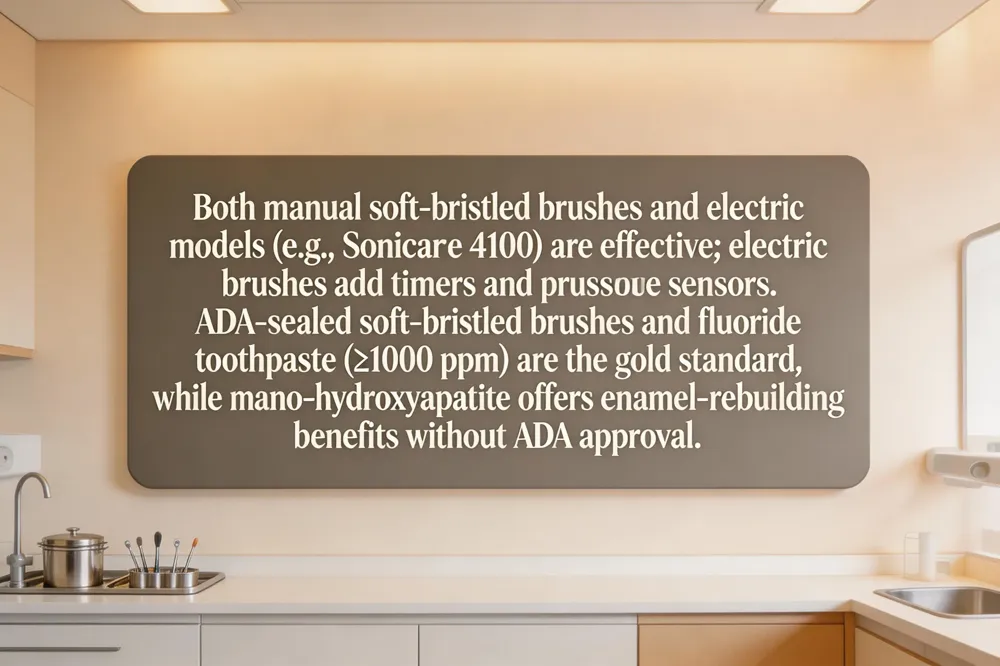
Both manual and electric brushes work when used correctly, but electric models (e.g., Philips Sonicare ProtectiveClean 4100) add timers and pressure sensors that help achieve the recommended two‑minute, gentle 45‑degree cleaning. Soft‑bristled manual brushes with a compact head are inexpensive, ADA Seal of Acceptance guarantees safety and efficacy, and safe for gum health.
ADA‑approved toothbrushes
The ADA Seal of Acceptance guarantees safety and efficacy. Products such as Colgate 360 Sensitive Extra Soft and Oral‑B iO Series 7 meet this standard and are widely available in the United States.
Fluoride vs. nano‑hydroxyapatite toothpaste
Fluoride toothpaste (≥1000 ppm) is the gold‑standard for remineralization and cavity prevention and is required for the ADA Seal. Nano‑hydroxyapatite offers enamel‑rebuilding benefits but lacks the extensive clinical evidence of fluoride; it is not currently ADA‑approved.
Why Sensodyne is not ADA‑approved
Sensodyne’s desensitizing formulas contain potassium nitrate or stannous fluoride, yet the ADA has not granted a Seal of Acceptance because the product’s primary claim—sensitivity relief—does not meet the association’s specific efficacy criteria for cavity prevention. Therefore, it is not listed as ADA‑approved despite being safe for most users.
Interdental Cleaning and Water Flossers
 Interdental cleaning is essential because toothbrushes cannot reach the tight spaces where plaque builds up. Daily flossing, using interdental brushes, or employing a water flosser removes biofilm and food debris, lowering the risk of gum disease and gingivitis. Studies show that consistent interdental cleaning reduces periodontitis prevalence, and water flossers are especially effective for patients with braces, implants, or limited dexterity.
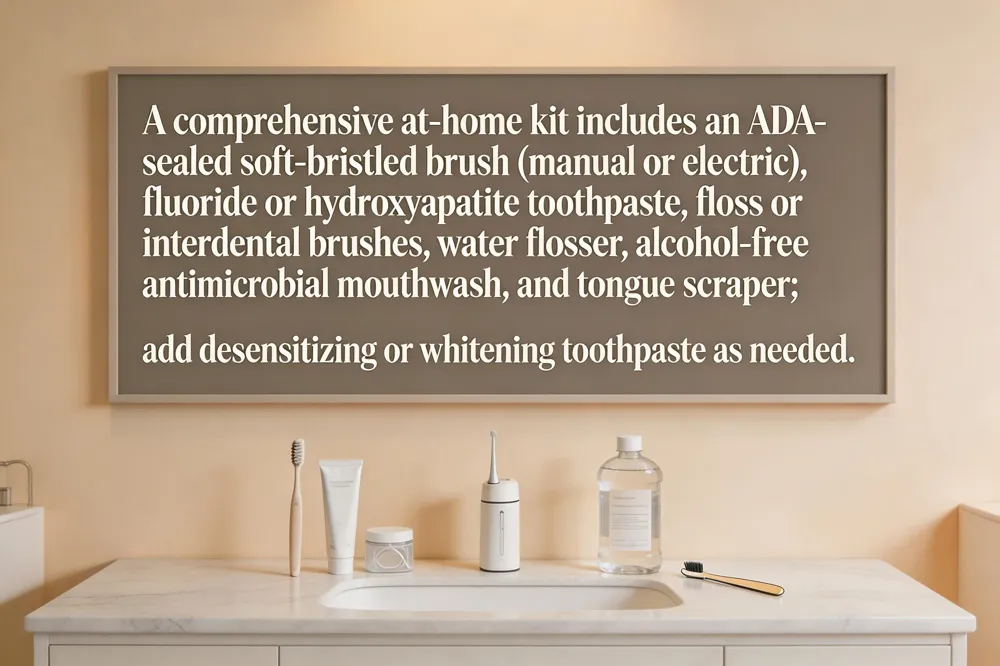
Dental care products list: A solid at‑home kit starts with a soft‑bristled toothbrush—manual or ADA‑approved electric—paired with a fluoride toothpaste (or a hydroxyapatite‑based option for extra remineralization). For interproximal cleaning, keep dental floss or floss picks and small interdental brushes handy. An antimicrobial, alcohol‑free mouthwash (essential‑oil or CPC‑based) controls plaque and freshens breath, while a tongue scraper removes bacterial buildup from the tongue. A water flosser provides a gentle, thorough flush for hard‑to‑reach areas and stimulates gum health.
Best oral hygiene products: Choose an ADA‑sealed soft‑bristled brush (e.g., Philips Sonicare or Oral‑B iO), fluoride toothpaste (1,000‑1,500 ppm or prescription‑strength for high‑risk patients), floss or interdental brushes, a water flossser such as Waterpik, an alcohol‑free antimicrobial mouthwash, and a tongue scraper. For sensitive teeth, add a desensitizing toothpaste. Together, these tools create a comprehensive routine that reduces plaque, gingivitis, and cavities while supporting overall oral health.
Mouthwashes, Tongue Care, and Fresh Breath
 Alcohol‑free therapeutic mouthwashes, such as those containing essential oils or cetylpyridinium chloride (CPC), provide antibacterial action without the drying effect of alcohol, making them gentler on oral tissues while still reducing plaque and gingivitis. Essential‑oil rinses (eucalyptol, menthol, methyl salicylate, thymol) and CPC formulations are ADA‑approved for daily use and have been shown to lower gingival inflammation when used adjunctively with brushing and flossing.
Tongue scrapers or soft tongue cleaners remove bacterial biofilm from the dorsal tongue, decreasing bad breath and contributing to overall oral cleanliness. Regular tongue cleaning, combined with proper brushing and interdental cleaning, enhances fresh‑breath confidence.
Benefits of oral hygiene Good oral hygiene removes plaque and bacteria, preventing cavities, gum disease, and persistent bad breath. By keeping the mouth clean, it reduces the risk that harmful microbes enter the bloodstream, which can lower the chances of heart disease, stroke, and endocarditis. Maintaining healthy gums also helps control inflammation, decreasing the likelihood of diabetes complications, respiratory infections, and even certain cancers. For women, good oral care is linked to healthier pregnancies and lower risk of low‑birth‑weight infants, while for men it can support better reproductive health. Overall, consistent brushing, flossing, and regular dental check‑ups protect both your smile and your systemic well‑being.
ADA‑approved teeth whitening products The American Dental Association’s Seal of Acceptance currently recognizes only Crest 3DWhitestrips as an at‑home whitening system, with variants such as Glamorous White, Vivid White, Brilliance White, Classic Vivid, Sensitive White, and the Sensitive version. The ADA also seals the Crest 3DWhite Teeth Whitening Pen and professional‑strength kits like Opalescence PF when supplied by a dentist. All contain carbamide‑ or hydrogen‑peroxide, proven safe and effective for whitening natural teeth.
Understanding Product Quality: ADA Seal and Dentist Recommendations
 The ADA Seal of Acceptance shows a product passed strict safety and efficacy tests; more than 400 items—toothpaste, floss, mouthrinses, toothbrushes, water filters—bear it, renewed every five years. Dentists favor a soft‑bristled toothbrush , preferably an ADA‑approved electric model with timer and pressure sensor, to remove plaque gently. Fluoride toothpaste (≥1000 ppm) strengthens enamel, while daily floss or interdental brushes clean interproximal areas. An alcohol‑free antimicrobial mouthwash and tongue scraper reduce bacterial load and bad breath; desensitizing toothpaste or a water flosser such as Waterpik helps patients with sensitivity or limited dexterity.
What products do dentists recommend? They advise a soft‑bristled toothbrush—manual or ADA‑approved electric—to gently remove plaque, fluoride toothpaste for enamel strength, daily floss or interdental brushes for between‑tooth cleaning, an alcohol‑free antimicrobial mouthwash, and a tongue scraper. For sensitive mouths, a desensitizing toothpaste or a water flosser such as Waterpik adds comfort and thorough cleaning. These items are widely endorsed because they are safe, effective, and often carry the ADA seal.
ADA approved dental products. The ADA Seal marks items meeting rigorous clinical standards. Examples include Colgate Total toothpaste, Crest Pro‑Health floss, Waterpik oral irrigators, Sensodyne Pronamel, and Listerine Total Care mouthwash. The seal’s five‑year renewal ensures ongoing validation; any formulation change requires new testing. Seeing the ADA logo signals an independently verified product that helps maintain a healthy smile.
Dental Care Products Pros Recommend for Optimal Oral Health
 Oral Care Dental Plan
The Oral Care Dental Plan is a low‑cost annual membership that gives patients at Empower Your Smile immediate, out‑of‑pocket discounts on a full range of dental services. For $99 per year (or $30 per additional family member) members receive free exams and digital X‑rays, up to 50 % off routine cleanings, and up to 50 % off most other treatments including implants, veneers, and orthodontic maintenance. There are no waiting periods, annual maximums or pre‑authorization requirements, and the plan is activated instantly after online enrollment. After joining, simply inform the office that you’re a member when you schedule an appointment to enjoy the discounted rates. The plan provides guaranteed acceptance, unlimited savings, and a simple renewal process, making high‑quality, personalized dental care affordable for every smile.
Oral Care Dental Plan
The Oral Care Dental Plan is a low‑cost annual membership that gives patients at Empower Your Smile immediate, out‑of‑pocket discounts on a full range of dental services. For $99 per year (or $30 per additional family member) members receive free exams and digital X‑rays, up to 50 % off routine cleanings, and up to 50 % off most other treatments including implants, veneers, and orthodontic maintenance. There are no waiting periods, annual maximums or pre‑authorization requirements, and the plan is activated instantly after online enrollment. After joining, simply inform the office that you’re a member when you schedule an appointment to enjoy the discounted rates. The plan provides guaranteed acceptance, unlimited savings, and a simple renewal process, making high‑quality, personalized dental care affordable for every smile.
Dental Care Products List A solid at‑home oral‑care kit starts with a soft‑bristled toothbrush—manual or electric paired with an ADA‑approved fluoride toothpaste to strengthen enamel and prevent cavities. Daily interdental cleaning with dental floss, floss picks, or small interdental brushes removes plaque that brushes miss, reducing gingivitis risk. Antimicrobial or therapeutic mouthwash (essential‑oil or CPC‑based) adds a chemical adjunct for plaque control, while a tongue scraper reduces bacterial load and bad breath. A water flosser offers gentle, effective cleaning for patients with braces, implants, or limited dexterity. For special needs, include a desensitizing toothpaste or whitening toothpaste, and consider a fluoride rinse or varnish for extra cavity protection. Together, these tools, supported by ADA recommendations and community water fluoridation, form a comprehensive, evidence‑based oral‑health routine.
Recognizing Signs of Poor Oral Hygiene and When to Seek Care
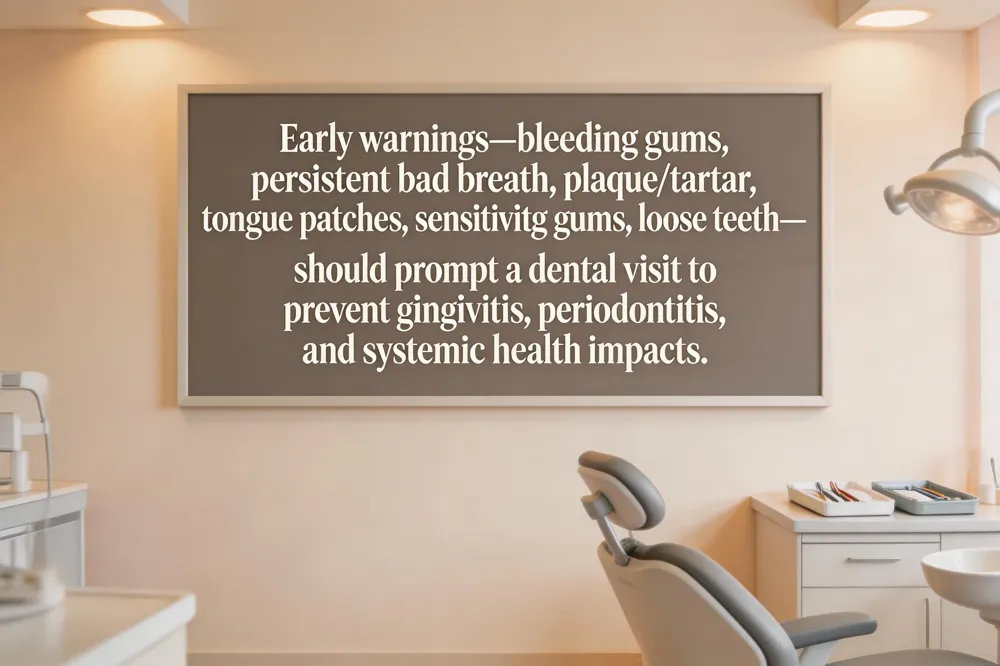 Bleeding gums, persistent bad breath, and visible plaque or tartar on the teeth are the most common early warnings of inadequate oral care.
White or red patches on the tongue, a scalloped (ridge‑like) edge, and intense redness or swelling can also signal bacterial buildup, yeast overgrowth, or inflammation.
Tooth sensitivity, receding gum lines, and loose or shifting teeth suggest that plaque has begun to damage enamel and supporting bone.
Persistent mouth sores that won’t heal or a constant metallic taste may indicate deeper infection or irritation.
These early warning signs should prompt a prompt appointment to prevent progression to gum disease or tooth loss.
If left untreated, plaque can evolve into gingivitis, then periodontitis, leading to bone loss, tooth mobility, and eventual tooth loss.
Moreover, chronic oral inflammation is linked to systemic conditions such as cardiovascular disease, diabetes complications, and respiratory infections.
Regular professional evaluation—ideally every six months—allows clinicians to detect early lesions, remove hardened calculus, and provide targeted fluoride or antimicrobial therapies, thereby halting disease progression and protecting overall health.
Your Path to a Confident, Healthy Smile
Maintain a bright, healthy smile by using the core tools the American Dental Association and CDC endorse. A soft‑bristled toothbrush—manual or electric—with the ADA Seal, paired with fluoride toothpaste (≥1000 ppm), removes plaque twice daily for two minutes. Daily interdental cleaning—floss, interdental brushes, or a water flosser—reaches spaces your brush bristles cannot. Finish with an alcohol‑free antimicrobial or fluoride mouthwash for extra protection. Commit to this routine every morning and night, replacing toothbrush heads every three months. Empower Your Smile amplifies your success: our office provides personalized risk assessments, ADA‑approved product recommendations, and easy‑to‑schedule preventive visits, ensuring you stay on track toward lasting oral health. Our team also offers educational workshops and digital care guides to reinforce proper technique and motivation.