Introduction to Modern Dental Crowns: Revolutionizing Durability and Aesthetics
Overview of Dental Crowns and Their Role in Restorative Dentistry
Dental crowns are custom-made caps designed to cover damaged or weakened teeth. Their primary function is to restore a tooth’s strength, shape, size, and appearance, protecting it against further damage. Crowns are commonly used for teeth with extensive decay, large fillings, fractures, or after root canal therapy. Beyond protection, they improve chewing function and enhance smile aesthetics.
Importance of Innovation in Crown Materials for Longevity and Appearance
The evolution of dental crown materials has significantly impacted patient outcomes. Modern crowns use advanced ceramics like zirconia and lithium disilicate, which combine exceptional strength with a natural tooth-like appearance. These materials improve durability, resist chipping, and reduce sensitivity, promoting longer-lasting restorations. Innovations also focus on biocompatibility and precise fit, which enhance comfort and reduce complications.
Traditional vs. Modern Crown Material Trends
Traditional materials such as metal alloys and porcelain-fused-to-metal (PFM) crowns provided durability but often compromised aesthetics. Metals offer exceptional strength but lack natural tooth appearance, while PFM crowns can display dark gumline lines over time. Contemporary dental crowns favor high-strength ceramics and digitally fabricated restorations, delivering improved translucency, color matching, and patient satisfaction. This shift reflects the integration of material science and digital technologies to create crowns that are both durable and visually indistinguishable from natural teeth.
Common Dental Crown Materials and Their Unique Benefits
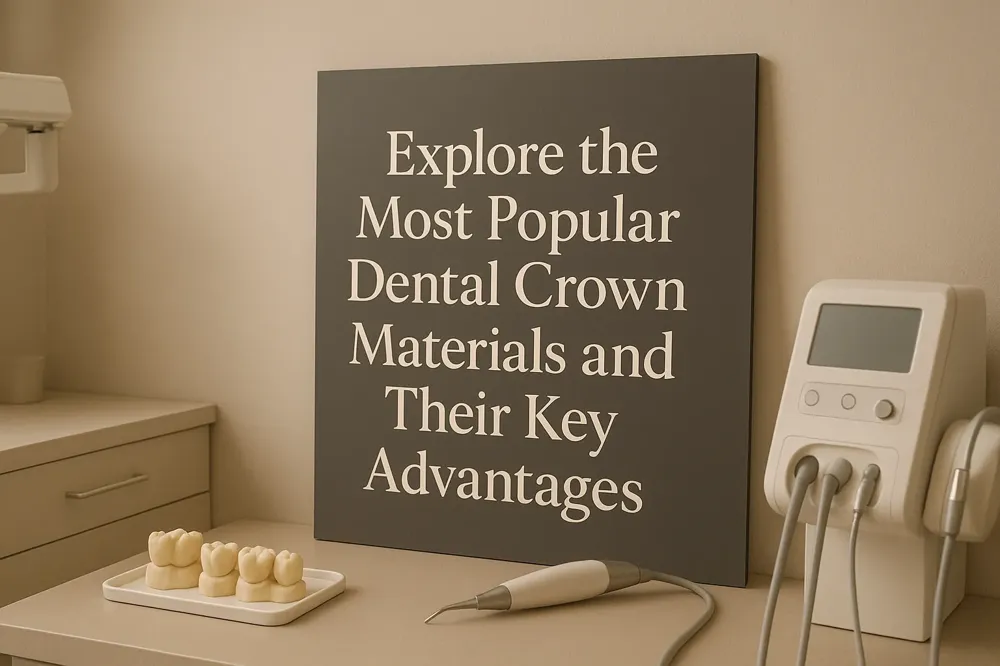
What materials are commonly used for dental crowns and what are their benefits?
Dental crowns commonly use a variety of Dental crown materials, each providing distinct benefits for dental restoration.
Metal Crowns: These are made from metals such as gold, platinum, nickel, or other Metal alloy dental crowns. Metal crowns are prized for their exceptional Durability of gold crowns and longevity. They withstand high chewing forces, making them ideal for molars and teeth in the back of the mouth where strength is paramount. Their metallic appearance, however, makes them less desirable for front teeth.
Porcelain Crowns: Porcelain dental crowns provide superior aesthetics by closely mimicking the natural translucency, color, and texture of tooth enamel. This makes them a preferred choice for front teeth where appearance is crucial. Porcelain does not conduct heat or cold well, providing comfort by reducing tooth sensitivity. However, Porcelain crowns may be more prone to chipping compared to metal crowns.
Ceramic Crowns (Zirconia): Modern ceramic crowns, particularly those made from Zirconia dental crowns, offer a blend of strength and aesthetics. Zirconia is highly durable, resistant to chipping and cracking, and biocompatible, which reduces irritation to gum tissue. Its translucency has improved, providing a more natural appearance suitable for both front and back teeth.
E.max (Lithium Disilicate) Crowns: E-max lithium disilicate crowns are lithium disilicate glass ceramics known for their excellent aesthetics and durability. They offer superior translucency and color matching, making them suitable especially for visible front teeth. While not as strong as zirconia, they provide a good balance of beauty and function.
Suitability for Different Teeth and Patient Needs
- Back Teeth (Molars and Premolars): Metal crowns and Zirconia crowns are preferred due to their superior strength and wear resistance.
- Front Teeth: Porcelain crowns and E.max crowns are commonly chosen for their unmatched natural appearance.
- Patients with Metal Sensitivities: Ceramic and porcelain crowns offer biocompatible options.
- Patients with Bruxism (Teeth Grinding): Zirconia crowns provide resilience against fracture.
Choosing the appropriate crown material involves considering tooth location, durability requirements, aesthetic goals, and patient-specific factors such as allergies or habits to optimize both function and appearance.
Comparing Zirconia, Ceramic, and Porcelain Crowns: Strength Meets Aesthetics
How do Zirconia crowns compare to Ceramic crowns and Porcelain crowns?
Zirconia crowns are renowned for their exceptional strength and durability. They are highly resistant to chipping and cracking, making them an excellent choice for both front and back teeth, particularly for patients who grind or clench their teeth (bruxism). Zirconia's toughness allows for more conservative tooth preparation and offers longevity often surpassing other crown materials.
Porcelain crowns excel in aesthetics, particularly for front teeth restorations. They mimic the translucency and color variations of natural tooth enamel, resulting in a lifelike appearance. However, porcelain is more brittle and prone to chipping compared to zirconia.
Ceramic crowns, similar to porcelain in appearance, provide a good balance between aesthetics and strength. They are metal-free and biocompatible, making them an ideal option for patients with metal allergies or sensitivities.
Advances in dental materials have significantly improved the translucency of zirconia crowns, making them closer in appearance to natural teeth while maintaining their mechanical strength. These enhancements enable zirconia crowns to offer both durable performance and improved cosmetic appeal.
When choosing a crown material, factors such as the tooth's location, patient's bite force, aesthetic preferences, and habits like bruxism should be considered. Zirconia crowns are preferred for their durability and versatility, porcelain crowns for their superior aesthetics in visible areas, and ceramic crowns for metal-free biocompatibility coupled with good appearance.
| Crown Type | Strength & Durability | Aesthetic Quality | Biocompatibility | Ideal Use Cases |
|---|---|---|---|---|
| Zirconia | Very high, resistant to chipping | Good, increasing translucency | Metal-free, highly biocompatible | Molars, bruxism patients, both front and back teeth |
| Porcelain | Moderate, prone to chipping | Excellent, natural translucency | Metal-free, biocompatible | Front teeth, high aesthetic demand areas |
| Ceramic | Moderate to high | Good, natural-looking | Metal-free, excellent for allergies | Patients sensitive to metals, aesthetic zones |
This comparison highlights how zirconia crowns combine many advantages of ceramic and porcelain crowns, particularly in strength and longevity, while recent material developments continue to enhance their aesthetic performance.
Longevity and Care: How Long Do Modern Dental Crowns Last?

How long do modern dental crowns typically last?
Modern dental crowns generally last between 10 and 30 years when properly cared for, though some can endure a lifetime. The type of material plays a major role in their durability—metal alloy dental crowns usually offer the longest lifespan often exceeding 20 years, especially on molars. Porcelain and ceramic crowns provide aesthetic advantages but tend to have shorter average lifespans, typically around 10 to 15 years, depending on use and care.
What factors influence the durability of dental crowns?
Several factors impact how long crowns last. Good oral hygiene practices like regular brushing, flossing, and professional cleanings help prevent decay at the crown margins. Avoiding damaging habits such as grinding, clenching, or biting hard objects reduces stress on the restoration. The crown's location is important; crowns on back teeth experience higher chewing forces compared to front teeth and may wear faster.
How does crown placement precision and dental expertise affect longevity?
A well-fitted crown placed by an experienced dentist significantly improves durability by reducing gaps where bacteria can cause decay or inflammation. Advances like digital impressions with intraoral scanners, CAD/CAM technology in dental crowns, and precise cementation techniques contribute to optimal fit, minimizing future complications and prolonging crown life.
What are signs of crown failure and why is timely replacement important?
Signs of issues with a crown include tooth sensitivity, pain when biting, visible chips or cracks, gum irritation, looseness, or changes in bite alignment. Prompt dental evaluation and replacement prevent further damage to the underlying tooth or surrounding tissues.
Why are regular dental check-ups and maintenance vital for crown longevity?
Routine dental visits allow early detection of crown wear or damage. Professional cleanings help maintain healthy gums and prevent plaque buildup that can undermine crown margins. Dentists can also provide protective advice like nightguards for grinders to safeguard restorations.
Adhering to these care practices and maintaining open communication with dental professionals ensures modern crowns not only restore function and aesthetics but also remain reliable for many years.
Technological Innovations Shaping the Future of Dental Crowns
What are the latest technologies in dental crowns?
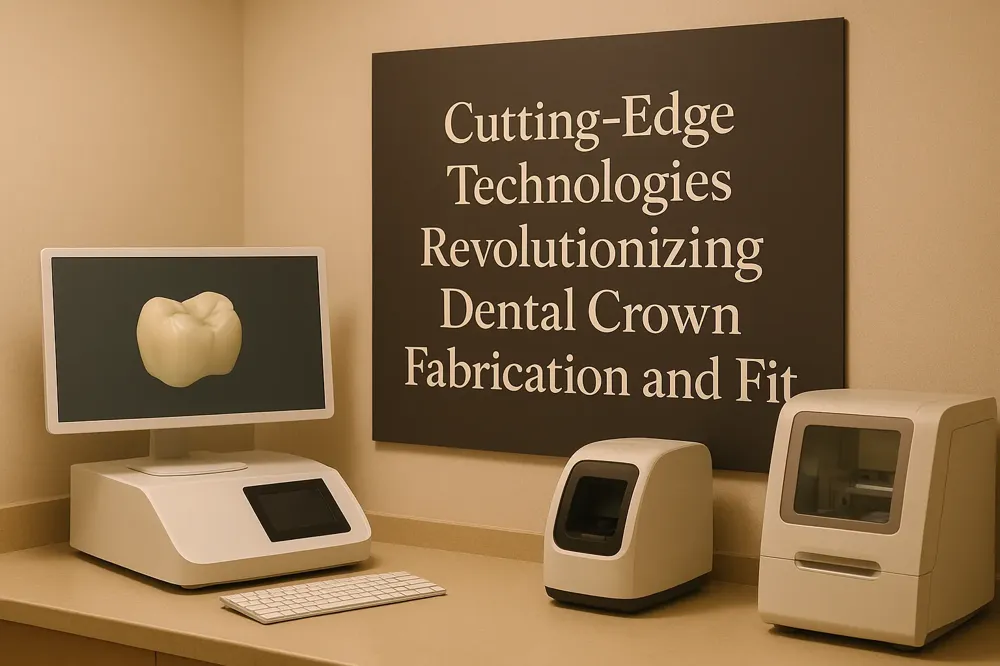
The landscape of Latest dental crown technology is rapidly evolving with digital innovation driving improvements in precision, speed, and patient experience. One of the most transformative advancements is the widespread adoption of CAD/CAM technology in dental crowns . Systems like CEREC enable dentists to capture digital impressions and fabricate crowns in a single visit. This process replaces traditional molds with Digital impressions with intraoral scanners that produce highly accurate 3D images, reducing discomfort and improving the fit of restorations.
Digital impressions and intraoral scanning replacing traditional molds
Digital impressions offer a superior alternative to conventional putty molds by generating three-dimensional models through Intraoral scanners for 3D models. This method enhances accuracy, patient comfort, and reduces chair time. Crowns designed from these digital images fit more precisely, minimizing adjustments and potential long-term issues such as decay from poor margins.
CAD/CAM technology enabling same-day crown fabrication and placement
CAD/CAM technology in dental crowns allows for computer-aided design and milling of crowns directly in the dental office. This capability permits the production of strong, well-fitting crowns—often from materials like Zirconia dental crowns or E-max lithium disilicate crowns—within hours. Patients benefit from fewer appointments, immediate restorations, and reduced need for temporary crowns.
3D printing for enhanced customization and precision
Emerging 3D printing in dental crowns technologies contribute to greater customization by fabricating intricate crown geometries that closely match individual dental anatomies. This method not only speeds production but also offers environmental benefits through material efficiency and reduced waste.
Emerging use of AI and nanotechnology in crown design and durability
Artificial intelligence is increasingly incorporated into crown design software to optimize shape, fit, and occlusion based on patient-specific data. Nanotechnology in Dental Crowns is explored to enhance material strength at the molecular level, improve translucency for a natural appearance, and develop self-healing crowns capable of repairing minor damage autonomously.
Sustainability trends reducing dental material waste
Dental technologies are embracing Eco-friendly dental crown materials, including the use of recyclable materials and biodegradable options for temporary crowns. Digital fabrication methods like CAD/CAM and 3D printing reduce resource consumption and carbon footprint by minimizing material waste and streamlining workflows.
These integrated technological advances are redefining restorative dentistry, providing dental professionals tools to deliver durable, aesthetic, and patient-centered crown solutions with improved efficiency and sustainability.
Tailoring Crown Materials to Tooth Location: Front vs Back Teeth
Which crown material is best for front teeth and which is best for back teeth?
For front teeth, materials such as E-max lithium disilicate crowns and Porcelain crowns are highly favored. These All-Ceramic crowns options provide excellent aesthetics, closely mimicking the translucency and color of natural enamel. Their lifelike appearance makes them ideal for visible areas where cosmetic appeal is paramount. Aesthetic qualities of E-max crowns further allow for precise color matching, enhancing a natural look.
In contrast, back teeth endure greater biting and chewing forces, so strength and durability become critical factors. Zirconia dental crowns stand out as a top choice for molars and premolars due to their exceptional fracture resistance and toughness. Gold dental crowns are also reliable for back teeth, offering superior durability and being gentle on opposing teeth, particularly beneficial for patients who grind or clench their teeth. However, the metallic appearance of gold crowns limits their use in visible areas.
Other considerations when selecting crown materials include bite pressure, gum health, and patient allergies—some individuals may require metal-free crowns due to sensitivities. Personalized dental consultation is crucial to account for these factors and to recommend the optimal crown material tailored to each tooth's function and visibility.
Selecting the appropriate material ensures the restoration provides both functional longevity and an aesthetically pleasing result, supporting oral health and patient confidence.
The Dental Crown Procedure and Managing Crown Failures
How long does the dental crown procedure typically take?
The dental crown procedure usually takes one or two visits depending on the technology employed. Traditional crown placement involves two appointments spaced 1 to 2 weeks apart — the first visit focuses on tooth preparation and taking impressions, and the second is for fitting and cementing the permanent crown. Each appointment varies in length but generally lasts from 30 minutes up to a few hours, with total chair time around 2 to 3 hours.
Modern digital technologies like CAD/CAM technology for crowns (for example, CEREC or E4D systems) enable the entire procedure to be completed in a single visit lasting approximately 2 to 3 hours. This includes tooth preparation, digital impressions with intraoral scanners, milling the crown from a solid block of ceramic dental crowns, and final placement. Any additional treatments, such as root canal therapy or gum health management, can extend the timeline.
What are the steps involved in the dental crown procedure?
The procedure begins with tooth preparation, where the dentist removes enough enamel to allow the crown to fit over the tooth comfortably. Next, either a traditional impression is taken or digital intraoral scanning is performed to capture precise measurements.
For traditional methods, impressions are sent to a dental lab for fabrication, requiring a temporary crown to protect the tooth in the interim. In modern setups, crowns are designed on-site via CAD software and milled from ceramic blocks within hours.
Once the permanent crown is ready, the dentist checks its fit, bite alignment, and appearance before bonding it securely with dental cement. Final adjustments and polishing ensure comfort and aesthetics.
Can dental crowns be replaced and what happens when a crown fails?
Crowns can be replaced if they become damaged, worn, loose, or improperly fitting. Failure symptoms include cracks, chips, sensitivity, discomfort on biting, gum inflammation, or visible gaps exposing the underlying tooth.
A failing crown risks tooth decay or infection beneath it, potentially necessitating root canal treatment. When replacement is needed, the old crown is carefully removed, and the tooth's condition is thoroughly evaluated. A new crown is then custom-fabricated and fitted to restore function and appearance.
Prompt intervention ensures protection of the tooth structure and alleviates pain or bite problems.
What are the disadvantages and limitations of dental crowns?
Despite their benefits, crowns require significant enamel removal, an irreversible process that can cause temporary or, rarely, lasting sensitivity.
Porcelain crowns may chip or fracture, and all crowns risk loosening if the adhesive bond weakens, increasing decay risk underneath. Poorly fitted crowns may cause bite discomfort.
Porcelain-fused-to-metal crowns might display a dark line near the gum over time, impacting aesthetics. Additionally, crowns are more costly than fillings.
Although allergic reactions to materials are rare, they remain a potential concern.
In summary, understanding both the procedure and potential risks helps patients make informed decisions and maintain their dental restorations effectively.