Introduction to Dental Crowns and Their Importance
What Are Dental Crowns?
Dental crowns are tooth-shaped caps designed to cover and protect damaged, decayed, or weakened teeth. They restore a tooth’s shape, size, strength, and appearance, helping patients maintain proper oral function and a confident smile.
Common Materials Used in Dental Crowns
Crowns come in various materials, each offering distinct advantages. Metal crowns, made from gold or other alloys, are valued for their exceptional durability, especially for molars that endure heavy chewing forces. Porcelain-fused-to-metal (PFM) crowns merge metal strength with a natural tooth-colored porcelain overlay for improved aesthetics. Ceramic and all-porcelain crowns mimic natural enamel closely, ideal for front teeth where appearance matters most. Zirconia crowns combine strength and beauty, suitable for both front and back teeth. Resin crowns are less durable and often used temporarily.
Why Crown Longevity Matters
The lifespan of a dental crown—usually between 5 and 15 years, sometimes longer—is vital for long-term oral health. Durable crowns protect underlying teeth from decay and damage, preserving overall dental function. Proper material selection, good oral hygiene, and routine dental visits all contribute to extending the life of dental crowns, ensuring they continue to support a healthy, attractive smile.
Common Materials Used in Dental Crowns and Their Lifespans
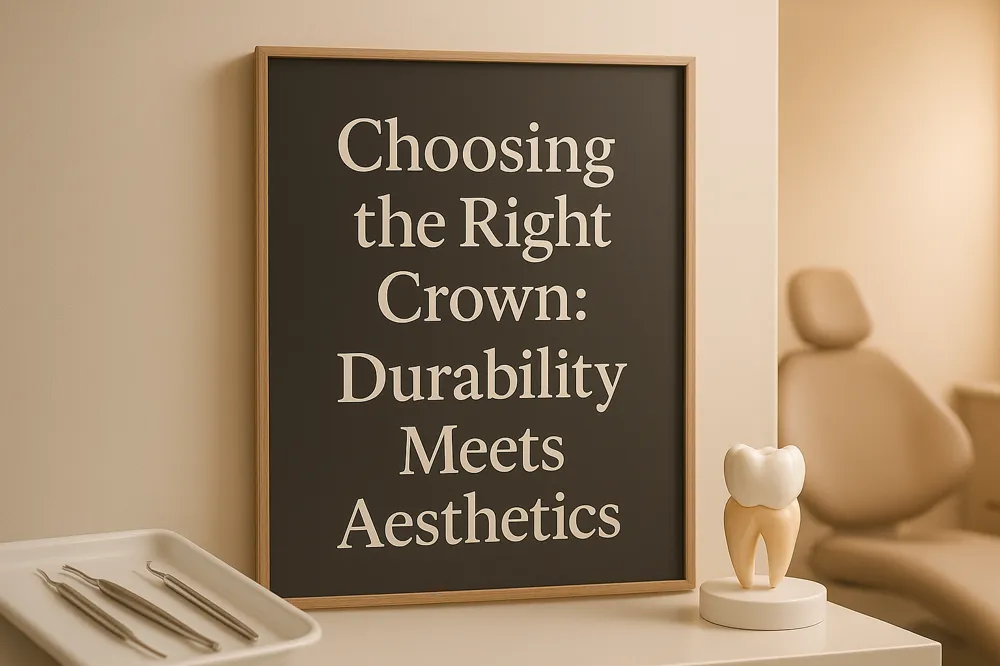
What materials are commonly used for dental crowns and how long do they last?
Dental crowns are crafted from a variety of materials, each offering different levels of durability and aesthetic appeal. The most common types include metal crowns durability, porcelain-fused-to-metal crowns, ceramic and porcelain crowns, zirconia crowns, and lithium disilicate crowns.
Metal Crowns: Metal crowns, which often contain gold or other metal alloys (such as silver or palladium), are recognized for their exceptional durability. These crowns typically last between 10 to 15 years, with many lasting up to 20 or even 30 years when properly maintained. Their strength makes them particularly suitable for molars that endure significant chewing forces. For more information, see metal crowns durability.
Porcelain-Fused-to-Metal (PFM) Crowns: PFM crowns meld the resilience of a metal core with the natural appearance of a porcelain exterior. They tend to last between 5 and 15 years, balancing strength with aesthetics. However, the porcelain overlay can chip over time, and a dark line might appear near the gumline. Learn more about porcelain-fused-to-metal crowns lifespan.
Ceramic and Porcelain Crowns: Ceramic crowns, prized for their natural tooth-like appearance, are commonly used for front teeth restorations. These crowns typically last from 5 to 15 years. While they offer excellent aesthetics, they are somewhat more fragile and may be susceptible to chipping or cracking, requiring careful maintenance. See details on ceramic dental crown longevity and ceramic crowns durability and aesthetics.
Zirconia Crowns: Zirconia crowns feature high strength and durability, comparable to metal crowns, while also providing good aesthetics. They generally last 10 to 15 years or longer and are suitable for use on both front and back teeth. Their resistance to chipping and cracking makes them a popular choice. For further reading, review zirconia crown strength and duration and durability of zirconia crowns.
Lithium Disilicate Crowns: Lithium disilicate crowns, made from a strong glass-ceramic material, offer a balance of beauty and durability. Their lifespan typically ranges from 5 to 15 years, with good care. They are favored for their translucency and natural look, especially in visible dental areas. More information can be found under lithium disilicate crowns longevity.
Influencing factors on crown durability
The overall lifespan of a dental crown depends not only on the material but also on factors such as the tooth's location (molars require more strength), the quality of oral hygiene, habits like teeth grinding, and regular dental checkups. Avoiding hard or sticky foods and promptly addressing any discomfort can significantly extend the functional life of crowns. See factors affecting dental crown duration and dental crown care tips.
| Crown Type | Typical Lifespan | Strength & Appearance Notes |
|---|---|---|
| Metal (Gold/Alloys) | 10-30+ years | Most durable, best for molars, metallic look |
| Porcelain-Fused-to-Metal | 5-15 years | Good strength with natural appearance, possible chipping |
| Ceramic/Porcelain | 5-15 years | Highly aesthetic, more fragile, front teeth use |
| Zirconia | 10-15+ years | Strong and durable, aesthetic, suitable for all teeth |
| Lithium Disilicate | 5-15 years | Aesthetic, durable glass-ceramic, best for visible teeth |
Factors Affecting the Longevity of Dental Crowns

What factors influence how long dental crowns last?
The longevity of dental crowns lifespan is shaped by several critical factors. These include the choice of material, the location of the crown in the mouth, the patient's oral hygiene and habits, the effects of teeth grinding and diet, and the expertise involved in fitting the crown.
Material properties and wear resistance
Materials like metal crowns durability (including gold and alloys) are highly durable and resistant to wear, with some lasting 20 years or more. Zirconia crowns durability offer both strength and esthetics, and can withstand heavy biting forces, making them long-lasting options. Porcelain and ceramic crowns durability provide natural appearances but are more susceptible to chipping and wear; their lifespan tends to be between 5 and 15 years. Resin crowns temporary use are less durable, often used temporarily, typically lasting less than 10 years.
Tooth location and function (front teeth vs. molars)
The position of the crown affects its durability. Molars endure stronger chewing forces and require crowns with greater strength, such as metal crowns durability or zirconia crowns durability. Front teeth crowns emphasize aesthetics and are often made from porcelain crowns or ceramic, but require more care due to greater vulnerability to chipping and pressure.
Patient oral hygiene and habits
Good oral hygiene practices—including brushing twice daily, flossing, and regular dental visits—are essential for preventing decay beneath crowns, which can shorten their dental crowns lifespan. Avoiding harmful habits such as nail-biting, chewing hard foods, and using teeth as tools lowers the risk of crown damage.
Impact of teeth grinding and diet
Bruxism or teeth grinding significantly accelerates wear and can cause cracks or fractures in crowns. Wearing a night guard is recommended to protect these restorations. Diet also plays a role; hard and sticky foods like ice, nuts, or caramel can damage or dislodge crowns over time.
Role of dental expertise and proper fitting
The skill of the dental professional fitting the crown influences its longevity. Proper crown fitting ensures a tight seal, preventing bacterial ingress and decay. Advances in dental technology, such as CAD/CAM and digital impressions, improve fit accuracy, enhancing durability.
Maintaining crowns involves a combination of choosing the right material suited to the tooth’s function and location, practicing excellent oral hygiene, managing harmful habits, and receiving professional dental care to monitor and maintain the restoration’s condition.
| Factor | Impact on Longevity | Notes |
|---|---|---|
| Material | Determines strength and wear resistance | Metals and zirconia last longest |
| Tooth Location | Molars need durable crowns; front teeth need aesthetics | Varies in chewing force and exposure |
| Oral Hygiene | Prevents decay under the crown | Includes brushing, flossing, and checkups |
| Habits | Grinding or biting hard objects wears crowns faster | Night guards can mitigate grinding |
| Professional Fitting | Ensures proper seal and fit | Advances like digital scanning improve outcomes |
Comparative Strength and Aesthetic Considerations of Crown Materials
How do crown materials compare in strength and appearance?
When selecting a dental crown, both strength of dental crowns and aesthetic appeal play crucial roles. Metal crowns durability , often made from gold or alloys, stand out as the strongest and most durable option. Their resilience makes them especially suitable for molars, which endure heavy chewing forces. However, their metallic appearance limits their use in visible areas like front teeth.
Porcelain and ceramic crowns durability and aesthetics excel in aesthetics by closely mimicking the natural color and translucency of real teeth. This makes them the preferred choice for front teeth restorations where appearance is paramount. Despite their beauty, these materials are more fragile and prone to chipping compared to metal.
Zirconia crowns features bridge the gap between strength and aesthetics effectively. They offer a durability comparable to metal crowns but with a translucent, tooth-like appearance that makes them versatile for both front and back teeth. One drawback is their hardness, which can cause wear on opposing natural teeth over time.
Additional considerations
-
Wear on opposing teeth: Zirconia's hardness can lead to enamel wear and dental crowns on opposing teeth, which calls for careful consideration especially in patients with sensitive enamel.
-
Suitability by tooth location: Metal crowns are best suited for molars due to their strength , porcelain and ceramic crowns are ideal for front teeth due to their natural look, and zirconia crowns can be used universally.
-
Technological advances: Same-day dental crowns with CAD/CAM technology enables the creation of ceramic crowns in a single dental visit, enhancing convenience without sacrificing precision and fit.
This combination of strength, aesthetics, and modern fabrication techniques provides patients and dentists with tailored options to restore dental health effectively while preserving appearance.
Care and Maintenance Tips to Extend Crown Lifespan
What care practices help dental crowns last longer?
Maintaining dental crowns for the long term requires consistent and careful attention. The foundation of crown longevity is daily oral hygiene. Brushing twice daily and flossing are crucial to prevent decay and gum disease around the crown's margins.
Avoiding certain foods can significantly reduce the risk of damage. Hard foods such as nuts, ice, and crunchy candies may chip or loosen crowns, while sticky or chewy items can dislodge them.
For those who grind or clench their teeth, often during sleep, wearing a night guard is essential. This protective device minimizes excessive wear and protects crowns from cracking or breaking.
Regular dental visits allow professionals to assess the crown's condition and the health of underlying teeth. Dentists can detect early signs of problems, such as looseness, cracks, or wear, and recommend timely repairs or replacements.
Recognizing warning signs yourself is also important. Pain, sensitivity, visible damage, or a feeling that the crown is loose should prompt an immediate dental consultation to avoid more serious complications.
By following these care practices, patients can help ensure their dental crowns lifespan remain functional and attractive for many years.
Choosing the Right Crown: Personalized Options at a Modern Dental Practice
What factors influence the choice of dental crown materials?
Choosing the right dental crown involves several personal and clinical considerations. Important factors include the tooth's location — molars may require stronger, metal-based crowns for durability, while front teeth often benefit from ceramic or porcelain crowns for a natural look. Aesthetic preferences strongly affect material choice; patients seeking a tooth-colored appearance often lean towards ceramic or zirconia crowns. Budget also plays a significant role, with metal crowns typically lasting longer but costing more. Additionally, patients with metal allergies may prefer all-ceramic or zirconia crowns to avoid allergic reactions.
How does dental consultation support personalized crown selection?
A thorough dental consultation ensures a crown treatment plan tailored to the patient’s unique needs. Dentists assess oral health, discuss aesthetic goals, review lifestyle habits, and factor in any allergies or sensitivities. This personalized approach results in selecting a crown material balancing durability, appearance, and cost-effectiveness. Patients are better informed about maintenance requirements and expected lifespan, ensuring satisfaction and longevity.
What comprehensive services do modern dental practices like Empower Your Smile offer?
Modern practices such as Empower Your Smile deliver a broad spectrum of care, including:
- General dentistry: cleanings, exams, emergency care
- Restorative treatments: crowns, implants, periodontics
- Cosmetic procedures: veneers, teeth whitening, smile makeovers
- Advanced technology: CEREC CAD/CAM for same-day crowns, digital X-rays
Such comprehensive offerings allow seamless management of oral health with high precision and efficiency.
Why is it beneficial to have specialists and comprehensive services under one roof?
Housing multiple dental specialists and technologies within a single practice promotes coordinated care. It enables:
- Efficient collaboration across specialties for complex cases
- Reduction of referrals and multiple appointments
- Streamlined treatment plans, saving time and reducing stress
- Access to advanced diagnostics enhancing accuracy
This integrated model significantly improves patient convenience and treatment outcomes.
How do advanced technologies optimize crown fitting and patient comfort?
Innovations like 3D intraoral scanners and CAD/CAM systems allow for precise digital impressions and rapid fabrication of crowns. These technologies minimize discomfort by reducing the need for traditional molds and enable:
- Single-visit crown placement with minimal adjustments
- Customized crowns matching natural teeth shape and color
- Enhanced treatment accuracy, reducing the risk of fitting issues
Additionally, sedation dentistry options further enhance patient comfort during procedures.
In summary, choosing the right dental crown is a highly individualized process supported by personalized consultations and advanced practice capabilities. Modern practices committed to integrated, technology-driven care provide patients with long-lasting, comfortable, and aesthetically pleasing dental restorations.
Understanding Sedation Dentistry and Its Role in Comfortable Care
What is sedation dentistry and how does it help patients during dental procedures?
Sedation dentistry involves the use of medications to help patients relax during dental treatments. Common forms include nitrous oxide (laughing gas), oral sedatives, and intravenous (IV) sedation. These methods reduce anxiety and discomfort, making dental care more accessible for those who experience fear or have a low pain tolerance.
Benefits for anxious or sensitive patients
For patients with dental anxiety or sensitivity, sedation dentistry can transform the dental experience by alleviating stress and promoting calmness. This allows for cooperation during procedures that might otherwise be too overwhelming.
Application during lengthy or complex procedures
Sedation is especially useful for extensive treatments or those requiring prolonged time in the chair. It ensures patient comfort, enabling dentists to work efficiently without interruptions caused by discomfort or anxiety.
Safety considerations and recovery
The choice of sedation level depends on the patient's health, anxiety level, and procedure complexity. Recovery time varies from immediate, as with nitrous oxide, to several hours or up to 24 hours with deeper sedation. Patients need to follow pre-appointment instructions and arrange transportation home as needed.
How sedation dentistry fits into modern dental experiences
In modern dentistry, sedation is an important tool enhancing patient comfort and care quality. It helps overcome barriers to treatment, improves patient cooperation, and contributes to positive dental visits, fostering better oral health outcomes.
Conclusion: Selecting Durable Dental Crowns for a Lasting Smile
Understanding Material Durability and Maintenance
Choosing the right dental crown material greatly affects how long your crown will last. Metals like gold are the most durable, often lasting 20 years or more. Zirconia offers impressive strength and longevity, suitable for both front and back teeth. Porcelain and ceramic crowns provide excellent aesthetics but typically last 5 to 15 years and require diligent care to prevent chipping and wear.
Maintaining good oral hygiene, avoiding hard or sticky foods, and managing habits like teeth grinding are essential to extend crown life. Regular dental visits are equally critical to monitor crown condition and catch any issues early.
Working with Dental Professionals
Every patient’s needs differ, making consultation with your dentist vital. Dental professionals consider factors like tooth location, cosmetic preference, budget, and material allergies to recommend the most suitable crown.
Advanced Technologies Enhance Personalization
Modern dental technologies, including digital impressions and same-day crown fabrication, allow for precise fits and quicker treatment, improving comfort and durability.
Final Tips for Longevity
Brush twice daily, floss regularly, avoid harmful habits, and attend routine check-ups. With proper care and professional guidance, your dental crown can protect your smile effectively for many years.