Introduction to Dental Implants and Their Rising Importance
Definition of Dental Implants
Dental implants are small screw-like posts, typically made of biocompatible materials such as titanium or zirconia, that are surgically placed into the jawbone. They act as artificial tooth roots, providing a stable foundation for replacement teeth like crowns, bridges, or implant-supported dentures. Through the process of osseointegration, implants fuse directly with the jawbone, ensuring durable support and preventing bone deterioration often caused by missing teeth.
General Benefits of Dental Implants
Dental implants closely mimic natural teeth in both appearance and function, offering improved comfort and confidence when eating, speaking, or smiling. They preserve jawbone health by stimulating bone growth, which helps maintain facial structure and prevents bone loss. With success rates exceeding 95% and longevity often spanning decades or a lifetime, implants represent a reliable, cost-effective, and aesthetic solution for tooth replacement. Unlike dentures or bridges, implants do not affect adjacent teeth and require minimal maintenance comparable to natural teeth.
Role of Periodontists in Implant Dentistry
Periodontists are dental specialists focused on the health of gums and supporting bone structures. They play a crucial role in implant dentistry by diagnosing and treating gum disease, preparing patients for implant surgery, and performing precise surgical placement of implants. Their expertise ensures healthier healing, reduces the risk of complications, and contributes to the long-term success of dental implants. Working with a periodontist is especially important for patients with advanced gum disease or bone loss, as they utilize advanced techniques like bone grafting and minimally invasive surgery to optimize outcomes.
Understanding Dental Implants: Types, Materials, and Procedures
What are dental implants and what advancements have been made in implant dentistry?
Dental implants serve as artificial tooth roots surgically anchored in the jawbone to support replacement teeth. These implants mimic natural teeth in function and appearance, providing a stable, durable, and long-lasting solution for missing teeth. Recent technological advances have transformed implant dentistry, incorporating sophisticated imaging techniques like 3D cone beam computed tomography (CBCT), 3D printing, and computer-guided surgery. These tools enable high-precision implant planning and placement with improved accuracy, reduced trauma, and better patient outcomes.
What is the osseointegration process?
Osseointegration is the biological process through which the dental implant forms a stable and durable connection by fusing directly with the jawbone. This fusion creates a strong foundation enabling the implant to function like a natural tooth root, supporting crowns, bridges, or dentures. Titanium and zirconia, common implant materials, exhibit excellent biocompatibility to promote this bone integration, which also helps preserve jawbone density and facial structure by stimulating bone growth.
What materials are used for dental implants?
- Titanium: The traditional gold standard, known for strength, durability, and excellent bone bonding properties.
- Zirconia: A newer, metal-free ceramic alternative offering natural tooth-like color, corrosion resistance, and ideal for patients with metal sensitivities or aesthetic concerns.
Both materials are extensively tested for biocompatibility, ensuring safety and longevity.
What are the main types of dental implants available?
| Implant Type | Description | Best For |
|---|---|---|
| Endosteal | Screw-shaped posts inserted directly into jawbone | Most common; suitable for adequate bone density |
| Subperiosteal | Metal framework placed atop the jawbone under gums | Patients with insufficient bone height avoiding grafts |
| Zygomatic | Longer implants anchored in the cheekbone | Severe upper jaw bone loss where traditional implants fail |
Selection depends on jawbone condition and clinical needs.
What are the surgical and restorative steps involved?
Dental implant treatment typically involves these stages:
- Consultation & Imaging: Medical assessment and digital imaging (3D scans) to plan treatment.
- Surgical Placement: Under anesthesia, implant posts (titanium or zirconia) are inserted into the jawbone or respective site.
- Healing & Osseointegration: A healing period lasting weeks to months allows bone fusion, ensuring implant stability.
- Abutment Placement: A connector piece (abutment) is attached to the implant.
- Restoration: Custom crowns, bridges, or dentures are affixed, restoring function and aesthetics.
Modern advances, including computer-guided surgery and minimally invasive techniques, allow faster recovery and enhanced precision during these steps.
Advantages and Limitations of Dental Implants Compared to Other Options
What advantages do dental implants offer compared to other tooth replacement options?
dental implants provide several advantages over traditional dentures and bridges. Unlike dentures, implants are permanently fixed into the jawbone, mimicking the natural tooth root. This secure anchorage offers stability and functionality similar to real teeth, allowing for better chewing efficiency and comfort. Implants prevent bone loss often seen with dentures and bridges because they stimulate the jawbone through natural biting forces, preserving facial structure and preventing a sunken appearance.
dental implants also avoid altering adjacent teeth, a common requirement for bridges, helping maintain the integrity of surrounding natural teeth. They do not require removal for sleeping or cleaning, unlike dentures, making their care routine similar to that of natural teeth. With proper maintenance, dental implants can last 10 years or more, and often a lifetime, making them a durable, long-lasting investment in oral health and aesthetics.
What are the common disadvantages or reasons some people may choose not to get dental implants?
Despite their benefits, dental implants have some limitations. Adequate jawbone density is required for proper implant placement; significant bone loss may require additional procedures like bone grafting, increasing treatment complexity and cost. Certain health conditions including diabetes, osteoporosis, or immunocompromised states can impair healing and reduce implant success.
Cost is a common barrier, as implants typically have higher upfront expenses than dentures or bridges. The treatment process spans several months, involving consultations, surgery, healing time for osseointegration, and restoration, which can be inconvenient for some.
Lifestyle factors such as smoking and uncontrolled health issues may disqualify patients from candidacy due to risks of complications. Additionally, implants are not typically recommended for very young patients whose jawbones are still developing.
| Aspect | Benefits of Dental Implants | Limitations of Dental Implants |
|---|---|---|
| Stability & Function | Mimic natural teeth, excellent chewing ability | Requires adequate bone density |
| Jawbone & Facial Preservation | Prevent bone loss and facial sagging | Bone grafting may be needed for insufficient bone |
| Longevity | Can last 10+ years to lifetime with care | Longer treatment timeline, multi-stage process |
| Impact on Adjacent Teeth | No alteration needed; preserves surrounding teeth | Not suitable for everyone due to health factors |
| Cost | Long-term cost-effective despite higher upfront costs | Higher initial expense compared to dentures or bridges |
In summary, dental implants stand out as a stable, natural-feeling, and long-lasting solution for tooth replacement but require careful patient selection and an investment in time and money.
The Vital Role of Periodontists in Dental Implant Success
Definition and training of periodontists
Periodontists are dental specialists who focus on the health of the gums and the bone that supports teeth. Their advanced training goes beyond general dentistry, encompassing surgical and non-surgical treatments for gum disease and procedures necessary for dental implant success rates.
Periodontist expertise in gums and jawbone health
A crucial aspect of dental implants relies on strong, healthy gums and jawbone. Periodontists have expert knowledge in diagnosing and treating conditions that affect these tissues, ensuring a stable foundation for dental implants. Their skill in managing the periodontium—the complex of gums, bone, and connective tissue—is vital to maintaining oral health before and after implant placement surgery.
Treatment of gum disease before implants
Before dental implants can be placed safely, any existing gum disease must be treated. Periodontists specialize in this care, using therapies like scaling, root planing, and surgical interventions to eliminate infections and restore tissue health. Addressing gum disease reduces the risk of infections compromising implant stability (Periodontal disease overview).
Implant surgical placement by periodontists
Periodontists are highly skilled in the surgical placement of dental implants. Their training ensures precision in placing the titanium or ceramic posts into the jawbone, optimizing integration through osseointegration. Their comprehensive understanding of gum and bone anatomy contributes to successful implant surgery and healing (healing and restoration process).
Monitoring and managing implant complications
After implant placement, periodontists continue to play a key role by monitoring the site for any signs of complications such as infection or implant failure. Their expertise enables early detection and treatment of problems, ensuring the longevity of the implant (implant success rates). This ongoing care is especially critical in patients with previous gum disease or complex oral health needs (Periodontal disease causes and effects).
Can a periodontist perform dental implant procedures?
Yes, periodontists are specifically trained to perform dental implant procedures. Their expertise in the supporting structures of teeth ensures that implant surgeries are conducted effectively and with minimal discomfort. Periodontists not only place implants but also manage infections and complications, offering comprehensive care that enhances implant success rates, particularly in patients with advanced gum disease or bone loss.
| Aspect | Role of Periodontist | Importance |
|---|---|---|
| Training | Specialized in gums and jawbone health | Ensures safe, effective implant care |
| Gum disease treatment | Manages infections pre-implant (Periodontal treatment options | Reduces implant failure risk |
| Surgical placement | Precise implant insertion | Promotes osseointegration and healing |
| Implant monitoring | Detects/treats complications (dental implant complications | Maintains long-term implant stability |
Emerging Technologies and Innovations in Dental Implantology
What Are the New Technologies in Dental Implantology?
Several groundbreaking dental implant technologies have emerged recently and look promising for the future of tooth replacement. These innovations focus on enhancing precision, comfort, and long-term outcomes.
How Are Digital Dentistry Advances Improving Implants?
Digital dentistry tools like 3D imaging (cone-beam computed tomography or CBCT) and CAD/CAM software enable highly detailed visualization and planning. These technologies allow dentists to map the jawbone accurately and design customized implants and restorations, improving fit and aesthetics.
What Is Computer-Guided and Robotic Implant Surgery?
Computer-guided surgery integrates 3D imaging with surgical planning software, enabling implant placement with sub-millimeter precision. Robotic-assisted systems further enhance this accuracy, minimizing surgical trauma and optimizing implant positioning. These methods reduce recovery times and improve success rates.
Are There Smart Implants With Sensors?
Yes. Smart implants equipped with embedded sensors can monitor the health of the implant site and surrounding tissues in real time. They can detect early signs of complications like infection or implant instability and provide continuous feedback to patients and clinicians, facilitating timely interventions.
What New Materials Are Being Used?
Zirconia implants are gaining popularity as a metal-free, highly biocompatible alternative to traditional titanium. Alongside this, bioactive materials and coatings—including nano-textured surfaces—promote faster and stronger osseointegration, enhancing stability and patient comfort, especially for those with metal sensitivities.
How Are Regenerative Techniques Enhancing Implant Care?
Techniques involving stem cells and growth factors help regenerate bone and soft tissue around implants. These advances improve healing, especially in patients with bone loss, broadening eligibility for implant procedures and accelerating recovery. Learn more about regenerative techniques and stem cell therapies.
What About Minimally Invasive and Same-Day Implant Procedures?
Minimally invasive surgeries like flapless implant placement reduce discomfort and healing time. Combined with digital workflows and 3D printing, some patients can receive implants and temporary restorations in a single visit (same-day implants), making treatment faster and more convenient.
Overall, these innovations aim to increase implant success rates beyond 95%, reduce patient recovery time, and offer natural, long-lasting solutions for tooth replacement.
The Future Outlook: Potential for Tooth Regeneration and Comprehensive Care
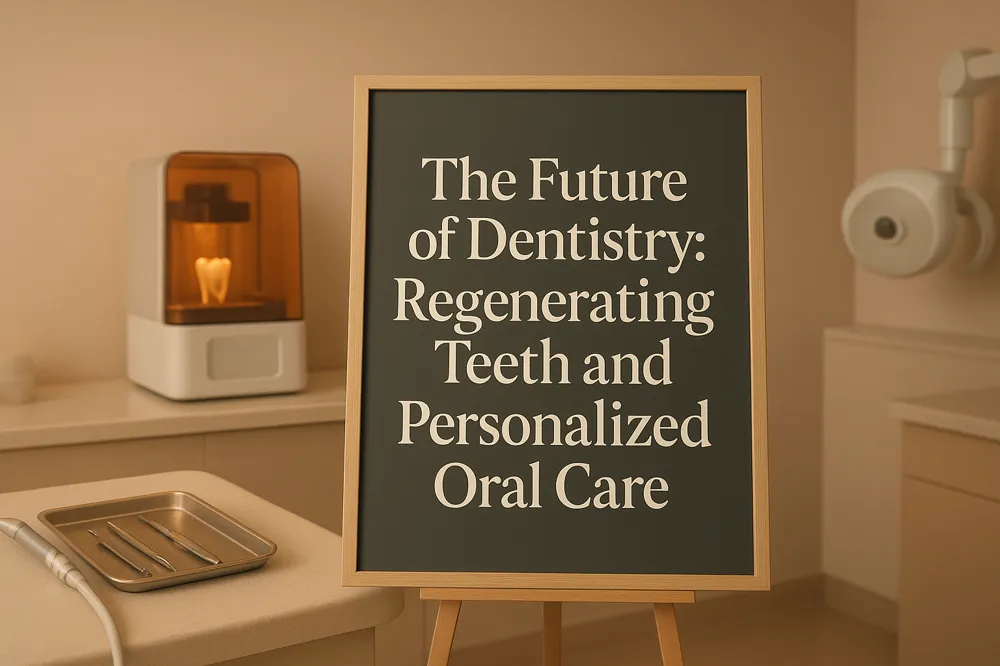
Is it possible that humans will be able to regrow teeth in the near future?
Recent advances in regenerative dental research provide hopeful insight into the potential for human tooth regrowth. Pioneering scientific studies, particularly emerging from Japan, have identified molecules like USAG-1 that inhibit natural tooth growth by blocking critical signaling pathways such as Wnt and BMP. By targeting USAG-1 with gene-based antibody therapies, researchers have successfully stimulated new tooth formation in animals including mice, ferrets, pigs, and dogs.
These promising animal model results suggest that tooth regeneration therapies could become a viable treatment for adults with congenital missing teeth or tooth loss. Japanese scientists are currently progressing toward human clinical trials with an aim to develop safe and effective regenerative treatments by approximately 2030. If successful, this innovation could revolutionize dental care by eventually eliminating the need for dentures or dental implants.
What role do bioactive coatings and nanotechnology play in dental implant advancements?
Advances in bioactive coatings and nanotechnology are enhancing implant integration and stability. Bioactive surfaces on implants can release growth factors and antimicrobial agents to promote faster healing and reduce infection risk. Nanostructured implant surfaces improve tissue integration by increasing bone cell attachment and growth, thus shortening healing times and boosting long-term success. Learn more about advancements in dental implant technology and biocompatible implant materials.
How does comprehensive treatment combine implants with periodontal care?
Advanced dental care integrates implant therapy with periodontal treatment to ensure lasting oral health. Periodontists specialize in managing gum health and treating periodontal disease, which is critical before implant placement to prevent complications. Combining therapies helps restore both the supporting tissues and the dental prosthetics, improving function, aesthetics, and patient confidence. For more information, visit RVA Periodontics and Dental Implant Center and learn about periodontics and dental implants.
Why are patient-centered approaches and personalized treatment plans important in modern dental implantology?
Personalized care tailors treatment plans to individual needs, health status, and preferences, maximizing success rates and patient satisfaction. Cutting-edge diagnostics, including 3D imaging and digital planning support customized implant placement. Patient education and comfort considerations, such as minimally invasive techniques and sedation options, also promote positive experiences and outcomes.
What is the importance of maintenance and patient education post-implant placement?
Educating patients on proper oral hygiene and the necessity of regular dental visits is vital for implant longevity. Maintenance prevents peri-implant diseases and ensures early detection of potential issues. Long-term success depends on proactive care and lifestyle choices, making patient responsibility a core component of durable implant therapy. Explore detailed guidance at My Cleveland Clinic dental implants overview and the importance of implant maintenance tips.