Introduction: Your Investment in a Confident Smile
What Are Dental Veneers?
Dental veneers are ultra-thin, custom-made shells. They are typically crafted from porcelain or composite resin. These shells are bonded to the front surfaces of teeth. Their primary purpose is to dramatically improve the appearance of your smile.
The Scope of a Smile Transformation
Veneers address a wide range of cosmetic dental concerns. They are expertly designed to cover discoloration that whitening cannot fix. They can mask chips, close small gaps between teeth, and correct misshapen or slightly misaligned teeth. This makes them a versatile solution for achieving a uniform, bright smile.
A Valuable Investment
Choosing dental veneers is a significant investment in both your oral health and your self-confidence. The procedure represents a commitment to enhancing your personal appearance. The results offer a long-term improvement to your smile's aesthetics and function.
The Foundation of Longevity
The beauty and durability of your veneers are not guaranteed by the procedure alone. Their longevity depends almost entirely on the care they receive after placement. Proper maintenance is the key to protecting your investment and ensuring your smile remains radiant for years to come.
| Veneer Material | Primary Characteristics | Typical Lifespan with Care |
|---|---|---|
| Porcelain | Highly durable, stain-resistant, natural translucence | 10 to 15+ years |
| Composite Resin | More affordable, easier to repair, less stain-resistant | 4 to 8 years |
Understanding Your Veneers: Materials and Lifespan
Understanding Porcelain and Composite Veneers
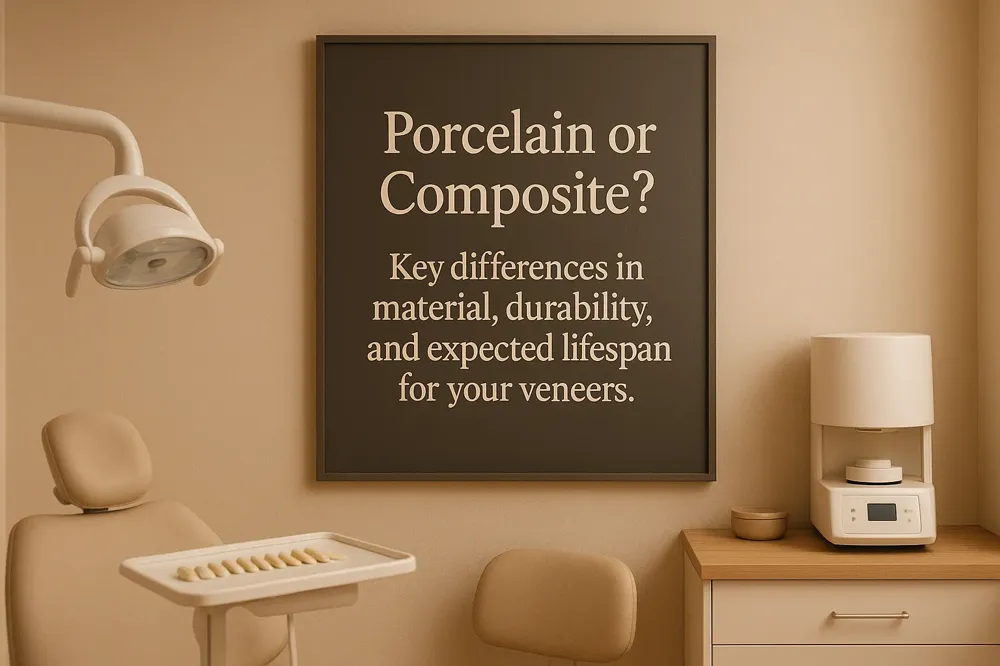
Dental veneers are wafer-thin shells primarily crafted from two materials, each offering distinct benefits. Porcelain veneers are the most common and are considered the gold standard in cosmetic dentistry. They are highly durable and stain-resistant, and are designed to mimic the natural translucence of your tooth enamel.
Composite resin veneers present a more affordable alternative. They can be an excellent choice for minor cosmetic adjustments and are typically easier to repair if chipped. However, they are less durable overall and more susceptible to staining over time. Other types, like no-prep or snap-on veneers, exist for specific cases but are less common for permanent daily wear.
Expected Lifespan of Your Veneers
How long do veneers last? With proper care, porcelain veneers typically last between 10 to 15 years. Many patients enjoy them for 20 years or more with excellent maintenance. This lifespan is a result of the material's inherent strength and stain resistance.
The lifespan for composite resin veneers is shorter, generally ranging from 4 to 8 years, with many sources citing 5 to 7 years as typical. This shorter duration reflects the material's greater susceptibility to wear and discoloration.
Factors That Influence Durability
The longevity of both porcelain and composite veneers is not guaranteed. It depends heavily on several interconnected factors beyond just the material.
Your daily oral hygiene routine is foundational. Maintaining oral hygiene with veneers and brushing twice daily for two minutes with a soft-bristled toothbrush are essential. Your diet and lifestyle; frequent consumption of staining foods and drinks or habits like smoking can shorten a veneer's life, especially for composite types.
Physical habits play a major role. Avoiding chewing on hard objects, using teeth as tools, and managing teeth grinding with a nightguard are crucial for protection. Finally, the initial quality of the work—the skill of your dentist and the materials used—sets the stage for long-term success.
| Veneer Material | Key Characteristics | Typical Lifespan | Primary Considerations |
|---|---|---|---|
| Porcelain | Highly durable, stain-resistant, natural aesthetic. | 10 to 15+ years | Higher initial cost, requires minimal enamel prep. |
| Composite Resin | More affordable, easier to repair. | 4 to 8 years | More prone to stains, less durable over time. |
The Daily Care Blueprint: Hygiene and Habits

What is a daily care routine for porcelain veneers?
Maintaining porcelain veneers requires a dedicated, gentle daily routine. This regimen not only preserves their stain-resistant shine but also protects the underlying natural teeth and surrounding gums. A robust routine combines proper brushing, thorough flossing, and mindful habits to prevent damage.
The Core Components of Daily Veneer Care
Your daily care should focus on effective plaque removal without harming the porcelain surface or the bonding adhesive. Consistency is more important than aggressive cleaning, as harsh techniques can cause scratches and dullness over time.
Brushing: Technique and Tools
Brushing twice daily is non-negotiable. Always use a soft-bristled toothbrush and a non-abrasive fluoride toothpaste. Avoid whitening, charcoal, or baking soda pastes, as their gritty particles can scratch the glossy finish of the veneers.
Employ gentle, circular motions with light pressure, paying special attention to the gumline where the veneer meets the tooth. This area is prone to plaque buildup, which can lead to gum inflammation and recession if neglected.
Flossing: Gentle and Consistent
Flossing daily is essential to remove plaque and food debris from between your veneers and natural teeth. Use a gentle floss, such as waxed floss or PTFE floss, which slides smoothly without shredding.
Alternatively, a water flosser can be an effective and gentle tool. The goal is to clean these tight spaces thoroughly to prevent decay at the edges of the veneers and maintain optimal gum health.
Mouthwash: A Supportive Rinse
An alcohol-free, fluoride mouthwash is the ideal choice. The fluoride helps strengthen tooth enamel, while the alcohol-free formula ensures the adhesive bond holding the veneers is not weakened over time. Use it as a final step after brushing and flossing.
The Importance of the "2-2-2 Rule"
The "2-2-2 rule" provides a simple framework for excellent oral health: brush your teeth twice a day for two minutes each time, and visit your dentist for a checkup and cleaning twice a year.
This rule is vital for veneer care because consistent, two-minute brushing sessions ensure all plaque is removed before it hardens into tartar. Tartar cannot be removed by brushing alone and requires professional cleaning.
The biannual dental visits are critical for monitoring the veneers' condition, professionally removing any tartar buildup, and catching potential issues like minor chips or early gum disease before they become serious problems.
Maintaining Your Tools
A worn-out toothbrush with frayed bristles is ineffective and can be abrasive. Replace your soft-bristled toothbrush every three to four months, or sooner if the bristles show signs of wear. This ensures your cleaning remains both gentle and effective.
Daily Habits for Veneer Longevity
Beyond cleaning, your daily habits directly impact your veneers. Avoid using your teeth as tools to open packages or bite nails. Be mindful of hard foods; cut apples or carrots into pieces instead of biting into them directly.
Limit consumption of stain-causing beverages like coffee, red wine, and tea. If you do indulge, rinsing your mouth with water immediately afterward can help wash away pigments before they have a chance to adhere.
| Care Component | Recommended Tool/Product | Key Action | Reason & Benefit |
|---|---|---|---|
| Brushing | Soft-bristle brush, Non-abrasive fluoride paste | Gentle circular motions for 2 mins, 2x/day | Removes plaque without scratching veneers; protects gumline |
| Flossing | Waxed floss, PTFE floss, or Water flosser | Gentle daily cleaning between teeth | Prevents plaque buildup at veneer edges; maintains gum health |
| Rinsing | Alcohol-free fluoride mouthwash | Use after brushing and flossing | Strengthens enamel; doesn't compromise adhesive bond |
| Tool Maintenance | New soft-bristled toothbrush | Replace every 3-4 months | Ensures effective, non-damaging cleaning |
| Professional Care | Dental hygienist & dentist | Schedule checkups & cleanings 2x/year | Removes tartar; early detection of wear or gum issues |
| Habit Management | Mindfulness | Avoid teeth as tools; cut hard foods | Prevents chipping, cracking, or loosening of veneers |
Protective Practices: What to Avoid and What to Use
Daily Habits to Maintain Veneer Integrity
Adopting mindful daily habits is crucial for protecting your dental veneers. Veneers are durable but not indestructible; they require the same, if not more, careful attention as natural teeth. Avoid using your teeth as tools for tasks like opening packages, biting nails, or chewing on pen caps. These actions can place excessive force on the thin shells, leading to chips, cracks, or a compromised bond. Similarly, be cautious with hard foods such as ice cubes, hard candy, nuts, and popcorn kernels. For items like apples, cut them into smaller pieces before eating to prevent direct impact on your veneers.
Dietary Considerations for Long-Lasting Brilliance
Your diet directly impacts the appearance and longevity of dental veneers. Sticky or chewy foods like caramel and taffy can pull on the veneers over time, potentially loosening them. It's best to avoid these or brush your teeth soon after consumption. For stain prevention for veneers, limit intake of pigmented foods and drinks including coffee, black tea, red wine, berries, and soy sauce. When you do consume them, using a straw can minimize contact with your front teeth. Rinsing your mouth with water immediately afterward helps wash away pigments before they settle.
The Impact of Smoking and Tobacco Use
Tobacco use is highly detrimental to veneers and overall oral health. Smoking can stain both composite and, to a lesser extent, porcelain veneers, particularly at the edges where the bonding material is exposed. More importantly, it significantly increases the risk of gum disease, which can lead to gum recession. Receding gums expose the margins of the veneers, compromising their aesthetic appeal and the health of the underlying tooth structure. Quitting smoking is one of the most beneficial steps for preserving your smile investment.
Essential Protective Gear for Specific Risks
For individuals with bruxism (teeth grinding or clenching), a custom-fitted nightguard for bruxism and veneers is non-negotiable. This dental appliance absorbs the immense forces generated during sleep, protecting your veneers from fractures, chips, and premature wear. Similarly, if you participate in contact sports or any activity with a risk of facial impact, a custom mouthguard for sports with veneers provides superior protection compared to store-bought versions. This gear shields both your natural teeth and veneers from traumatic damage.
Products and Treatments to Use with Caution
It is vital to avoid using at-home whitening products, such as strips, gels, or abrasive whitening toothpastes, on your veneers. These products are formulated for natural tooth enamel and contain chemicals or gritty abrasives that can damage the polished surface of porcelain or composite. They will not lighten the veneer material itself and may only lead to an uneven appearance. Always consult your dentist for professional advice on maintaining or enhancing the color of your smile. They can perform safe polishing or discuss other options.
| Practice to Avoid | Potential Consequence | Recommended Alternative |
|---|---|---|
| Using teeth as tools (open packages) | Chips, cracks, bond failure | Use proper tools like scissors |
| Chewing hard foods (ice, candy) | Fractures, surface damage | Cut food, chew with back teeth |
| Consuming sticky foods (taffy) | Veneer loosening over time | Avoid or brush soon after eating |
| High intake of staining drinks | Discoloration at edges | Use a straw, rinse with water |
| Smoking or tobacco use | Staining, gum disease | Seek support to quit |
| Grinding teeth without a guard | Severe wear, cracking | Wear a custom nightguard |
| Using at-home whitening kits | Surface damage, no benefit | Consult dentist for safe options |
The Role of Professional Care and Recognizing Problems
Regular Dental Checkups Are Crucial
Schedule professional cleanings and examinations every six months. These appointments are essential for maintaining the longevity of your dental veneers and your overall oral health.
During these visits, hygienists use specialized tools to safely remove plaque and tartar from around the veneer edges. They also polish the surface to maintain its shine. Your dentist will conduct a thorough inspection of your veneers and the surrounding teeth and gums.
What Happens During a Professional Cleaning and Checkup?
The dental team will check for early signs of wear, damage, and changes in your oral environment. This proactive monitoring for veneers allows for simple interventions before minor issues become major problems.
| Professional Care Aspect | Tools & Techniques Used | Purpose & Benefit for Veneers |
|---|---|---|
| Cleaning & Polishing | Ultrasonic scalers, specialized polishing pastes, gentle hand instruments | Safely removes plaque/tartar buildup; restores surface shine without damaging veneers |
| Inspection & Assessment | Visual exam, dental probe, possibly X-rays | Detects chips, cracks, loose margins, and early signs of gum disease or decay |
| Bite Evaluation | Bite analysis, checking for wear patterns | Identifies bite changes or grinding habits that could damage veneers over time |
| Gum Health Monitoring | Probing to measure gum pocket depth | Ensures the foundation supporting the veneers is healthy and stable |
Warning Signs That Need Professional Attention
Be vigilant for changes in your veneers or surrounding teeth. Any of the following signs your veneers need attention indicate a need for a dental visit:
- Chips or cracks in the veneer surface.
- Rough edges you can feel with your tongue.
- Persistent sensitivity, especially along the margin where the veneer meets the gum.
- A loose veneer that feels wobbly or moves.
- Changes in your bite or discomfort when chewing.
- Discoloration, particularly a dark line at the veneer's edge.
- Gum recession exposing more of the veneer or tooth root.
Can teeth decay or rot under dental veneers?
Yes, teeth can decay or rot under dental veneers. The veneer covers only the front surface. The back, sides, and gumline of the natural tooth remain vulnerable. Plaque and bacteria can accumulate at the edges of the veneer, leading to cavities underneath if oral hygiene is poor. Gum recession or damage to the veneer's seal increases this risk significantly. Consistent daily oral hygiene for veneers and professional care are vital to prevent this.
Immediate Action If a Veneer Is Damaged
If you chip, crack, or loosen a veneer, take these steps immediately:
- Save any pieces if possible.
- Contact your dentist promptly to schedule an emergency appointment.
- Avoid chewing on that side of your mouth.
- Do not attempt any DIY fixes with household adhesives. Minor chips can often be polished or repaired with bonding material in a single visit. More extensive damage may require a new veneer.
What happens to veneers and the underlying teeth after 10 to 15 years?
After 10 to 15 years, porcelain veneers often reach the end of their typical functional lifespan. They may show signs of wear like minor chipping, surface dullness, or edge discoloration. The underlying tooth, if protected by good hygiene, usually remains healthy. However, the dental cement bonding the veneer can degrade over time, potentially allowing bacteria to seep in. An evaluation by your dentist is necessary to assess if replacement is needed to maintain a healthy, aesthetic smile.
Monitoring and Maintenance Summary
| Area to Monitor | What to Look For | Recommended Action |
|---|---|---|
| Veneer Surface | Chips, cracks, loss of shine, roughness | Schedule a dental checkup for veneer maintenance for assessment and possible polishing or repair |
| Veneer Margins | Dark lines, sensitivity, feeling of looseness | Professional evaluation to check bonding integrity and underlying tooth health |
| Gum Tissue | Recession, redness, bleeding, tenderness | Improve hygiene; dental visit to address potential gum disease |
| Bite & Comfort | Discomfort when chewing, feeling of uneven teeth | Dental assessment to check for bite problems or damaged veneers |
Maximizing Longevity: Your Action Plan

How can I make my dental veneers last as long as possible?
Commit to a meticulous daily care routine. Brush your teeth at least twice daily using a soft-bristled toothbrush and a non-abrasive, fluoride toothpaste. Use gentle circular motions, paying special attention to the gumline where the veneer meets the tooth. Floss daily to remove plaque and food particles, which helps prevent gum disease and decay around the veneer margins.
Protect your veneers from physical damage by avoiding harmful habits. Do not chew on hard objects like ice, pens, or fingernails. Never use your teeth to open packages or as tools. If you participate in contact sports or grind your teeth at night (bruxism), wearing a custom-fitted mouthguard or nightguard is essential to prevent chips, cracks, and wear.
To minimize staining, be mindful of your diet and lifestyle. Limit consumption of dark-colored beverages like coffee, red wine, and tea. When you do consume them, rinse your mouth with water afterward or use a straw to reduce direct contact with the veneers. Avoiding tobacco use is also crucial for preventing discoloration and gum disease.
Regular professional care is non-negotiable. Schedule dental check-ups and cleanings every six months. During these visits, your dentist can professionally clean around the veneers, polish them to maintain their luster, and inspect for any early signs of wear, damage, or gum recession.
Address any issues promptly. If you notice a chip, crack, roughness, or if a veneer feels loose, contact your dentist immediately. Early intervention can often allow for a simple repair rather than a full replacement. Do not attempt to fix veneers yourself with household adhesives.
What is involved in the long-term maintenance and what are the associated costs for dental veneers?
Long-term maintenance for veneers combines your daily care habits with consistent professional oversight. A healthy diet that supports gum and tooth health, such as foods rich in calcium and vitamin D, can strengthen the foundation supporting your veneers. This comprehensive approach is designed to preserve your smile for the long term.
The primary long-term cost associated with veneers is the eventual replacement. While high-quality porcelain veneers can last 10 to 20 years with excellent care, they are not permanent. When replacement becomes necessary, the cost typically ranges from $900 to $2,500 per tooth, depending on the material and your specific treatment plan.
Routine costs include standard dental check-ups, professional cleanings, and any potential minor repairs. These are essential investments to monitor the health of the underlying teeth and gums, ensuring your veneers remain securely bonded and functional for as long as possible.
| Core Maintenance Pillar | Key Daily Action | Supporting Professional Care | Long-Term Consideration |
|---|---|---|---|
| Oral Hygiene | Soft brush, gentle floss | Biannual cleanings & exams | Prevents decay at margins |
| Physical Protection | Avoid hard foods & objects | Custom mouthguard fittings | Prevents chips and cracks |
| Stain Prevention | Limit dark drinks, rinse after | Professional polishing | Preserves brightness |
| Proactive Monitoring | Note changes in feel/appearance | Early issue detection & repair | Extends lifespan, manages cost |
| Foundation Health | Balanced diet, no smoking | Gum health assessments | Ensures strong tooth support |
Beyond Care: Important Considerations Before and After
The "4, 8, 10 Rule" for Smile Design
The "4, 8, 10 rule" is a common guideline in cosmetic dentistry referring to the typical number of porcelain veneers used in a smile transformation—specifically covering the most visible teeth when you smile. It focuses on treating teeth in symmetrical pairs.
Four veneers typically cover the upper front four teeth, which are the central and lateral incisors. Eight veneers extend to include the canines and sometimes the first premolars. Ten veneers cover the smile out to the second premolars.
This framework ensures a balanced, natural-looking result that harmonizes with your facial features and smile width. The most frequently recommended option is 8 veneers. It provides comprehensive aesthetic improvement, addressing a wider range of visible teeth without appearing unnatural.
Ultimately, the right number for you is personalized. Factors like your aesthetic goals, tooth condition, and facial symmetry are assessed during a consultation.
Potential Risks and Complications
Before getting porcelain veneers, it’s important to understand the procedure involves the permanent removal of a thin layer of tooth enamel. This can lead to increased and sometimes permanent tooth sensitivity.
Other potential complications include gum irritation, veneers damage repair from habits like teeth grinding, and the possibility of the veneers debonding. In some cases, if the underlying tooth develops decay at the margin, the veneer may need to be replaced.
Choosing an experienced cosmetic dentist is crucial. Improper placement or fit can affect both aesthetics and oral health. A thorough consultation should discuss these risks in detail.
How to Avoid Fake-Looking Veneers
To avoid fake-looking veneers, prioritize selecting an experienced cosmetic dentist with a portfolio of natural results. A focus on personalized treatment plans is key.
High-quality, translucent porcelain materials are essential for mimicking the light-reflecting properties of natural enamel. These materials must be crafted by a skilled dental lab.
Precise shade matching is critical. It should complement your skin tone and avoid an overly opaque or uniform white appearance. Meticulous shaping and contouring replicate natural tooth anatomy, including subtle textures.
Ensuring an accurate, non-bulky fit is fundamental. The veneers must blend seamlessly with your natural teeth and gum tissue for a believable, beautiful smile.
Teeth After Veneer Removal
After veneers are removed, your natural teeth will not look the same as they did originally. A small but permanent layer of enamel is removed during the veneer preparation process to ensure a proper fit.
Therefore, without the veneers, the teeth will appear slightly smaller and thinner. They may have a different shape. The underlying tooth structure may also be a different color, potentially appearing more yellow if the original veneers covered significant discoloration.
Teeth will typically require a new restoration to look and function properly again. Options include replacement veneers or dental bonding. It's important to consult with a dentist for the next steps.
Brief Overview of Alternatives to Dental Veneers
Veneers are a significant cosmetic solution, but they are not the only option. It's worth exploring alternatives that might better suit your needs.
Dental bonding uses tooth-colored resin to fix minor chips or gaps. It's less invasive and more affordable but less durable. Professional whitening effectively treats discoloration on natural, healthy enamel.
Orthodontic treatments, like braces or clear aligners, correct alignment and bite issues. Dental implants are the standard solution for replacing missing teeth as part of a comprehensive smile makeover.
| Consideration Topic | Key Factor | Patient Action | Long-Term Implication |
|---|---|---|---|
| Smile Design | Number of veneers (4, 8, 10 rule) | Consult for personal plan | Balances aesthetics and function |
| Risks | Tooth sensitivity, gum issues | Choose experienced dentist | May require ongoing management |
| Aesthetic Outcome | Material quality and dentist skill | Review portfolio, ask questions | Prevents unnatural appearance |
| Post-Removal | Permanent enamel loss | Plan for new restoration | Teeth need protective covering |
| Treatment Alternatives | Condition severity and goals | Discuss all options with dentist | Could offer less invasive fix |
Conclusion: A Partnership for a Lasting Smile
A Durable Investment
Your new veneers represent a significant investment in your oral health and self-confidence. This investment is not a one-time event but a long-term partnership between you and your dental care team. While veneers are crafted from durable materials like porcelain or composite resin, their longevity relies on a shared commitment to proper care and maintenance. This collaborative approach is the true secret to preserving your radiant smile for a decade or more.
The Foundation of Success
Consistent, gentle care at home combined with regular professional checkups forms the cornerstone of successful veneer maintenance. Adopting mindful daily habits is crucial. This includes brushing with a soft-bristled toothbrush and non-abrasive toothpaste, flossing gently, and protecting your veneers from habits like grinding your teeth, biting hard objects, or using your teeth as tools.
An Integrated Oral Health Routine
Viewing your veneer care as a seamless part of your overall oral health routine is essential. The health of your natural teeth and gums is the foundation upon which your veneers are secured. Maintaining that foundation through diligent hygiene and professional cleanings every six months not only protects your veneers but also supports your long-term oral wellness.
Your Next Step with Us
To ensure your smile remains as beautiful as the day your veneers were placed, we invite you to partner with our experts. Our team at Empower Your Smile is here to provide personalized guidance tailored to your specific needs and lifestyle. We encourage you to schedule a consultation to discuss your maintenance plan and explore your ongoing smile goals.
Long-Term Maintenance Considerations at a Glance
| Daily Home Care | Preventive Habits | Professional Partnership | Long-Term Expectations |
|---|---|---|---|
| Gentle brushing & flossing | Use a custom nightguard for grinding | Biannual dental exams & cleanings | Porcelain veneers last 10-15+ years |
| Use non-abrasive toothpaste | Wear a mouthguard for sports | Monitor gum health & veneer margins | Composite veneers last 5-7+ years |
| Rinse after stain-causing foods | Avoid chewing hard objects | Early repair of minor chips or issues | Protect the underlying natural tooth structure |
| Use alcohol-free mouthwash | Limit tobacco & staining foods | Professional polishing to maintain shine | Consistent care prevents costly repairs |