Introduction to Dental Veneers and Their Popularity
What Are Dental Veneers?
Dental veneers are thin, custom-made shells that fit over the front surfaces of teeth to enhance their appearance. They cover cosmetic imperfections such as chips, cracks, stains, gaps, or minor misalignments.
Common Materials Used
These shells are primarily made from porcelain or composite resin, with porcelain being known for its durability and stain resistance. Both materials are shaped to blend naturally with the existing teeth.
Why Are Veneers Popular?
Veneers have gained popularity in cosmetic dentistry because they provide a quick, effective smile makeover. They correct a range of aesthetic concerns with minimal invasiveness compared to other dental procedures. Their ability to mimic natural tooth appearance while resisting stains makes them a favored choice for long-lasting smile improvements.
Understanding the Permanent Nature and Procedure of Veneers
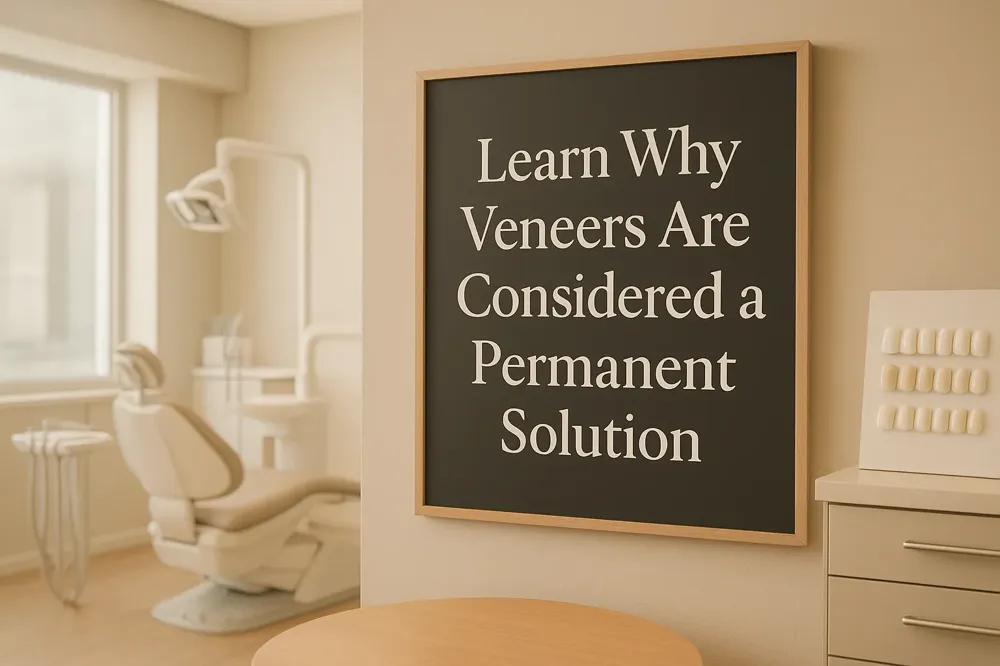
Are veneers permanent?
Veneers are indeed considered a permanent cosmetic dental treatment. This permanence is mainly because the application process involves removing a small but critical layer of enamel—approximately 0.5 millimeters—from the front surface of natural teeth. This veneer enamel removal process is irreversible, meaning natural teeth are permanently altered and will always require protection, such as with veneers or crowns.
Types of veneers and differences
There are several types of veneers available:
- Porcelain veneers: Custom-made veneers shells that require enamel removal. They are stain-resistant and typically last 10 to 15 years or longer with proper care.
- Composite veneers: Made from composite resin, generally less costly but less durable and lasting around 5 to 7 years.
- No-prep veneers: Require little to no removal of enamel and are less invasive but not suitable for everyone; can sometimes be reversible.
- Removable veneers: Also known as snap-on veneers, these are less permanent and can be removed but may impact speech and eating.
Procedure overview
The veneer procedure generally involves two appointments:
- Preparation and impressions: The dentist carefully removes a thin layer of enamel to accommodate the veneer. An impression of the teeth is taken to create custom veneers that match size, shape, and color.
- Bonding: Once fabricated, veneers are bonded to teeth using dental cement, which is hardened with a special light, providing a secure fit.
Throughout this process, anesthesia may be used to minimize discomfort.
Why veneers are considered permanent
The main reason veneers are permanent is due to the irreversible removal of enamel. Natural enamel does not regenerate, so once it is shaved off, your teeth rely on the veneer enamel removal process for protection and aesthetic. Additionally, veneers cannot be whitened once placed, making the shade choice crucial before bonding.
While veneers offer long-lasting veneer teeth appearance improvement and resist staining, maintenance is essential. They typically last 10 to 15 years, after which replacement is likely.
Proper consultation with an experienced cosmetic dentist is important to ensure veneer suitability and uses and to understand the permanent nature of the treatment.
Risks and Side Effects Often Overlooked by Patients
What Are the Long-Term Risks and Side Effects of Dental Veneers?
Dental veneers offer a striking improvement to a smile, but they come with several important risks of veneers and Side Effects of Veneers that patients should understand before treatment. One of the main concerns is Tooth Enamel Removal Risks. This occurs because placing veneers requires removing a thin layer of enamel—the tooth's protective outer coating—which is irreversible. The exposed dentin beneath can react painfully to hot, cold, sweet, or acidic foods. Although this sensitivity often diminishes within a few weeks, some patients may experience ongoing discomfort.
Gum Irritation from Veneers and inflammation may also develop after veneer placement, especially if veneers are imperfectly fitted or margins extend under the gumline. This can lead to redness, swelling, or gum recession, increasing the risk of periodontal problems. Good oral hygiene and proper dental visits are crucial to managing this.
Another serious risk concerns the structural integrity of the veneers and underlying teeth. Veneers, while durable, can chip or crack from biting hard foods, trauma, or habits like teeth grinding (Veneers and Teeth Grinding). Such damage often requires repair or replacement. Improper placement or bonding can cause veneers to loosen, increasing the chance of decay or infection beneath the veneer if bacteria accumulate.
Veneers do not prevent cavities; inadequate care can lead to tooth decay developing under or around them. This underscores the importance of choosing a skilled dentist for precise preparation and fit, as well as maintaining good oral hygiene consistently.
Typically, porcelain veneers last between 10 to 15 years. Early complications like fractures or detachment most often arise within the first few years but can be minimized with careful maintenance, Dental check-ups for veneers, and protective measures such as nightguards for grinders.
| Risk/Side Effect | Cause | Management Tips |
|---|---|---|
| Tooth Sensitivity | Enamel removal | Desensitizing toothpaste; time |
| Gum Irritation | Poor fit; bacterial buildup | Proper hygiene; dentist adjustments |
| Chipping/Cracking | Hard foods; trauma | Avoid hard items; use nightguard |
| Decay Under Veneers | Bacterial infiltration | Careful oral hygiene; regular exams |
| Veneer Detachment/Loosening | Poor bonding/fitting | Skilled dentist; repairs as needed |
Awareness of these Potential Risks of Veneers empowers patients to make informed decisions and care responsibly for their enhanced smiles.
Who Should Avoid Veneers? Dentist Recommendations and Contraindications
Why might dentists advise against getting veneers?
Dentists carefully assess a patient’s oral health before recommending veneers, as there are specific conditions that make veneers unsuitable.
Gum disease and periodontal concerns
Active gum disease or other significant periodontal problems can interfere with the bonding process of veneers. These conditions may cause gum irritation, inflammation, or infection, reducing the stability and longevity of veneers.
Insufficient enamel or decay
Veneers require a healthy layer of tooth enamel for proper adhesion. If a patient has extensive tooth decay or insufficient enamel, veneers may not bond correctly and could lead to heightened sensitivity or further damage.
Age considerations
Patients under 22 are generally advised to delay veneers since their teeth are still developing. Early veneer placement could impact future dental health or require replacement as changes occur in the mouth.
Bruxism and teeth grinding
Those who frequently grind or clench their teeth may damage veneers by causing chips or dislodgement. Dentists often recommend alternative treatments or protective measures like night guards for these individuals.
Alternative treatments for unsuitable candidates
For patients with functional issues such as missing teeth or bite problems, cosmetic veneers may not provide an effective solution. Instead, options like dental implants, bridges, orthodontics, or bonding offer better restorative results.
By addressing these contraindications, dentists ensure that veneer treatments achieve the best possible outcomes and avoid complications related to oral health and lifestyle.
Appearance, Cost, and Care: What to Expect Long Term
How much do veneers cost, specifically for two front teeth?
The cost for veneers on two front teeth generally ranges from $1,850 to $5,000. Porcelain veneers cost about $925 to $2,500 per tooth and offer natural aesthetics and durability. Composite resin veneers are less expensive, roughly $500 to $1,500 per tooth, but usually have a shorter lifespan. Prices vary depending on the dentist's experience, location, and materials used. Consultation with a cosmetic dentist can provide a personalized estimate.
Are snap-on veneers harmful to your teeth?
Snap-on veneers are removable and require no enamel removal, making them less invasive initially. However, they are made of plastic or resin, which can easily break and may not fit perfectly. This imperfect fit might irritate gums, trap bacteria, and increase risks of tooth decay or gum disease. Additionally, prolonged use can cause natural teeth wear or bite problems. For lasting results, professionally applied porcelain or composite veneers are safer choices.
What happens to veneers after 10 to 15 years?
Typically, veneers last 10 to 15 years, with some porcelain veneers lasting up to 20–30 years if well cared for. Over time, veneers may chip, crack, discolor, or loosen, especially without proper maintenance. Factors influencing veneer longevity include oral hygiene habits, diet, and protection from teeth grinding. Regular dental visits and using a nightguard if needed help extend their lifespan. When veneers wear out, replacement may be required to maintain appearance and function. Learn more about Veneer Lifespan and Maintenance.
What happens to teeth after veneers are removed?
After veneer removal, teeth may be sensitive due to enamel removal during initial placement, which is permanent. Teeth might look different in shape or size and may feel rough or stained if enamel has been compromised. Because removal can damage the tooth surface, further restorations like crowns, bonding, or new veneers might be necessary. Proper dental care is crucial to protect teeth post-removal and ensure long-term oral health. Refer to veneer enamel removal process for details.
Maintenance and Care Tips
Maintaining veneers involves regular brushing with non-abrasive toothpaste, daily flossing, and routine dental check-ups. It's important to avoid biting hard objects such as ice or using teeth to open packages. For those who grind or clench their teeth, wearing a nightguard is recommended to prevent damage. Limit intake of staining foods and drinks like coffee, tea, and red wine to keep veneers looking natural longer. See caring for veneers for detailed tips.
| Aspect | Details | Notes |
|---|---|---|
| Cost (2 front teeth) | $1,850–$5,000 | Depends on material and dentist (cost of veneers per tooth) |
| Longevity | 10–15 years, porcelain up to 20–30 years | Maintenance and habits affect lifespan (veneer maintenance tips |
| Sensitivity | Temporary after placement; may increase if enamel removed | Usually fades with time (veneer sensitivity facts) |
| Appearance | Porcelain mimics natural teeth; color matching essential | Teeth whitening before placement advised (aesthetic and protective veneers |
| Snap-on Veneers | Less invasive but riskier long-term due to fit and material | Not recommended for permanent solution |
| Post-removal Care | Teeth may need further restoration due to enamel loss | Consult dentist for best options (common veneer problems |
Essential Considerations and Patient Preparation for Veneers
What should I know before getting veneers?
Before getting veneers, understanding the irreversible nature of the procedure is crucial. Veneers require the removal of a thin layer of enamel to bond the shells securely, making this a permanent alteration to your natural teeth. This veneer enamel removal process may lead to temporary sensitivity to hot and cold stimuli, which generally subsides after a few days.
Key pre-treatment factors and consultations
A thorough dental evaluation is needed before veneers are applied. Your dentist will assess for gum health, tooth decay, and habits like teeth grinding (bruxism) that could compromise veneer integrity or lifespan. Open discussion about aesthetic goals ensures that your custom-made veneers are customized in shape and color for a natural look that complements your smile.
Managing expectations regarding aesthetics and sensitivity
While veneers provide an immediate transformation with a whiter, more uniform smile, natural teeth can still discolor over time, potentially causing a Veneer Color Mismatch Risks. Since veneers cannot be whitened once applied, teeth whitening prior to the procedure is advised. Post-placement veneer sensitivity facts are common but usually temporary.
Importance of selecting an experienced cosmetic dentist
Choosing a skilled cosmetic dentist is vital to avoid common veneer problems that might cause gum irritation, discomfort, or even decay due to bacterial buildup. Expertise ensures minimally invasive enamel removal and precise veneer placement, reducing risks of veneers and optimizing results.
Routine care and lifestyle adjustments post-placement
Caring for veneers involves regular brushing with nonabrasive toothpaste, daily flossing, and avoiding biting hard objects like ice or nuts. Patients with bruxism should consider a night guard to protect the veneers. Routine dental check-ups are necessary to monitor oral health and veneer condition.
Understanding alternatives to veneers
Alternatives to veneers such as professional teeth whitening, dental bonding, orthodontics, or crowns may be more suitable depending on specific dental concerns or budget. Discuss these options with your dental professional to find the best fit for your smile enhancement desires.
| Aspect | Details | Notes |
|---|---|---|
| Enamel removal | Thin layer removed; permanent change | May cause temporary sensitivity |
| Sensitivity | Generally temporary after placement | Important to discuss with dentist |
| Aesthetic customization | Match color and shape to natural teeth | Whitening recommended before veneers |
| Dentist experience | Critical for fit and minimization of risks | Choose licensed, specialized cosmetic dentists |
| Post-care | Gentle brushing, flossing, avoid hard foods | Night guard for teeth grinders |
| Alternatives | Whitening, bonding, orthodontics, crowns | Should be considered if veneers unsuitable |