Why Color Theory Matters for Your Smile
The success of a veneer treatment goes far beyond shape and fit. A smile made from restorations that clash with a patient’s natural tooth color, skin tone, or eye whites will look artificial. In cosmetic dentistry, improper shade selection is a leading cause of prosthetic failure, making precise color matching essential for a natural-looking result.
How Cosmetic Dentists Bridge Art and Science
Achieving this match requires both a keen artistic eye and scientific tools. Dentists apply the Munsell Color System, evaluating each tooth by:
- Hue – the basic color family (yellowish to reddish).
- Chroma – the saturation or intensity of that hue.
- Value – the lightness or darkness, considered the most critical dimension for aesthetic harmony.
To capture these nuances accurately, modern practices combine:
- Visual shade guides (like VITA Classical or 3D-Master) for clinical assessment.
- Digital spectrophotometers that provide objective, numerical color readings.
- High-resolution photography for seamless communication with dental laboratories.
What Patients Can Expect During a Veneer Consultation
During the shade selection process, patients should anticipate a thorough evaluation. The dentist will:
- Assess existing tooth color and any restorations.
- Clean and keep teeth moist, as dehydration alters shade.
- Use neutral gray backgrounds and controlled daylight (≈5500 K) lighting.
- Review how skin undertones, eye color, and age influence the ideal shade.
- Recommend pre-treatment whitening of natural teeth, since veneers cannot be bleached afterward.
- Allow the patient to preview shades with try-in pastes or mock-ups before permanent bonding.
By blending precise technology with personalized artistry, the dentist ensures the final veneers look lifelike and harmonize with the patient's unique features. A collaborative consultation, where the patient communicates aesthetic goals, is the foundation for a satisfying outcome.
From Tooth to Tab: Matching Veneer Color to Natural Teeth
 The process of matching veneer color to natural teeth is a careful blend of art and science. Dentists begin with a systematic evaluation of the patient's existing tooth shade, using both visual tools and advanced technology. A standard shade guide, such as A1 (on the VITA classical scale) represents a light, natural hue, but the precise match depends on the individual's unique dentition.
How Dentists Match Veneer Color to Natural Teeth
The shade-selection process relies on visual and digital tools working together. Common shade guides like the VITA Classical and VITA 3D-Master are held next to the tooth under controlled lighting. However, the human eye can be subjective, so dentists supplement this with digital shade-matching devices like spectrophotometers (e.g., VITA Easyshade) and digital cameras. These instruments provide objective, numerical data on hue, value, and chroma, eliminating guesswork and allowing precise communication with the dental laboratory.
Skin tone, eye color, and facial features play a major role in achieving a harmonious result. Warm, golden or creamy white undertones complement brown or amber eyes and olive skin, while cooler, brighter whites suit fair skin and blue or gray eyes. The veneer's brightness should also harmonize with the whites of the patient's eyes to avoid an artificial look. Dentists evaluate these elements alongside the patient's age and lifestyle to select a shade that appears natural, not unnaturally bright.
The Role of Custom Staining and Glazing
To perfectly mimic a natural tooth, dentists apply custom staining and glazing techniques. Natural teeth are not a single flat color; they have subtle gradients, translucency, and variations in depth. After the base shade is selected, the ceramist adds layers of color and translucency—a technique that replicates the interplay between translucent enamel and opaque dentin. Custom stains add subtle characterizations (like slight color variations at the incisal edge), while glazing adjusts light reflection for a lifelike sheen, ensuring the veneer blends seamlessly with neighboring teeth. Together, these steps create a restoration that is virtually indistinguishable from natural enamel.
Understanding Shade Selection: Hue, Chroma, Value and the Process
What are hue, chroma, and value in dentistry?
To understand shade selection, you first need to know the three dimensions of color from the Munsell color system. Hue is the basic color of a tooth, typically in the yellow-reddish range, and is often categorized by letters in shade guides like A, B, C, or D. Chroma refers to the saturation or intensity of that hue—a higher chroma means a more vivid, intense color, while a lower chroma appears paler. Value describes the lightness or darkness of a tooth shade, judged on a scale from black to white. A high-value tooth looks bright, while a low-value tooth appears darker or grayer. Among these three, value is considered the most critical dimension for achieving natural-looking restorations such as veneers.
What is shade selection in dentistry, and what methods are available?
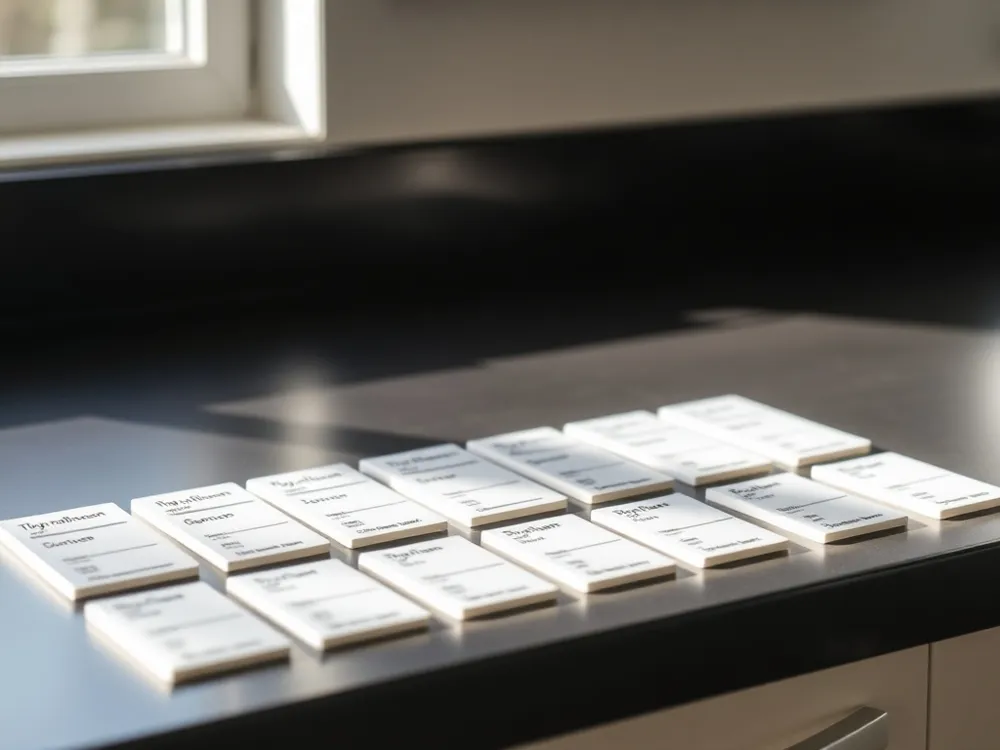
Shade selection is the systematic process of matching the color of restorative materials like veneers to a patient's natural teeth for a lifelike result. The process combines art and science to avoid the artificial look that results from a poor match. The standard protocol begins with evaluating value, then chroma, and finally hue to ensure predictable outcomes. Clinicians use two main approaches: visual methods and instrumental methods. Traditional visual shade guides—such as the Vita 3D-Master or Vita Classical—are the most common tools, where the dentist compares tabs against the patient's teeth under controlled lighting and a neutral background. The instrumental methods** use digital tools like spectrophotometers and colorimeters to provide objective, numerical color data, reducing subjective variability. While instrumental methods offer high precision, visual assessment performed by an experienced professional, including techniques like the "squint test" for value, remains essential for achieving patient-approved aesthetics.
Shade selection is both an art and a science. The combination of a systematic protocol, controlled environmental conditions (such as natural daylight or color-corrected 5500K lighting), and a thorough understanding of hue, chroma, and value allows dentists to match veneers precisely. Whether using visual guides or digital instruments, the ultimate goal is for the restoration to blend seamlessly with adjacent teeth and harmonize with the patient's facial features.| Color Dimension | Definition | Key Consideration | Example in Shade Guide | |----------------|------------|-------------------|------------------------| | Hue | Basic tooth color (yellow-red range) | Base color family | Letters A, B, C, D | | Chroma | Saturation or intensity of the hue | Subtle variations in vividness | Numbers (1-3 in Vita 3D-Master) | | Value | Lightness or darkness (black to white scale) | Most critical; affects brightness | Numbers (1-5 in Vita 3D-Master; higher = darker) |
Proportion Rules: 50‑40‑30 and 4‑8‑10 Guidelines
In cosmetic dentistry, the proportions of your front teeth are a critical element of an attractive smile. The 50‑40‑30 rule serves as a key guideline for designing veneers, crowns, and bonding. From the front view, the rule states that your two central incisors should be about 50% as wide as they are long. The lateral incisors (the teeth next to the centrals) should be around 40% as wide as they are long, and your canines (the “corner teeth) about 30%.
How Tooth Proportions Affect Veneer Design
Dentists apply the 50‑40‑30 rule when designing veneers to create a balanced, natural‑looking smile. For example, if a central incisor is 10mm long, its width should be about 5mm to match the ideal ratio. This rule is a helpful starting point, but it is not a strict requirement. Your dentist will adjust proportions based on your individual face shape, lip line, and other personal features for the most harmonious result.
When to Consider the 4‑8‑10 Rule
The 4‑8‑10 rule is a separate guideline used to estimate how many veneers may be needed for a full smile makeover. The "4" refers to veneers on the four upper central incisors. Moving outward, the "8" extends coverage from canine to canine (the eight front teeth). Finally, the "10" includes the first premolars for a broader smile transformation. This framework helps you visualize different levels of enhancement, but it is not a strict prescription. The optimal number of veneers depends on your specific tooth size, alignment, and aesthetic goals. A consultation with a cosmetic dentist is essential to determine the most natural and balanced result for your individual smile.
| Rule | Purpose | Key Guideline | Application |
|---|---|---|---|
| **50‑40‑30 | Ideal front‑tooth proportions | Central incisors 50% wide, laterals 40%, canines 30% | Guides veneer design for a balanced, natural look |
| **4‑8‑10 | Veneer count for smile makeover | 4, 8, or 10 upper teeth | Helps patients visualize different levels of smile transformation |
When Veneers Aren’t the Best Choice and Managing Shade Issues
Why Do Some Dentists Advise Against Veneers?
Dentists may advise against veneers when the procedure is not appropriate. The most significant drawback is that placement requires permanent removal of tooth enamel, which is irreversible and can increase tooth sensitivity over time. Veneers are a cosmetic solution and do not address underlying problems like gum disease, tooth decay, or misaligned bites; these must be treated first. Patients who grind or clench their teeth are often poor candidates, as the forces can chip or crack the veneers, leading to costly repairs. Furthermore, veneers require long‑term maintenance and eventual replacement, and once placed, their color cannot be adjusted if natural teeth discolor.
My Veneers Are Not White Enough—What Can I Do?
Once permanently cemented, the color of porcelain veneers cannot be altered with whitening treatments, as they are stain‑resistant. The only reliable solution to achieve a lighter shade is to have the veneers replaced with new ones in your desired color. For very thin eMax veneers, a reverse bleaching technique may offer some improvement, but this is not guaranteed and requires a skilled cosmetic dentist. Before proceeding, confirm with your dentist whether the issue is surface staining (which can sometimes be polished) or an inherent shade mismatch that necessitates replacement. To avoid this, always preview veneers in natural lighting before final bonding.
What Is the 3-3-3 Rule in Dentistry?
The 3-3-3 rule is a temporary pain‑management guideline for post‑procedural discomfort. It involves taking 3 tablets of ibuprofen (200 mg each) every 3 hours for a maximum of 3 days. This regimen aims to control inflammation, which is the primary cause of most dental pain. This is a short‑term measure and not a substitute for professional dental care.
Advanced Tools and Techniques That Perfect the Match
How do digital shade‑matching devices improve accuracy?
Spectrophotometers and colorimeters provide objective, numerical readings of hue, chroma, and value, eliminating the subjectivity of the human eye. These devices measure color at individual wavelengths, offering data the eye alone cannot capture. Many systems also produce shade maps showing color variations across the tooth surface, which helps the dental lab replicate natural gradients in the final veneer.
What role does custom staining, glazing, and ceramic layering play?
play?
Even the most precise digital match requires artistic finishing. Custom staining adds subtle color variations, while glazing controls light interaction and gloss. Layered ceramic fabrication mimics the natural tooth’s structure—translucent enamel over dentin—creating depth and vitality. These techniques ensure the veneer does not appear flat or chalky, blending seamlessly with adjacent teeth.
Why do lighting, background, and hydration matter?
Color perception shifts dramatically under different light sources. Dentists use standardized daylight‑balanced lighting (around 5500 K) and evaluate shades under multiple conditions to avoid metamerism. Neutral gray backgrounds and removing bright makeup prevent distortion. Teeth must remain hydrated; dry teeth appear artificially lighter, which can lead to selecting an overly bright veneer shade. A systematic protocol—value first, then chroma, then hue—paired with proper environmental controls, achieves the most predictable, natural‑looking match.
Your Perfect Smile Starts with Precise Color Science
Your smile’s renewal begins with a deep appreciation for color science. By understanding the three dimensions of tooth color—value (brightness), chroma ), and hue—your cosmetic dentist can select a shade that harmonizes with your complexion, eye whites, and natural enamel. This scientific approach ensures veneers that look both radiant and perfectly natural. ### Every step of the shade‑matching process—from digital spectrophotometry to custom staining—is designed to deliver a seamless blend with your surrounding teeth. When value, chroma, and hue align precisely, the final result becomes virtually indistinguishable from your own natural enamel. ### A precisely matched veneer goes beyond simple aesthetics; it offers lasting confidence. Each time you smile, you’ll know your restoration reflects careful science and personalized artistry. Schedule a personalized consultation at Empower Your Smile to begin your journey to a beautifully balanced smile.