Why Speed Matters in Invisalign Treatment
Importance of Treatment Duration
Invisalign treatment duration varies based on the complexity of dental issues, patient compliance, and orthodontic goals. While typical treatment lasts between 12 to 18 months, speeding up this process helps avoid prolonged discomfort and inconvenience. Wearing aligners consistently for 20 to 22 hours daily and following orthodontist instructions are crucial to achieving timely results.
Benefits of Faster Results
Faster Invisalign treatment means less time managing oral hygiene challenges and lifestyle adjustments. Patients experience improved confidence sooner and reduce the risk of teeth shifting back due to prolonged treatment. Accelerated methods, including use of Invisalign Chewies and advanced devices like Propel and AcceleDent, contribute to efficient tooth movement when supervised professionally.
Invisalign as a Discreet Orthodontic Option
Invisalign aligners are made from clear plastic, rendering them nearly invisible. Their removable nature allows for normal eating and oral care routines, promoting better hygiene than traditional braces. This discreetness, combined with shorter treatment times compared to braces, make Invisalign a popular choice for adults seeking effective yet subtle orthodontic solutions.
Adhering to Aligner Wear and Replacement Schedules

What is the recommended daily wear time for Invisalign aligners?
For Invisalign treatment to be effective and efficient, aligners should be worn for 20 to 22 hours each day. This means removing them only when eating, drinking (except water), and during oral hygiene activities like brushing and flossing. Consistent wear maximizes the gentle pressure applied to teeth, promoting steady movement and faster results.
What happens if aligners are not worn consistently?
Inconsistent wear can cause teeth to shift back or slow their progress, leading to treatment delays. Missing the recommended wear time reduces the aligners’ effectiveness and may require additional time to get back on track. Moreover, early or unsupervised changing of aligners can cause setbacks and discomfort.
How often should Invisalign trays be changed?
Typically, patients switch to a new set of aligners every one to two weeks, following the orthodontist’s schedule. This timing ensures that teeth have adjusted to each new position before moving on. Some accelerated plans may require changing aligners every few days under professional supervision.
How can reminders and timers help maintain compliance?
Using phone alarms, apps, or timers can help patients stay on track with the daily wear schedule and aligner changes. These tools are especially useful for busy or forgetful patients to ensure the 20-22 hour daily wear goal is consistently met, directly contributing to faster and more predictable treatment outcomes.
Enhancing Aligner Effectiveness with Oral Hygiene and Fit Tools

Why Is Good Oral Hygiene Crucial During Invisalign Treatment?
Maintaining excellent oral hygiene is essential when using Invisalign aligners. Brushing and flossing after every meal prevent plaque buildup, cavities, and gum disease, which can all disrupt tooth movement and delay results. Patients are advised to brush their teeth thoroughly before reinserting aligners to keep the mouth healthy and the treatment on track.
How Should Patients Care for Their Aligners?
Proper cleaning Invisalign aligners tips enhances their effectiveness and longevity. Patients should gently brush aligners daily with a soft-bristled toothbrush and antibacterial soap or Using Invisalign Cleaning Crystals. Avoiding abrasive toothpaste and hot water prevents damage or warping of the aligners. Keeping aligners clear and free from stains contributes to treatment success by ensuring a proper fit.
What Role Do Invisalign Chewies Play?
Using Invisalign Chewies are small, soft foam cylinders designed to help aligners seat snugly against teeth. Regular use of chewies removes air gaps between the aligner and teeth, improving the fit and promoting more effective tooth movement. This simple tool can subtly speed up Invisalign treatment by enhancing aligner contact and comfort.
How Can Diet Affect Aligner Condition?
Eating only Consuming Invisalign-friendly foods and drinks—primarily water and avoiding staining substances like coffee, tea, and certain colorful drinks—helps maintain aligner clarity. Limiting sugary and acidic snacks protects oral health, further supporting quicker treatment. Removing aligners while eating and drinking (except water) prevents staining, warping, and damage, which might otherwise prolong treatment.
The combination of disciplined oral hygiene with Invisalign, diligent Cleaning Invisalign aligners tips, use of fit tools like Using Invisalign Chewies, and a mindful diet can significantly enhance Invisalign treatment effectiveness and speed.
Advanced Acceleration Technologies and Professional Monitoring
What are devices like Propel and AcceleDent Aura?
Propel and AcceleDent Aura are innovative devices designed to accelerate Invisalign treatment. They use micro-pulses or soft vibrations to stimulate the bone around teeth, making it more pliable and responsive to movement. These devices enhance the efficiency of tooth shifting by promoting faster bone remodeling.
How do micro-pulses and vibrations stimulate bone remodeling?
Micro-pulses and gentle vibrations applied by these devices increase blood flow and stimulate cellular activity in the jawbone. This biological response helps teeth move more quickly and comfortably in the desired direction. The result is a reduction in overall treatment duration compared to traditional methods.
What are the benefits and safety considerations?
Using acceleration devices for Invisalign can significantly shorten Invisalign treatment time while maintaining safety and comfort. Propel, for example, is a minimally invasive procedure requiring only a few minutes and no recovery time. However, these devices should only be used under professional supervision to avoid overuse or improper application that could cause setbacks.
Why are regular orthodontist check-ups important during accelerated treatment?
Consistent check-ins with your orthodontist ensure that treatment is progressing as planned and help identify any issues early. Adjustments to aligner schedules or the use of acceleration devices can be made safely under expert guidance. Avoiding unsupervised changes minimizes risks of delays or complications. See the importance of regular orthodontist check-ins.
By combining advanced technologies like Propel and AcceleDent with diligent professional monitoring, Invisalign patients can experience faster and safer teeth alignment.
Practical Hacks for Daily Invisalign Management

Carrying an aligner case to prevent loss or damage
Always keep an Invisalign tray case tips with you to safely store your trays when not wearing them. This simple measure prevents loss or damage that could disrupt your treatment schedule.
Using cleaning kits and homemade solutions for clear aligners
Maintain crystal-clear aligners by cleaning them twice daily using a soft toothbrush and Using Invisalign Cleaning Crystals. Alternatively, a homemade solution of white vinegar, baking soda, and lukewarm water can effectively remove buildup without scratching.
Managing speech and comfort during treatment
Practice speaking with your aligners regularly to reduce speech difficulties such as lisps. For comfort, Changing aligners at night allows your mouth to adjust during sleep, minimizing soreness during the day.
Smart hacks like switching aligners at night and filing rough edges
Minimize discomfort with bedtime aligner changes helps reduce initial discomfort. If your trays have sharp edges, gently filing them with a nail file can prevent irritation and improve your overall Invisalign experience.
Integrating Comprehensive Dental Care with Your Invisalign Journey
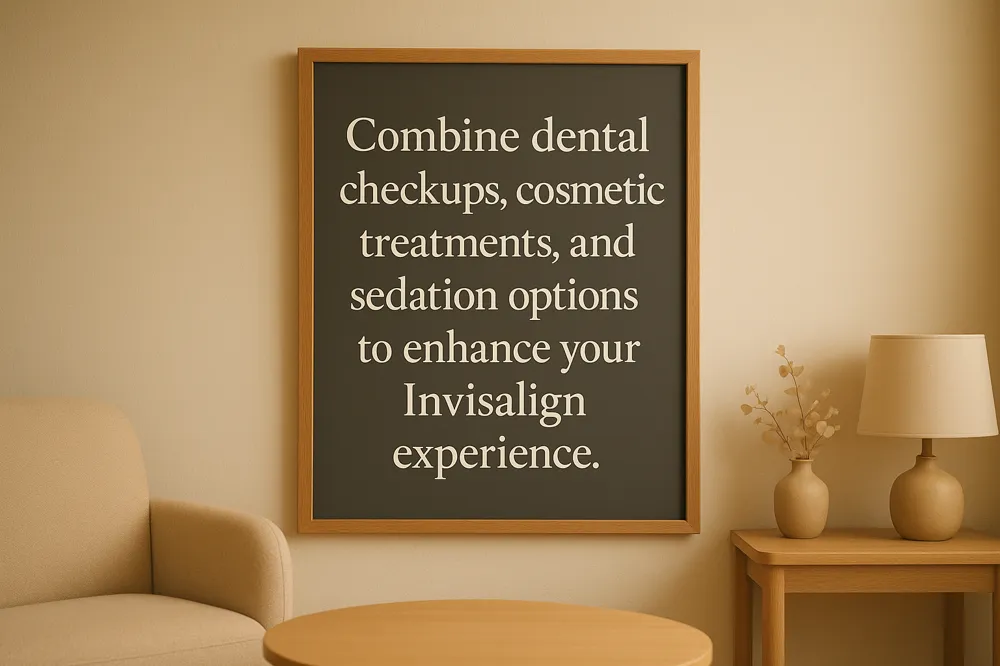
What are the main dental services offered by a modern general and cosmetic dentistry practice like Empower Your Smile?
Modern dental practices like Empower Your Smile provide a full spectrum of services designed to improve both oral health and aesthetics. These services include routine dental check-ups, professional cleanings, and emergency care to manage immediate dental concerns. Advanced restorative options such as dental implants and periodontics address long-term health and function.
On the cosmetic side, treatments focus on enhancing your smile’s appearance through procedures like teeth whitening, veneers, dental bonding, gum contouring, and crowns. These help remedy discoloration, chips, gaps, and even misaligned teeth. The emphasis is on personalized care using the latest technology to ensure natural-looking and satisfying results. Although many cosmetic treatments are elective and may not be insurance-covered, they are key to boosting confidence and social comfort.
How does sedation dentistry improve the dental treatment experience?
Sedation dentistry plays a vital role in making dental visits more comfortable and less stressful. It is particularly beneficial for patients who experience anxiety or fear during treatment. Options include nitrous oxide (laughing gas), oral conscious sedation, and intravenous (IV) sedation, tailored to patient needs and treatment complexity.
These sedation methods not only ease patient anxiety but also allow dentists to perform more procedures efficiently in fewer visits, improving overall treatment timelines. Nitrous oxide effects wear off rapidly, permitting quick recovery, while oral and IV sedation require more monitoring and rest. Ultimately, sedation dentistry fosters a positive dental experience, encouraging consistent care and better oral health maintenance.
How do these services support orthodontic treatment?
Comprehensive dental care underpins effective orthodontic journeys like Invisalign by ensuring a healthy oral environment. Cleanings and checkups prevent infections or cavities that could delay tooth movement. Cosmetic corrections such as bonding or contouring may also complement Invisalign results for a polished final smile.
Good oral hygiene supported by regular professional care helps maintain gum and tooth health, facilitating faster and smoother teeth alignment. When combined with sedation options, patients are more comfortable attending necessary appointments, supporting adherence to treatment schedules.
Why is maintaining overall oral health important for faster treatment outcomes?
Maintaining excellent oral health is essential to prevent complications such as cavities, gum disease, or infections that can stall Invisalign effectiveness. Consistent brushing, flossing, and professional dental visits remove plaque buildup and keep tissues healthy, enabling teeth to respond optimally to aligners.
By avoiding dental issues, patients reduce the risk of treatment delays or extended timeframes. This holistic approach ensures that orthodontic efforts are not compromised, making the journey to a straighter smile more efficient and predictable.
| Aspect | Description | Benefit to Invisalign Treatment |
|---|---|---|
| General Dental Care | Checkups, cleanings, emergency care | Prevent cavities and infections (Importance of regular orthodontist check-ins) |
| Cosmetic Dentistry | Whitening, veneers, bonding, contouring | Enhances smile aesthetics post-treatment (Discreet teeth straightening with Invisalign) |
| Sedation Dentistry | Various sedation options (nitrous oxide, oral, IV) | Reduces anxiety, enables efficient treatment (Sedation dentistry benefits) |
| Oral Hygiene | Daily brushing, flossing, professional maintenance | Supports healthy gums and teeth for timely tooth movement (Oral hygiene with Invisalign treatment) |
Commitment and Care: Keys to a Faster, Healthier Smile
Staying on Track with Invisalign
Wearing your aligners consistently for 20 to 22 hours daily is essential for swift tooth movement and overall treatment success. Changing your trays on schedule, usually every one to two weeks as directed by your orthodontist, keeps progress steady.
Partnering with Your Orthodontist
Regular appointments let your orthodontist monitor your progress and make timely adjustments, preventing delays. Communication ensures any concerns or issues are addressed quickly to keep treatment moving smoothly.
Smart Habits for Better Results
Good oral hygiene—brushing and flossing after meals and cleaning aligners properly—prevents cavities and gum problems that could stall treatment. Using helpful tools like Invisalign Chewies improves aligner fit, enhancing effectiveness.
Embracing these tips and collaborating closely with your dental care team can lead to faster, healthier smile results.