Introduction: The Schedule That Safeguards Your Smile
The Challenge of Finding the Right Schedule
Dental professionals and patients face a significant question after treating gum disease: how often should follow-up visits occur? For decades, a one-size-fits-all approach of scheduling appointments every three to four months has been common. However, emerging evidence suggests this rigid schedule may not be the most effective strategy for everyone. The core challenge lies in balancing a fixed, easy-to-remember interval with a personalized plan based on an individual’s unique risk of the disease returning.
Current clinical guidance is shifting. Modern periodontology emphasizes risk assessment over a universal calendar. The goal is to create a dynamic schedule that adapts to a patient's changing oral health status, offering more frequent care when risk is high and allowing longer intervals when health is stable. This personalized approach aims to optimize outcomes while using clinical time and patient resources efficiently.
Defining Periodontal Maintenance
Periodontal maintenance is a specific, therapeutic procedure prescribed for patients with a history of gum disease (periodontitis). It is fundamentally different from a routine dental cleaning, known as a prophylaxis.
A routine cleaning is a preventive service for individuals with healthy gums. It focuses on removing plaque and tartar from above and slightly below the gumline to maintain health. In contrast, periodontal maintenance is an ongoing treatment for a managed chronic condition. Its procedures are more intensive and targeted, designed to control a disease that has already been diagnosed and initially treated.
| Procedure Type | Primary Goal | Typical Patient | Key Focus Areas |
|---|---|---|---|
| Routine Cleaning (Prophylaxis) | Prevention of disease | Individuals with healthy gums | Supragingival (above gum) plaque/tartar removal. |
| Periodontal Maintenance | Management of chronic disease | Patients with treated periodontitis | Subgingival (below gum) debridement, monitoring pocket depths, disease recurrence. |
The Origins of the 3–4 Month Standard
The recommendation for maintenance visits every three to four months is widespread in dental practices. This interval is based on a biological rationale: research indicates that the bacteria responsible for gum disease can repopulate and begin to cause damage again within approximately 90 days (9–11 weeks). Scheduling professional intervention within this timeframe aims to disrupt the bacterial growth cycle before it leads to renewed inflammation and tissue damage.
Several studies support the benefit of regular maintenance. A 2024 comparative study found that patients on a three-month schedule had the lowest disease recurrence rate (8%), compared to 12% for six-month intervals and 20% for annual visits. Other long-term research has shown that patients who adhere to regular maintenance programs retain significantly more teeth over their lifetime compared to those with erratic attendance.
Nuanced Evidence and Contradictory Findings
Despite the common three-month rule, high-quality evidence supporting a single, fixed interval for all patients is surprisingly weak. A major 2015 systematic review found no randomized controlled trials directly comparing different maintenance schedules. The available studies often measured "compliance" with a pre-set 3–6 month regimen rather than testing intervals head-to-head.
The findings from these studies are mixed:
- Some show a clear benefit for shorter intervals. One study found that patients seen on average every 5.5 months lost 0.12 teeth per year, while those seen every 11.6 months lost 0.36 teeth per year.
- Others show no significant difference. Another study found no statistical difference in tooth loss between patients seen every 4.4 months and those seen every 6.7 months.
- One counterintuitive study even reported that highly compliant patients attending 3–4 month visits had more teeth extracted. The authors theorized these patients might be more likely to accept complex treatment plans, including extractions for implants.
This inconsistency highlights a critical point: tooth loss and disease recurrence are influenced by many factors beyond just cleaning frequency, including patient acceptance of treatment and overall systemic health.
The Modern Solution: Risk-Based Assessment
In response to the complex evidence, the field is moving toward personalized, risk-based scheduling. The 2018 classification system from the American Academy of Periodontology (AAP) and European Federation of Periodontology (EFP) introduced staging and grading, which helps categorize disease severity and an individual's risk of progression.
This system allows clinicians to tailor recall intervals dynamically, often referred to as Risk-Based Recare Intervals (RBRIs). The assessment evaluates multiple factors to determine a patient's "grade" and corresponding schedule.
| Risk Grade | Profile Description | Suggested Maintenance Interval |
|---|---|---|
| Grade A (Low Risk) | Good response to treatment, excellent home care, no major risk factors (e.g., non-smoker). | Every 6 to 12 months. |
| Grade B (Moderate Risk) | Standard or presumed risk level. May have some residual inflammation. | Every 3 to 4 months (the traditional standard). |
| Grade C (High Risk) | Poor response to treatment, smoking, uncontrolled diabetes, or rapid disease history. | Every 2 months (or more) until stability improves. |
This approach is fluid. A patient's interval can be lengthened if their oral hygiene improves and health remains stable, or shortened if new risk factors emerge or inflammation increases.
What to Expect During a Maintenance Visit
A periodontal maintenance appointment is comprehensive and typically longer than a routine cleaning, often lasting about one hour. It is a critical check-up for your gum health. The visit is structured to assess, clean, and plan.
First, your medical and dental history will be reviewed. The clinician will then perform a thorough examination, which includes measuring pocket depths around each tooth and checking for bleeding, which indicates inflammation. Existing dental work and oral tissues are also checked.
The therapeutic cleaning focuses on removing plaque and calculus from both above and below the gumline, particularly in areas with deeper pockets. This may involve specialized instruments or antimicrobial agents. Finally, the visit includes personalized oral hygiene coaching, discussing areas for improvement and reinforcing effective home care techniques.
The Long-Term Commitment
Managing periodontal disease is a lifelong process. The chronic nature of the condition means maintenance therapy is typically required indefinitely to preserve your teeth and support overall health. The financial aspect is an important consideration. While costs vary, a periodontal maintenance session often ranges from $150 to $200.
Dental insurance coverage can be a point of confusion. Most plans cover two routine cleanings per year under preventive care. Periodontal maintenance, however, is frequently categorized as therapeutic treatment. Your plan may cover a specific number of these visits annually (often 2-4), but co-pays or deductibles usually apply. It is crucial to verify your benefits, as clinical need, not insurance limitations, should dictate your care schedule.
Skipping or delaying recommended maintenance has consequences. Without professional intervention, bacteria quickly repopulate, leading to renewed inflammation, progressive bone loss, and ultimately, tooth loss. Furthermore, the chronic inflammation from uncontrolled gum disease is linked to increased risks for systemic conditions like heart disease, diabetes, and stroke. Consistent maintenance is an investment in both your oral and overall long-term health.
Core Concepts in Periodontal Maintenance Scheduling
| Concept | Description | Clinical Implication |
|---|---|---|
| Therapeutic vs. Preventive | Maintenance treats existing disease; cleanings prevent new disease. | Determines procedure type, frequency, and insurance coding. |
| Bacterial Repopulation Cycle | Pathogenic bacteria can rebound to harmful levels in ~3 months. | Forms the biological basis for the common quarterly schedule. |
| Risk Assessment (Grading) | Evaluating clinical, behavioral, and systemic risk factors (AAP/EFP system). | Allows for personalized, dynamic recall intervals instead of a fixed rule. |
| Fluid Recall Intervals | Maintenance frequency is not permanent and should be re-evaluated. | Schedule can change based on improvements or declines in oral health. |
| Comprehensive Appointment | Includes exam, deep cleaning, and patient education (takes ~1 hour). | More involved than a standard cleaning; essential for disease control. |
The Foundation: Defining the Specialized Care You Need
Introduction and the core challenge: Fixed schedule vs. personalized risk
Traditionally, managing gum disease after initial treatment has centered on a standard recall schedule. The common recommendation is for patients to return for professional care every three to four months. This interval is based on the understanding that disease-causing bacteria can repopulate and become destructive within roughly 90 days. However, a growing body of clinical evidence suggests this 'one size fits all' approach may not be optimal for every patient. The core challenge in modern periodontal care is balancing established clinical protocols with the need for personalized, risk-based scheduling that accounts for individual variations in disease severity, patient behavior, and systemic health factors.
What is periodontal maintenance and how does it differ from a regular cleaning?
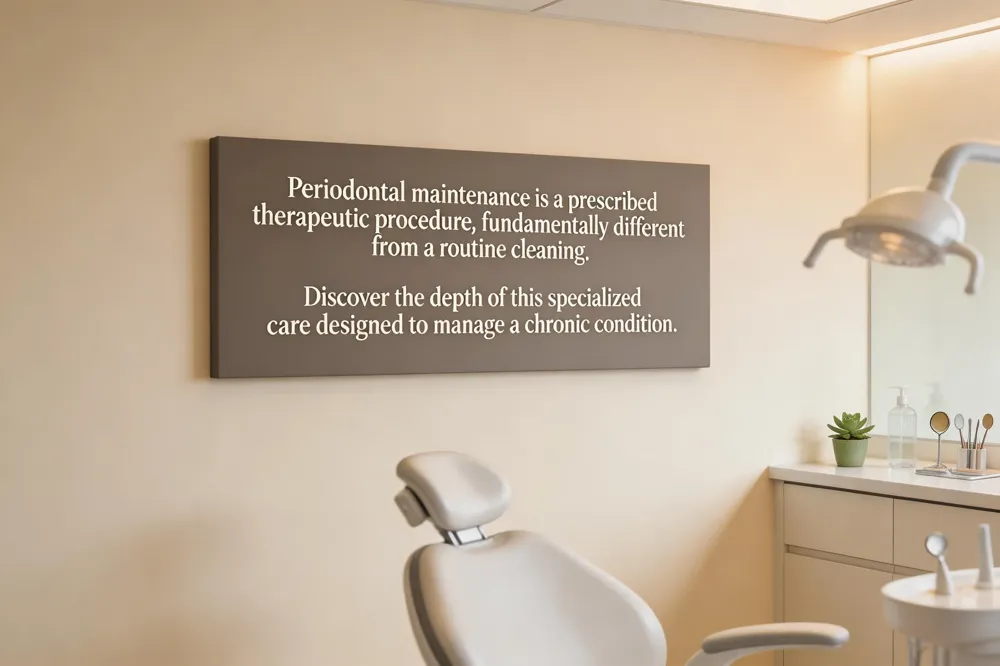
Periodontal maintenance is a prescribed therapeutic procedure for patients with a history of periodontitis (gum disease). It is not a routine cleaning. Following active treatments like scaling and root planing, this specialized care is designed to manage the chronic condition long-term. A standard prophylaxis, or 'regular cleaning', is a preventive service for individuals with healthy gums, focusing on plaque and tartar removal above and slightly below the gumline.
The procedures, depth, and goals differ significantly, as outlined below:
| Aspect | Periodontal Maintenance | Regular Cleaning (Prophylaxis) |
|---|---|---|
| Patient Status | History of diagnosed periodontitis. | Generally healthy gums, no bone loss. |
| Primary Goal | Therapeutic: Control chronic disease, prevent recurrence and tooth loss. | Preventive: Maintain health and prevent disease onset. |
| Cleaning Focus | Deep subgingival cleaning in periodontal pockets; often includes root planing. | Supragingival and slightly subgingival cleaning at the gumline. |
| Assessment | Detailed monitoring of pocket depths, bleeding, and attachment levels. | Basic visual exam and screening for issues. |
| Typical Frequency | Every 3 to 4 months (or as personalized). | Every 6 months for low-risk patients. |
The 3-4 month standard: Origins, rationale, and clinical evidence
The three- to four-month interval has been a clinical standard for decades. Its rationale is biological: studies indicate that periodontal pathogens can return to destructive levels within 9 to 11 weeks after a professional cleaning. Regular intervention within this window aims to disrupt bacterial biofilm before it causes renewed inflammation and bone loss.
Evidence from long-term studies supports the value of consistent maintenance. For instance, research on tooth loss in regular vs. irregular compliers has shown that patients who adhere to regular maintenance schedules lose approximately half the number of teeth over time compared to those with erratic attendance. A 2024 comparative study found clear gradations in outcomes based on frequency:
| Maintenance Interval | Disease Recurrence Rate | Relative Risk vs. 3-Month Schedule |
|---|---|---|
| Every 3 Months | 8% | Baseline (lowest risk). |
| Every 6 Months | 12% | 43% higher odds of recurrence. |
| Annually | 20% | 115% higher odds of recurrence. |
Table data adapted from a study comparing efficacy of different maintenance intervals for periodontal treatment.
Why the evidence is nuanced: Contradictory findings and the need for personalization
Despite the standard, systematic reviews reveal a more complex picture. High-quality evidence for fixed PM recall intervals is scarce, as few randomized controlled trials exist. The available cohort studies often measure compliance with a recommended 3–6 month regimen rather than comparing different fixed schedules.
Findings from studies on PM recall intervals can appear contradictory. Some studies show significantly less tooth loss with more frequent recalls (e.g., every 5.5 months vs. 11.6 months). Others find no statistically significant difference in tooth loss between patients seen every 4.4 months and those seen every 6.7 months. One counterintuitive study even associated higher compliance with 3–4 month visits with more tooth extractions, possibly because highly engaged patients were more likely to accept comprehensive treatment plans, including extractions for implants.
This heterogeneity in PM interval studies highlights that tooth loss and disease progression are influenced by many factors beyond recall frequency alone, such as smoking, diabetes, genetics, and quality of home care. Therefore, a fixed interval cannot account for all individual risk variables.
The modern solution: Periodontal risk assessment and dynamic scheduling
The contemporary approach moves away from a rigid schedule toward personalized recall intervals for periodontal maintenance using risk-based recare intervals (RBRIs). This method uses formal risk assessment tools, integrating the 2018 AAP/EFP staging and grading system that stages disease severity and grades the rate of progression.
Clinicians evaluate a matrix of factors to assign a risk grade and determine a customized recall interval:
| Risk Category (Grade) | Defining Characteristics | Typical Recall Interval |
|---|---|---|
| Grade A (Low Risk) | Excellent response to treatment, effective home care, no major risk factors (e.g., non-smoker). | 6 to 12 months. |
| Grade B (Moderate Risk) | Standard rate of progression; may have some residual pockets or moderate risk factors. | 3 to 4 months. |
| Grade C (High Risk) | Rapid progression, poor treatment response, smoking, uncontrolled diabetes, or genetic risk. | Every 2 months until stability improves. |
This model is fluid. A patient's interval can be lengthened if their oral hygiene improves and inflammation decreases, or shortened if new risk factors emerge or disease activity is detected.
What to expect: The procedures and importance of a periodontal maintenance visit
A comprehensive periodontal maintenance visit is more involved than a routine cleaning and typically requires about one hour. Its structured process is designed for ongoing disease management.
Key components of the appointment include:
- Updated Evaluation: Review of medical and dental history, oral cancer screening, and full-mouth periodontal probing to measure pocket depths and check for bleeding.
- Diagnostic Review: Assessment of recent radiographs to monitor bone levels and detect other problems.
- Therapeutic Cleaning: Removal of plaque and calculus from both above and below the gumline, often using ultrasonic scalers and hand instruments. Site-specific scaling and root planing may be performed where needed.
- Adjunctive Therapy: Possible application of antimicrobial agents or localized antibiotics in problematic areas.
- Re-education: Personalized coaching on improving home care techniques and controlling risk factors like smoking.
This thorough approach is crucial because periodontal disease is often asymptomatic until significant damage has occurred. Regular maintenance allows for early intervention.
The long-term commitment: Costs, insurance, and the consequences of skipping care
Periodontal maintenance is a lifelong commitment to managing a chronic condition. Each session typically costs between $150 and $200, though prices vary by region and practice. Most dental insurance plans provide some coverage, but it is essential to verify details. Many plans cover two routine cleanings per year but may classify periodontal maintenance under periodontal therapy benefits, which might include co-pays or limits on the number of covered visits.
Skipping or delaying recommended maintenance has significant consequences. Without regular professional intervention to disrupt bacteria, inflammation recurs, leading to further destruction of the bone and connective tissue that support teeth. This progression increases the risk of tooth loss. Furthermore, the chronic inflammation associated with uncontrolled periodontitis is linked to systemic health issues, including worsened diabetes control, cardiovascular disease, and stroke. Adhering to a personalized maintenance schedule is an investment in preserving both oral and overall health.
| Topic | Key Points Covered |
|---|---|
| Core Challenge | Fixed 3-4 month standard vs. need for personalized recall intervals for periodontal maintenance. |
| Definition & Difference | Periodontal maintenance is therapeutic for gum disease; differs from preventive prophylaxis in depth and goal. |
| Standard Interval Evidence | Biological rationale (90-day bacterial cycle); linked to lower recurrence rates in studies. |
| Nuanced Evidence | Studies show mixed results; heterogeneity in PM interval studies shows many factors beyond frequency affect outcomes. |
| Modern Solution | Risk assessment using AAP staging/grading leads to dynamic, personalized recall intervals. |
| Visit Procedures | Includes evaluation, deep cleaning, possible adjunctive therapy, and patient re-education. |
| Long-Term Commitment | Involves ongoing costs and insurance navigation; skipping care risks tooth loss and systemic issues. |
The Scientific Basis for the 3-4 Month Standard
Introduction and the core challenge: Fixed schedule vs. personalized risk.
Periodontal maintenance is a critical, ongoing therapy for patients with a history of gum disease. The core challenge in managing this care lies in determining the optimal frequency of periodontal maintenance visits. The conventional wisdom suggests a universal periodontal maintenance schedule of 3 to 4 months to prevent disease recurrence. However, modern clinical evidence reveals that a one-size-fits-all approach is insufficient. The reality is more nuanced, emphasizing the need for personalized recall intervals for periodontal maintenance based on risk assessment for periodontal maintenance to tailor the recall interval to each patient's specific condition, response to therapy, and risk factors.
What is periodontal maintenance and how does it differ from a regular cleaning?
A standard dental prophylaxis, or cleaning, is a preventive service for individuals with healthy gums. In contrast, periodontal maintenance is a prescribed therapeutic procedure for patients who have been treated for periodontitis. It begins after active treatments like scaling and root planing or surgery and is an integral part of periodontal therapy.
During a periodontal maintenance visit, the dental team performs a comprehensive assessment and specialized cleaning.
| Procedure Aspect | Standard Prophylaxis (Cleaning) | Periodontal Maintenance |
|---|---|---|
| Primary Goal | Preventative, for maintaining health | Therapeutic, for manage gum disease and prevent recurrence of periodontitis |
| Focus Areas | Supragingival (above the gumline) cleaning | Supragingival and subgingival (below gumline) debridement |
| Key Assessment | General oral health check | Detailed periodontal probing during maintenance, pocket depth measurement, bleeding evaluation |
| Typical Duration | 30-45 minutes | Often 60 minutes or more, depending on patient factors impacting periodontal maintenance time |
The 3-4 month standard: Origins, rationale, and clinical evidence.
The recommendation for periodontal maintenance every 3-4 months is based on the biological timeline of bacterial repopulation. Plaque can harden into tartar within 24–48 hours, and research indicates that pathogenic bacteria can return to destructive levels in approximately 9 to 11 weeks (about 90 days), making a 3-month maintenance schedule critical. A 3-month recall aims to disrupt this cycle before significant inflammation and tissue damage recur.
Several studies support the benefit of this shorter interval. For example, a 2024 retrospective cohort study found that patients on a 3-month schedule had an 8% disease recurrence rate, compared to 12% for 6-month intervals and 20% for annual visits. Other research shows that regular, frequent professional care can virtually halt new caries and periodontal attachment loss.
Why the evidence is nuanced: Contradictory findings and the need for personalization.
While the 3-4 month standard is common, the scientific evidence for fixed PM recall intervals is not universally straightforward. A major systematic review on periodontal maintenance intervals found no randomized controlled trials directly comparing different fixed intervals. The available cohort studies showed mixed results, highlighting heterogeneity in PM interval studies.
- Supporting Evidence: Some studies reported that regular compliers with recalls around 5.5 months had significantly lower annual tooth loss (0.12 teeth) than irregular compliers with ~11.6-month intervals (0.36 teeth), showing the effect of shorter PM intervals on tooth retention.
- Contradictory Evidence: Other high-quality studies found no significant difference in tooth loss between patients seen every 4.4 months and those seen every 6.7 months.
- Counterintuitive Finding: One study even noted that patients attending 70% of expected 3-4 month visits were more likely to lose teeth. The authors hypothesized this might be because highly compliant patients are also more likely to accept proposed extractions, possibly influenced by treatment trends like dental implants.
This heterogeneity underscores that a fixed interval may not be optimal for everyone, highlighting the limitations of a blanket recommendation and the need for personalized recall intervals for periodontal maintenance.
The modern solution: Periodontal risk assessment and dynamic scheduling.
In response to this nuanced evidence, the leading approach has shifted toward personalized, risk-based scheduling. The 2018 classification system from the American Academy of Periodontology (AAP) and European Federation of Periodontology (EFP) introduced staging and grading, which assesses disease severity and an individual's risk of progression.
Dental professionals now use this framework to assign a patient a grade (A, B, or C) based on clinical findings, behaviors (like smoking and oral hygiene), and systemic health. This grade directly informs a dynamic recare interval.
| Patient Grade & Risk Profile | Typical Recare Interval | Rationale & Clinical Goal |
|---|---|---|
| Grade A: Slow Progression | 6 to 12 months | For patients with excellent response to treatment, stable gums, and no major risk factors. |
| Grade B: Moderate Progression | 3 to 4 months | The standard starting point for most treated periodontitis patients to maintain stability. |
| Grade C: Rapid Progression | Every 2 months (initially) | For patients with poor treatment response, uncontrolled diabetes, or heavy smoking, requiring close monitoring until stability is achieved. |
This model is fluid; a patient's interval can be lengthened or shortened based on improvements or declines in their oral health status, reflecting the principle of fluid recare intervals based on patient risk.
What to expect: The procedures and importance of a periodontal maintenance visit.
A typical periodontal maintenance appointment is a comprehensive one-hour session. It is far more than a simple cleaning and involves multiple critical steps to monitor health and prevent relapse. It is designed to preserve natural dentition through maintenance.
The core components include:
- Updating medical and dental histories.
- A full clinical examination, including measuring pocket depths around every tooth and checking for bleeding on probing.
- Reviewing recent radiographs to assess bone levels.
- Professional removal of plaque and calculus from above and below the gumline, often beginning with gentle biofilm disruption techniques like glycine air polishing.
- Site-specific scaling and root planing if new areas of inflammation are detected.
- Personalized oral hygiene re-instruction and counseling on risk factor control (e.g., smoking cessation).
This thorough process is essential because periodontal disease is often asymptomatic; professional monitoring is the only way to detect and address early signs of recurrence before significant damage occurs.
The long-term commitment: Costs, insurance, and the consequences of skipping care.
Managing periodontitis is a lifelong commitment. Maintenance cleanings typically cost between $150 and $200 per session. While most dental insurance plans provide some coverage, they often limit periodontal maintenance to 2-4 visits per year, which may not align with a clinically recommended schedule. Patients may need to cover additional visits out-of-pocket.
Adherence is critical. Studies consistently show that patients who comply with their maintenance program retain significantly more teeth over their lifetime. Skipping or delaying appointments allows bacterial repopulation, leading to increased inflammation, deeper pockets, progressive bone loss, and ultimately, tooth loss. Furthermore, uncontrolled oral inflammation is linked to systemic health risks, including worsened diabetes control, heart disease, and stroke. Therefore, consistent periodontal maintenance is an investment in both long-term oral and overall health.
What Science Really Says: The Nuanced Evidence Behind Scheduling

Introduction and the Core Challenge: Fixed Schedule vs. Personalized Risk
Determining how often a patient with treated gum disease should return for professional care is a central question in periodontal therapy. For decades, a standard three- to four-month recall interval has been widely recommended. However, a close examination of the scientific evidence reveals a more complex picture. High-quality research directly comparing different fixed intervals is surprisingly scarce. A key systematic review on periodontal maintenance intervals found no randomized controlled trials on this specific topic, relying instead on observational cohort studies. This gap in evidence challenges the notion of a universal schedule and highlights a growing consensus: the most effective maintenance plan is not one-size-fits-all but personalized, based on an individual's unique risk profile.
What is Periodontal Maintenance and How Does it Differ from a Regular Cleaning?
It is crucial to distinguish periodontal maintenance from a routine dental cleaning. A standard prophylaxis is a preventive service for patients with generally healthy gums, focusing on removing plaque and tartar from above and slightly below the gumline.
Periodontal maintenance, often coded as D4910, is a prescribed therapeutic procedure for patients with a history of periodontitis. It is initiated after active treatments like scaling and root planing. This appointment is more comprehensive and targeted, involving detailed monitoring and cleaning of the deeper spaces around teeth that are prone to reinfection.
| Procedure Type | Primary Goal | Typical Patient | Key Actions |
|---|---|---|---|
| Routine Prophylaxis | Prevention of disease | Healthy gums, no periodontitis | Supragingival cleaning, polish, exam. |
| Periodontal Maintenance | Management of disease | History of diagnosed periodontitis | Subgingival cleaning, pocket measurement, risk reassessment. |
The 3-4 Month Standard: Origins, Rationale, and Clinical Evidence
The recommendation for quarterly visits is not arbitrary. It is rooted in the biology of oral bacteria. Pathogens that cause gum disease can repopulate and return to destructive levels within approximately 9 to 11 weeks. Scheduling professional intervention within this window aims to disrupt bacterial growth before it triggers inflammation and tissue damage.
Some clinical studies support this frequency. Research has shown that patients who adhere to regular periodontal maintenance lose significantly fewer teeth over time compared to those with erratic attendance. For instance, one study found that regular vs irregular periodontal maintenance compliance was a key factor; regular compliers (with an average recall of 5.5 months) had a mean annual tooth loss of 0.12 teeth, while irregular compliers (average 11.6-month recall) lost 0.36 teeth per year.
Why the Evidence is Nuanced: Contradictory Findings and the Need for Personalization
Despite the rationale for frequent visits, the scientific evidence is mixed and reveals important nuances. Not all studies show a clear benefit to strict three-month intervals. Some research found no statistically significant difference in tooth loss between patients seen every 4.4 months and those seen every 6.7 months.
A particularly counterintuitive study even reported that patients who were highly compliant with three- to four-month visits were more likely to have teeth extracted. The authors hypothesized that these engaged patients might also be more likely to accept proposed dental treatments, including extractions influenced by factors like improved implant success rates. These contradictory findings underscore that tooth loss is influenced by many factors beyond just recall frequency, including patient behavior, treatment philosophy, and systemic health.
The overarching conclusion from systematic reviews on periodontal maintenance intervals is that evidence for fixed PM recall intervals is weak. There is no clear threshold where tooth loss dramatically increases, and the heterogeneity in PM interval studies that do exist makes direct comparisons difficult.
The Modern Solution: Periodontal Risk Assessment and Dynamic Scheduling
The modern shift in periodontal care moves away from a rigid calendar toward dynamic, risk-based periodontal recall intervals. This approach is formalized in the AAP and EFP 2018 staging and grading system, which uses staging and grading to assess disease severity and progression risk.
A patient's "grade" (A, B, or C) helps determine their recall interval. This grade is determined by a risk assessment that evaluates clinical, behavioral, and environmental factors.
| Risk Grade | Description | Typical Recall Interval |
|---|---|---|
| Grade A (Slow) | Good response to treatment, excellent self-care, low risk. | 6 to 12 months |
| Grade B (Moderate) | Standard rate of progression, some risk factors present. | 3 to 4 months |
| Grade C (Rapid) | Poor response, high risk factors (e.g., smoking, diabetes). | Every 2 months until stable |
This model is fluid. A patient's interval can be lengthened if their oral hygiene improves and inflammation remains controlled, or shortened if new risks emerge. The central tenet is patient education, explaining how specific behaviors directly influence their recommended personalized periodontal maintenance schedule.
What to Expect: The Procedures and Importance of a Periodontal Maintenance Visit
A periodontal maintenance visit is a comprehensive appointment, typically lasting about an hour. It is far more than a simple cleaning. The core components create a structured approach to long-term health management.
Assessment Phase: The clinician updates medical and dental histories, performs an oral cancer screening, and conducts a full-mouth periodontal examination. This involves measuring pocket depths around each tooth and checking for bleeding on probing, which are critical indicators of disease activity.
Treatment Phase: Based on the assessment, the hygienist performs a targeted debridement. This includes removing plaque and calculus from both above and below the gumline, often beginning with biofilm-disruption techniques like air polishing. Site-specific scaling and root planing may be performed where deeper inflammation is detected.
Planning Phase: The visit concludes with a review of the patient's home care efficacy, personalized re-instruction, and a discussion of the assessed risk level to determine the next appropriate recall interval. This collaborative planning is essential for sustained success.
The Long-Term Commitment: Costs, Insurance, and the Consequences of Skipping Care
Periodontal disease is a chronic condition, much like diabetes or hypertension, requiring lifelong management. This makes consistency with maintenance visits a permanent part of oral health care. The cost per session often ranges from $150 to $200, though this varies geographically.
A common point of confusion arises with dental insurance. Many plans cover two routine cleanings per year but classify periodontal maintenance as a therapeutic procedure, which may have different co-pays or frequency limitations. It is vital for patients to understand that clinical need, not insurance coverage, should dictate their schedule.
Skipping or delaying recommended maintenance has tangible consequences. Without regular professional intervention to remove hardened deposits, bacteria can proliferate, leading to renewed inflammation, further bone loss, and increased risk of tooth loss. Furthermore, uncontrolled oral inflammation is linked to systemic health issues, including worsened diabetes control, cardiovascular disease, and stroke risk. Adherence to a personalized periodontal maintenance plan is therefore an investment in both oral and overall health.
| Topic Category | Key Concepts Discussed | Supporting Evidence | Clinical Implication |
|---|---|---|---|
| Evidence Base | Lack of RCTs, mixed cohort studies. | Systematic review findings | Weak evidence for a universal fixed interval. |
| Procedure Definition | D4910 code, therapeutic vs. preventive. | AAP definitions, insurance distinctions. | Tailored, intensive cleaning for disease management. |
| Scheduling Rationale | Bacterial repopulation cycles (9-11 weeks). | Biological studies on pathogen regrowth. | Basis for the common 3-4 month standard. |
| Personalized Approach | Risk assessment, AAP staging/grading (A, B, C). | Modern classification system, risk calculators. | Dynamic intervals from 2 months to 12 months. |
| Visit Components | Assessment, targeted debridement, planning. | Clinical guidelines, time-study analyses. | Requires ~1 hour for comprehensive care. |
| Long-Term Management | Chronic disease model, cost, insurance gap. | Long-term outcome studies, cost analyses. | Lifelong commitment necessary for stability. |
Beyond the Calendar: The Shift to Personalized, Risk-Based Scheduling

Introduction and the core challenge: Fixed schedule vs. personalized risk.
For decades, the standard recommendation for patients with a history of gum disease has been to schedule periodontal maintenance appointments every three to four months. This interval is widely used in clinical practice, but emerging evidence suggests a one-size-fits-all schedule may not be the most effective approach for everyone.
The core challenge lies in balancing a simple, memorable schedule with the complex, individualized nature of periodontal disease. Gum disease is a chronic condition, and each patient's risk of recurrence and progression varies significantly based on a unique combination of health, habits, and genetics.
What is periodontal maintenance and how does it differ from a regular cleaning?
It's important to understand that periodontal maintenance is not the same as a routine dental cleaning, often called a prophylaxis. A routine cleaning is a preventive service for patients with generally healthy gums and no diagnosed periodontal disease.
Periodontal maintenance, however, is a prescribed therapeutic treatment for patients who have already undergone active therapy like scaling and root planing (a deep cleaning) for periodontitis. These appointments are more comprehensive and target the management of an existing chronic condition.
A typical periodontal maintenance visit includes updating medical and dental histories, a thorough clinical examination of gum tissues, measuring periodontal pocket depths, checking for bleeding, and the professional removal of plaque and calculus (tartar) from both above and below the gumline. The goal is to prevent disease recurrence and further bone loss.
The 3-4 month standard: Origins, rationale, and clinical evidence.
The three-to-four-month standard has a strong biological rationale. Studies indicate that the bacteria responsible for periodontal disease can repopulate and return to destructive levels within approximately 9 to 11 weeks after a professional cleaning.
Regular appointments within this timeframe aim to disrupt this bacterial regrowth cycle before it causes significant damage to the bone and tissues supporting the teeth. Some clinical research supports this frequency, showing that patients who adhere to regular maintenance schedules experience better long-term outcomes.
For example, one study found that patients on a three-month maintenance schedule had an 8% disease recurrence rate, compared to 12% for those on a six-month schedule and 20% for those on an annual schedule.
Why the evidence is nuanced: Contradictory findings and the need for personalization.
While the three-month interval is common, the scientific evidence for fixed PM recall intervals is not definitive. A major systematic review on periodontal maintenance intervals concluded that evidence for a specific, universal recall interval is weak. The studies available have significant limitations, including a lack of randomized controlled trials directly comparing different intervals.
The findings from studies on PM recall intervals are sometimes contradictory. Some studies show that more frequent visits (every 5-6 months) are associated with significantly less tooth loss in regular vs. irregular compliers compared to longer intervals (approaching 12 months).
However, other high-quality studies found no statistically significant difference in tooth loss and recall interval compliance between patients seen every 4.4 months and those seen every 6.7 months. One even reported that highly compliant patients attending every 3-4 months had a higher rate of tooth extractions, possibly because they were more likely to accept proposed dental treatments.
This variability highlights that factors beyond just appointment frequency—like a patient's overall health, treatment acceptance, and home care—profoundly influence outcomes. It underscores why personalized recall intervals for periodontal maintenance are critical.
The modern solution: Periodontal risk assessment and dynamic scheduling.
The modern paradigm in periodontal care moves beyond the calendar to a risk-based model. This involves conducting a formal periodontal risk assessment (PRA). This assessment evaluates a wide range of factors to determine an individual's specific risk profile.
Key factors assessed include:
- Clinical Findings: Bleeding on probing, deep pocket depths, and existing bone loss.
- Behavioral Factors: Quality of daily oral hygiene, smoking status, and nutrition.
- Systemic Health: Conditions like diabetes that increase susceptibility.
- Genetic and Environmental Factors: Family history and access to care.
Using systems like the AAP and EFP 2018 staging and grading system, patients are assigned a Grade based on their predicted rate of disease progression: Grade A (slow), Grade B (moderate), or Grade C (rapid). This grading directly informs a personalized recare interval.
| Patient Risk Grade | Typical Progression Rate | Suggested Recare Interval | Key Influencing Factors |
|---|---|---|---|
| Grade A | Slow | Every 6 to 12 months | Excellent response to therapy, consistent home care, no major risks. |
| Grade B | Moderate | Every 3 to 4 months | Standard starting point for most treated patients. |
| Grade C | Rapid | Every 2 months (until stable) | Poor treatment response, smoking, uncontrolled diabetes. |
Crucially, these are fluid recare intervals based on patient risk. A patient who improves their oral hygiene and shows stable clinical results may safely move from a 3-month to a 6-month schedule. Conversely, a relapse in home care or new health issues may necessitate more frequent visits.
What to expect: The procedures and importance of a periodontal maintenance visit.
A comprehensive periodontal maintenance appointment is more involved than a quick polish. It requires dedicated time, often 60 minutes or more, to properly assess and treat the mouth.
The process is structured to ensure nothing is missed. It begins with a review of any changes in health or medications. A clinical exam follows, which includes measuring pocket depths around each tooth and checking for inflammation or bleeding.
Professional cleaning involves carefully removing hardened calculus and disrupting bacterial biofilm from both above and below the gumline, particularly in areas with residual deep pockets. The visit concludes with a review of personalized oral hygiene techniques and may include preventive measures like fluoride application.
Skipping or delaying these visits has real consequences. Without regular professional intervention, plaque rapidly hardens into tartar within 24–48 hours that cannot be removed by brushing alone. This leads to renewed inflammation, progressive bone loss, and a significantly increased risk of tooth loss.
The long-term commitment: Costs, insurance, and the consequences of skipping care.
Managing periodontal disease is a lifelong commitment. The typical cost for a periodontal maintenance session ranges from $150 to $200, though this varies by practice and location.
It's essential to understand that most dental insurance plans differentiate between routine cleanings and therapeutic periodontal maintenance. While many plans cover two prophylactic cleanings per year, coverage for the more frequent periodontal maintenance visits may be limited or require a patient co-pay.
Adhering to a professionally recommended, personalized schedule is an investment in long-term health. Studies consistently show that patients who follow their maintenance program lose far fewer teeth over their lifetime than those with erratic or no professional care. Furthermore, because gum disease is linked to systemic conditions like heart disease and diabetes, controlling oral inflammation through regular maintenance supports overall well-being.
Digest of Covered Topics
| Topic Area | Key Takeaway | Supporting Detail |
|---|---|---|
| Standard Interval | 3-4 months is common but not universal. | Based on bacterial regrowth cycle of ~9-11 weeks. |
| Evidence Base | Supportive but nuanced and weak for fixed rules. | Studies show mixed results on tooth loss differences. |
| Modern Approach | Risk-based, personalized scheduling is recommended. | Uses formal assessment and AAP staging/grading system. |
| Assessment Factors | Considers clinical, behavioral, and systemic health. | Includes pocket depth, smoking, diabetes, and home care. |
| Interval Flexibility | Recare schedules are fluid and should be re-evaluated. | Can be lengthened or shortened based on patient progress. |
| Visit Components | More comprehensive than a routine cleaning. | Includes exam, deep cleaning, and personalized instruction. |
| Long-Term Importance | Essential for tooth retention and overall health. | Prevents disease recurrence, bone loss, and systemic risks. |
Inside Your Maintenance Appointment: A Proactive Health Check
Introduction and the core challenge: Fixed schedule vs. personalized risk.
A significant challenge in periodontal care is moving from a one-size-fits-all schedule to a truly personalized approach. For decades, the clinical standard has been to recall patients with a history of gum disease for periodontal maintenance every three to four months. This interval is rooted in biological reasoning and common practice.
However, growing scientific evidence indicates this fixed schedule may not be optimal or necessary for every individual. The goal is to find a balance between preventing disease recurrence and respecting each patient's unique health profile and resources. The modern shift is toward customizing care based on individual risk.
What is periodontal maintenance and how does it differ from a regular cleaning?
Periodontal maintenance is a prescribed, therapeutic procedure for patients who have been treated for gum disease. It is not a routine cleaning for healthy mouths. A standard dental cleaning, or prophylaxis, is a preventive service that removes plaque and tartar above the gumline for patients with healthy gums.
In contrast, periodontal maintenance is an ongoing supportive periodontal therapy that follows active therapy, such as scaling and root planing. It specifically targets the deeper spaces below the gumline, known as periodontal pockets, where disease-causing bacteria can hide and cause further damage if not professionally managed.
The 3-4 month standard: Origins, rationale, and clinical evidence.
The recommendation for three-to-four-month intervals comes from biological and clinical observations. Research shows that the bacteria responsible for periodontitis can repopulate to destructive levels within approximately 90 days, or 9 to 11 weeks. Frequent professional intervention aims to disrupt this bacterial cycle before it causes significant harm.
Several studies support the benefit of this frequent schedule. For example, one landmark study found that regular professional care every two to three months resulted in virtually no new periodontal disease over six years. A more recent analysis from 2024 reported that patients on a three-month maintenance schedule had the lowest disease recurrence rate at 8 percent, compared to 12 percent for six-month intervals and 20 percent for annual intervals.
Why the evidence is nuanced: Contradictory findings and the need for personalization.
Despite the support for frequent recalls, the scientific evidence for fixed PM recall intervals is not uniformly conclusive. A major systematic review on periodontal maintenance intervals found no randomized controlled trials directly comparing different fixed recall intervals. It also highlighted contradictory findings from studies on PM recall intervals.
For instance, some studies found that patients who complied with a three-to-six-month schedule lost significantly fewer teeth than those who went longer, highlighting the effect of shorter PM intervals on tooth retention. Yet, others found no statistically significant difference in tooth loss in regular vs. irregular compliers when average recall intervals were less than a year apart. This suggests that the threshold for significantly increased risk may be closer to 12 months for many patients.
These inconsistencies underline a critical point: a universal fixed interval is not strongly supported by high-level evidence. Factors beyond simple frequency, such as individual patient risk, play a major role in outcomes.
The modern solution: Periodontal risk assessment and dynamic scheduling.
The current best practice is to use a personalized, risk-based periodontal recall intervals approach to determine recall intervals. This method aligns with the AAP and EFP 2018 staging and grading system, which uses staging and grading to assess disease complexity and an individual's risk profile.
A formal risk assessment for periodontal maintenance evaluates multiple factors:
- Clinical Findings: Bleeding on probing, deep pocket depths, and amount of bone loss.
- Behavioral Factors: Quality of home care, smoking status, and nutrition.
- Systemic and Environmental Factors: Conditions like diabetes, genetic predisposition, and access to care.
Based on this assessment, a patient is assigned a grade that suggests an appropriate personalized recall interval for periodontal maintenance.
| Risk Grade (Predicted Progression) | Typical Characteristics | Suggested Recall Interval |
|---|---|---|
| Grade A (Slow) | Excellent response to treatment, good home care, no major risk factors. | 6 to 12 months |
| Grade B (Moderate) | Standard starting point for treated periodontitis. | 3 to 4 months |
| Grade C (Rapid) | Poor treatment response, smoking, uncontrolled systemic disease. | Every 2 months until stability improves |
These intervals are fluid. A patient who improves their home care and shows stable gums may graduate to a longer interval, while someone whose health declines may need more frequent visits.
What to expect: The procedures and importance of a periodontal maintenance visit.
A comprehensive periodontal maintenance appointment is more than a quick cleaning. It typically requires 45 to 60 minutes, and sometimes over an hour, to complete all necessary steps, with duration influenced by patient factors. The procedures form a systematic health check designed to monitor and protect your periodontal health.
Examination and Assessment: The visit begins with updating your medical and dental history. The clinician then conducts a thorough examination, which includes measuring the depth of periodontal pockets around each tooth, checking for bleeding, and assessing gum tissue health. This is crucial for detecting any early signs of disease recurrence.
Targeted Cleaning and Treatment: Using specialized instruments, the hygienist removes plaque and calculus (tartar) from both above and below the gumline. This involves scaling to clean the tooth surfaces and root planing to smooth the roots, making it harder for bacteria to adhere. The focus is often on disrupting disease-causing biofilm.
Reinforcement and Planning: The clinician evaluates your oral hygiene techniques and provides personalized coaching. They may apply fluoride, discuss risk factor control (like smoking cessation), and review any necessary radiographs. Finally, based on your current clinical status and risk assessment, your next appointment interval is determined and scheduled.
The long-term commitment: Costs, insurance, and the consequences of skipping care.
Managing periodontal disease is a lifelong commitment. Periodontal maintenance cleanings typically cost between 150 and 200 dollars per session. Most dental insurance plans provide some coverage, but they often limit the number of covered visits per year—frequently to just two.
It's vital to understand that clinical need, not insurance limitations, should dictate your schedule. Skipping or delaying recommended maintenance has serious consequences. Without regular professional care, bacteria quickly repopulate, leading to increased inflammation, further bone loss, and a significantly higher risk of tooth loss. Studies show that non-compliant patients require re-treatment much sooner and incur higher long-term costs.
Adhering to your personalized maintenance plan is the most effective strategy for preserving your natural teeth, protecting your overall health, and avoiding more complex and expensive dental treatments in the future.
| Topic Covered | Key Details |
|---|---|
| Core Challenge | Moving from a fixed 3-4 month schedule to personalized, risk-based intervals. |
| Definition | Therapeutic procedure post-treatment, distinct from a routine preventive cleaning. |
| Standard Interval Rationale | Based on 90-day bacterial repopulation cycle; supported by some clinical studies. |
| Evidence Nuance | No RCTs comparing intervals; heterogeneity in PM interval studies leads to contradictory findings on tooth loss. |
| Modern Solution | Risk assessment using clinical, behavioral, and systemic factors to set grade and interval. |
| Appointment Procedures | Exam, pocket measurement, deep scaling/root planing, hygiene coaching, and interval planning. |
| Long-Term Commitment | Lifelong management required; costs vary; insurance often limits coverage; skipping care increases risk. |
The Long-Term Commitment: Cost, Compliance, and Consequences

Introduction and the Core Challenge
Periodontal maintenance is not a temporary fix; it is a sustained, long-term management strategy for a chronic condition. The central challenge lies in balancing clinical effectiveness with patient commitment. A rigid schedule of visits every three to four months is a common starting point, but modern dental practice increasingly recognizes this as a personalized recall intervals for periodontal maintenance that must be personalized to each individual's unique risk profile and changing health status.
What Is Periodontal Maintenance?
Periodontal maintenance is a specialized, therapeutic cleaning prescribed for patients with a history of periodontitis. It is fundamentally different from a routine prophylaxis, or regular cleaning. While a routine cleaning is a preventive measure for a generally healthy mouth, periodontal maintenance is an active treatment. It involves more intensive procedures like scaling and root planing below the gum line to remove bacteria from periodontal pockets, which are deeper spaces between the teeth and gums.
The 3-4 Month Standard: Origins and Evidence
The recommendation for periodontal maintenance every three to four months is based on a clear biological rationale: the bacteria responsible for gum disease can repopulate and become destructive within approximately 90 days. Scientific studies support the value of this frequent schedule. For instance, landmark research showed that patients receiving regular professional cleanings every 2 to 3 months experienced virtually no new cavities or gum tissue loss over six years. A more recent 2024 study found that patients on a three-month maintenance schedule had the lowest disease recurrence rate of 8%, compared to 12% for those on six-month intervals and 20% for those on annual schedules.
Why the Evidence Is Nuanced
While shorter intervals often show better outcomes, the evidence is not universally consistent. Some high-quality studies found no statistically significant difference in tooth loss between patients who attended every 4.4 months versus those who came every 6.7 months. This suggests that for some stable patients, the difference between a 3-month and a 6-month interval may be small. One study even reported that highly compliant patients on 3-4 month schedules lost more teeth, a finding attributed to their greater likelihood of accepting proposed dental treatments, including extractions influenced by changing treatment philosophies. This complexity underscores that a one-size-fits-all approach is insufficient.
The Modern Solution: Risk Assessment
Today's best practice moves away from fixed schedules toward personalized, risk-based intervals. This approach uses the 2018 American Academy of Periodontology classification system, which grades patients based on their predicted rate of disease progression. A patient's grade directly informs their recare schedule:
| Grade | Description | Typical Recare Interval |
|---|---|---|
| A | Low risk, slow progression | 6 to 12 months |
| B | Moderate risk | 3 to 4 months |
| C | High risk, rapid progression | 2 months (until stable) |
This schedule is fluid. A patient who improves their oral hygiene and has stable gums may move from a 3-month to a 6-month schedule, while someone whose control lapses may need more frequent visits. Risk assessment evaluates factors like:
- Clinical findings: Bleeding on probing, deep pockets, amount of bone loss.
- Behavioral factors: Smoking status, quality of daily oral hygiene.
- Systemic health: Diabetes, genetic predisposition, certain medications.
What to Expect During a Visit
A periodontal maintenance appointment is comprehensive and typically lasts about an hour. Key components include:
- Updating medical and dental histories.
- A full periodontal examination, including measuring pocket depths.
- Removal of plaque and calculus from both above and below the gumline.
- Root planing in specific areas as needed.
- Polishing teeth.
- A review and reinforcement of personalized oral hygiene instructions.
Costs and Insurance Coverage
Is periodontal maintenance typically covered by dental insurance?
Yes, most dental insurance plans provide some coverage for periodontal maintenance, but the specifics vary widely. Many plans classify it as a basic procedure and cover 50-80% of the cost, often with a limit of two to four visits per year. However, since many patients clinically require three or four visits annually, out-of-pocket costs for co-pays or additional visits are common. It is crucial to review your specific plan details, as coverage is subject to annual maximums and frequency limitations that may not align with your clinical needs.
The High Cost of Non-Compliance
What are the consequences of skipping periodontal maintenance visits?
Skipping or delaying these critical appointments allows disease-causing bacteria to flourish, leading directly to the progression of periodontitis. Consequences include increased bone loss, deeper periodontal pockets, tooth mobility, and a significantly higher risk of tooth loss. Studies show that irregular compliers can lose three times as many teeth per year as regular compliers. Furthermore, the chronic inflammation from uncontrolled gum disease is linked to worsened systemic health, potentially exacerbating conditions like heart disease, diabetes, and stroke. Damage often progresses silently, meaning significant harm can occur without pain until it is severe and treatment is more complex and costly.
The Lifelong Requirement
Is periodontal maintenance a lifelong requirement?
For patients diagnosed with moderate to advanced periodontal disease, the answer is yes. Periodontitis is a chronic, manageable condition similar to diabetes or hypertension; it cannot be cured but can be controlled. Regular, ongoing professional care is essential to prevent disease recurrence, preserve the bone supporting your teeth, and protect your overall health. This lifelong commitment is the most effective strategy for maintaining a stable, healthy smile and avoiding tooth loss.
Overview of Key Concepts
| Topic | Core Consideration | Clinical Implication |
|---|---|---|
| Frequency Standard | 3-4 month interval common | Based on bacterial repopulation timeline |
| Personalization | Risk assessment is critical | Schedule based on individual grade (A, B, or C) |
| Visit Content | More than a cleaning | Includes exam, deep cleaning, and patient education |
| Insurance | Often partially covered | Check plan for visit limits and co-pay amounts |
| Non-Compliance Risk | Disease progression is likely | Leads to more bone loss, tooth loss, and higher costs |
| Long-Term Outlook | A chronic condition | Requires lifelong management for stability |
Your Empowered Smile: Taking Control of Your Periodontal Health
From Fixed Schedule to Personal Focus
Periodontal care has long followed a standard prescription: return for a professional cleaning every three to four months. This guidance is common, but a deeper look reveals a core challenge: a fixed schedule may not be the optimal approach for everyone. Modern dentistry is moving away from a 'one-size-fits-all' model toward one that prioritizes personalized risk assessment for periodontal care. This shift empowers you and your care team to develop a personalized periodontal maintenance plan tailored to your unique oral health needs, medical history, and lifestyle, ensuring the most effective and efficient path to a stable, healthy smile.
What Makes Periodontal Maintenance Unique?
It is essential to understand that periodontal maintenance is not the same as a routine dental cleaning. Here is the key distinction:
- Routine Cleaning (Prophylaxis): A preventive procedure for individuals with generally healthy gums, focusing on removing plaque and tartar from above the gumline to maintain health.
- Periodontal Maintenance: A prescribed, therapeutic treatment for patients with a history of gum disease. It is a more intensive procedure that includes cleaning deep into periodontal pockets below the gumline to control bacterial infection and prevent disease recurrence.
A typical periodontal maintenance appointment is comprehensive, often lasting about an hour, and includes:
- Updating medical and dental histories.
- A thorough clinical examination, including measuring pocket depths and checking for bleeding.
- Removal of plaque and calculus (tartar) from both above and below the gumline.
- Review and reinforcement of your personalized home care techniques.
- Oral cancer screening and evaluation of other oral conditions.
The Standard 3-4 Month Interval: Evidence and Rationale
The recommendation for three- to four-month intervals is widespread and based on a sound biological rationale. Research indicates that the bacteria responsible for periodontal disease can repopulate and return to harmful levels within approximately 9 to 11 weeks after a professional cleaning. Scheduling periodontal maintenance within this timeframe aims to disrupt this bacterial regrowth cycle before it can cause renewed inflammation and damage to the supporting bone and tissues. Clinical studies generally support the benefit of regular maintenance. For example, one 2024 retrospective study found significantly lower disease recurrence rates for patients on three-month schedules (8 percent) compared to those on six-month (12 percent) or annual (20 percent) schedules. Long-term studies also show that patients who adhere to regular maintenance protocols retain significantly more teeth over their lifetimes.
Nuanced Evidence and the Need for Personalization
While the benefits of supportive periodontal therapy are clear, the evidence for a rigid three-month rule for all patients is surprisingly weak. High-quality systematic reviews have found no randomized controlled trials directly comparing different fixed intervals. The existing observational studies show mixed results:
- Some studies associate shorter intervals (5-6 months) with better tooth retention compared to longer intervals (11-12 months).
- Other studies find no statistically significant difference in tooth loss between patients seen every ~4.4 months and those seen every ~6.7 months.
- One counterintuitive study even found that highly compliant patients on 3-4 month schedules had more teeth extracted, possibly because they were more likely to accept proposed dental treatments. This heterogeneity in PM interval studies highlights a critical point: factors beyond simple calendar timing—such as individual risk profile, quality of home care, and systemic health—profoundly influence outcomes. A blanket schedule cannot account for these variables.
The Modern Solution: Risk-Based Dynamic Scheduling
The contemporary answer is to base your recall interval on a personalized periodontal risk assessment. This approach, endorsed by the 2018 AAP and EFP staging and grading system, evaluates multiple factors to assign a 'grade' that predicts your disease progression rate:
| Risk Grade | Description | Typical Recall Interval |
|---|---|---|
| Grade A | Slow progression. Good response to treatment, excellent home care, no major risk factors. | 6 to 12 months |
| Grade B | Moderate progression. This is the typical starting point for most patients. | 3 to 4 months |
| Grade C | Rapid progression. May involve poor response, smoking, or uncontrolled systemic disease. | Every 2 months until stability improves |
Your dental team assesses clinical factors (like bleeding on probing and pocket depths), behavioral factors (oral hygiene and smoking), and systemic factors (like diabetes) to determine your grade. Crucially, this schedule is fluid. If your oral hygiene improves and your gums remain stable, your interval may lengthen. Conversely, if new risk factors emerge or inflammation increases, your visits may temporarily become more frequent.
The Procedures and Importance of Each Visit
Each periodontal maintenance visit is a proactive checkpoint. The deep cleaning procedures, such as scaling and root planing, are designed to remove bacterial deposits that home care cannot reach, directly combating the infection. The examination component is equally vital, allowing your hygienist and dentist to monitor for subtle signs of disease recurrence—like a slight increase in pocket depth or new bleeding—long before you might feel any symptoms. This early detection enables timely intervention, which is always simpler, less invasive, and more cost-effective than treating advanced problems.
The Long-Term Commitment: Practical Considerations
Managing periodontal disease is a lifelong commitment to both professional care and diligent home hygiene. It is important to plan for the associated costs and understand insurance coverage.
- Costs: A single periodontal maintenance session typically costs between 150 to 200 dollars, though prices vary by location and practice.
- Insurance: Most dental plans provide some coverage for periodontal maintenance, but they often limit the number of covered visits per year (e.g., two to four). It is essential to review your specific policy, as you may have out-of-pocket expenses for additional clinically necessary visits. Skipping or delaying recommended maintenance carries significant risks. Without regular professional intervention, bacterial plaque mineralizes into tartar, inflammation progresses, and the disease can advance quietly—leading to increased bone loss, tooth mobility, and eventual tooth loss. Furthermore, uncontrolled oral inflammation is linked to worsened management of systemic conditions like diabetes and heart disease.
Topics Covered in This Section
| Topic Area | Key Points Discussed |
|---|---|
| Core Challenge | Fixed schedule vs. personalized, risk-based recare intervals (RBRIs). |
| Procedure Definition | Difference between therapeutic periodontal maintenance and routine cleaning. |
| Standard Interval | 3-4 month rationale, supporting evidence, and its limitations. |
| Evidence Nuance | Contradictory findings from studies on PM recall intervals highlighting need for personalization. |
| Modern Solution | Using risk assessment (Grade A/B/C) for dynamic scheduling. |
| Visit Importance | Procedures performed and role in early detection and stability. |
| Long-Term Commitment | Cost, insurance considerations, and risks of skipping care. |
Final Thoughts: A Schedule as Unique as Your Smile
Introduction and the Core Challenge: Fixed Schedule vs. Personalized Risk
For decades, a standard three- to four-month recall has been the default recommendation for patients with a history of gum disease. This fixed schedule is based on the biological rationale that harmful oral bacteria can repopulate and become destructive within roughly 90 days. However, a growing body of evidence questions a universal approach. Systematic reviews highlight that high-quality studies directly comparing different recall intervals are scarce. The core challenge in modern periodontal care is balancing this traditional guideline with the clear need for a schedule tailored to each patient's unique risk profile.
What Is Periodontal Maintenance?
It is crucial to understand that periodontal maintenance is not a routine dental cleaning. A routine prophylaxis is a preventive service for patients with generally healthy gums. In contrast, periodontal maintenance is a prescribed, therapeutic procedure for individuals who have been diagnosed with and treated for periodontitis. Its primary goal is to manage this chronic condition, prevent disease recurrence, and maintain the stability of the gums and bone supporting the teeth.
The 3-4 Month Standard: Origins and Rationale
The quarterly schedule is deeply rooted in clinical practice. Studies indicate that periodontal pathogens can return to pretreatment levels in approximately 9 to 11 weeks. Regular professional intervention within this window aims to disrupt bacterial regrowth before it leads to renewed inflammation and tissue damage. Some research supports this frequency, showing that patients adhering to a 3-month schedule have the lowest rates of disease recurrence compared to those on 6-month or annual schedules.
Why the Evidence Is Nuanced
While the 3-month interval is common, the evidence supporting it as a one-size-fits-all rule is not definitive. Key reviews of cohort studies reveal mixed findings on tooth loss. For instance, some studies show significantly lower tooth loss for patients seen every 5-6 months compared to those seen annually. Yet, other studies found no statistically significant difference in tooth loss between patients seen every 4-5 months and those seen every 6-7 months. This inconsistency underscores that factors beyond simple recall frequency—like individual patient biology and treatment acceptance—play major roles in outcomes.
The Modern Solution: Risk Assessment and Dynamic Scheduling
Contemporary periodontology has moved toward personalized care using risk-based assessments. The 2018 classification system from the American Academy of Periodontology (AAP) and European Federation of Periodontology (EFP) uses staging and grading to evaluate disease complexity and an individual's risk of progression. Based on this assessment, recall intervals can be dynamically adjusted.
| Risk Grade (AAP/EFP) | Description | Typical Recare Interval |
|---|---|---|
| Grade A | Slow progression, good response to therapy, low risk factors. | 6 to 12 months |
| Grade B | Moderate rate of progression (presumed baseline). | 3 to 4 months |
| Grade C | Rapid progression, poor response, or high-risk factors (e.g., smoking). | Every 2 months (until stability is achieved) |
This model is fluid; intervals can lengthen or shorten based on changes in a patient's oral hygiene, health status, or clinical signs like bleeding on probing.
What to Expect During a Maintenance Visit
A comprehensive periodontal maintenance appointment is more involved than a routine cleaning. It typically requires about an hour and includes multiple components designed for ongoing disease management.
- Updated Assessment: Review of medical and dental history, oral cancer screening, and measurement of gum pocket depths.
- Clinical Evaluation: Checking for bleeding, inflammation, and plaque accumulation.
- Therapeutic Cleaning: Removal of plaque and tartar from both above and below the gumline, with possible site-specific scaling and root planing.
- Patient Education: Reinforcing personalized oral hygiene techniques and discussing risk factor control.
The Long-Term Commitment: Practical Considerations
Managing periodontitis is a lifelong commitment. The cost for a maintenance visit often ranges higher than a standard cleaning, and while many dental insurance plans provide some coverage, they may limit the number of covered visits per year, potentially leaving patients with out-of-pocket expenses. Skipping or delaying recommended maintenance carries significant risks. Without regular professional care, bacteria can quickly repopulate, leading to disease recurrence, increased inflammation, further bone loss, and a higher likelihood of tooth loss. Furthermore, uncontrolled oral inflammation is linked to broader systemic health issues, including diabetes and cardiovascular disease.
Key Topics Covered in This Section
| Topic Area | Primary Focus | Clinical Implication |
|---|---|---|
| Standard Schedule | 3-4 month interval rationale & evidence. | Common starting point, but not universal. |
| Evidence Nuance | Contradictory findings on tooth loss. | Highlights need for personalized approach. |
| Risk Assessment | AAP/EFP grading system (A, B, C). | Foundation for setting dynamic recall intervals. |
| Appointment Scope | Components of a maintenance visit. | Distinguishes it from routine preventive cleaning. |
| Long-Term Management | Costs, insurance, consequences of non-compliance. | Emphasizes chronic nature and importance of adherence. |