Understanding Periodontal Maintenance
This section appears to have no substantive content to expand upon.
Periodontal Maintenance vs. Deep Cleaning
 Deep cleaning, clinically known as scaling and root planing (SRP), is an active therapeutic procedure designed to treat active periodontal infection. It involves removing plaque, tartar, and bacterial biofilm from below the gumline and smoothing the root surfaces to promote healing and gum reattachment. This treatment is performed under local anesthesia and typically requires one or two visits.
Periodontal maintenance, by contrast, is an ongoing follow-up care plan scheduled every three to four months after initial SRP. While deep cleaning is a one-time therapeutic response to disease, periodontal maintenance is a preventative regimen aimed at keeping the condition in remission. Maintenance visits include re-evaluating pocket depths, monitoring bone levels, and performing supragingival and subgingival debridement.
The American Academy of Periodontology defines periodontal maintenance as "procedures performed at selected intervals to assist the periodontal patient in maintaining oral health" (source). A key difference is that routine cleanings (prophylaxis) are for patients with healthy gums every six months, while patients with a history of periodontitis require this deeper, more frequent maintenance schedule.
Purpose. Deep cleaning treats active infection by removing bacterial deposits below the gumline. Periodontal maintenance prevents recurrence by suppressing bacterial regrowth between appointments.
Procedure. Deep cleaning involves intensive scaling and root planing under local anesthesia over one or two long appointments. Maintenance visits include evaluation of gum pockets, X-rays for bone-level monitoring, and removal of newly formed calculus above and below the gumline.
How Often Should You Go?
For patients with a history of periodontal disease, the standard recommendation is a maintenance visit every three to four months. This interval is supported by research showing that harmful bacteria can repopulate pockets to pre-treatment levels within about 9 to 11 weeks without professional disruption. A consistent three-month cycle keeps bacterial loads below the threshold that triggers tissue destruction.
Evidence increasingly suggests that a fixed "one size fits all" schedule may be too simplistic. A systematic review of studies on periodontal maintenance recall intervals found weak evidence supporting a universal three-month rule for all patients, and recommended risk-based assessments to customize each patient's frequency.
Patient risk factors that can shorten or extend the ideal interval include the stage of gum disease, systemic health conditions such as diabetes, smoking habits, genetic predisposition, and the effectiveness of daily home care. For example, patients who smoke or who have moderate-to-advanced bone loss often benefit from more frequent visits.
A practice like empoweryoursmile.com offers personalized periodontal maintenance plans that account for these individual factors rather than relying on a default calendar reminder.
Do You Need It Forever?
For patients who have been treated for periodontitis, the answer is almost always yes: periodontal maintenance is needed long-term. Gum disease is a chronic infection that can be managed and kept in remission, but it cannot be fully cured once it has progressed beyond the early stages.
The American Academy of Periodontology defines periodontal maintenance as ongoing procedures to help patients maintain oral health after active therapy. The condition itself remains: bacteria repopulate below the gumline within weeks, and without regular professional disruption, pathogenic biofilm returns to harmful levels in roughly 9 to 11 weeks.
Does everyone need lifelong care?
Yes, anyone diagnosed with periodontitis requires indefinite maintenance. Some stable low-risk patients may extend their visits to every four months after several years of healthy readings, but a return to a standard six-month cleaning schedule is generally not possible because periodontal disease permanently damages the bone support.
The role of compliance
Appropriate Recall Interval for Periodontal Maintenance - PMC reports that regular compliers (attending every 4.4 months on average) experienced significantly less tooth loss than those who attended sporadically (every 6.7 months). In a five-year study by Costa et al., patients attending maintenance visits every 5.5 months lost an average of only 0.12 teeth per year, while those who waited nearly a year between visits lost three times as many teeth.
What to Expect During a Visit
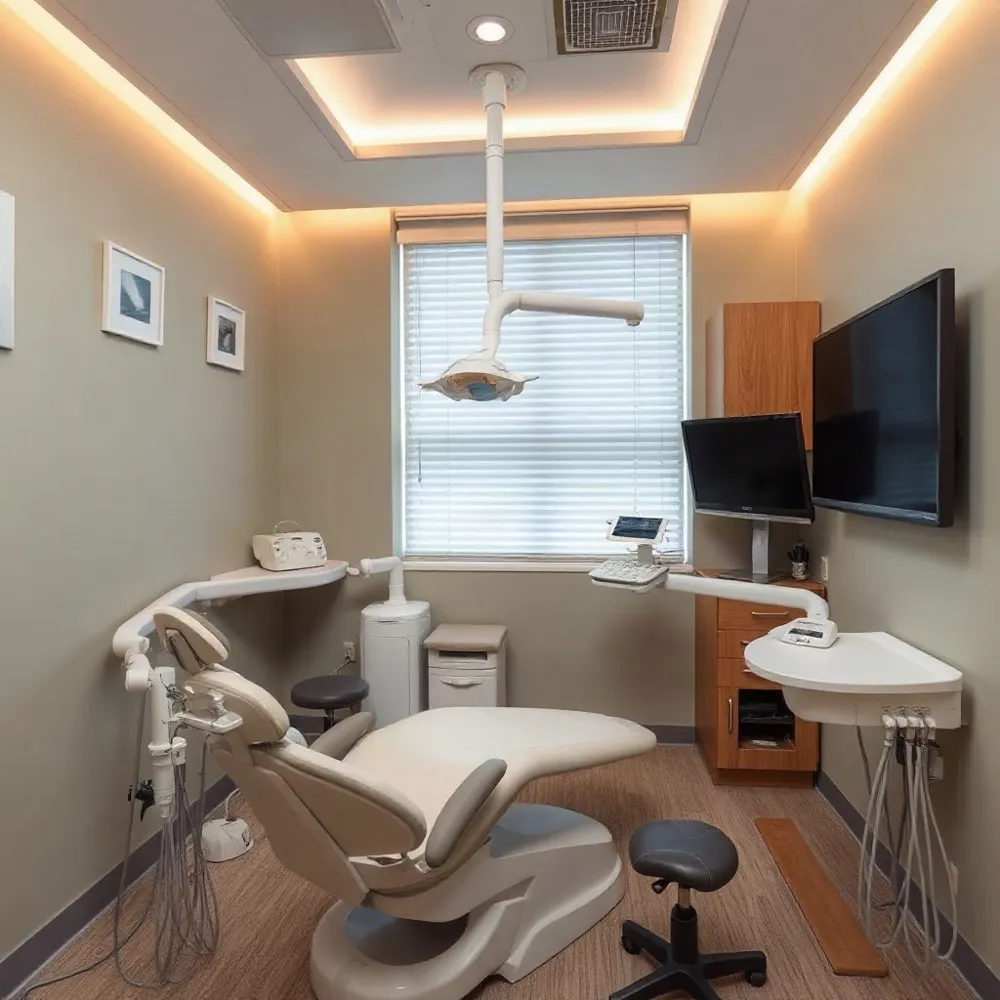 A standard periodontal maintenance appointment typically lasts between 45 and 60 minutes. The visit is more thorough than a routine cleaning, but it is generally less intensive than the initial scaling and root planing treatment.
Most patients do not require local anesthesia, as the procedure is a routine maintenance cleaning rather than an active therapeutic intervention. Your comfort is the priority, so you can let your hygienist know if you experience any sensitivity.
During the appointment, your clinician will update your medical and dental history, perform an oral cancer screening, and measure the depth of every periodontal pocket around each tooth. A deep cleaning above and below the gumline follows, using specialized instruments to remove plaque and calculus from areas a standard cleaning cannot reach.
Aftercare and home hygiene
The aftercare instructions are straightforward. Your clinician will review personalized oral hygiene recommendations tailored to the areas that need extra attention. Standard advice includes brushing twice daily with fluoride toothpaste, flossing once daily, and using an antimicrobial mouthwash to control bacterial regrowth between visits. A diet rich in whole foods and omega-3 fatty acids can also support gum health.
Cost and Insurance Coverage
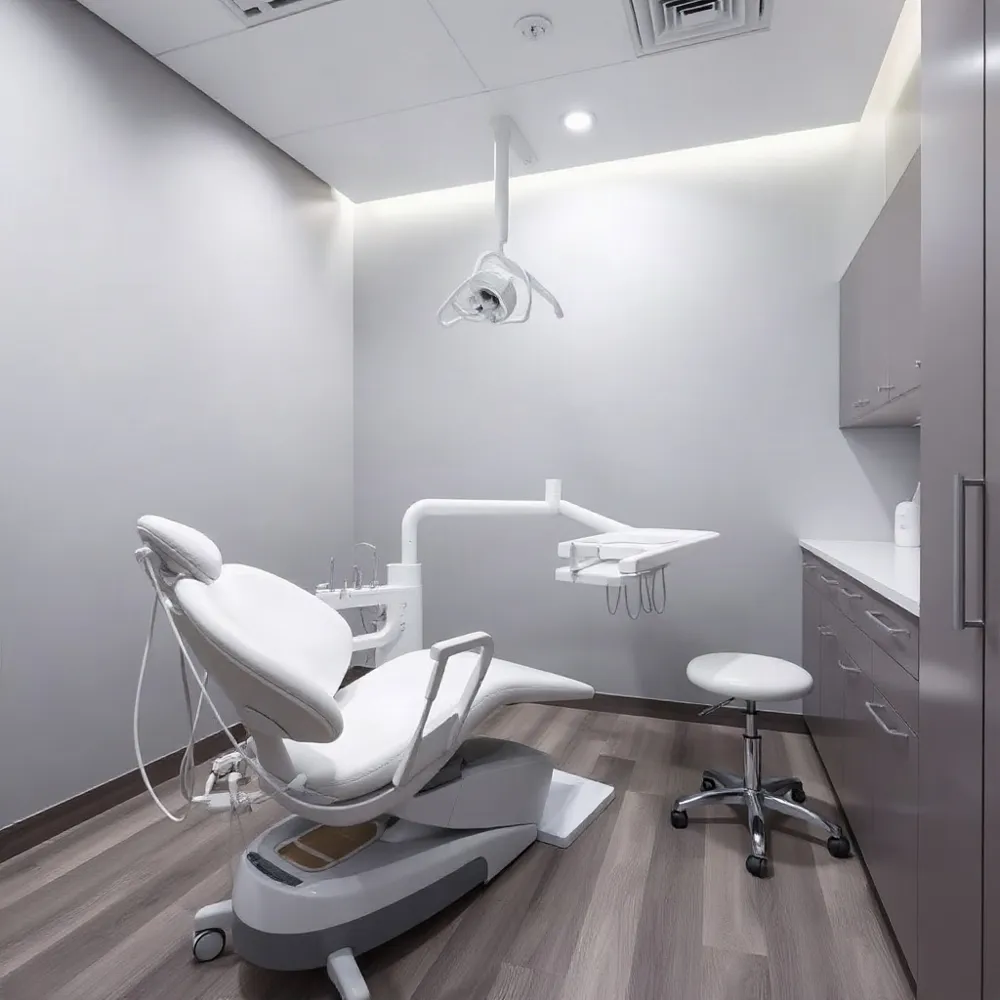 Periodontal maintenance typically costs between $150 and $200 per visit. The final price depends on your location, the complexity of your condition, and whether additional services like local anesthesia or site-specific antibiotics are needed. In New York City, for example, patients without insurance may pay higher rates, while many dental plans cover a portion of the expense.
Most dental insurance plans cover periodontal maintenance under the specific code D4910, but coverage varies widely. Many carriers classify it as a medically necessary procedure and cover 50–80% of the cost after a yearly deductible. However, some policies limit the number of covered visits per year or require that maintenance be performed within a certain timeframe after active periodontal therapy.
Out-of-pocket costs depend on your plan's annual maximum and whether you have already met your deductible. Patients should check with their insurance provider to confirm the frequency and dollar limits of coverage. At practices like those led by Dr. Moezinia at empoweryoursmile.com, the team can help verify benefits and explain any expected copays or deductibles before each appointment.
Evidence and Individualized Care
Dental implants earn consistent praise as the gold standard for replacing missing teeth because they replace the root as well as the crown. A titanium post fuses with the jawbone through osseointegration, preserving bone and keeping adjacent teeth stable. The result is a fixed bite that feels close to natural.
By contrast, a traditional bridge anchors to the neighboring teeth, which means those teeth must be shaved down and may carry extra load over time. The periodontal maintenance required around an implant is also shorter and easier than caring for bridge abutments, which can trap plaque and make hygiene routines more demanding. Patients often find that an implant-supported crown behaves more predictably during chewing and speaking.
How the Implant Process Works
Getting an implant typically spans a few visits: the surgeon places the titanium post, the jaw heals and integrates for several months, and then an abutment and crown are attached. This staged approach lets the bone achieve solid fusion, which is why implants can last for decades with proper care.
During the healing phase, your dentist may advise a short-term provisional so you can eat and smile normally. Once the final crown is seated, you resume routine cleaning and checkups; your dentist will also want to monitor the implant at subsequent visits, just as with any other restoration. This mirrors the recall-based approach used for periodontal maintenance, where consistent professional oversight keeps the supporting structures healthy long term.
Are Implants Right for Everyone?
Most adults with good general health and adequate gum tissue are candidates, but a healed socket and sufficient bone volume are needed. If the jaw has shrunk, a bone graft may be required before the post can be placed. Smoking and poorly controlled diabetes can slow healing, so your dentist will review your medical history carefully before you commit.
Empower Your Smile, a modern general and cosmetic practice in New York City, evaluates each patient's anatomy and goals before recommending an implant. The team pairs the diagnostic planning with a clear cost breakdown, so you understand the timeline and follow-up responsibilities. Because the practice offers complete restorative care under one roof, you avoid the delay of being referred out for the surgical phase.
Implants require adequate bone for the post to anchor securely. This is why the preliminary exam includes a cone beam CT scan when needed, providing a three-dimensional view of your jaw. If grafting is necessary, the added procedure prolongs the overall treatment time by roughly three to six months. Your dentist will walk you through these details before you proceed.
| Aspect | Traditional Bridge | Dental Implant |
|---|---|---|
| Tooth prep | Shaves adjacent teeth | None needed |
| Bone support | No preservation | Fuses with jaw |
| Typical lifespan | 10–15 years | 20+ years |
| Cleaning | Harder to access | Routine hygiene |
If you're weighing an implant against a bridge or partial, talk through the trade-offs with your dentist. Bring questions about healing time, follow-up visits, and how the restoration will feel over time. That conversation is the best way to decide which path supports your smile for the long run.
For more detail on the steps involved, you can read about the full process of getting dental crowns at Empower Your Smile, which covers the restoration side you'll pair with the implant. You can also review how often a deep teeth cleaning is recommended after your restorative work is complete, ensuring your own hygiene schedule matches your new bite.
Staying Ahead of Gum Disease
Once you've completed the active phase of treatment, such as scaling and root planing, the question of how often you need periodontal maintenance visits comes to the forefront. The answer isn't one-size-fits-all. According to the PMC study on periodontal maintenance intervals, the recommended recall frequency is typically determined by individual clinical factors. Factors such as your oral hygiene habits, the severity of your initial condition, and your overall health play a significant role. The study notes that for many patients, a three- to six-month interval is common, but some may need more frequent visits if they are in a higher-risk category.
Three-Month Interval. This is the most common frequency for patients with a history of periodontitis. The rationale is that the bacterial biofilm can re-establish and cause harm within this timeframe. The three-month mark allows your dental professional to interrupt this process before it leads to further attachment loss, making it the standard for most post-treatment patients. CalEmperio (the alternate link at CalEmperio's other resource) emphasizes that this frequent schedule is tailored to your individual risk.
Six-Month Interval. If your oral health remains stable and you demonstrate excellent home care, your dentist may extend the interval to six months. This is often the case for patients with minimal to no inflammation and good compliance. However, it's crucial to note that even at this longer interval, the visits are still considered periodontal maintenance, not just routine cleanings, because they focus on monitoring and managing your periodontal condition. PM vs. routine cleaning explains these differences in detail.
Three to Four Months. Some patients fall between the three- and six-month marks, and for good reason. Your dentist will assess your specific response to treatment, your smoking status, and any systemic conditions like diabetes. A three-to-four-month interval is a common middle ground that provides a margin of safety without over-treating. The PMC study suggests that the appropriate recall interval can range from three to six months, and your dentist will use clinical judgment to find what works best for you.
The financial side of periodontal maintenance is another consideration. During your maintenance visits, you can expect your dental team to measure pocket depths, check for bleeding and inflammation, and remove any tartar that has formed above and below the gumline. These visits are more involved than a routine cleaning, which is reflected in the cost. On average, insurance plans that cover periodontal maintenance may cover 50 to 80 percent of the fee after your annual deductible is met, but the actual out-of-pocket cost varies widely. It's wise to check with both your dental office and your insurer to understand your specific coverage, as original Medicare does not cover routine dental care, which includes maintenance.
| Visit Type | Typical Frequency | Average Out-of-Pocket Cost |
|---|---|---|
| Periodontal Maintenance | Every 3-6 months | $100 - $300 per visit |
| Routine Cleaning | Every 6 months | $75 - $200 per visit |
| Deep Cleaning (SRP) | One-time per quadrant | $200 - $700 per quadrant |
The cost of skipping these visits can be far higher. Untreated gum disease can lead to tooth loss, which may require expensive replacements like implants or bridges. By investing in regular maintenance, you're not only protecting your smile but also potentially avoiding much larger dental bills down the road. Empower Your Smile provides comprehensive care, including periodontal maintenance, designed to keep your mouth healthy and your costs manageable in the long run.
When comparing costs, it's also worth noting that maintaining your gum health through regular visits is far more economical than needing repeated deep cleanings or more extensive surgical procedures. The PMC study reinforces the value of consistent maintenance, as it helps prevent the recurrence of disease. Empower Your Smile partners with you to create a personalized maintenance plan that fits your needs and budget.