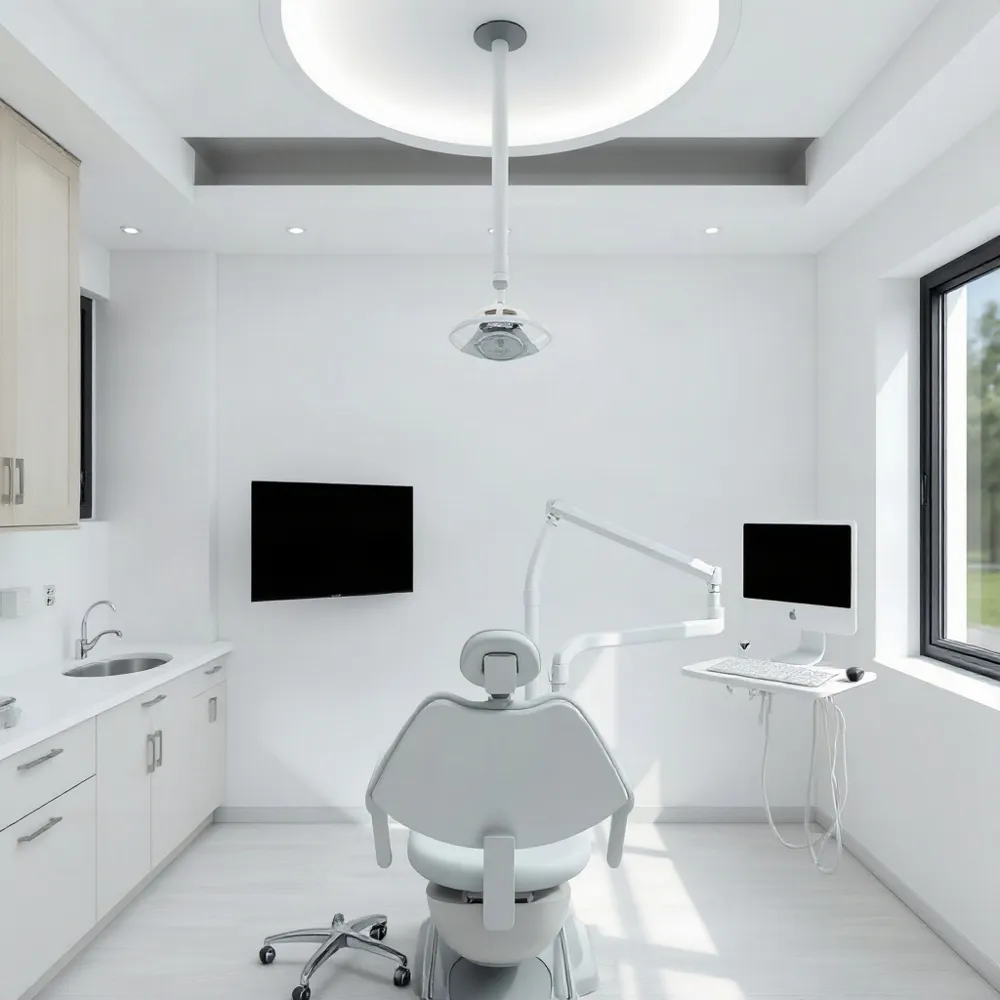
Introduction to Scaling and Root Planing and Its Importance
What is Scaling and Root Planing?
Scaling and root planing is a specialized deep cleaning procedure used to treat gum disease. It involves removing plaque and hardened tartar from both above and below the gumline, followed by smoothing the roots of the teeth to help gums reattach and heal properly.
Role in Treating Gum Disease
This treatment is key in managing gum disease, especially in its mild to moderate stages, such as gingivitis and periodontitis. By eliminating harmful bacteria and cleaning areas unreachable by regular brushing, scaling and root planing help prevent the progression of gum inflammation and tissue damage.
Prevalence and Significance
Gum disease affects nearly half of Americans over age 30, making it one of the most common dental health issues. Left untreated, it can lead to tooth loss and has been linked to broader health problems such as heart disease and diabetes.
Basic Overview of the Procedure
Performed by dental professionals under local anesthesia, the process typically spans one to two appointments lasting one to two hours each. Specialized instruments, including ultrasonic scalers and hand tools, are used to meticulously remove bacterial deposits and smooth root surfaces.
Overall, scaling and root planing is a critical, non-surgical treatment that supports long-term oral and systemic health by halting gum disease progression.
What is Scaling and Root Planing and How Does it Work?

What is Scaling and Root Planing?
Scaling and root planing is a deep dental cleaning procedure primarily used to treat mild to moderate gum disease. It involves two main steps: scaling and root planing. Scaling removes plaque and tartar from the surfaces of teeth both above and below the gumline. Root planing smooths the roots of teeth to eliminate bacterial toxins and promote healthy gum tissue reattachment.
Difference Between Scaling and Root Planing
Scaling focuses on scraping away hardened deposits like tartar and plaque from the teeth and beneath the gumline, which regular brushing cannot reach. Root planing goes deeper, smoothing the rough root surfaces to prevent bacteria from reattaching and to encourage gums to heal and reattach firmly.
Instruments and Anesthesia Used
Dental hygienists, dentists, or periodontists typically use a combination of hand scalers and ultrasonic instruments. Ultrasonic scalers vibrate to break apart tartar quickly and flush debris with water. To ensure patient comfort, local anesthesia is commonly administered during the procedure, making it a pain-free experience.
Session Duration and Number of Visits
The procedure usually takes one to two hours per session and is often completed in one or two visits, depending on the severity of gum disease.
How It Removes Plaque and Tartar Above and Below the Gumline
Unlike routine brushing or cleanings, scaling removes stubborn plaque and tartar deposits beneath the gumline where bacteria thrive and cause inflammation. It targets both visible and hidden areas to reduce bacterial buildup effectively.
Smoothing Roots to Promote Gum Reattachment
Root planing smooths out rough root surfaces, making it difficult for bacteria to colonize again. This smoothing also helps inflamed gums reattach to healthy tooth surfaces, improving gum stability and reducing pockets where infections can develop.
Why Scaling and Root Planing is Non-Surgical
The procedure is non-invasive, involving no incisions or stitches. It relies on specialized instruments and anesthesia to clean deeply beneath the gums painlessly, as opposed to surgical methods required for more advanced periodontal disease.
Advanced Technologies in Modern Dentistry for Scaling and Root Planing
Modern practices integrate digital imaging and 3D scanning to diagnose gum disease precisely. Ultrasonic scalers, a sophisticated technological tool, aid in efficient tartar removal with minimal discomfort. These tools, combined with local anesthesia, enhance the effectiveness and patient comfort during the treatment.
Benefits of Scaling and Root Planing in Reversing and Controlling Gum Disease

How does scaling and root planing procedure halt the progression of gingivitis and periodontitis?
Scaling and root planing are deep cleaning procedures that remove plaque and tartar from above and below the gumline. This treatment halts the progression of gum disease by eliminating bacterial buildup that causes gum inflammation and pocket formation. Early gum disease, or gingivitis, is often fully reversible with this care. For periodontitis, scaling and root planing help control infection and promote gum reattachment, preventing further damage.
How does the treatment impact gum inflammation, bad breath, and bleeding?
By lowering harmful bacteria, scaling and root planing reduce gum swelling, redness, and bleeding. Patients often see improved gum firmness and hygiene, with a notable reduction in bad breath caused by bacterial toxins. This relief typically begins within weeks of treatment.
How does scaling and root planing prevent tooth loss and gum recession?
The procedure removes deposits that encourage gum pockets and bone loss. Smoothing tooth roots allows gums to heal and reattach more tightly, reducing the risk of gum recession and tooth loosening. This helps maintain tooth stability and prevents eventual tooth loss.
How is overall oral and systemic health improved?
Healthy gums act as a barrier to keep bacteria from entering the bloodstream. Treating gum disease reduces risks linked to heart disease, diabetes complications, respiratory problems, and stroke. Thus, scaling and root planing benefit both oral and general health.
What role do antibiotics and antiseptic rinses play after the procedure?
Dentists may prescribe antibiotics or place antimicrobial agents directly into gum pockets to control bacterial regrowth. Antiseptic rinses help soothe irritation and support healing. These adjuncts enhance treatment success and comfort.
Why is personalized care important in dental treatments?
Personalized care ensures that treatment plans reflect each patient’s unique dental condition and risk factors. This customization helps optimize outcomes by tailoring antibiotic use and oral hygiene instructions, resulting in effective healing and reduced chances of gum disease recurrence.
How prevalent is gum disease and why is treatment important?
Gum disease affects nearly half (about 47%) of adults over 30 in the United States. Effective treatments like scaling and root planing are critical to managing this widespread condition early, preventing severe periodontal damage, tooth loss, and systemic health complications.
| Aspect | Benefit | Outcome |
|---|---|---|
| Disease control | Removes plaque and tartar beneath gums | Halts gum disease progression |
| Symptom relief | Reduces inflammation and bacteria | Decreases bleeding and eliminates bad breath |
| Tooth protection | Promotes gum reattachment | Prevents gum recession and tooth loss |
| Systemic health | Limits bacteria entering bloodstream | Lowers risk for heart and respiratory diseases |
| Post-care | Antibiotics and rinses aid healing | Enhances recovery and treatment success |
| Personalized care | Tailors treatment to individual needs | Improves healing and reduces recurrence |
What to Expect: The Procedure, Recovery, and Possible Risks

How is the procedure performed?
Scaling and root planing is a deep cleaning procedure for gum disease used to treat gum disease. During the treatment, local anesthesia in gum treatment is applied to numb the gums, ensuring that the patient is comfortable throughout. Dental professionals use specialized tools, including Hand scalers and ultrasonic instruments, to remove Plaque and tartar buildup effects. Afterward, the Smoothing tooth roots is performed to discourage bacteria from reattaching and to help the gums heal and reattach properly.
How long does the treatment take and how many visits are needed?
The entire procedure generally takes about One to two hour dental treatment. Depending on the severity of the gum disease, it may be completed in Multiple visits and local anesthesia.
What are common post-treatment symptoms?
After Scaling and Root Planing, patients may experience Post-Procedure Care and Sensitivity, including mild soreness, sensitivity, tenderness, or slight bleeding in the gums. These symptoms are typical and usually resolve within about a week as the gums heal.
How should side effects be managed?
Managing discomfort often includes using over-the-counter pain relievers, rinsing with Antibacterial Mouth Rinses or saltwater, and following gentle brushing and flossing techniques as recommended by the dentist. Avoiding tobacco, alcohol, and very hot or spicy foods can also support recovery.
What rare complications might occur?
Though uncommon, some patients may experience Potential risks of scaling and root planing such as prolonged bleeding, gum recession, infection, loose teeth, or increased sensitivity. These complications can be managed by the dental provider if they arise.
How should patients care for their mouth after the procedure?
Good oral hygiene is essential post-treatment. This includes brushing twice daily with a soft-bristled toothbrush, flossing daily, and attending all scheduled Scheduling periodontal maintenance visits. Dentists may also prescribe Arestin Antibiotic Treatment or antiseptic rinses to support healing and reduce bacterial growth.
When should patients contact their dentist?
If bleeding persists, pain worsens, severe swelling develops, or other unusual symptoms occur, it is important to When to Contact Your Dentist Post-Treatment to ensure proper care and prevent complications.
Importance of Professional Care and Maintenance in Gum Disease Management

Role of Regular Dental Cleanings and Periodontal Maintenance
Regular dental cleanings are essential in preventing gum disease from developing or worsening. For patients who have undergone scaling and root planing, periodontal maintenance visits are crucial to remove harmful bacteria before they repopulate. These cleanings target areas below the gumline that routine brushing and flossing can't reach, helping to sustain the health gains from deep dental cleaning.
How Scaling and Root Planing Fits Within Ongoing Gum Health Management
Scaling and root planing is typically an initial deep cleaning procedure for gum disease. Following this treatment, patients need ongoing care through periodontal maintenance to monitor and maintain gum health. This helps prevent recurrence or progression of the disease by addressing lingering bacteria and inflammation.
Need for Follow-Up Exams to Monitor Healing and Pocket Depth
After scaling and root planing, follow-up visits usually occur every three to four months to assess measuring gum pocket depth and healing progress. These exams allow dentists to detect early signs of reinfection or persistent inflammation, adjusting treatment plans as needed to protect the gums and bone.
Behavioral Factors Like Brushing, Flossing, and Avoiding Tobacco
Maintaining good proper oral hygiene practices at home—such as brushing twice daily with a soft-bristled toothbrush, daily flossing benefits, and avoiding tobacco—is vital to sustain the benefits of professional treatments. Tobacco use and poor brushing habits increase the risk of gum disease and interfere with healing.
Impact of Untreated Gum Disease on Systemic Health
Untreated periodontal disease may contribute to systemic health issues, including heart disease, diabetes complications, stroke, respiratory infections, and pregnancy problems. Effective gum disease treatment through professional care can reduce these risks.
Frequency of Periodontal Maintenance Visits and Insurance Considerations
Periodontal maintenance visits usually occur every three to four months—more frequent than routine six-month cleanings—to maintain gum health after treatment. Many dental insurance plans in the United States cover these visits at rates between 50-80%, making ongoing care accessible and affordable for most patients.
The Role of a Patient-Centered Approach in Enhancing Treatment Success

How does personalized care improve treatment adherence and outcomes?
Personalized care in scaling and root planing tailors treatments to individual patient needs, accounting for the severity of gum disease and patient comfort. This approach fosters better adherence as patients feel their concerns are addressed through customized treatment plans, improving outcomes by targeting specific oral health issues effectively.
Incorporation of advanced diagnostic and treatment tools for precise care
Advanced diagnostic tools like periodontal probing and digital imaging help identify the exact extent of gum disease. Combined with hand scalers and ultrasonic instruments, these tools enable thorough and precise removal of plaque and tartar, ensuring that treatment is both efficient and minimally invasive.
Comfort-focused treatments including sedation and pain management
Sedation dentistry significantly enhances patient comfort during scaling and root planing. By reducing anxiety and pain perception, sedation helps patients tolerate the procedure with ease. Local anesthesia in dental cleaning is commonly used, and sedation options are tailored to those with dental phobia or low pain tolerance, ensuring a smooth, pain-free experience.
Educational support for oral hygiene and lifestyle adjustments
Educating patients on effective brushing, flossing, diet modification, and tobacco avoidance is critical after treatment. This knowledge empowers patients to maintain oral hygiene and prevent gum disease recurrence, complementing the benefits of deep dental cleaning procedure.
Building trust for better long-term oral health and patient satisfaction
A patient-centered approach builds trust through clear communication and empathetic care. This trust encourages regular dental checkups, improves oral health maintenance, and boosts patient satisfaction, contributing to sustained periodontal health.
| Aspect | Benefit | Details |
|---|---|---|
| Personalized Care | Better adherence and targeted outcomes | Tailors treatment plans based on individual gum disease severity and patient needs |
| Diagnostic Tools | Accuracy and precision | Utilizes probing and imaging to guide effective plaque and tartar removal |
| Sedation Dentistry | Enhanced patient comfort | Reduces anxiety and pain for smoother, more tolerable procedures |
| Educational Support | Prevents recurrence | Guidance on oral hygiene and lifestyle changes post-treatment |
| Trust Building | Long-term health and satisfaction | Promotes open communication and encourages regular dental visits |
Maintaining a Healthy Smile With Scaling and Root Planing
Benefits of Scaling and Root Planing
Scaling and root planing deeply cleans teeth by removing plaque and tartar from above and below the gumline. This reduces bad breath, stops gum disease progression, prevents tooth loss, and promotes gum healing. Early treatment helps reverse mild gum issues and controls more advanced disease.
Early Intervention and Regular Care
Prompt dental visits for symptoms like bleeding or swollen gums are crucial. Regular check-ups enable early detection and timely treatment. Maintaining good oral hygiene at home supports treatment success.
Personalized Dental Care
Advanced treatments use local anesthesia and specialized tools to ensure comfort and effective cleaning. Dentists tailor care plans to the patient's needs and provide clear aftercare instructions for healing.
Oral and Overall Health
Healthy gums protect against systemic issues linked to gum disease, such as heart and respiratory problems. Scaling and root planing not only preserves your smile but also supports your overall health through effective disease control.