Why Post‑Care Matters
After scaling and root planing, the gums go through a brief healing phase where the protected tissue re‑attaches to the tooth roots and inflammation subsides. Gentle oral hygiene, a soft‑bristled toothbrush and a warm salt‑water rinse three times a day help keep the area clean without disturbing the delicate blood clot that protects the site. Managing discomfort with over‑the‑counter analgesics such as acetaminophen or ibuprofen, and using desensitizing toothpaste, reduces pain and sensitivity while the tissues mature. Lifestyle choices are equally critical: avoiding hard, crunchy, spicy or acidic foods for the first few days prevents mechanical irritation; refraining from smoking for at least three days (ideally longer) preserves blood flow and prevents infection; and limiting vigorous activity for 24‑48 hours minimizes swelling. Together, these steps support faster tissue repair, lower the risk of complications, and set the foundation for long‑term periodontal health.
Immediate After‑Procedure Care: What to Do and What to Avoid
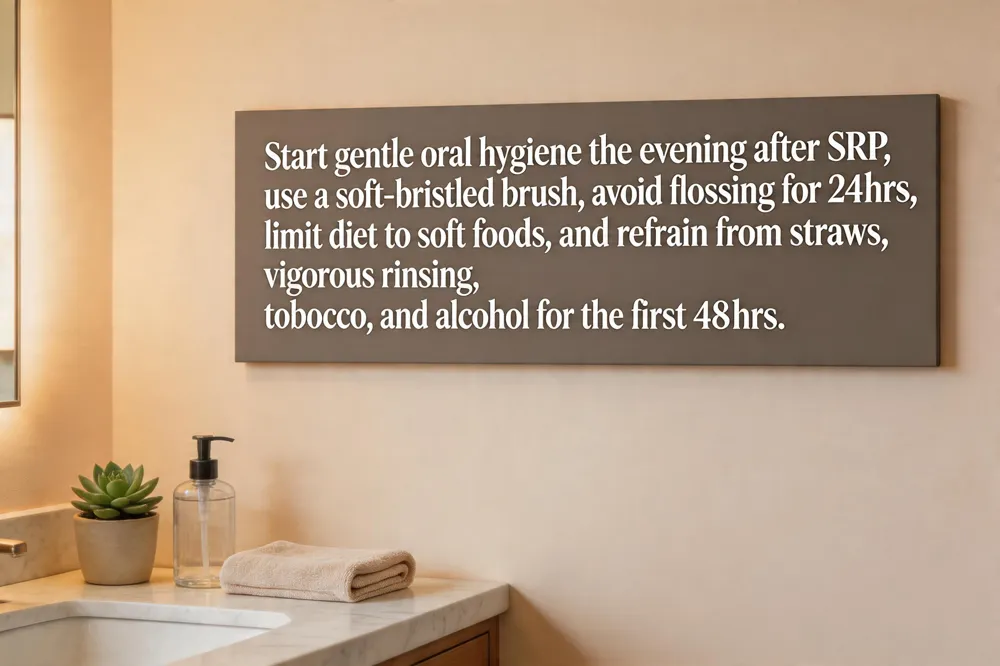 Gentle oral hygiene – Begin the evening after scaling and root planing with a soft‑bristled toothbrush. Brush twice daily using a gentle circular motion and a fluoride or desensitizing toothpaste. Delay flossing for at least one day to protect the forming clot.
Pain management – Over‑the‑counter acetaminophen or similar pain relievers can be used to manage discomfort after scaling and root planing. Avoid aspirin if you are on blood‑thinners.
Dietary recommendations (first 48 hours) – Don't eat or drink until the local anesthetic wears off to avoid biting your tongue or cheek. Stick to soft foods like scrambled eggs and mashed potatoes ideal for early recovery. Skip Avoid sticky, hard, crunchy, spicy, and acidic foods during healing.
Avoid disturbances to the clot – Do not use straws, spit forcefully, or rinse vigorously for the first 24‑48 hours. Do avoid tobacco use for at least three days after scaling and root planing to support faster healing and lower infection risk. Do stay hydrated with water and avoid alcohol for the first 24‑48 hours after treatment. Limit vigorous physical activity for the first 24 hours.
What not to do after scaling – Don't eat or drink until the local anesthetic wears off to avoid biting your tongue or cheek. Avoid aggressive brushing or flossing, and skip alcohol‑based mouthwashes. Do stay hydrated with water and consider Do rinse your mouth three times a day with a warm salt‑water solution (1 tsp salt in warm water) to promote healing and reduce tenderness.
Healing Timeline and Follow‑Up Care
 Typical Duration of Gum Tissue Recovery
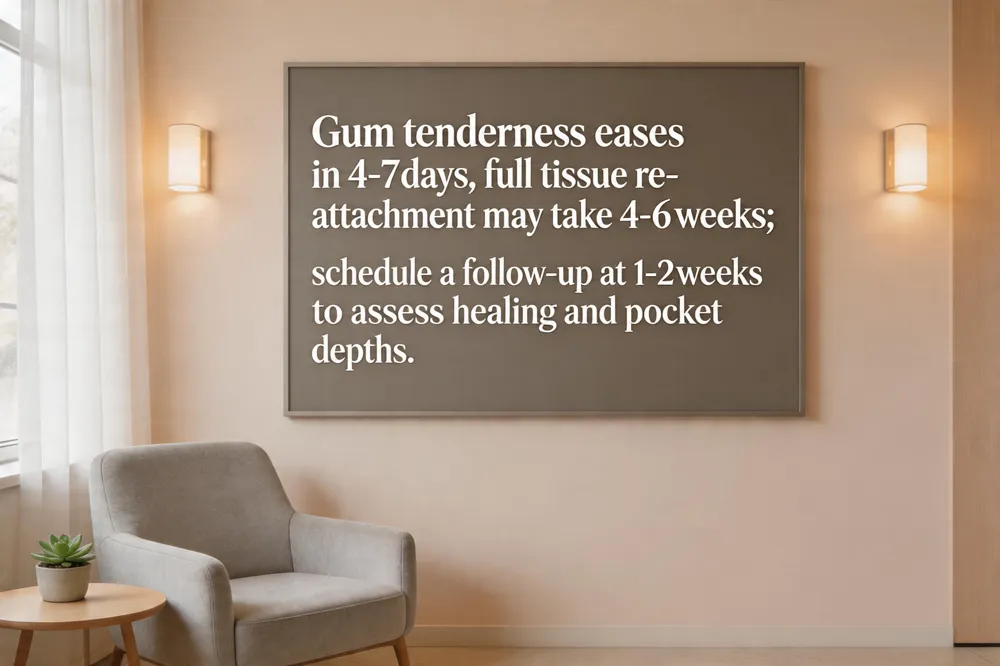
After scaling and root planing, gum tenderness and minor bleeding are common for the first 4‑7 days. Most patients feel back to normal within about a week, while swelling and sensitivity diminish over the next 10‑14 days. Full re‑attachment of gum tissue to tooth roots may take 4‑6 weeks.
When to Resume Normal Activities and Diet
Gentle oral hygiene can begin the evening of the procedure, using a soft‑bristle brush.
Flossing should be delayed at least one day.
Stick to a soft, cool diet (yogurt, mashed potatoes, scrambled eggs) for the first 2‑3 days; avoid hard, crunchy, spicy, acidic, or hot foods until comfort returns. Light physical activity is fine after the first 24‑48 hours; strenuous exercise should be postponed for a couple of days.
Importance of Post‑Operative Appointments
Follow‑up visits, typically scheduled 1‑2 weeks after SRP, allow the dentist to assess healing, measure pocket depths, and address any complications. Promptly reporting persistent pain, swelling, or bleeding ensures timely intervention.
Additional Resources
- Post‑operative instruction PDF: https://www.thompsoncenterfordentistry.com/wp-content/uploads/2017/03/SRP-Post-opt-.pdf
- Cook Periodontics guide: https://www.cook-perio.com/wp-content/uploads/2019/09/Scaling-and-Root-Planing-Post-Op-Instructions.pdf
How long does it take for gums to heal after scaling and root planing?
Gums are usually tender for 4‑7 days, with most patients feeling normal within a week; full tissue re‑attachment can require 4‑6 weeks.
Scaling and root planing post‑operative instructions PDF
Download the ready‑to‑use PDF from the Thompson Center for Dentistry (link above) for detailed day‑by‑day care instructions.
Periodontal surgery post op instructions
Apply ice packs for 20 min on/10 min off (first 24‑48 h), switch to warm compresses, eat soft foods, avoid straws, smoking, and vigorous rinsing; follow prescribed meds and attend follow‑up.
Periodontal dressing
A protective, elastic dressing (e.g., PerioCare®) stabilizes blood clots, shields tissue, and enhances comfort during early healing.
When can I drink coffee after gum graft surgery?
Enjoy cool or room‑temperature coffee after the first 24 hours; avoid hot drinks and straws until the graft is stable.
When a Deep Cleaning Is Needed (and When It Isn’t)
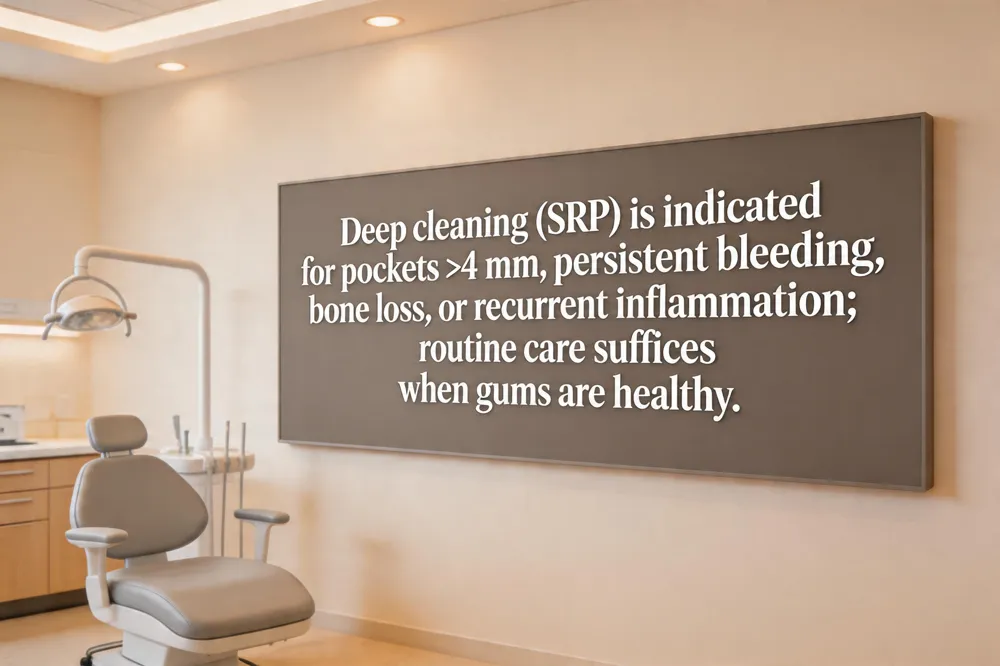 Scaling and root planing (SRP) is indicated when clinical signs reveal sub‑gingival plaque and calculus that cannot be removed with routine prophylaxis. Typical indicators include periodontal pockets deeper than 4 mm, persistent bleeding on probing, radiographic bone loss, or recurrent gum inflammation despite diligent home care. If a patient maintains healthy gums with regular cleanings, an electric brush, and proper flossing, deep cleaning is usually unnecessary and may cause needless tissue trauma.
Unnecessary scaling and root planing – SRP should be performed only after a thorough exam, probing depths, and X‑rays confirm moderate‑to‑severe periodontitis. Otherwise, focus on enhanced oral hygiene and professional maintenance rather than invasive treatment.
Periodontal surgery cost – Non‑surgical deep cleanings run roughly $150–$300 per quadrant in the U.S. Surgical options such as flap or pocket‑reduction surgery range from $500 to $1,500 per quadrant, while grafts or osseous surgery can exceed $3,000 for extensive cases. Insurance, financing, and regional price variations affect the final out‑of‑pocket expense.
What are the 5 P’s of periodontics? – Predictive, preventive, personalised, participatory, and periodontology with a focus on implantology. These principles guide clinicians in tailoring,, involving patients, and using data‑driven strategies to maintain long‑term gum health.
Choosing the Right Oral‑Care Products After Deep Cleaning
 After scaling and root planing, gentle oral hygiene is essential for optimal healing. Use a soft‑bristled toothbrush and brush with a light circular motion, avoiding the treated sites for the first 24 hours; resume normal gentle brushing the next day. Choose a desensitizing toothpaste or fluoride toothpaste that soothes post‑procedure sensitivity and supports enamel remineralization. Formulas containing potassium nitrate, stannous fluoride, or hydroxyapatite—such as Sensodyne Pronamel, Crest Gum Detoxify Deep Clean, or Parodontax Clean Mint—provide effective relief while being low‑abrasive, making them ideal for the first week after deep cleaning. For antimicrobial protection, rinse three times daily with a warm salt‑water solution (¼ tsp salt in a glass of warm water) or an alcohol‑free chlorhexidine mouthwash if your dentist prescribes one; this reduces bacterial load without irritating healing gums. If a periodontal dressing was placed, leave it undisturbed until it naturally dissolves or the dentist advises removal; it protects the clot, minimizes discomfort, and promotes tissue repair. Finally, avoid smoking, hard or spicy foods, and aggressive flossing for at least 48 hours, and take over‑the‑counter pain relievers like acetaminophen or ibuprofen as needed.
Gum Graft Recovery: Stitches, Bandages, and the Toughest Day
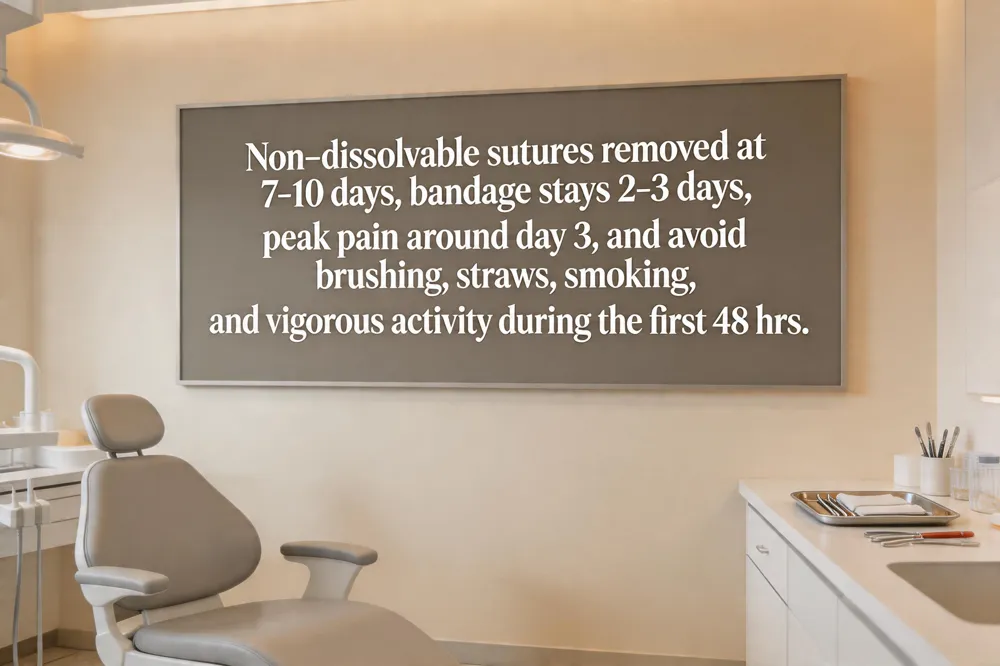 Recovery after a soft‑tissue gum graft follows a predictable timeline. Stitch removal: Non‑dissolvable sutures are typically taken out at the first follow‑up, usually 7‑10 days post‑surgery. If the clinician used absorbable stitches, they dissolve on their own within 1‑3 weeks (occasionally up to 6 weeks). Your periodontist will confirm the exact date based on healing progress. Bandage removal: A pink, putty‑like dressing protects the graft for the first 2‑3 days. Keep it in place until the dentist advises otherwise; gently peel it off with clean fingertips or a soft gauze—do not force it. If it dislodges early, contact the office before re‑applying. Pain peak: Most patients report the highest discomfort during the first three days, gradually easing by day 10‑14. What not to do: Avoid brushing or flossing the graft site for at least one week, use only gentle, soft‑bristled brushing on surrounding teeth, and refrain from mouth‑rinse suction, straws, smoking, hard or crunchy foods, and vigorous exercise for the first 24‑48 hours. Skip alcohol‑based mouthwashes and any non‑prescribed meds that could increase bleeding. Follow these guidelines and keep in touch with your dental team for a smooth, uneventful healing process.
Your Roadmap to a Healthy, Confident Smile
After scaling and root planing, start with gentle oral hygiene: brush twice daily with a soft‑bristled toothbrush, avoid flossing for the first day, and rinse three times a day with a warm salt‑water solution (1 tsp salt per cup of warm water). Manage any discomfort with over‑the‑counter analgesics such as acetaminophen or ibuprofen, and stick to a soft‑food diet (scrambled eggs, mashed potatoes, yogurt) for the first 48–72 hours. Refrain from smoking, alcohol, and hard or spicy foods during the initial healing period, as they can delay tissue repair and increase infection risk.
Empower Your Smile is here to support you—please schedule your follow‑up appointment within 1–2 weeks and contact us promptly if you notice prolonged bleeding, severe pain, or swelling. Our team will answer any questions and adjust your care plan as needed.
Long‑term success depends on consistent maintenance: continue brushing twice daily, floss gently, use a prescribed antimicrobial mouthwash if advised, and attend periodontal check‑ups every 3–4 months. A balanced diet, adequate hydration, and tobacco‑free lifestyle further reinforce gum health, keeping your smile confident for years to come.