A Smile Makeover Is More Than a Cosmetic Fix
Smile makeovers do far more than brighten teeth; they trigger a cascade of psychological benefits that improve mood, confidence, and social functioning. Research shows that a healthier‑looking smile releases dopamine, serotonin and endorphins, lowers cortisol, and reduces social anxiety, leading to higher self‑esteem, better interpersonal relationships, and even greater career success. Modern cosmetic dentistry delivers these lasting changes through minimally invasive, technology‑driven procedures such as Zoom! professional whitening, custom porcelain veneers, clear aligner therapy, and dental implants. Digital smile design and 3‑D imaging allow clinicians to craft a result that harmonizes with facial features, while high‑quality materials ensure durability for years. Empoweryoursmile embraces a patient‑centered philosophy, beginning every case with a comprehensive oral‑health exam, personalized goal‑setting, and transparent communication about treatment options. By aligning aesthetic goals with functional health, the practice empowers patients to maintain their new smile through better oral‑hygiene habits and regular follow‑ups, creating a positive feedback loop that sustains both oral health and mental well‑being.
Why Smiles Change Your Brain
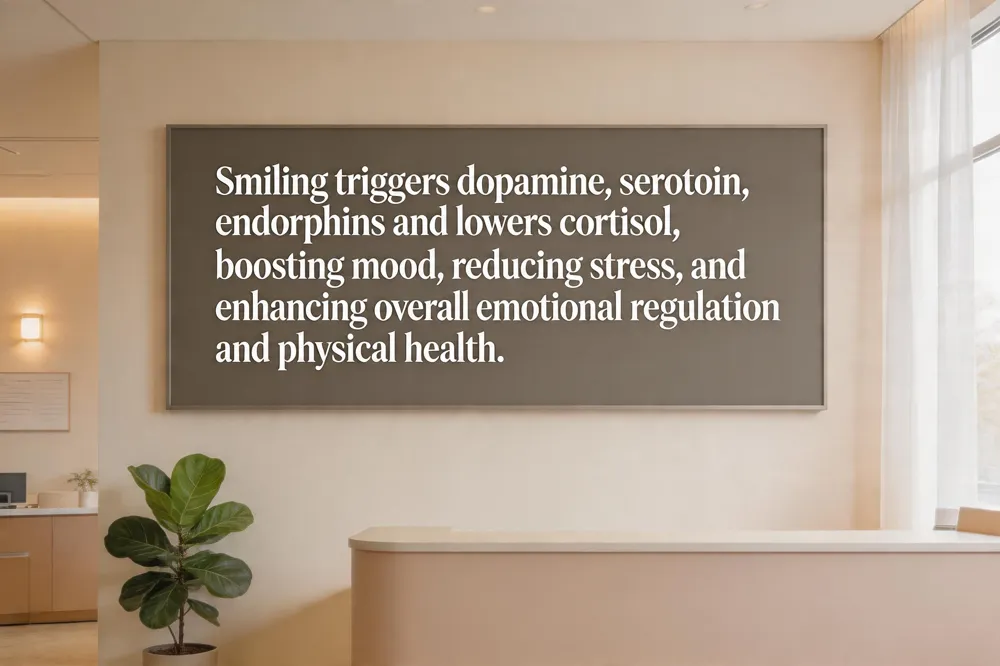 When we smile, the brain automatically releases a cocktail of feel‑good neurotransmitters—dopamine, serotonin, and endorphins. These chemicals activate reward pathways such as the nucleus accumbens, creating a pleasurable sensation that elevates mood and reduces perceived stress. The facial‑feedback hypothesis explains that the physical act of smiling can itself enhance emotional state: the muscles involved in a smile send signals to the brain that are interpreted as happiness, even when the original feeling was neutral. This feedback loop reinforces positive affect and can improve overall emotional regulation. In addition to the boost in “happy” chemicals, smiling triggers a measurable drop in cortisol, the body’s primary stress hormone. Lower cortisol levels are associated with reduced blood pressure, a calmer heart rate, and a stronger immune response, helping the body fend off illness more effectively. Together, these neurochemical and hormonal shifts turn a simple smile into a powerful, self‑reinforcing tool for mental well‑being and physical health.
From Self‑Esteem to Social Success
 A smile makeover—through whitening, veneers, bonding, clear aligners, or implants—can significantly increase a person's self‑confidence. Studies consistently show that patients report a measurable boost in self‑esteem within weeks of treatment, feeling freer to laugh, speak, and engage without hiding dental imperfections. This newfound confidence directly lowers social anxiety; individuals are more willing to initiate conversations, attend social gatherings, and participate in networking events, as the fear of judgment diminishes.
Beyond personal comfort, a revitalized smile reshapes how others perceive you. Research indicates that people with straight, bright smiles are judged as more competent, trustworthy, and successful. In professional settings, this “halo effect” translates into higher interview callback rates, better client relations, and greater leadership opportunities. Employers and colleagues often associate a polished smile with reliability and professionalism, giving makeover with a cosmetic edge an advantage in hiring and promotion decisions.
Is Dr. Michael APA a real doctor?
Yes, Dr. Michael Apa is a bona fide dentist. He earned his Doctor of Dental Surgery (DDS) degree from New York University College of Dentistry and holds a Bachelor of Science in Biology from LeMoyne College. Dr. Apa is an assistant clinical professor in the Aesthetics Department at NYU College of Dentistry and serves on several professional boards, including the American Academy of Cosmetic Dentistry and the American Dental Association. He has founded the global aesthetic dental brand Apa Aesthetic, with offices in New York, Dubai, Los Angeles, and Miami. His extensive media presence, awards, and celebrity clientele further confirm his real credentials and active practice.
The 4‑8‑10 Veneer Blueprint
 When planning a smile makeover, dentists often rely on the 4‑8‑10 rule as a quick‑reference guide for veneer placement. What is the 4‑8‑10 rule for veneers? The rule designates four veneers for the two central incisors on each side, eight veneers for a canine‑to‑canine spread, and ten veneers extending to the first premolars. The exact count varies with individual smile width, aesthetic goals, and the condition of surrounding teeth.
How many veneers are needed for different smile widths? A narrow smile that shows only the incisors may be corrected with four veneers, while a medium‑wide smile benefits from eight veneers to achieve a harmonious, full‑front look. Patients with a broader display that includes the canines and premolars often require ten veneers for seamless continuity.
Aesthetic goals behind the 4‑8‑10 rule revolve around achieving symmetry, proportion, and a natural tooth‑to‑gum relationship. By extending coverage progressively, the rule ensures that the smile retains balanced visual weight and avoids abrupt transitions.
Balancing minimal preparation with maximum symmetry involves using ultra‑thin, minimally invasive porcelain veneers that preserve tooth structure while delivering a uniform, symmetrical appearance. This approach meets the patient’s desire for a stunning smile without excessive dental alteration.
Long‑Term Care: What Happens After 20 Years
 Veneers are a popular choice for a lasting smile makeover, but after two decades the oral tissues and the bonding agents begin to show wear. The porcelain shells themselves remain strong, yet the resin cement that adheres them to the tooth can lose its bond strength, leading to micro‑leakage and marginal staining. Simultaneously, gum recession may expose the thin veneer edge, creating a darker line at the gum line that can be aesthetically displeasing. Minimal recession also reveals the prepared enamel, making the restoration more vulnerable to chips, cracks, or decay at the margins.
When these changes become noticeable, patients typically consider replacing the veneers. Regular dental check‑ups are essential; they allow the dentist to monitor bond integrity, gum health, and color stability, and to intervene before major problems arise. Early detection enables a seamless transition to new veneers, preserving a seamless, confident smile while maintaining oral health.
Key takeaways:
- Porcelain durability vs. bond strength: bond weakens over time.
- Gum recession and margin staining can reveal veneer edges.
- Routine exams help determine the optimal timing for replacement.
Beyond Looks: Functional and Lifestyle Gains
 A smile makeover does more than create a brighter grin—it restores function and encourages healthier living. By correcting misaligned teeth or closing gaps, procedures such as porcelain veneers, clear aligners, and dental implants improve bite harmony, which can alleviate temporomandibular joint (TMJ) strain and reduce jaw‑clicking or pain. Proper alignment also enhances speech clarity, allowing patients to speak confidently without worrying about slurred or mumbled words.
When teeth are straight, evenly spaced, and free of chips or stains, daily oral hygiene becomes easier. Brushing and flossing reach all surfaces more effectively, lowering plaque buildup and the risk of cavities and gum disease. The protective layer of veneers and the seal of well‑placed implants further guard against decay, supporting long‑term oral health.
The psychological ripple effect is powerful. Experiencing immediate functional relief and a cleaner mouth often motivates patients to adopt broader healthy habits—regular dental visits, balanced nutrition, and reduced tobacco or sugary‑drink consumption. This feedback loop enhances overall mental well‑being: reduced stress hormones, increased dopamine and serotonin from smiling, and a heightened sense of self‑care all combine to promote a more confident, healthier lifestyle.
Your New Smile, Your New Outlook
Smile makeovers tap into powerful neuro‑psychological pathways: the act of smiling releases dopamine, serotonin and endorphins while lowering cortisol, which lifts mood, reduces stress, and improves immune function. Research shows that a healthier‑looking smile boosts self‑esteem, cuts social anxiety, and enhances perceived competence, leading to better personal and professional interactions. At Empoweryoursmile we blend cutting‑edge science—digital smile design, minimally invasive veneers, Zoom! whitening, and clear aligners—with artistic artistry and a personalized care plan that addresses each patient’s aesthetic goals and oral‑health needs. Our comprehensive consultation maps out a treatment roadmap that not only transforms teeth but also unlocks the emotional and social benefits documented in multiple clinical studies. Ready to experience the unexpected confidence boost? Schedule your personalized consultation today and discover how a new smile can reshape your outlook on life.