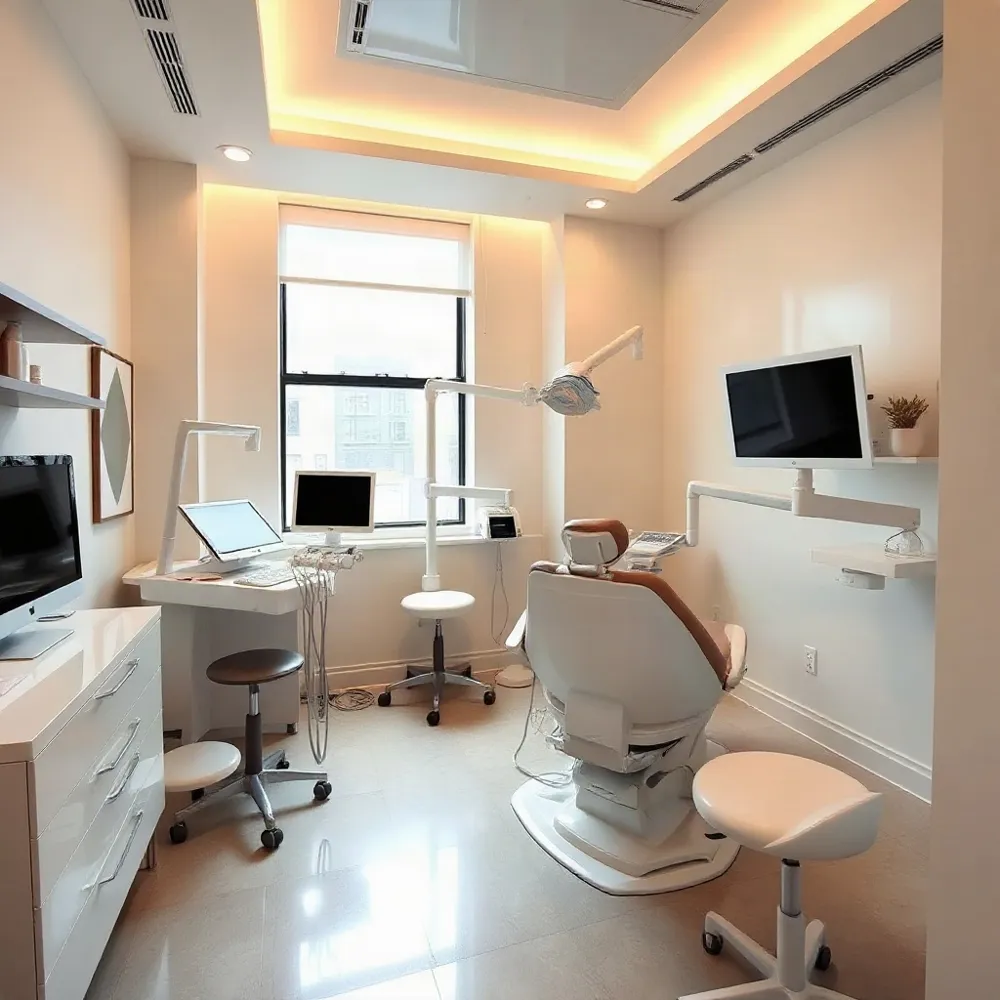
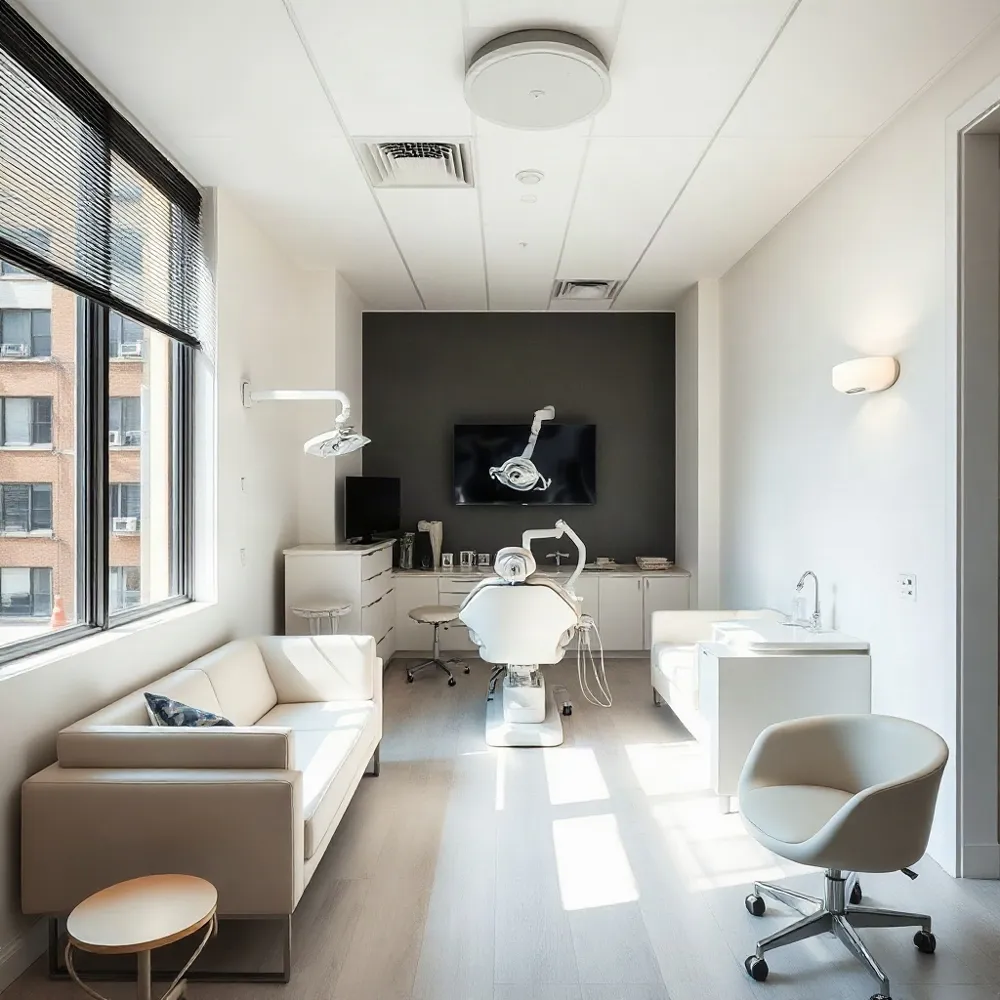
Introduction to Teeth Whitening: Enhancing Your Smile Safely and Effectively
What is Teeth Whitening?
Teeth whitening is a popular cosmetic dental procedure aimed at lightening the color of your teeth and removing stains and discoloration. It can dramatically brighten your smile, boosting confidence and even creating a younger appearance. The procedure typically involves using bleaching agents like hydrogen peroxide that break down stain molecules within the enamel.
Why Choose Professional Whitening?
Professional whitening treatments offer safer and faster results compared to over-the-counter options. Dentists evaluate your oral health beforehand, preventing potential pain, irritation, or damage. In-office treatments use stronger bleaching gels and protective measures, often showing noticeable whitening within a single session. Custom-fitted trays for at-home use also deliver effective results with proper guidance.
Maintaining Your Bright Smile
A bright smile requires more than just whitening treatments. Consistent oral hygiene, including brushing twice daily and flossing, is essential for removing food debris and plaque that cause stains. Lifestyle factors—such as avoiding tobacco, limiting stain-causing foods and drinks like coffee, tea, and red wine, and rinsing after consumption—play a significant role in preserving whiteness. Regular dental checkups and professional cleanings also maintain and extend the effects of whitening procedures.
By combining professional whitening with good daily habits, you can safely enhance and preserve your smile's brightness for months or even years.
Professional Teeth Whitening: Methods, Benefits, and Safety

In-office vs at-home professional whitening methods
Professional teeth whitening generally offers two main approaches: In-office whitening benefits and At-home whitening method programs supervised by a dentist. In-office whitening uses high-concentration Whitening gels with peroxide (typically hydrogen peroxide 35-40%) activated under protective barriers and sometimes with special lights or lasers. This method usually completes within 1-2 hours and provides rapid, noticeable Results of first whitening session often after just one visit. At-home treatments involve custom-fitted trays supplied by a dentist, filled with lower-strength peroxide gels (carbamide peroxide, usually 10-38%), used daily over one to two weeks for gradual whitening. Both methods are effective, but the in-office process is faster, while at-home kits offer convenience with slower results.
Use of peroxide gels and technology in treatments
Whitening gels with peroxide are the active bleaching agents; hydrogen peroxide breaks down stain molecules to lighten teeth color chemically. In-office whitening benefits employ stronger peroxide formulations and protective measures on gums and lips to prevent irritation. Although special lights or lasers are sometimes used to accelerate results, evidence suggests these add little benefit and can increase Tooth sensitivity after whitening risk. Dentists ensure precise gel application and safety controls during treatment, maximizing both efficacy and patient comfort.
Common side effects like sensitivity and how to manage them
Tooth sensitivity after whitening is the most common side effect, affecting 15-78% of patients after whitening. It is generally temporary, lasting 1-3 days, and is related to peroxide penetrating enamel and irritating nerves. Using desensitizing agents containing fluoride or potassium nitrate before, during, and after treatment helps reduce discomfort. Gum irritation can also occur but is minimized through professional supervision and proper application.
Importance of dental evaluation before whitening
A thorough Dentist teeth and gum health check is essential before whitening to assess gum and tooth health, detect cavities or periodontal issues, and evaluate existing restorations like crowns or veneers that do not whiten and could affect results. Dentists advise on the most suitable whitening method and timing, ensuring treatment safety and effectiveness, especially for patients with dental work or sensitivity concerns.
Safety guidelines including avoiding DIY methods
Professional teeth whitening is safe when expertly administered. Patients should avoid DIY hacks such as using lemon juice, baking soda excessively, or unregulated peroxide solutions due to risks of enamel erosion, gum damage, and unpredictable results. Using only dental-approved products following manufacturer and dentist instructions ensures safety. Post-whitening care guidelines involve using fluoride toothpaste, limiting stain-causing foods and beverages, and maintaining regular dental cleanings and checkups to prolong whitening effects.
What services are typically included in a modern general and cosmetic dentistry practice?
A modern general and cosmetic dentistry practice encompasses Routine dental cleanings and fluoride treatments to prevent decay, emergency dental care, and advanced procedures such as Professional teeth whitening, porcelain veneers, dental implants, and sedation dentistry. These services focus on personalized comfort, safety, and achieving Patient-centered whitening care, esthetically pleasing outcomes.
Maintaining Whitening Results: Oral Hygiene and Lifestyle Habits
Daily brushing and flossing essentials
Maintaining a bright smile starts with consistent oral care. Brushing teeth twice daily with fluoride toothpaste is crucial to remove plaque, surface stains, and prevent discoloration. Daily brushing and flossing helps eliminate trapped food debris and plaque from between teeth where brushes can't reach, supporting gum health and preventing stains.
Avoiding or minimizing intake of stain-causing foods and beverages
Limiting consumption of stain-inducing items like coffee, tea, red wine, soda, dark berries, tomato sauces, and soy sauce helps preserve whitening results. When consuming these, drinking through a straw and rinsing the mouth with water afterward can reduce pigment contact with enamel.
Use of fluoride toothpaste and desensitizing agents
Fluoride toothpaste strengthens enamel, which helps resist surface stains and sensitivity. For those experiencing Tooth sensitivity after whitening, toothpaste containing potassium nitrate or specialized desensitizers can soothe discomfort while maintaining oral health.
Role of regular dental cleanings in sustaining whiteness
Professional Regular dental cleanings performed every six months remove stubborn plaque and tartar that brushing cannot eliminate. This not only refreshes natural tooth whiteness but also prevents gum disease and decay, which can compromise the smile's appearance.
Recommendations to reduce tobacco use and sugary snacks
Tobacco use deposits stubborn nicotine and tar stains that are difficult to remove, making quitting essential for lasting whiteness. Additionally, reducing sugary snacks lowers bacteria that erode enamel and cause discoloration, contributing to a cleaner, whiter smile.
Dental practices emphasize patient comfort and personalized care by tailoring Professional teeth whitening treatments to individual lifestyle and oral health needs. They create a welcoming atmosphere, communicate clearly, and deploy Advanced whitening technology to minimize discomfort and ensure safe, predictable results. This Patient-centered whitening care supports long-term whitening success and improved oral health.
Natural and Over-the-Counter Whitening Options: What Works and What to Avoid
How effective are whitening toothpastes and strips?
Whitening toothpastes typically contain mild abrasives, peroxide, baking soda, or activated charcoal. They help remove surface stains and gradually brighten teeth but don't alter deeper discoloration. Over-the-Counter Whitening Kits contain low concentrations of hydrogen peroxide and can lighten teeth by 1-2 shades over a couple of weeks when used as directed. However, they are less potent and slower compared to professional teeth whitening treatments.
What role do natural remedies play in teeth whitening?
Natural methods include baking soda, activated charcoal, and oil pulling:
- Baking soda acts as a mild abrasive that scrubs away surface stains and creates an alkaline environment unfavorable to bacteria. Used sparingly, it can improve whiteness safely.
- Activated charcoal may bind surface stains and toxins. While popular, scientific evidence supporting its whitening effect is limited.
- Oil pulling with coconut oil can reduce bacteria and plaque, contributing to a cleaner mouth and brighter teeth but does not bleach enamel.
These remedies can support surface whitening but are not replacements for professional teeth whitening treatments.
What are the risks of using high-concentration hydrogen peroxide at home?
Unregulated use of hydrogen peroxide, especially in high concentrations, can lead to gum irritation, tooth sensitivity, enamel erosion, and damage to dental restorations. Home use without professional supervision increases these risks and is generally not recommended. See Risks of High-Concentration Hydrogen Peroxide.
Why is professional guidance important?
Dentists provide custom-fitted whitening trays and control peroxide concentrations, ensuring effective and safe whitening with minimal side effects. They evaluate oral health before treatment to prevent complications. Consulting a dental professional helps avoid improper use, manage sensitivity, and choose suitable methods, especially for teeth with restorations or sensitivity. Learn more about Consultation before whitening and Professional teeth whitening.
The Impact of Dental Restorations and Cosmetic Solutions on Whitening
Why crowns, veneers, fillings do not whiten with bleaching
Crowns, veneers, and fillings are made from materials such as porcelain and composite resin that do not respond to bleaching agents. Unlike natural teeth enamel, these restorations do not change color when exposed to Whitening gels with peroxide, which only lighten the natural tooth structure.
Planning whitening treatments around dental restorations
Because restorations remain their original shade, dentists carefully plan Types of whitening treatments to ensure even tooth color. Whitening is typically done before placing new restorations to match the brightened teeth, preventing mismatched shades and guaranteeing a harmonious smile.
Alternative cosmetic treatments like bonding and veneers for discolored teeth
For teeth with severe intrinsic staining or where whitening is ineffective, cosmetic options like Tooth bonding with porcelain or resin, Porcelain veneers, or crowns are viable alternatives. These restorations cover discoloration and can correct imperfections, offering a uniformly bright smile.
Benefits of combining cosmetic and general dentistry services
Combining general and cosmetic dentistry services allows seamless planning that addresses both esthetic and functional needs. This integration reduces the need for referrals, enables personalized and holistic care, and enhances patient satisfaction by delivering healthy, beautiful smiles efficiently through Cosmetic dentistry procedures.
Professional Whitening Procedures Explained: What to Expect
Step-by-step overview of in-office whitening processes
Professional teeth whitening is a quick and effective cosmetic dental procedure. It usually begins with a thorough cleaning of your teeth to remove plaque and debris. Next, dentists apply retractors and protective barriers to shield the gums and soft tissues from the bleaching agents. A concentrated whitening gel, commonly containing 35-40% hydrogen peroxide, is then carefully applied to the teeth.
Use of protective barriers and LED or low-heat lights
Protective barriers safeguard sensitive gum tissue during the procedure. Some treatments use LED or low-heat light to activate the gel and potentially accelerate the whitening process, though recent research suggests light activation does not significantly boost whitening effectiveness but can increase sensitivity (Tooth whitening basics).
Duration and number of sessions typically required
In-office whitening sessions typically last between 60 to 90 minutes, often providing noticeable results in a single visit. However, some patients may require multiple sessions depending on their desired shade of whiteness and the severity of staining (Professional teeth whitening benefits).
Managing post-appointment sensitivity and care
Post-treatment, patients frequently experience temporary tooth sensitivity and mild gum irritation. These symptoms usually last 1 to 3 days and can be managed with desensitizing toothpaste containing fluoride or potassium nitrate, as well as over-the-counter pain relievers. Avoiding stain-causing foods and drinks such as coffee, tea, red wine, and acidic items for at least 24 to 48 hours is recommended (Post-whitening care guidelines).
Frequency of touch-up treatments and long-term maintenance
To maintain bright results, touch-up whitening treatments may be necessary every 3 to 6 months, depending on lifestyle factors such as diet and smoking habits. Maintaining good oral hygiene through Regular dental cleanings supports long-lasting whitening effects and overall oral health.
Personalized Patient Experiences: Comfort, Care, and Confidence
How do dental practices emphasize patient comfort and personalized care?
Dental practices prioritize patient-centered whitening care by customizing whitening treatments to individual needs and sensitivities. Before any procedure, dentists conduct thorough evaluations to ensure oral health suitability, tailoring peroxide concentrations and treatment durations accordingly. Clear communication plays a pivotal role in setting realistic expectations and addressing any patient concerns, fostering trust and reassurance.
How is patient comfort enhanced during whitening procedures?
Sedation dentistry options and advanced technologies, such as gentle whitening gels with peroxide and protective barriers, help minimize tooth sensitivity after whitening and gum irritation. In-office whitening benefits include treatments designed to be swift and painless, with dental teams monitoring comfort throughout sessions. These measures ensure that patients experience minimal discomfort while achieving effective results.
What holistic benefits do whitening treatments provide beyond aesthetics?
Professional teeth whitening treatments boost self-esteem and confidence by brightening smiles, encouraging more social interaction and positive self-image. Additionally, professional whitening encourages patients to maintain good oral hygiene practices and regular dental checkups, contributing to overall oral health improvement.
How do dental practices provide ongoing support post-treatment?
Regular dental checkups and cleanings help maintain whitening results and monitor oral health. Dentists offer touch-up treatments and reinforce lifestyle advice, such as avoid stain-causing foods and drinks and proper brushing and flossing techniques. This continuous care approach ensures long-lasting benefits and sustained patient satisfaction.
Sustaining Your Bright Smile: The Path Forward with Professional Care
Professional Whitening Benefits and Safe Practices
Professional teeth whitening offers faster, more reliable results compared to home kits. Dentists use stronger peroxide-based gels under careful supervision, which minimizes risks such as gum irritation and tooth sensitivity. This controlled setting ensures safe application, especially for individuals with restorations or dental concerns, allowing personalized plans that address unique needs.
Maintaining Your Bright Smile
Regular dental checkups and cleanings play a crucial role in sustaining whitening results. Professional cleanings effectively remove plaque and surface stains that daily brushing may miss. Complement this with diligent oral hygiene—brushing twice daily with fluoride toothpaste and flossing—to prevent new stains and protect enamel integrity.
Personalized Care and Long-Term Maintenance
A bright smile is best preserved with tailored treatment strategies. Your dentist can recommend routine touch-up treatments and guide you on dietary modifications to avoid staining foods and beverages. Avoiding tobacco, rinsing after consuming stain-causing items, and utilizing sensitivity-reducing products enhance comfort and longevity of whitening effects. Together, ongoing professional care and good habits promote a radiant, lasting smile.