A New Smile from the Ground Up
A total smile makeover is a carefully orchestrated blend of cosmetic and restorative dentistry — not a single procedure, but a customized sequence of treatments designed to transform both the appearance and function of your teeth and gums. Each plan is built around your unique facial structure, skin tone, and personal goals, ensuring the final result looks natural and harmonious.
Taking a coordinated approach to your smile produces better outcomes than tackling issues one at a time. When treatments like whitening, orthodontics, veneers, and gum contouring are planned together from the start, the dentist can ensure color consistency, proper bite alignment, and ideal tooth proportions across all restorations. This avoids mismatched shades or uneven gum lines that can occur when procedures are added piecemeal.
This guide walks you through the full process — from the initial consultation and building a healthy dental foundation to the cosmetic procedure sequence, cost considerations, and long-term maintenance. Whether you are considering a few subtle changes or a complete transformation, understanding each stage helps you make informed decisions and sets realistic expectations for your new smile.
Defining Your Total Smile Makeover
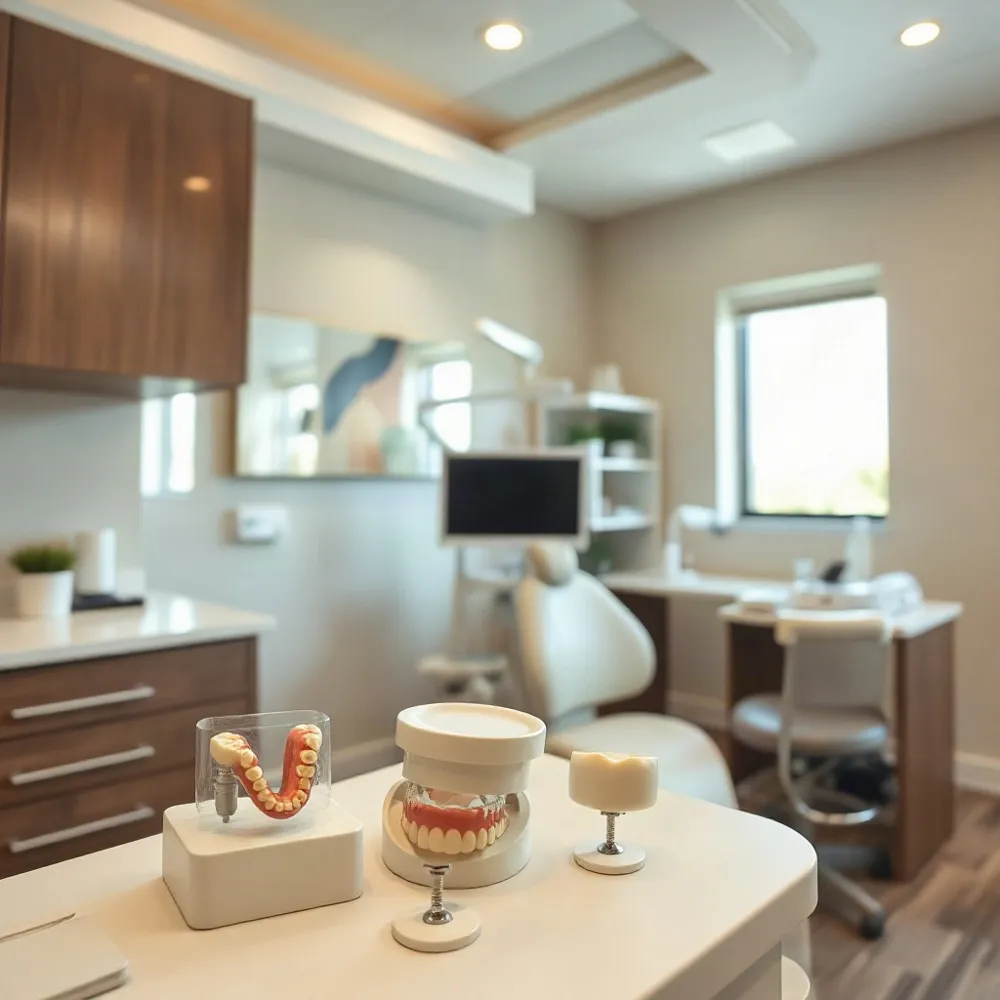 A total smile makeover is a comprehensive, personalized treatment plan that blends cosmetic and restorative dentistry to completely transform your smile. Rather than addressing individual issues one at a time, this coordinated approach treats your entire smile as an integrated system, correcting shape, color, alignment, and proportion all at once. The result is a harmonious, natural-looking outcome that improves both appearance and function.
A smile makeover can address a range of concerns: discoloration, chips, cracks, gaps between teeth, misalignment, missing teeth, uneven gum lines, and teeth worn down by grinding. By combining treatments such as professional teeth whitening, porcelain veneers, dental bonding, clear aligners, gum contouring, and implants, the plan is tailored to the specific needs of each patient.
The benefits of a smile makeover extend well beyond aesthetics. Correcting misalignment and bite issues can reduce jaw pain and make chewing more comfortable. Straighter teeth are easier to clean, lowering the risk of cavities and gum disease. And when missing teeth are replaced with implants, jawbone health is preserved. On the confidence side, patients often report feeling more at ease in social and professional settings after their transformation.
Whitening + Veneers. Teeth are whitened first to establish the desired shade; then veneers are custom-made to match, ensuring uniform color across the smile.
Bonding + Gum Contouring. Excess gum tissue is reshaped (via laser or surgical tools) to reveal more tooth structure, and bonding is used to perfect the shape and size of each tooth.
Crowns + Implants. Missing teeth are replaced with dental implants, and custom crowns are placed over both the implants and any damaged natural teeth for a fully restored, functional smile.
Empower Your Smile, led by Dr. Moezinia in Tribeca, NYC, offers a full spectrum of cosmetic and restorative services under one roof, from porcelain veneers and Invisalign to periodontics and implant dentistry. This comprehensive approach allows patients to complete their entire smile makeover with a single coordinated care team.
The Consultation Blueprint
 Every successful smile makeover starts with a detailed consultation. This is where your cosmetic dentist listens to your concerns, evaluates your oral health, and begins turning your goals into a clear, actionable plan.
Discussing Goals and Expectations
The conversation begins with your specific wants — whiter teeth, straighter alignment, closing gaps, or reshaping worn edges. The dentist asks direct questions to understand whether you prefer a natural or brighter look, and what bothers you most about your current smile. Bringing photos of smiles you like can help guide the discussion.
Comprehensive Oral Exam
Before any cosmetic work begins, the dentist performs a thorough evaluation of your teeth, gums, and bite. Each tooth is checked for decay, cracks, worn enamel, and old fillings that may need replacement. Gum health is assessed for redness, swelling, or recession. Bite alignment is also tested — a poor bite can cause uneven wear, chipped veneers, or jaw discomfort later.
Imaging and Digital Records
Modern practices use a suite of imaging tools to build a complete picture of your oral anatomy. Digital X-rays reveal tooth roots and bone levels. For complex cases, 3D cone-beam imaging provides detailed views of the jaw and tooth position. Intraoral digital scans create a precise 3D model of your teeth in minutes, replacing messy impression trays.
Digital Smile Design and Facial Analysis
Using Digital Smile Design (DSD) software, your dentist overlays proposed changes onto photographs of your current smile, creating a realistic preview. This step allows you to adjust tooth shape, size, spacing, and shade before any permanent work begins. The final design is guided by facial analysis: the face is divided into vertical thirds, the lip line and gingival display are measured, and profile relationships such as the nasolabial angle (95–110 degrees) are evaluated to ensure the new smile complements your unique features.
Treatment Plan and Cost Estimates
After reviewing all data, the dentist presents a personalized treatment plan with options, timelines, and itemised cost estimates. Foundational health issues are scheduled first — cleanings, periodontal care, or root canals. Cosmetic procedures like whitening, veneers, or aligners follow in a logical sequence. The plan also includes digital previews or mock-ups so you can test the look before committing.
At Empower Your Smile in Tribeca, NYC, Dr. Moezinia and her team use this comprehensive approach to craft customised smile transformations. With services ranging from routine cleanings to porcelain veneers and sedation dentistry, every treatment plan is built around your goals, health, and budget.
Building a Healthy Foundation
 Before any cosmetic improvement can begin, the mouth must be made healthy. Placing veneers or crowns over active gum disease, untreated cavities, or an unstable bite all but guarantees early failure. Gum disease causes inflammation and bone loss that can loosen restorations, while untreated decay can spread beneath a new crown. A bite that is out of alignment creates uneven pressure that can crack porcelain or chip bonding. This is why every smile makeover sequence starts with foundational care: gum therapy, fillings, root canals, extractions, and, when needed, bone grafting.
Periodontal Health and Crown Lengthening
Healthy gums are the anchor of any long-lasting cosmetic result. A dentist assesses gum tissue for redness, swelling, bleeding, and probing depth. If periodontitis is present, scaling and root planing is performed to clear bacteria and plaque from below the gum line. For patients with a gummy smile or inadequate tooth structure above the gum, crown lengthening surgery may be needed. This procedure removes 2–4 mm of alveolar crest and 1–2 mm of bone to establish a proper biologic width—the 3–4 mm distance from the crown margin to the alveolar crest required for gingival health. Healing after crown lengthening typically takes 3–6 months before prosthodontic work can begin.
Gingival biotype is another factor in planning. A thin biotype (0.7–1 mm of tissue thickness) carries a higher risk of recession after restorative work, so the dentist places margins more conservatively. A thick biotype (1.5–2 mm) is more forgiving and generally requires less caution during margin placement.
Restorative Foundations: Fillings, Root Canals, and Extractions
Every cavity must be treated and every compromised tooth evaluated. Deep decay that reaches the pulp requires a root canal before any crown or veneer can be placed. Teeth that are non-restorable due to fracture or advanced infection are extracted. These steps are never skipped: cosmetic work built on a sick tooth will not last, and the underlying problem will eventually force re-treatment at a higher cost.
Implant Site Development and Bone Grafting
When a missing tooth is to be replaced with an implant, the site must have adequate bone volume. If the alveolar ridge has resorbed—common after long-term tooth loss—a bone graft is placed to rebuild the site. Graft maturation takes 4–6 months before the implant post can be inserted. After placement, osseointegration—the process by which the titanium post fuses with the jawbone—requires another 3–6 months. Only then can the final crown be attached. This extended timeline is why implant cases are planned and sequenced early in a smile makeover.
The Cosmetic Procedure Sequence
Once foundational health is established, cosmetic treatments follow a deliberate order. Teeth whitening comes first to set the baseline shade, allowing later veneers or crowns to match that uniform brightness. In-office whitening uses a high-concentration peroxide gel and can lift teeth by up to eight shades in a single 30- to 60-minute session. Take-home trays work over one to three weeks and are equally effective for many patients.
Orthodontic treatment happens next if alignment needs correction. Clear aligners such as Invisalign typically take three to twelve months, while fixed braces may require 18 to 24 months. Straightening teeth first can reduce the number of veneers needed and ensures that final restorations receive even bite forces, lowering the risk of future cracks or chips.
Gum contouring follows orthodontics when the gum line is uneven or excess tissue hides tooth length. A laser or surgical approach reshapes the gums, and the tissue needs two to six weeks to heal before final restorations can be placed. Healthy, balanced gum contours create a stable frame for veneers and crowns.
The final cosmetic tier includes veneers, crowns, bonding, and implants. Porcelain veneers are thin custom shells bonded to the front of teeth. The process requires two visits: one for tooth preparation and impressions, a second for placement. Width-to-height ratios of 75-85% for central incisors create natural-looking proportions. A common guideline — the 4-8-10 rule — suggests placing veneers on four, eight, or ten teeth depending on how many are visible when you smile. Crowns cover the entire visible portion of a damaged or decayed tooth and can last up to 20 years with good care. Bonding repairs small chips and gaps in a single visit using tooth-colored resin, lasting three to ten years. Dental implants combine a titanium post with a custom crown; they preserve jawbone and prevent adjacent teeth from shifting. Each procedure is sequenced to build on the results of the previous step, giving the final transformation a cohesive, natural look.
Understanding the Full Cost Picture
The cost of a smile makeover is as individualized as the treatment plan itself. Because each combination of procedures is tailored to the patient's specific goals, total investment varies widely.
A comprehensive smile makeover typically ranges from $5,000 to $40,000 or more. To help you understand where that money goes, here are national average costs per procedure based on recent research: porcelain veneers average $1,765 per tooth, dental implants $2,695 per tooth, clear aligners $5,108, professional teeth whitening $583, and cosmetic bonding about $431 per tooth.
These numbers add up quickly in real-world combinations. For example, a full mouth makeover combining porcelain veneers with gum contouring averages $4,250 . A plan pairing clear aligners with Zoom whitening runs around $5,691 . More extensive work like contouring and bonding on upper and lower front teeth can reach $7,752 , while a full-mouth reconstruction can fall between a low range of roughly $12,577 and a high range of approximately $33,272 .
Several factors influence the final price: the number of teeth treated, the materials chosen (porcelain versus composite), the dentist's expertise and location, and facility or anesthesia fees. For a full set of veneers covering the most visible teeth alone, patients might pay from several thousand dollars to over $20,000.
Because every smile makeover is unique and must be evaluated through a thorough clinical exam before finalizing any numbers or timeline details — which necessarily falls outside any general pricing discussion — patients should visit their dentist for a personalized consultation that produces an accurate estimate tailored to their needs before committing to any specific budget figures listed here.
Insurance and Financing Options
Understanding the financial side of a smile makeover is as important as the clinical planning. Cosmetic procedures such as porcelain veneers, teeth whitening, and gum contouring are rarely covered by dental insurance because they are considered elective smile enhancements. Many standard plans include a “cosmetic exclusion” clause that explicitly excludes these treatments.
Restorative procedures that serve a functional purpose often receive partial coverage. If you need a dental crown to restore a cracked tooth or a dental implant to replace a missing one, your plan may cover a portion under its major restorative benefits, typically after you meet your annual deductible. The best way to know your specific benefits is to review your policy’s cosmetic exclusion language or ask your provider directly.
Flexible Payment and Financing Options
When insurance leaves gaps, financing options bridge them. Third-party healthcare credit cards such as CareCredit offer special financing plans that allow patients to break the total cost into manageable monthly payments, often with no interest for a promotional period if paid in full on time.
Patients can also use pre-tax dollars from Health Savings Accounts (HSAs) or Flexible Spending Accounts (FSAs) for eligible expenses like crowns and implants, effectively reducing out-of-pocket costs. Many dental practices also offer their own in-house payment plans to spread costs over several months without third-party fees.
In-House Payment Plans. Many practices let you pay for treatment in installments directly, with no credit check or interest charges.
Personal Loans / Medical Credit Lines. Banks and online lenders offer unsecured personal loans or specialized medical credit lines for larger treatment costs like full-mouth reconstruction.
What to Expect During and After Treatment
Understanding the recovery timeline helps you plan around work and daily activities. For most restoration-focused smile makeovers, the first 24 to 48 hours call for soft foods like yogurt, soup, and applesauce, along with limited physical activity. By days 3 to 7, you can usually expand your diet as directed, and the dentist may schedule a bite check to make fine adjustments. At weeks 2 to 4, the focus shifts to a consistent maintenance routine.
On delivery day, the dentist places the permanent restorations in a 60 to 90 minute appointment. They evaluate fit, color under natural light and office lighting, and bite contact points, making only conservative adjustments before permanent cementation. This careful approach ensures the restorations feel natural and function correctly.
Post-treatment diet is critical during the initial healing phase. Begin with foods that require minimal chewing and gradually reintroduce firmer items. Avoid hard, sticky, or highly pigmented foods that could stain or damage new restorations. Do not use your teeth to open packages or bite nonfood objects.
Daily care for your new smile includes brushing twice a day with a soft-bristled toothbrush and flossing daily. Avoid habits like chewing ice or biting nails. For patients who grind their teeth, a custom nightguard is recommended to protect veneers, crowns, and bonding from uneven pressure.
The dentist schedules follow-up appointments at 1 week, 1 month, 3 months, and 6 months post-insertion to assess adaptation, marginal stability, and patient satisfaction. After that, annual professional maintenance visits are the standard to keep restorations and natural teeth healthy for the long term.
Timeline and Longevity of Your New Smile
How long your smile makeover takes and how long the results last depend on the specific procedures chosen. Simple treatments like professional teeth whitening or cosmetic bonding can be completed in a few weeks, while complex cases involving porcelain veneers, dental crowns, or dental implants typically span three to six months. If orthodontic correction with braces or clear aligners is needed, that phase alone can require 18 to 24 months before any restorative work begins.
During the active treatment phase, custom restorations such as veneers and crowns require two to three weeks of lab fabrication. Temporary restorations are placed for one to three weeks as a test drive, allowing you to evaluate the look, feel, and bite before the permanent pieces are cemented.
Lifespan Expectations by Procedure
The durability of your new smile varies by treatment type. Porcelain veneers and dental crowns typically last 10 to 20 years with proper care. Composite bonding has a shorter lifespan of three to ten years. Teeth whitening results require touch-ups every one to three years depending on diet and habits.
Five-year success metrics for high-quality restorations include marginal discoloration below detectable levels, no adaptation loss, secondary caries incidence under 5%, gingival probing depths of 1-3 mm without bleeding, and patient satisfaction ratings above 8 out of 10.
What Affects Longevity
Daily oral hygiene, diet (avoiding hard or staining foods), and protection against bruxism (teeth grinding) directly influence how long your restorations last. Patients who wear a custom nightguard and attend regular professional cleanings achieve 90-95% restoration retention, compared with 70-80% in low-compliance populations.
Empower Your Smile's approach integrates comprehensive maintenance planning from the first consultation, so your investment stays bright and functional for as long as possible.
Your Journey to a Confident Smile
A smile makeover is a carefully orchestrated process that moves from consultation and foundational health through a sequenced cosmetic plan, cost assessment, and long-term maintenance. Each stage builds on the last to produce results that are both beautiful and durable.
The investment in a coordinated treatment plan goes far beyond aesthetics. By addressing underlying oral health, correcting bite function, and enhancing alignment, a smile makeover delivers lasting improvements in chewing comfort, speech, and overall well-being — along with the confidence to smile openly.
If you are ready to explore what a personalized smile transformation could mean for you, the next step is a consultation with a cosmetic dentist. During that visit, you will discuss your goals, undergo a comprehensive exam, and receive a custom treatment plan that fits your needs and budget. Your journey to a confident smile begins with that first conversation.