Why a Staged Approach Matters
Patient-Centered Planning
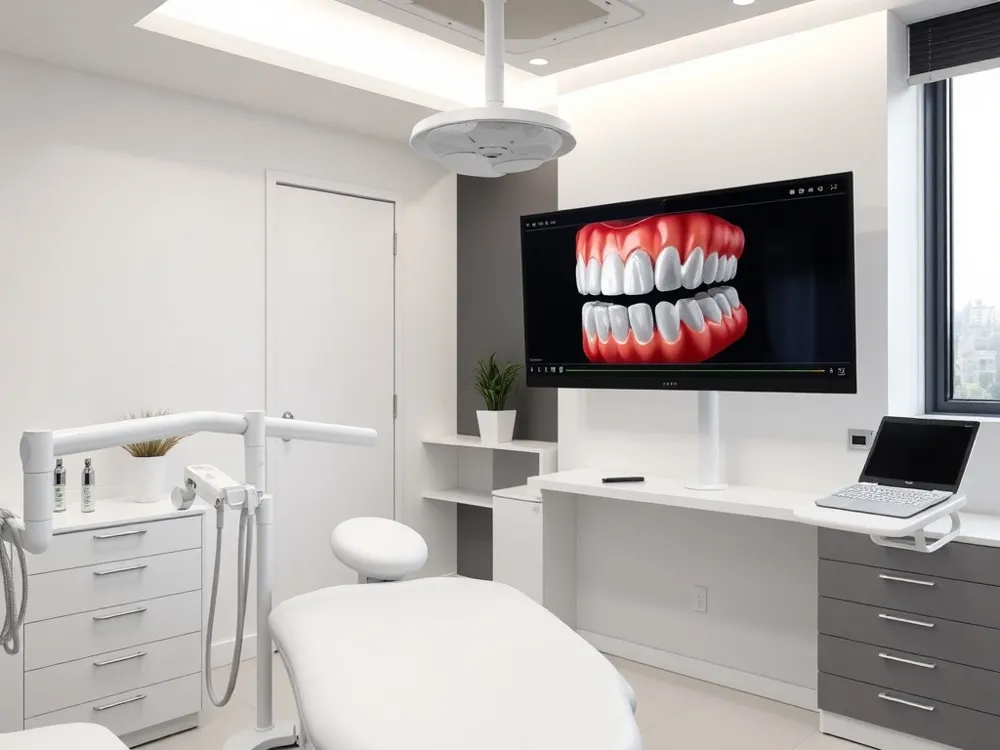
A multi-stage approach starts with a thorough consultation. The dentist listens to your aesthetic goals, reviews your oral health, and uses digital imaging to show a preview of your new smile before any tooth is prepared. This step ensures the final design aligns with your expectations and unique facial features.
Digital Technology
Intraoral scanners capture precise 3D images of your teeth, replacing uncomfortable traditional impressions. These digital files are sent directly to the lab, where custom veneers are fabricated with high accuracy. The digital workflow allows for easy adjustments and real-time collaboration between dentist and ceramist, improving fit and shade matching.
Comfort and Confidence
Staging the procedure into shorter appointments reduces chair time and anxiety. Temporary veneers protect prepared teeth and let you "test drive" your smile for one to two weeks. You can provide feedback on shape, color, and feel before the permanent veneers are bonded. This trial period minimizes surprises and ensures you are fully satisfied with the final result.
| Feature | Single-Visit Rush | Staged Approach |
|---|---|---|
| Planning | Minimal discussion | Comprehensive consultation + digital preview |
| Patient input | Limited | Review temporaries, request changes |
| Technology | Basic impressions | Digital scans, CAD/CAM |
| Comfort | Longer single visit | Shorter, spaced appointments |
| Outcome risk | Higher revision chance | Fewer adjustments needed |
The Hidden Advantages of a Multi‑Stage Veneer Process
How does a multi-stage process enable a more conservative preparation?
By staging the procedure, the dentist can use a diagnostic mock-up to guide enamel removal. This aesthetic pre-evaluative temporary (APT) technique shows exactly where the veneer needs thickness and where it does not, preserving the maximum amount of natural enamel. Studies report a 98.7% success rate when preparation depth stays within the enamel, and the staged approach makes this precision possible.
In what ways do digital impressions improve accuracy and patient comfort?
Digital intraoral scanning replaces traditional impression materials, which can be uncomfortable and messy. The scan provides immediate 3D data, allowing the dentist and lab to detect and correct errors on the spot. This digital workflow saves chair time and gives the patient a more pleasant experience at every appointment.
Why is lab collaboration a hidden advantage of the multi-stage approach?
With digital scans and photos, the dental lab receives precise information about shade, contour, and occlusion. This collaboration—spread across the consultation, preparation, and try-in stages—enables the ceramist to craft porcelain shells that match the patient’s natural teeth and facial features.
How does the patient preview stage enhance the final outcome?
Temporary veneers allow the patient to “test drive” their new smile for one to three weeks. This real-world trial reveals any needed adjustments in shape, shade, or bite before the permanent veneers are made. The patient’s feedback at this stage significantly reduces the risk of dissatisfaction after final bonding.
What efficiency and comfort benefits come with a staged approach?
Fewer than 0.5 mm of enamel is removed per tooth. The process is split into shorter, focused visits rather than a single long session. Temporary veneers protect prepared teeth and maintain appearance, and the dentist can verify bite and comfort between stages.
| Stage | Key Action | Hidden Advantage |
|---|---|---|
| Consultation & mock-up | Smile design, diagnostic wax-up | Preserves enamel by guiding preparation |
| Tooth preparation & digital scan | Minimal enamel reduction, intraoral scanning | Accurate fit, patient comfort, immediate error correction |
| Temporary veneer wear | Patient previews shape and shade | Allows feedback and adjustments before final fabrication |
| Lab fabrication | Ceramist works from precise scan and photos | Custom shading, natural translucency, and occlusion |
| Final bonding | Try-in, cementation, polish | Verified fit and aesthetics; strong, durable bond |
Are Veneers Permanent? The Truth About Longevity
Are dental veneers considered a permanent cosmetic treatment because the procedure requires preparing teeth for veneers (removing about 0.5 mm of enamel) to create space for the restoration, and enamel does not regenerate once it’s lost. As a result, the prepared teeth will always need some form of coverage, whether that’s the original veneers, replacement veneers, or another restoration.
What Makes Traditional Veneers Irreversible?
| Factor | Impact on Permanence | Long-Term Implications |
|---|---|---|
| Enamel removal | 0.3–0.7 mm removed, cannot regrow | Teeth permanently altered; always require a restoration |
| Bonding process | Acid‑etch creates micropores in enamel | Veneers are fused to tooth structure; cannot be "unbonded" without damage |
| Replacement options | New veneer, crown, or composite bonding needed | Original veneers last 10–20+ years, but eventual replacement is inevitable |
| No‑prep alternatives | Minimal to no enamel removal (e.g., Lumineers) | Reversible; teeth remain largely unaltered if patient chooses to remove them |
While the veneers themselves are durable and can last 10 to 20 years with proper care for veneers, they are not indestructible and will eventually need to be replaced. Some newer options, such as no-prep veneers like Lumineers and composite bonding, involve minimal or no enamel removal and are therefore reversible or semi‑permanent alternatives. Ultimately, choosing traditional veneers means committing to a lifelong need for some type of restoration on those teeth.
How Long Do Porcelain Veneers Last?
 Porcelain veneers typically last between 10 and 15 years with average care, but many patients enjoy them for 15 to 20 years or longer when they maintain excellent oral hygiene and avoid harmful habits. High‑quality ceramic veneers placed by an experienced dentist can even reach a lifespan of up to 25 years, according to some clinical reports.
Several factors influence this durability. Proper bonding technique and minimal enamel removal during preparation create a strong foundation. Daily brushing with a soft toothbrush, flossing, and regular professional cleanings prevent decay at the margins. Patients who avoid biting hard objects like ice or pens, and who wear a custom nightguard if they grind their teeth, significantly extend the life of their veneers.
Clinical studies support the reliability of a staged approach. Research shows a 98.7% success rate for porcelain veneers when preparation stays within the enamel layer. The multi‑stage process—diagnostic wax‑up, temporary try‑in, and final bonding—ensures precise fit and optimal bonding, which are both critical for long‑term strength.
To maximize longevity, patients should brush twice daily with non‑abrasive fluoride toothpaste, floss daily, and schedule biannual dental examinations. Porcelain is highly stain‑resistant, but limiting coffee, tea, and red wine helps maintain brightness. With diligent care and professional maintenance, porcelain veneers can provide a durable, natural‑looking smile for well over a decade.
Cost Breakdown: What to Expect When Investing in Veneers
How much do veneers cost?
Porcelain veneers typically range from $925 to $2,500 per tooth, while composite veneers cost $400 to $2,000 per tooth. For a set of two front teeth, porcelain veneers total between $2,000 and $5,000. Lab fees, material quality, and the dentist’s expertise all factor into the final price.
Material differences and lab fees
Porcelain (e.g., lithium disilicate, feldspathic) commands a higher price due to custom lab fabrication, superior stain resistance, and natural translucency. Composite veneers involve less lab work, making them more affordable but less durable. The multi‑stage process allows a dental laboratory to craft precision restorations, adding to upfront costs but ensuring a better fit and aesthetics.
Long‑term value
Porcelain veneers last 10–15 years or longer with proper care, often proving more cost‑effective than composites (5–7 years). A thorough staged approach reduces the need for costly revisions, making the initial investment worthwhile.
Beyond the First Decade: What Happens After 20 Years?
Wear and Tear
Porcelain veneers are durable, but after 20 years—far exceeding the typical 10–15 year lifespan—they will show significant wear. Daily chewing, grinding, or clenching can cause chipping, cracking, or thinning of the porcelain.
Potential Complications
Aging veneers may loosen as bonding weakens over time. Gum recession may expose the margin between the veneer and tooth, creating a line that traps plaque. The underlying natural tooth can decay if this area is not kept clean. Bruxism (teeth grinding) often leads to cracked veneers after 15–20 years.
Maintenance and Monitoring
Regular dental visits are essential after two decades. Your dentist checks for marginal gaps, signs of wear, or changes in bite. Professional cleanings help prevent decay around the edges, and a night guard is often recommended to protect both the veneers and remaining tooth structure.
Replacement Considerations
After 20 years, replacement is common. The dentist assesses the condition of the underlying tooth, the health of the gums, and the integrity of the existing veneers before crafting new restorations. Replacing them at the right time prevents more extensive damage to the natural teeth.
Potential Drawbacks and When Veneers May Not Be Ideal
What Are the Downsides of Veneers—and Why Do Some Dentists Advise Against Them?
The primary drawbacks of porcelain veneers are their permanent nature and cost. The procedure requires irreversible enamel removal (a minimal 0.3–0.7 mm), which can lead to lasting tooth sensitivity and necessitate lifelong maintenance. Financially, veneers are a significant investment, typically ranging from $925 to $2,500 per tooth. Replacement is needed every 10–15 years, making long-term costs a crucial consideration.
Dentists advise against veneers for patients with active oral health issues like untreated gum disease or tooth decay, as these conditions compromise bonding and can lead to failure. Candidates must have sufficient healthy enamel for bonding; those with extensive erosion or severe bruxism may not be suitable. For bite problems or structural repair, alternative treatments are necessary.
Before committing to this permanent cosmetic change, exploring less invasive alternatives like professional whitening, composite bonding, or orthodontics is often recommended. These options address many aesthetic concerns without the irreversible enamel reduction associated with veneers.
Celebrity Smiles: Porcelain vs. Composite and the Taylor Swift Rumor
Do celebrities prefer porcelain or composite veneers?
Porcelain veneers are the standard for a flawless, red-carpet-ready smile. High-profile cosmetic dentists who treat A-list clients exclusively use porcelain for its natural translucency, stain resistance, and durability. Composite veneers, while more affordable, cannot achieve the same high-end aesthetic. According to dental sources. Porcelain is preferred for its ability to mimic natural teeth and withstand daily use, ensuring a picture-perfect, camera-ready appearance.
What are the advantages of porcelain over composite?
Porcelain veneers offer superior light transmission, mimicking natural enamel for a lifelike result. They are highly stain-resistant and can last 10 to 15 years or longer with proper care. Composite veneers are more prone to staining, chipping, and typically last only 5 to 7 years. For a transformative smile, porcelain provides the strength and aesthetics that composites lack.
Did Taylor Swift get veneers?
While Taylor Swift has never officially confirmed it, cosmetic dentists and visual analysis of her smile transformation strongly suggest she received porcelain veneers. Comparing early photos to her current smile shows dramatic improvements in alignment, symmetry, tooth shape, and color—hallmarks of professional cosmetic dentistry. Experts believe she may have combined veneers with gum contouring, teeth whitening, and possibly clear aligners like Invisalign. Her veneers are praised for being subtle and natural-looking, enhancing her features without appearing overdone. The evidence points to veneers as a key part of her iconic, Hollywood-perfect smile.
Embracing the Multi‑Stage Advantage
A staged veneer workflow directly boosts long‑term satisfaction by allowing patients to ‘test drive’ temporary shells and request refinements before final bonding. This iterative process catches aesthetic or bite issues early, reducing the need for costly corrections later. For the practice, digital impressions and coordinated lab communication cut chair time and overhead, improving overall efficiency. Moreover, the multi‑stage model naturally supports future smile planning. By sequencing veneers with orthodontics or whitening, dentists create a comprehensive roadmap that addresses all cosmetic concerns holistically, ensuring the final restoration fits seamlessly into the patient’s evolving dental journey.