The Overlooked Link Between a Healthy Smile and a Healthy Pregnancy
Beyond the Mouth: Periodontal Maintenance as a Pillar of Prenatal Health
For many expectant mothers, a dental check‑up may feel like an afterthought amid prenatal vitamins, birthing classes, and nursery preparations. Yet growing evidence reveals that regular periodontal maintenance offers benefits that extend far beyond a clean smile. Research from the American Academy of Periodontology and the European Federation of Periodontology shows that women with gum disease face a significantly higher risk of delivering prematurely or having a low‑birth‑weight baby. Treating gingivitis during pregnancy, for instance, has been linked to a roughly 50% reduction in the risk of preterm birth and an average increase of 100 grams in birth weight among low‑birth‑weight infants. These findings position oral health not as a cosmetic luxury but as a fundamental component of comprehensive prenatal care.
The Hormonal Shift and the Safety Myth
Pregnancy triggers a surge in estrogen and progesterone that increases blood flow to the gums and alters the body’s response to plaque. As a result, 60–75% of pregnant women develop pregnancy gingivitis—red, swollen, and bleeding gums that can progress to periodontitis if left untreated. Despite this heightened risk, many women avoid dental care. In 2007–2009, 56% of U.S. women did not visit a dentist during pregnancy, often due to unfounded fears that routine procedures, X‑rays, or local anesthetics could harm the fetus. Major medical organizations—including the American College of Obstetricians and Gynecologists, the American Dental Association, and the American Academy of Periodontology—have issued clear guidance stating that preventive, diagnostic, and restorative dental care is safe throughout pregnancy when appropriate precautions are taken. The second trimester is considered the ideal window for non‑urgent treatment, but necessary procedures can be performed at any stage. Dispelling these safety myths is critical, because delaying care can allow inflammation and infection to worsen, potentially endangering both mother and baby.
How Gum Health Influences Pregnancy and Newborn Outcomes
The connection between gum disease and adverse pregnancy outcomes is not merely correlational; it has a plausible biological basis. Periodontal pathogens—such as Fusobacterium nucleatum and Porphyromonas gingivalis—can enter the bloodstream and colonize the placenta, sparking an inflammatory response that may induce preterm labor or restrict fetal growth. Additionally, inflammatory mediators like prostaglandin E2 and interleukins released from infected gums can travel to the fetoplacental unit and disrupt normal gestation. Landmark research, including the 1996 study by Offenbacher et al., found that women with periodontal disease were seven times more likely to deliver a preterm low‑birth‑weight infant, and that approximately 18% of all such cases might be attributable to gum disease. More recent meta‑analyses confirm that periodontitis nearly doubles the odds of preeclampsia and gestational diabetes. Importantly, non‑surgical periodontal therapy—such as scaling and root planing—has been shown to reduce systemic inflammatory markers and improve periodontal health during pregnancy. Although some large trials have not demonstrated a universal reduction in preterm birth rates across all populations, subgroup analyses indicate clear benefits for women with severe periodontitis or those who respond well to treatment. Beyond immediate pregnancy outcomes, maintaining good oral health also reduces the transmission of cavity‑causing bacteria from mother to child, lowering the infant’s future risk of early childhood caries.
In summary, the hidden benefits of regular periodontal maintenance during pregnancy are substantial and multifaceted. By prioritizing dental visits and addressing gum inflammation early, expectant mothers can reduce their risk of preterm delivery, low birth weight, preeclampsia, and gestational diabetes, while simultaneously protecting their child’s long‑term oral health. As the medical and dental communities continue to advocate for integrated prenatal care, a healthy smile should be recognized as an essential element of a healthy pregnancy.
The Safety of Dental Care During Pregnancy: What Every Mother Should Know
Is it safe to get a periodontal cleaning while pregnant?
Yes, professional dental cleanings are safe and an integral part of prenatal care. The American College of Obstetricians and Gynecologists (ACOG) and the American Dental Association recommend them because pregnancy increases the risk of gingivitis due to hormonal changes. Untreated gum disease is linked to preterm birth or low birth weight, but routine cleanings help maintain oral health without safety concerns.
Is it safe to have a dental X-ray during pregnancy?
Dental X-rays are safe with proper shielding like a lead apron and thyroid collar. Modern digital X-rays use very low radiation, and both the ADA and ACOG confirm there is no harm to the mother or baby. Some women postpone routine X-rays until after the first trimester for added peace of mind, but they are often necessary to detect issues that could become emergencies.
Is fluoride treatment safe during pregnancy?
The safety of professional topical fluoride is debated. Traditional guidance supports fluoride toothpaste and water. However, some research links higher exposure to lower IQ scores in children, leading many professionals to advise against professional topical fluoride as a precaution. Discuss your specific needs with your dentist.
Is it safe to use nitrous oxide for dental treatment during pregnancy?
Nitrous oxide is generally avoided during pregnancy, particularly in the first trimester, due to potential risks to the developing fetus. The ADA advises against exposure. Your dentist will recommend alternative pain management options. Always consult your obstetrician and dentist.
What is the safest period during pregnancy for dental treatment?
The second trimester (weeks 14–27) is generally safest for elective treatments, as organ development is complete. Emergency care is safe at any stage. The first trimester often avoids elective procedures due to critical organ development. In the third trimester, non-emergency treatments are often postponed for comfort.
Is deep root scaling safe during pregnancy?
Deep scaling and root planing are safe, especially during the second trimester. Non-surgical periodontal therapy does not increase adverse birth outcomes and can improve the mother's periodontal health. Treating periodontitis may help reduce risks of preterm birth in severe cases. Routine evaluations early in pregnancy are recommended. Always consult your dentist and OB-GYN.
How Pregnancy Transforms Your Mouth—and What You Can Do About It
How does pregnancy affect teeth and gums?
Pregnancy triggers significant hormonal shifts—particularly in estrogen and progesterone—that increase blood flow to the gums. This makes them more sensitive, swollen, and prone to bleeding, a condition known as pregnancy gingivitis. These hormones can also reduce saliva production, leading to dry mouth and a higher risk of tooth decay. Some women develop pregnancy tumors (pyogenic granulomas) or experience loose teeth and dental erosion.
Morning sickness exposes teeth to stomach acid, eroding enamel. Increased cravings for sugary or starchy foods further raise cavity risk. Oral bacteria from gum infections can enter the bloodstream and reach the placenta, linking poor oral health to complications like preterm birth and low birth weight. Bacteria can also be transmitted to the baby after birth.
What is pregnancy gingivitis and how common is it?
Pregnancy gingivitis is an inflammation of the gums caused by hormonal changes. It presents with red, swollen, tender gums that may bleed during brushing or flossing. This condition is extremely common, affecting 60% to 75% of all pregnancies. Symptoms often begin in the first trimester and peak during the second and third trimesters. While it usually resolves after delivery, maintaining good oral hygiene and scheduling a professional dental cleaning can help manage and often prevent it.
What about other pregnancy-related oral changes?
As noted, enamel erosion from morning sickness and dietary shifts toward sugary foods increase cavity risk. These changes make regular periodontal maintenance—every 3 to 6 months—critical for preventing gingivitis from progressing to periodontitis, a more severe gum disease linked to bone loss and increased systemic inflammation. Professional cleanings, fluoride treatments, and education on neutralizing stomach acid with a baking soda rinse are effective strategies to protect both maternal and fetal health. Preventing periodontitis through consistent maintenance also reduces the risk of related pregnancy complications.
Beyond the Mouth: The Systemic Rewards of Gum Health During Pregnancy
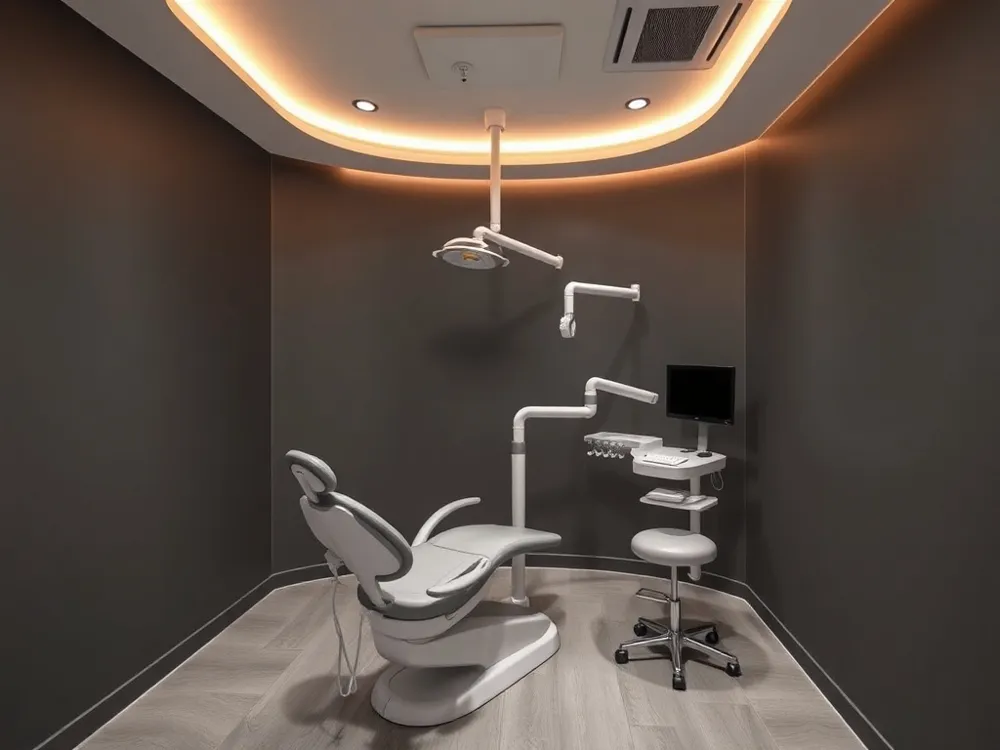
Is There a Link Between Periodontal Disease and Preterm Birth or Preeclampsia?
Research suggests a possible link between periodontal disease and adverse pregnancy outcomes like preterm birth and preeclampsia. The underlying theory is that oral infections trigger systemic inflammation, which could affect the placenta and fetal development.
However, systematic reviews and meta-analyses have not found clear evidence that periodontal disease is a major, independent risk factor. Some large intervention studies, including the Obstetrics and Periodontal Therapy Study, found that non-surgical periodontal treatment during pregnancy, while safe, did not significantly reduce the incidence of preterm birth or low birth weight across all groups. The evidence remains inconclusive, highlighting the complexity of pregnancy outcomes.
Systemic Benefits Beyond Birth Outcomes
Despite mixed evidence on directly preventing adverse outcomes, regular periodontal maintenance offers significant hidden benefits. Treating gum inflammation during pregnancy consistently reduces markers of systemic inflammation, such as C-reactive protein (CRP) and interleukin-6 (IL-6).
Lowering systemic inflammation has important metabolic advantages. For women with gestational diabetes, improved periodontal health is associated with better glycemic control. This reduction in inflammatory burden may also lower the risk of developing preeclampsia, a serious hypertensive disorder of pregnancy.
Earlier Intervention May Be More Effective
Given the challenges of intervention during pregnancy, experts suggest that providing periodontal treatment before conception may be more effective. Prof. Phoebus Madianos, a co-author of a key European Federation of Periodontology study, notes that establishing good oral health prior to pregnancy could yield stronger protective effects.
Supporting a Healthier Placenta
A powerful hidden benefit is that even modest improvements in oral health can reduce the translocation of oral pathogens, such as Fusobacterium nucleatum and Porphyromonas gingivalis, to the placental unit. By lowering the bacterial load entering the bloodstream, regular maintenance helps protect the placenta from infection, potentially reducing the risk of late miscarriage and supporting healthier fetal development.
Mother to Child: A Gift That Keeps Giving
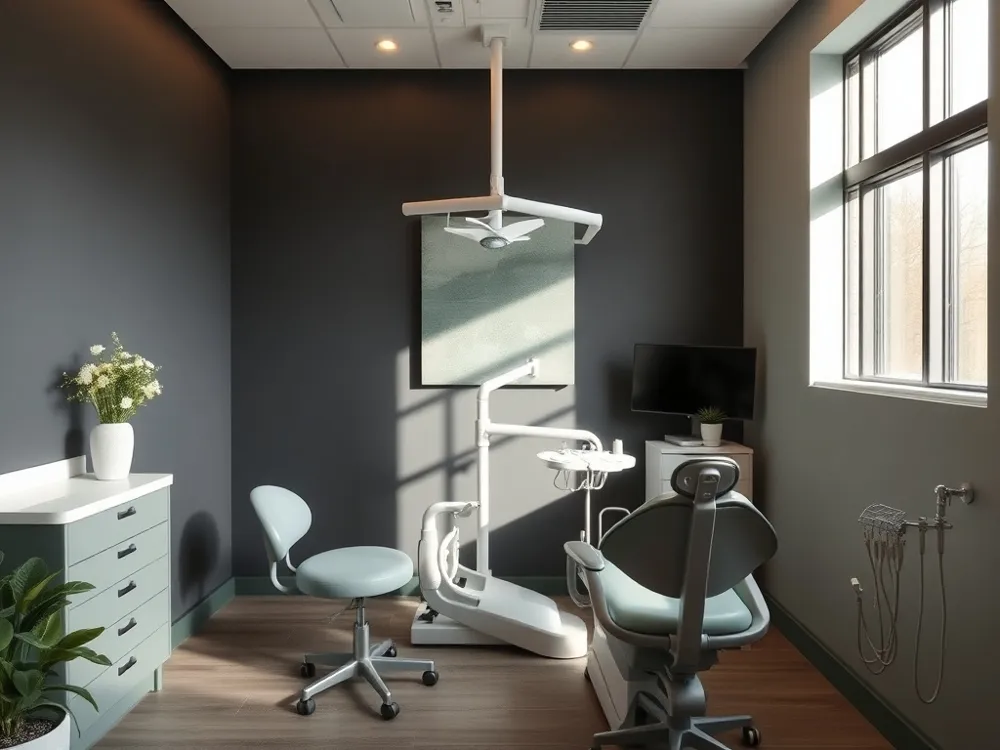
Protecting Your Baby's Smile Starts with You
Cavity-causing bacteria, such as Streptococcus mutans, can be transmitted from a mother to her baby after birth through everyday actions like sharing a spoon. Regular periodontal maintenance during pregnancy is an effective way to lower the mother's bacterial load, directly reducing the infant's risk of developing early childhood cavities.
Building Lifelong Healthy Habits
Mothers who receive periodontal care while pregnant are more likely to sustain good oral health habits after childbirth. This commitment lowers the risk of early childhood caries for their children and sets a foundation for lifelong oral hygiene and a healthy smile.
A Teachable Moment for Maternal Health
The American College of Obstetricians and Gynecologists (ACOG) recommends that all pregnant patients receive a full dental check-up and clear oral health advice at each stage of pregnancy. Pregnancy is recognized as a unique "teachable moment" when women are motivated to adopt healthy behaviors. Maintaining good oral health during this time supports bonding with the child and strengthens overall well-being for both mother and baby.
When to See a Dentist—and What the Experts Recommend You Ask
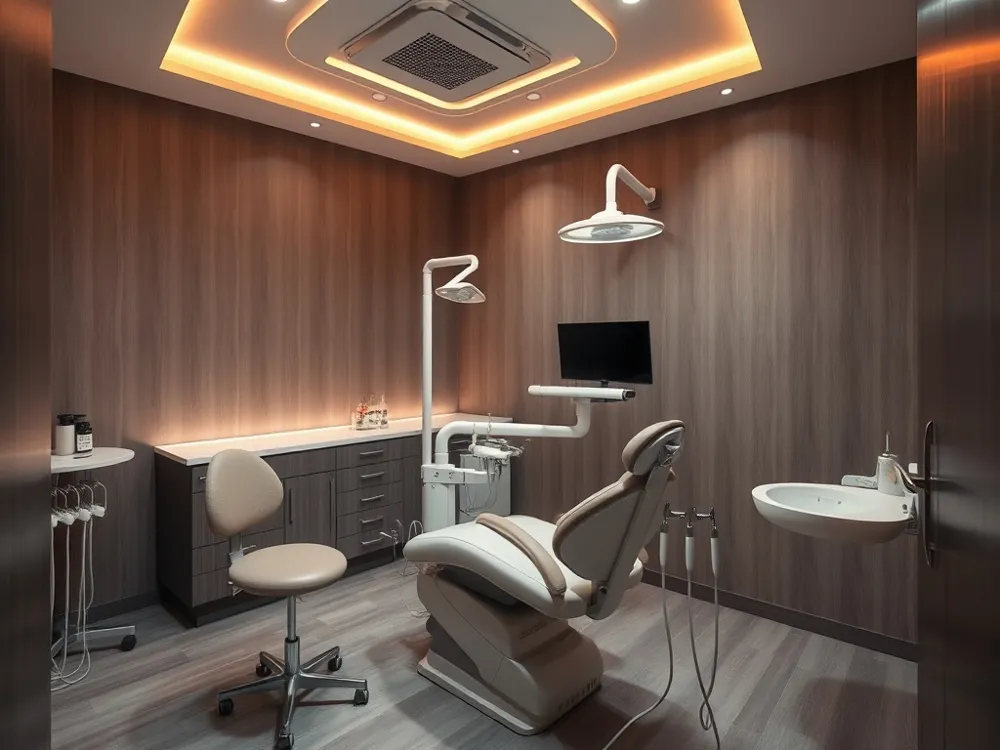
When to see a dentist during pregnancy or who to see?
The American College of Obstetricians and Gynecologists (ACOG) and the American Dental Association (ADA) confirm that routine preventive, diagnostic, and restorative dental care is safe throughout all trimesters. Pregnant women should schedule a dental exam as soon as they know they are expecting, or ideally before conception. Hormonal changes raise the risk of gingivitis and cavities—up to 75% of pregnant women experience gingivitis—making regular cleanings and check-ups essential. If gum disease is present, a periodontist can provide specialized, non-surgical treatments like scaling and root planing, which are safe during pregnancy. Always inform both your dentist and obstetrician about your pregnancy for coordinated care.
What is the impact of periodontal disease on pregnancy outcomes beyond preterm birth?
Beyond preterm birth and low birth weight, research links periodontal disease to a higher risk of preeclampsia—a serious condition involving high blood pressure and potential organ damage. Bacteria from infected gums can travel through the bloodstream to the placenta (bacterial translocation), triggering inflammatory responses. Inflammatory mediators like prostaglandin E2 (PGE2) and interleukin-1β (IL-1β) play a role in disrupting placental function. While associations are established, more studies are needed to clarify mechanisms and develop targeted therapies.
What to ask during a dental visit
Patients should ask their dentist about a thorough evaluation of their periodontal health. Inquire about safe treatment options and request a maintenance schedule tailored to pregnancy. Key questions include: "What are my gum health signs?", "Are scaling and root planing an option if needed?", and "How often should I come in for cleanings during my pregnancy?" This proactive approach helps safeguard both maternal oral health and fetal well-being.
Taking the Next Step: A Healthy Smile for Two
The evidence is clear that maintaining periodontal health during pregnancy offers substantial hidden benefits that extend far beyond the mouth. Consistent periodontal care is linked to a reduced risk of preterm birth and low birth weight, improved control of systemic inflammation, and better glycemic management, which is especially important for women with gestational diabetes. Furthermore, regular comfort-focused dental visits can lower maternal stress and anxiety, while protecting the baby’s future oral health by reducing the transmission of cavity-causing bacteria from mother to child.
A Safe and Recommended Step for Every Expectant Mother
Periodontal maintenance is safe throughout pregnancy and is strongly endorsed by the American College of Obstetricians and Gynecologists (ACOG), the American Academy of Periodontology (AAP), and the European Federation of Periodontology (EFP). The second trimester is considered the most comfortable for elective procedures, but urgent care can be provided at any time. Routine dental X-rays with proper shielding, local anesthesia, and non-surgical therapies like scaling and root planing are all considered safe and effective during pregnancy.
Your Personalized Plan for a Healthy Pregnancy
Expectant mothers are encouraged to schedule a comprehensive periodontal evaluation at the start of pregnancy—or ideally before conception. Ask your dental provider about designing a personalized maintenance plan tailored to your needs. Prioritizing your gum health is a powerful step you can take right now to support a healthy pregnancy and give your baby the best possible future child a strong start in life.