The Quiet Signals You Shouldn’t Ignore
Persistent Tooth Sensitivity
Does a sip of hot coffee or a spoonful of ice cream make you wince, with the feeling lingering for minutes? Lingering sensitivity to temperature or sweets often means the enamel is worn or cracked, exposing the inner dentin. A crown can seal the tooth, creating a protective barrier that reduces discomfort before it escalates into constant pain.
Visible Cracks or Chips
A small crack or chip is easy to dismiss, especially when it doesn't hurt. However, even minor fractures weaken the tooth and can spread under daily chewing pressure. A crown holds the tooth together, preventing the crack from deepening and averting the need for more complex treatment later.
When a Filling Isn't Enough
If a filling takes up more than half the tooth's width, the remaining natural structure may be too weak to support it. The tooth becomes vulnerable to fractures, often without causing any pain. A crown reinforces the entire tooth, providing lasting strength and preventing an unexpected break.
After a Root Canal
A tooth that has had a root canal is more brittle because it no longer has a live nerve and blood supply. While the pain is gone, the tooth is at high risk of cracking during normal chewing. Placing a crown soon after the procedure is essential to protect it.
Why These Signs Matter
None of these issues may cause immediate pain, but they all point to a tooth that is structurally compromised. Addressing them early with a crown preserves the natural tooth, avoids emergency procedures, and can reduce long-term treatment costs. If you notice any of these quiet signals, a dental evaluation is the best next step.
The Quiet Signals You Shouldn’t Ignore

Persistent tooth sensitivity (hot/cold/sweet) that lingers after the stimulus
Lingering sensitivity after the trigger is removed – not a quick zap that fades – often means enamel is compromised or decay is near the nerve. A crown seals the tooth, creating a barrier that stops temperature and pressure from reaching sensitive exposed dentin from causing discomfort. This is a common early sign that the tooth is structurally weaker than it looks, even if no sharp pain is present.
Visible cracks or chips that don’t hurt yet
Small cracks or chips can start without any pain, but daily chewing forces can deepen them over time. A crown covers the entire tooth, holding it together and preventing the crack from spreading. Catching this before pain starts can preserve more natural tooth structure and avoid a future emergency.
A large filling that takes up more than half the tooth
A filling that covers a significant portion of the natural crown weakens the remaining tooth. Without pain, the tooth is still vulnerable to fracturing under bite pressure. A crown reinforces the whole tooth from the outside, providing long-term protection where a filling alone would no longer be enough.
Post-root canal teeth that need reinforcement
After a root canal, the tooth loses internal moisture and becomes brittle. Even though the nerve is gone and pain is absent, the tooth is at high risk of cracking during normal chewing. A crown is often recommended specifically to prevent this fracture before it happens.
How these signs point to the need for a crown even without pain
| Sign | What it indicates | Why a crown helps |
|---|---|---|
| Lingering sensitivity | Exposed dentin or early decay | Seals and insulates the tooth |
| Painless crack or chip | Weakened structure that can worsen | Holds tooth together, stops crack spreading |
| Filling >50% of tooth | Remaining structure too weak | Full coverage reinforcement |
| Recent root canal | Brittle, prone to fracture | Protects against breaking |
Each of these quiet signals points to a tooth that is structurally compromised but not yet painful. Addressing them with a crown early can prevent more complex and costly treatment later.
When Grinding and Aging Tell a Silent Story
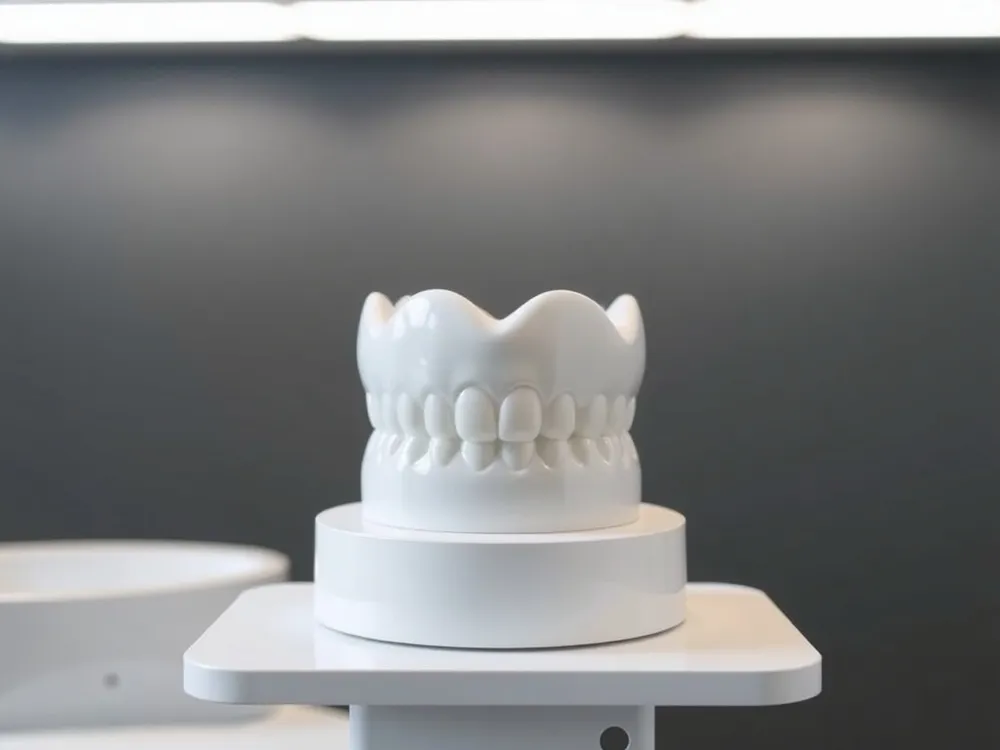
Chronic Teeth Grinding (Bruxism) Flattens and Weakens Teeth
Chronic teeth grinding, often unnoticed during sleep, gradually wears down enamel, making teeth shorter, flatter, and more sensitive. This hidden damage can expose inner tooth layers, increasing the risk of cracks and fractures. A dental crown rebuilds lost height and shape, protecting the tooth from further wear and restoring comfortable function.
Severe Discoloration or Misshapen Teeth Signal Structural Issues
A tooth that appears darker, gray, or brown—especially when whitening fails—may indicate underlying trauma or nerve damage, even without pain. Similarly, misshapen or uneven teeth from long-term wear suggest compromised structure. Crowns cover these imperfections, reinforcing the tooth while restoring a natural, uniform appearance.
Bite Misalignment or Difficulty Chewing
A bite that feels “off,” pressure on one side, or discomfort when chewing can result from worn-down or cracked teeth. These subtle changes may develop gradually, often before sharp pain arises. Crowns restore proper tooth height and shape, bringing the bite back into balance and eliminating chewing discomfort.
How Crowns Restore Function Before Pain Starts
Early intervention with a crown prevents more serious complications like fractures, nerve damage, or tooth loss. By encasing the weakened tooth, crowns evenly distribute chewing forces, seal against bacteria, and preserve natural structure—proactively extending the tooth's life before pain ever begins.
Under Cover: The Hidden Threat of Decay Beneath a Crown

Symptoms of decay under a crown: sensitivity, pain when biting, dark line, gum swelling
A crowned tooth remains alive and vulnerable to decay under a crown, especially at the margin where the crown meets the natural tooth. Bacteria can enter through tiny gaps, progressing silently. Early warning signs include tooth sensitivity to hot, cold, or sweet foods, and sharp pain when chewing or biting. As decay advances, a dark line at the gumline may appear. You might also notice swollen, red, or tender gums around the crowned tooth, and a persistent bad taste from crown that does not resolve with brushing.
X-ray detection of hidden cavities
Decay beneath a crown often develops out of sight, hidden by the restoration. Routine dental X‑rays and clinical exams are essential for detecting hidden cavities. Dentists use advanced imaging for crown decay detection, such as digital X‑rays or CariVu technology, to spot early‑stage decay before it reaches the nerve or causes pain. Only a professional examination can reveal whether the underlying tooth structure is compromised.
Prevention: oral hygiene, antimicrobial rinse, regular check‑ups
Preventing decay under a crown relies on diligent oral hygiene. Brush twice daily with fluoride toothpaste, floss carefully around the crown edges, and consider an antimicrobial rinse as recommended by your dentist. Regular dental check‑ups every six months allow your dentist to evaluate the crown’s fit and catch hidden problems early.
Treatment options: small filling, root canal, crown replacement
When decay is detected, treatment depends on severity. For superficial decay, the dentist may remove the crown, clean the area, and place a small filling before recementing the crown. If decay reaches the inner pulp, root canal therapy for decay under a crown is needed to remove infected tissue, followed by a new crown. In advanced cases where the tooth cannot be saved, extraction may be necessary. Prompt crown replacement due to decay ensures the tooth remains protected and functional. Early treatment of decay under a crown preserves more natural tooth structure and avoids more complex procedures.
Your Crown Journey: Materials, Steps, and What It Costs
Types of Crowns: What Are Your Options?
Crowns are made from several materials, each with different strengths and appearances. Metal crowns (gold or base metal alloys) are extremely durable and resist wear, making them ideal for back teeth, but their color makes them less popular for visible areas. Porcelain-fused-to-metal offers a natural look with a metal core for strength, though the porcelain can chip over time. All-ceramic or all-porcelain crowns provide the best color match and are suitable for front teeth, but they may be less durable for heavy chewing forces. Zirconia crowns combine high strength with a tooth-like appearance, making them a modern all-around choice for both front and back teeth.
Cost: What Is the Price Range?
Dental crown costs vary widely. A single crown typically ranges from $800 to $3,000 or more per tooth. The final price depends on the material chosen, the dentist's expertise, and your location. Dental insurance often covers a portion of the cost for medically necessary crowns, but you should check your plan's specific coverage before treatment.
Step-by-Step Procedure: What to Expect
Getting a crown usually requires two visits. First, the dentist examines and X-rays the tooth, then shapes it by removing some outer enamel. An impression (digital or physical) is taken to create a custom-fit crown. A temporary crown is placed to protect the tooth while the permanent one is fabricated. At the second visit, the temporary is removed and the permanent crown is bonded into place.
Disadvantages: What Are the Downsides?
Placing a crown requires removing a significant amount of natural enamel, which is irreversible. Some patients experience temporary tooth sensitivity to hot or cold after the procedure. Chipping can occur with all-ceramic crowns if you grind your teeth or bite hard objects. Finally, crowns are not immune to decay at the gum line if oral hygiene is neglected. Understanding these factors helps you make an informed decision with your dentist.
When a Crown Isn’t Enough: Root Canal Signs and Candidacy
Signs You Need a Root Canal: Persistent Pain, Lingering Sensitivity, Gum Bump, Discoloration
A dental crown is designed to protect a weakened tooth, but sometimes the damage has already reached the inner pulp. When that happens, a crown alone won’t fix the problem. You may need a root canal first. Signs that the nerve is infected or dying include persistent pain that doesn’t fade, lingering sensitivity to hot or cold that lasts for minutes after the stimulus is removed, a small pimple-like bump (abscess) on the gum near the tooth, and darkening or graying of the tooth. These symptoms indicate that bacteria have reached the pulp chamber, and the infected tissue must be removed before a crown can be safely placed.
Who Is Not a Candidate: Insufficient Structure, Gum Disease, Loose Tooth, Poor Hygiene, Severe Bruxism
Not every tooth can be saved with a crown or root canal. You may not be a good candidate if the tooth lacks enough remaining structure above the gum line to support a crown. Active, uncontrolled gum disease can compromise the seal around the crown. A tooth that is loose due to bone loss may not be stable enough. Poor oral hygiene increases the risk of recurrent decay under the crown. Finally, severe bruxism (teeth grinding) can fracture even a well-made crown over time. In these cases, extraction and replacement with a dental implant or bridge may be the better option.
The 3-3-3 Rule for Temporary Tooth Infection Pain Relief
If you have a tooth infection and are waiting for treatment, the 3-3-3 rule can help manage pain temporarily. Take 200 mg of ibuprofen (or 400 mg if tolerated) and 500 mg of acetaminophen together three times a day for a maximum of three days. This combination targets pain and inflammation through different pathways. Always follow the dosing instructions on the label and consult your dentist before starting any pain relief regimen.
Why a Crown Takes Two Weeks (Custom Lab Fabrication)
Dental crowns are not made in the dentist's chair. After your tooth is shaped and an impression is taken, the data is sent to a dental laboratory. A skilled technician uses high-strength ceramic or zirconia to fabricate a custom crown that matches your tooth’s color, size, and bite. This process typically takes two weeks. A temporary crown protects the prepared tooth in the meantime. The result is a precise, durable restoration that fits comfortably and blends naturally with your smile.
Protect Your Crown, Protect Your Smile
A dental crown is a durable restoration, but it does not make the tooth beneath immune to problems. Bacteria can still collect at the margin where the crown meets the natural tooth, especially if oral hygiene is neglected. Protecting your crown—and the tooth under it—requires consistent care.
Preventing Decay Under a Crown: Daily Habits That Help
Daily cleaning around the crowned tooth is essential to prevent plaque buildup and decay at the gumline. Gentle brushing twice a day with a soft-bristled toothbrush, along with careful flossing around the crown edges, helps remove food particles and bacteria. An interdental brush or water flosser can reach areas that standard floss might miss. For patients who grind or clench their teeth (bruxism), a custom-fitted nightguard is recommended to protect both natural teeth and crowns from excessive wear and fracture.
Why Regular Check-Ups and X-Rays Matter
Even with excellent home care, problems under a crown can develop silently. During a routine dental exam, your dentist checks the fit and integrity of the crown and examines the surrounding gums. Bitewing X-rays can reveal early decay or structural issues beneath the crown that are not visible to the naked eye. Catching these problems early often means a simple repair or adjustment rather than a more involved procedure like a root canal or crown replacement.
How Long Do Crowns Last?
With proper care, a well-made dental crown can last 10 to 15 years or even longer. Factors that influence longevity include the material used, the patient's oral hygiene habits, and whether the patient grinds their teeth. Regular professional cleanings and check-ups play a critical role in maximizing the life of a crown and the health of the tooth underneath.
Schedule Your Crown Evaluation at Empower Your Smile
Recognizing early signs that a tooth may need a crown—or that an existing crown requires attention—can save time, money, and discomfort. If you have noticed any of the signs discussed in this article, or if it has been more than six months since your last dental visit, contact Empower Your Smile today to schedule a comprehensive evaluation. Our team will assess your oral health and recommend the most effective solution to protect your smile for years to come.
Your Next Step Toward a Healthy, Confident Smile
Recognizing silent signs—like subtle cracks, lingering sensitivity, or worn enamel—lets you protect teeth before pain strikes. Early action preserves natural structure and avoids more complex procedures. Contact Empower Your Smile for a comprehensive exam using advanced detection tools. Our patient-centered team offers same-day crown options, restoring strength and aesthetics in one visit. Prioritize prevention and maintain your confident smile with personalized care.