Introduction: Why a Consistent Routine Matters
Oral hygiene is not an isolated habit; it is tightly linked to overall health, with poor oral care contributing to cardiovascular disease, diabetes complications, and even neurological conditions. Modern dentistry reinforces daily care through preventive services—regular exams, professional cleanings, fluoride treatments, and sealants—that catch problems early and lower the risk of cavities, gum disease, and oral cancer. These evidence‑based interventions, combined with at‑home practices such as brushing twice a day with fluoride toothpaste, flossing, tongue cleaning, and using an alcohol‑free antibacterial mouthwash, create a synergistic defense against plaque and bacteria. In this guide you will learn the science behind each step, practical tips for effective brushing, flossing, and mouthwash use, and how to integrate professional preventive care into a personalized routine that keeps your smile bright and your body healthier.
Foundations of an Effective Daily Routine
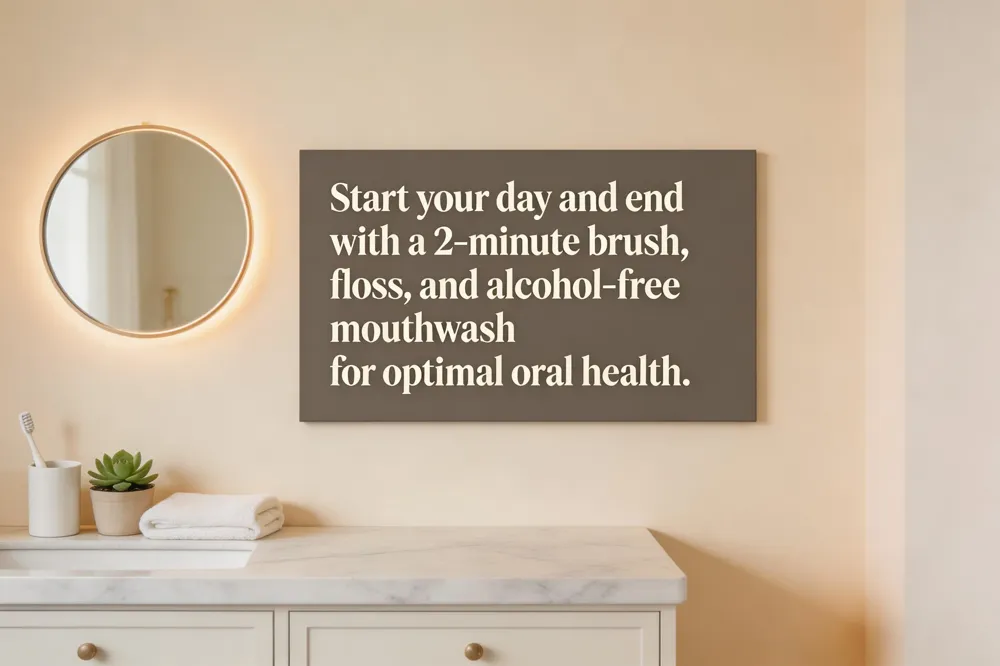 What is the correct order for brushing, flossing, and using mouthwash?
The recommended sequence is: rinse briefly with water, brush all tooth surfaces for two minutes using a soft‑bristled brush at a 45‑degree angle with gentle circular motions, then floss (or use a water flosser) to clean between teeth and below the gumline, and finally rinse with an alcohol‑free antibacterial or fluoride mouthwash for 30–60 seconds. Do not eat or drink for at least 30 minutes after the mouthwash so the active agents remain on the teeth.
What is a good daily dental routine?
[Brush twice daily]—morning and night—using fluoride toothpaste, positioning the bristles at a 45‑degree angle to the gumline. [Floss daily] with about 18‑inch of floss, forming a C‑shape around each tooth, or use interdental brushes for larger spaces. If advised, finish with a therapeutic mouthwash to reduce bacterial load and freshen breath. Limit sugary and acidic foods, stay well‑hydrated, and use a disclosing tablet weekly to spot missed plaque. Schedule professional cleanings and exams at least twice a year.
What is the proper order of operations when cleaning your teeth?
- Quick water rinse to loosen debris.
- Two‑minute brush with fluoride toothpaste, covering all surfaces.
- Floss or water‑flosser to remove interproximal plaque.
- Antimicrobial/fluoride mouthwash rinse, 30–60 seconds.
- Spit, avoid immediate rinsing with water.
Evidence‑Based Rules: 2‑2‑2 vs 3‑3‑3
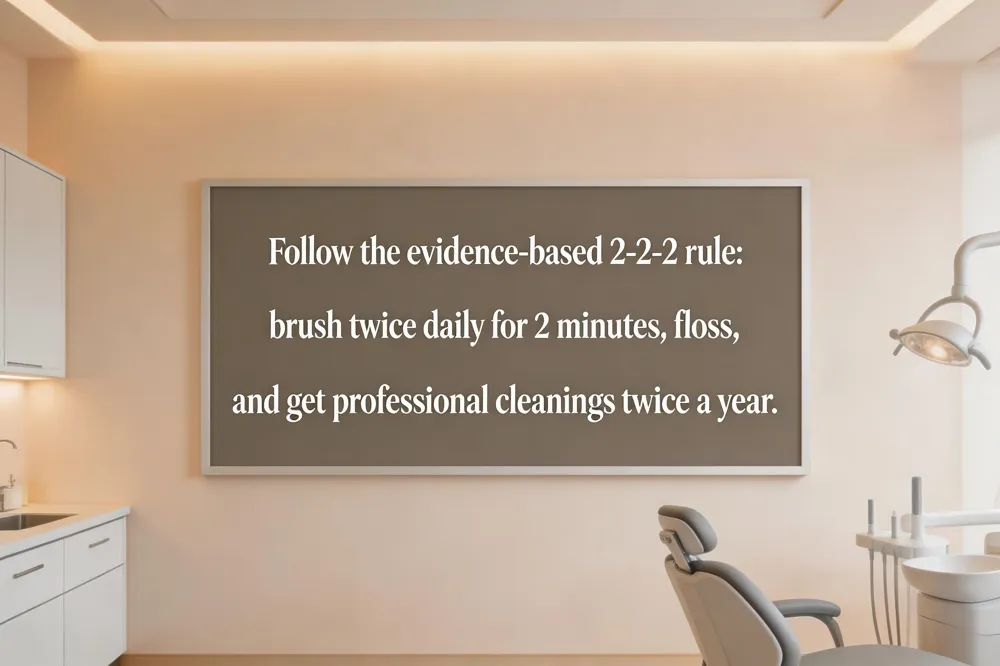 In contrast, the 3‑3‑3 rule—brush three times a day for three minutes, then avoid food or drink for three hours before bed—originated on social media and lacks scientific endorsement. Major dental bodies do not support the extra brushing time or the pre‑sleep fasting window, noting that over‑brushing can damage enamel and gums.
Practical tips to adopt the proven routine:
- Use a soft‑bristled or electric toothbrush at a 45‑degree angle, brushing for a full two minutes each morning and night.
- Floss daily (or use interdental brushes/water flossers) to clear interproximal plaque.
- Rinse with an alcohol‑free antibacterial or fluoride mouthwash as directed.
- Replace your brush every 3‑4 months and limit sugary, acidic foods.
- Schedule dental exams and cleanings at least twice a year.
FAQ
- What is the 2‑2‑2 rule for oral hygiene? The 2‑2‑2 rule is a simple, three‑step guideline for maintaining optimal oral health. First, brush your teeth twice a day—once in the morning and once before bed. Second, spend two full minutes brushing each time to ensure all surfaces are clean. Third, schedule a professional cleaning and exam with your dentist twice a year. Following these three “twos” helps prevent cavities, gum disease, and keeps your smile bright and healthy.
- What is the 3‑3‑3 rule for teeth? The “3‑3‑3 rule” is an informal oral‑care guideline that suggests you brush three times a day, spend three minutes each time brushing, and avoid eating or drinking anything (except water) for three hours before bedtime. It was popularized on social media as an easy‑to‑remember way to improve plaque removal and reduce nighttime bacterial growth. However, the rule is not supported by major dental organizations, which base their recommendations on scientific evidence. Most dentists and the American Dental Association advise brushing twice a day for two minutes with a fluoride toothpaste, along with daily flossing and regular professional cleanings. While the 3‑3‑3 concept can encourage consistency, following the evidence‑based twice‑daily, two‑minute routine is the safest and most effective approach for maintaining oral health.
- How can I drastically improve my oral hygiene? To drastically improve your oral hygiene, brush twice a day for at least two minutes with a fluoride toothpaste, making sure to reach every surface of each tooth and your gum line. Follow each brushing session with daily flossing or a water‑flosser to remove plaque and food particles from between teeth and below the gums where a toothbrush can’t reach. Limit sugary snacks and drinks, and eat a balanced diet rich in calcium‑bearing foods, fruits, and vegetables to support strong teeth and healthy saliva production. Rinse with an antibacterial or fluoride mouthwash as directed by your dentist, and replace your toothbrush or brush head every three to four months or sooner if the bristles become frayed. Finally, schedule regular dental check‑ups and professional cleanings so your dentist can detect early signs of gum disease, decay, or systemic issues linked to oral health.
Identifying Problems Early: Signs, Risks, and Systemic Connections
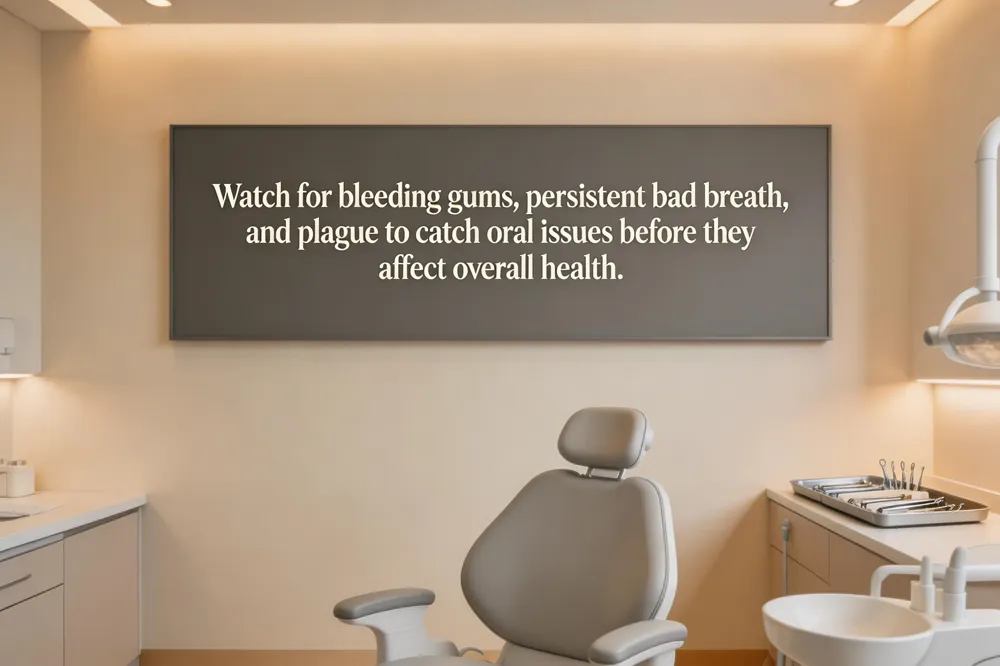 Bleeding or swollen gums that feel tender when you brush or floss are classic warning signs of inadequate oral care. Persistent bad breath, even after brushing, often indicates bacterial buildup from plaque or tartar. Visible white or yellow deposits on the teeth, especially along the gum line, show that plaque isn’t being removed effectively. Receding gum margins, frequent cavities, or tooth sensitivity suggest that decay and gum disease are progressing unnoticed, signaling a need to improve daily brushing, flossing, or professional clean‑up routines.
Poor oral health can result in tooth decay, gum disease, bone loss, painful infections, and ultimately tooth loss. Untreated bacteria and inflammation may enter the bloodstream, raising the risk of heart disease, stroke, endocarditis, diabetes complications, respiratory infections, pneumonia, premature birth, low birth weight, certain cancers, Alzheimer’s disease, and a weakened immune response.
Oral signs can reveal systemic issues: swollen or bleeding gums may point to diabetes; white patches may signal oral thrush; persistent sores could indicate vitamin deficiencies or oral cancer; a dry mouth often reflects medication side effects.
Healthy oral bacteria are essential allies. They outcompete harmful microbes, regulate oral pH, support enamel remineralization, and stimulate the immune system. Good oral hygiene, regular dental visits, and a low‑sugar diet nurture these beneficial microbes, promoting a healthier, more confident smile.
Optimizing Your Toolbox: Products, Preventive Care, and Adult Tips
 Adult oral‑health habits reinforce these tools. Brush twice a day for two minutes, replace the brush head every three to four months, and limit sugary or acidic foods and drinks, favoring water (especially fluoridated) to support saliva’s natural cleansing. Schedule professional cleanings and examinations at least twice a year; these visits allow fluoride varnish, sealants for and early detection of cavities or gum disease. For a brighter smile, discuss ADA‑approved whitening options, porcelain veneers or bonding with your dentist, and maintain diligent home care to preserve results.
Aesthetic Enhancements and Smile Design Principles
 Professional whitening offers the quickest path to a brighter smile. In‑office laser bleaching (e.g., EPIC X) or custom tray‑based bleaching delivers uniform shade changes in a single visit, while ADA‑approved over‑the‑counter strips or pens provide a gradual option when used per dentist instructions. For deeper discoloration or structural issues, porcelain veneers, direct bonding, and gum‑contouring reshape and mask stains, creating a seamless, natural look.
50‑40‑30 rule – The apparent contact dimension (ACD) guides smile proportion: the space between central incisors should equal roughly 50 % of the incisal edge length, between central and lateral incisors 40 %, and between lateral incisor and canine 30 %. This ratio ensures harmonious tooth size and alignment.
Integrating cosmetic care with preventive maintenance means scheduling bi‑annual cleanings, fluoride treatments, and personalized home‑care coaching. Good oral hygiene, regular exams, and risk‑based recall intervals preserve the health of veneers, bonds, and gum tissue, extending the longevity of aesthetic results.
Conclusion: Your Path to a Brighter, Healthier Smile
Maintaining a radiant, healthy smile rests on a simple, evidence‑based routine: brush twice a day with a soft‑bristled, fluoride toothpaste using a 45‑degree angle, floss daily to clear interproximal spaces, rinse with an alcohol‑free antibacterial mouthwash, and clean the tongue. Complement these habits with a low‑sugar, calcium‑rich diet, adequate water intake, and avoidance of tobacco. Preventive care—regular exams, professional cleanings, fluoride treatments, sealants, and oral‑cancer screening—detects problems early and reduces costly emergencies. Schedule a personalized consultation at Empower Your Smile to tailor these practices to your unique needs and achieve lasting confidence for a brighter future.