Why Your Jawbone Matters
The living nature of jawbone tissue
The jawbone is living tissue that continuously remodels that continuously remodels in response to stress, pressure, and functional load. Natural tooth roots transmit chewing forces to the jawbone, signaling it to maintain density and strength maintenance. This ongoing process, called osseointegration, involves bone cells growing onto the implant surface to create a stable anchor.
How tooth loss affects bone density
When a tooth is lost, the underlying jawbone no longer receives stimulation from the tooth root, leading to a process called bone resorption. Within the first year after tooth loss, the jawbone can lose up to 25% of its width in the affected area. If left untreated for ten years, progressive bone shrinkage can occur, often causing adjacent teeth to shift, bite collapse, and facial sagging and a sunken facial appearance. This bone loss is typically painless, so patients may not notice it until significant structural changes have already developed.
The role of implants in preserving bone
Dental implants act as artificial tooth roots.titanium posts placed into the jawbone that deliver functional chewing forces directly to the bone. This stimulation mimics natural tooth roots, helping maintain bone density and preventing the resorption that occurs after tooth loss. Osseointegration allows the implant to fuse securely with the jawbone, providing continuous bone stimulation. implants can stabilize surrounding bone structure, reduce the risk of adjacent teeth shifting, and help maintain proper bite alignment and facial contours. With proper care and oral hygiene, implants can preserve jawbone health for decades. maintenance
Key Facts on Dental Implant Types and Their Impact on Jawbone Health
- Endosteal implants act as artificial tooth roots and preserve bone density via functional loading from chewing forces.
- Mini dental implants are a less invasive option for patients with moderate bone loss, healing in 2-3 months and halting but not regenerating further bone deterioration.
- Zygomatic implants anchor into the dense cheekbone to bypass severe upper-jaw bone loss, preserving midface contours and avoiding extensive grafting.
- The All-on-4 technique uses tilted posterior implants to engage denser bone, often eliminating the need for bone grafting and maintaining arch stability.
- Implant-supported dentures transmit chewing forces to the jawbone, achieving >95% success at ten years and preventing the bone resorption common with traditional dentures.
- Standard implant osseointegration typically takes 3-6 months, though healing varies by jaw location and patient health, and does not regenerate already-lost bone.
- Implants preserve existing bone through mechanical stimulation but generally do not stimulate significant regrowth of bone that has already been lost.
- Traditional bridges and dentures provide no bone stimulation, leading to gradual bone resorption and a sunken facial appearance.
- Meticulous oral hygiene and regular follow-up are critical for mini implants due to their smaller surface area for osseointegration.
- Cone-beam CT imaging is used to assess cheekbone quality and plan precise implant angulation for zygomatic implants.
1. Traditional Endosteal Implants – The Gold Standard
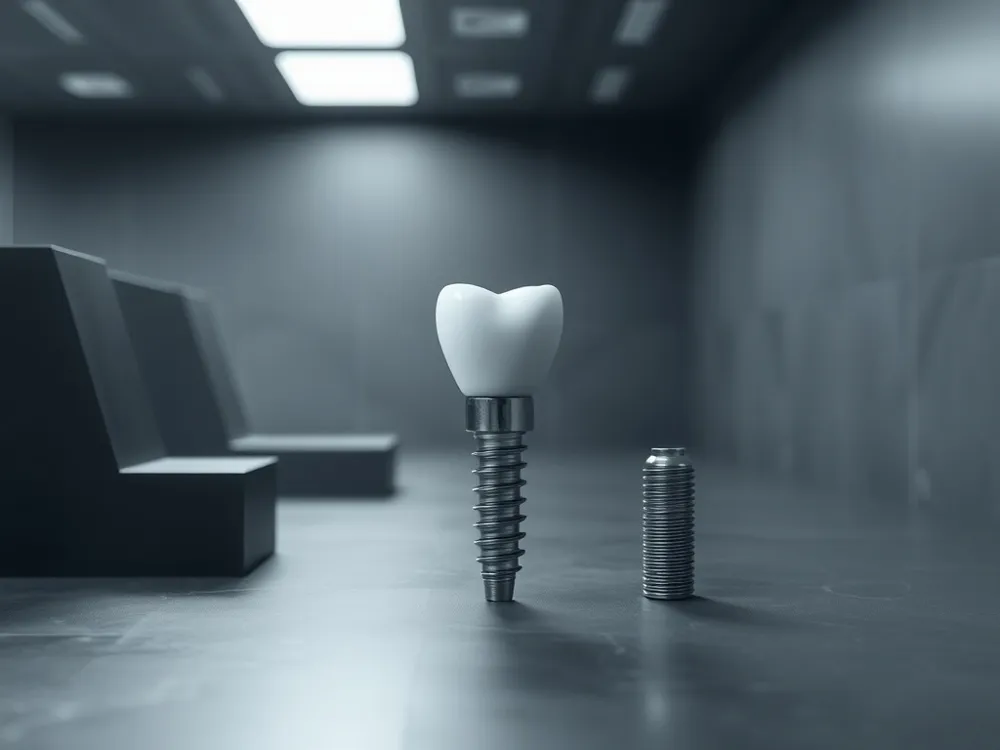 Endosteal implants, placed directly into the jawbone, act as artificial tooth roots. Their success relies on osseointegration, a process where bone cells grow onto the titanium surface and create a stable anchor. Full integration typically takes 3‑6 months. During this period, the implant becomes securely anchored, providing a foundation for replacement teeth.
How functional loading stimulates bone density
Once integrated, the implant heals, functional loading begins. Chewing forces are transmitted through the implant into the jawbone, mimicking natural tooth roots. This mechanical stimulation signals the bone to maintain—and often increase—its density around the implant site. This process helps preserve the bone’s strength and prevents the resorption that follows tooth loss.
Long‑term bone preservation compared to bridges and dentures
Long‑term studies show that endosteal implants are significantly more effective at preserving jawbone than bridges or dentures. Traditional bridges do not stimulate the bone beneath the missing tooth, leading to gradual loss. Dentures rest on the gums and can accelerate bone resorption. In contrast, implants provide continuous stimulation, maintaining stable bone levels with minimal vertical loss over a decade and helping preserve facial contours.
2. Mini Dental Implants – Small‑Footprint Solutions
When Are Mini‑Implants the Right Choice?
Mini dental implants are smaller in diameter than standard implants and are often used when moderate bone loss has reduced the volume or density of the jawbone. Patients who lack enough bone for a traditional implant but wish to avoid a full bone‑grafting procedure are good candidates. Because mini‑implants require less bone height and width, they can be placed in sites where the ridge has narrowed or become atrophic.
What Are the Healing and Surgical Advantages?
The reduced footprint of a mini‑implant means the surgical placement is less invasive, requiring less dissection of the gum tissue and minimal drilling into the bone. This translates to reduced surgical trauma, less post‑operative swelling, and a quicker recovery. Osseointegration for mini‑implants reaching fusion with the jawbone often completes within two to three months versus the three‑to‑six month timeline of standard implants.
How Do Mini‑Implants Affect Bone Health and Facial Contours?
Like full‑sized implants, mini‑implants act as artificial tooth roots that transmit chewing forces into the jawbone, providing the mechanical stimulation necessary to halt the bone resorption that follows tooth loss. By preserving existing bone volume they help maintain facial height and support cheek contours reducing the sunken appearance associated with advanced bone atrophy. They are not designed to regenerate bone but they effectively stop further deterioration. However, they offer less surface area for osseointegration, so meticulous oral hygiene and regular follow‑up are important to protect long‑term bone health.|
| Implant Type | Required Bone Volume | Typical Healing Time | Bone Preservation Effect |
|---|---|---|---|
| Standard implant | High (D1‑D2 density) | 3‑6 months | Maximal; stimulates growth and density |
| Mini implant | Low to moderate (D3‑D4 density) | 2‑3 months | Maintains existing bone; stops resorption |
3. Zygomatic Implants – Anchoring to the Cheekbone
When are zygomatic implants the right choice for severe upper‑jaw bone loss?
When the upper jaw has lost so much bone that traditional implants cannot be placed and sinus lifts are not feasible, zygomatic implants offer a distinct alternative. These longer implants anchor directly into the zygomatic bone (the cheekbone), which remains dense even when the maxilla has severely resorbed. By bypassing the atrophied upper jaw entirely, they eliminate the need for extensive sinus augmentation or multiple bone grafting procedures.
How do zygomatic implants preserve facial contours despite extensive bone loss?
Because zygomatic implants engage the structurally sound cheekbone, they provide immediate stability for a fixed prosthesis. This approach restores functional chewing forces to the upper jaw, helping to maintain the volume of the midface. By supporting the lip and cheek contours, zygomatic implants prevent the sunken, prematurely aged appearance that often results from long‑term upper‑jaw bone loss. Patients who might otherwise be candidates for this procedure usually require a consultation with a specialist who can assess cheekbone quality and plan the exact implant angulation using cone‑beam CT imaging.
4. All‑on‑4 Technique – Full‑Arch Support with Four Implants
Strategic angling to engage denser bone
The All‑on‑4 concept places four implants in the jaw, using the two posterior implants at a tilted angle. This strategic tilt allows the implants to engage denser bone zones in the jaw, often avoiding the sinus cavity in the sinus cavity or the inferior alveolar nerve. Tilting maximizes contact with high‑density bone, improving primary stability where standard axial placement would be compromised.
Reduced grafting requirements and accelerated healing
By anchoring into existing bone volume, the All‑on‑4 technique often eliminates the need for extensive bone grafting or sinus lifts. This reduces surgical time and lowers overall treatment complexity. Without grafting, the healing process is shorter, and patients typically experience less post‑operative discomfort compared to traditional multi‑implant procedures.
Maintaining jawbone volume and preventing adjacent‑tooth shift
The implants transmit functional chewing forces directly into the jawbone, mimicking natural root stimulation. This continuous load helps maintain bone density and prevents the alveolar ridge resorption that follows tooth loss. By stabilizing the arch, the All‑on‑4 arrangement prevents adjacent teeth from shifting into the gap, preserving overall bite alignment and reducing the risk of future dental problems.
5. Implant‑Supported Dentures – Fixed Stability for Full Arches
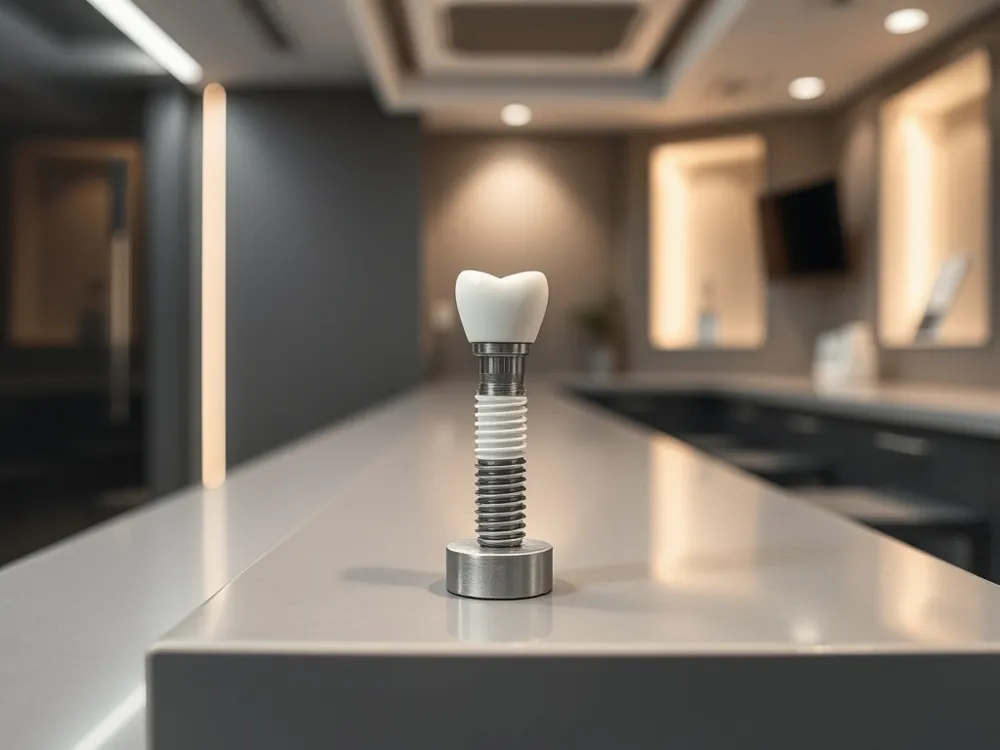
How implants transmit chewing forces to the bone
Implant‑ Implant‑supported dentures use multiple titanium posts anchored into the jawbone to replace a full arch of missing teeth. These posts undergo osseointegration, fusing directly with the bone. When you chew, the denture transfers force through the implants into the surrounding bone, providing the mechanical stimulation needed to signal necessary to maintain bone density. This mimics the function of natural tooth roots and halts the bone resorption that inevitably follows tooth loss.
Benefits over conventional dentures for bone health
‑‑
‑ Traditional dentures rest on the gum tissue and do not stimulate the underlying jawbone. Over time, this lack of stimulation accelerates bone shrinkage, leading to a sunken facial appearance, poor fit, and discomfort. Implant‑supported dentures, by contrast, transmit functional loads directly to the bone, preserving jawbone volume and facial contours. They also prevent adjacent teeth from shifting and distribute bite forces evenly, reducing stress on surrounding oral structures.
Long‑term success rates (>95% at ten years) when bone is healthy‑‑
‑ When placed in a patient with adequate bone density and healthy gums, implant‑supported dentures achieve long‑term success rates exceeding 95% at ten years. Factors that support this outcome include non‑smoking status, controlled systemic health, and consistent oral hygiene. With proper care, these restorations provide stable, comfortable function for decades without the slipping or bone‑loss problems associated with conventional dentures.
Your Top Implant Questions Answered
How quickly does the jaw bone heal around dental implants?
Jaw bone healing around dental implants primarily depends on osseointegration, the process where bone fuses with the implant. For standard cases, this typically takes 3 to 6 months. Immediate implants placed in good bone may heal in as little as 2 to 3 months, while those requiring bone grafting often need 6 to 9 months. Upper jaw implants generally heal longer (up to 6 months) due to lower bone density, whereas lower jaw implants heal faster. Bone quality, smoking, and overall health significantly affect this timeline. Following your dentist’s aftercare instructions and attending follow‑ups are essential.
Where can I find a modern cosmetic dentistry practice in Tribeca, NYC?
Empower Your Smile, located in the heart of Tribeca, NYC, is a modern cosmetic dentistry practice led by Dr. Moezinia and a team of specialists. The practice offers a full spectrum of services, including porcelain veneers, dental implants, and sedation dentistry, all delivered with advanced technology and a comfort‑focused approach. Known for its aesthetic, patient‑centered environment, it provides routine cleanings and emergency care as well. This makes it a convenient one‑stop destination for comprehensive cosmetic and general dental treatments. To experience personalized care, schedule an appointment at Empower Your Smile.
Does jawbone grow back after implants?
In most cases, significant bone regrowth does not occur naturally without intervention—especially on larger defects where bone density and volume have been lost for long periods. Minor remodeling can happen after extraction, but for implant preparation, structural regeneration is almost always required. Dental implants primarily preserve existing bone by providing stimulation, halting further resorption, but they do not typically regenerate bone that has already been lost.
Listen to Your Jawbone – It’s Speaking About Your Smile
Early Implant Placement Preserves Bone and Facial Structure
After a tooth is lost, the jawbone stops receiving the stimulation it needs to stay strong. Within the first year, the bone can lose up to 25% of its width. If left untreated, this bone loss continues, leading to shifting teeth, bite collapse, and a sunken facial appearance.
Dental implants act as artificial tooth roots. They transmit chewing forces directly into the jawbone, signaling the body to maintain bone density and volume. The sooner an implant is placed after tooth loss, the more bone is preserved. This not only provides a stable foundation for the replacement tooth but also helps support facial height, lip contours, and cheek structure, preventing premature aging.
Regular Hygiene and Professional Care Keep Bone Healthy
Long-term implant success depends on consistent care. Daily brushing and flossing, along with regular professional cleanings, help prevent peri-implantitis, an inflammatory condition that can cause bone loss around the implant. Smokers and patients with uncontrolled diabetes are at higher risk, as these factors impair healing and bone fusion. A balanced diet rich in calcium and vitamin D supports ongoing bone remodeling.
Choosing a Skilled Team Like Empower Your Smile Ensures Optimal Outcomes
A successful implant relies on precise assessment and placement. Advanced imaging, like cone-beam CT scans, evaluates bone quality and volume. If the bone has deteriorated, procedures such as bone grafting or sinus lifts can rebuild the foundation.
Empower Your Smile offers personalized implant planning and guided surgery technology to maximize accuracy and minimize trauma. This approach protects healthy bone, improves osseointegration, and supports long-term stability. With expert care, implants can last decades, preserving both your smile and your jawbone health.