The Link Between Your Smile and Confidence
A smile is often the first thing people notice and a universal sign of warmth, happiness, and approachability. When you feel good about your teeth, you are more likely to smile freely, speak with assurance, and engage without hiding your mouth. Research from the ‘Journal of Clinical and Experimental Dentistry’ found that people with poor dental aesthetics tend to have lower self-esteem, which can hinder social interactions and professional opportunities.
The psychological weight of dental imperfections such as discoloration, chips, or misalignment can be significant. Left unaddressed, these issues can make even simple acts like laughing or posing for a photo feel uncomfortable, slowly affecting how you view yourself and engage with the world. A study from the ‘Journal of Clinical and Experimental Dentistry’ discovered that smile satisfaction is directly linked to overall self-worth, affirming that oral appearance influences psychological well-being.
Initial Hesitation. Many individuals with visible dental flaws feel self-conscious and reluctant to smile openly, which can create a barrier in both personal and professional settings.
Renewed Confidence. After addressing these concerns through cosmetic dentistry, patients often experience a significant reduction in social anxiety and a renewed willingness to express themselves. At Empower Your Smile in Tribeca, NYC, Dr. Moezinia and her team combine advanced technology with personalized care to help patients turn dental insecurities into restored confidence and a better quality of life.
Why Appearance Matters for Self-Esteem
Society often equates physical attractiveness with social value and success, a dynamic that directly links how we look to how we feel about ourselves. When people believe their appearance falls short of these ideals — whether due to a visible difference, dental concerns, or other features — they may experience lower self-confidence and negative self-worth. This perception influences daily interactions, making someone hesitant to smile, speak up in meetings, or engage socially.
Improving appearance through cosmetic dentistry can directly counter this. By addressing concerns such as discoloration, chips, gaps, or misalignment, cosmetic procedures help align outer appearance with a more positive inner self-image. A smile makeover or whitening treatment can allow someone to smile freely, reducing the social anxiety that stems from feeling judged. At Empower Your Smile DDS, personalized cosmetic treatments aim to restore both the aesthetics of a smile and the confidence that comes with it.
Ultimately, the link between appearance and self-esteem can be reshaped. Feeling good about one's smile — through procedures like veneers or Invisalign — is a practical step toward building lasting confidence. A study published in the Journal of Clinical and Experimental Dentistry found that people with poor dental aesthetics tend to have lower self-esteem, while improving smile satisfaction is linked to higher self-worth. Investing in how you look can positively affect how you feel, both personally and professionally.
What a Cosmetic Dentist Does Differently
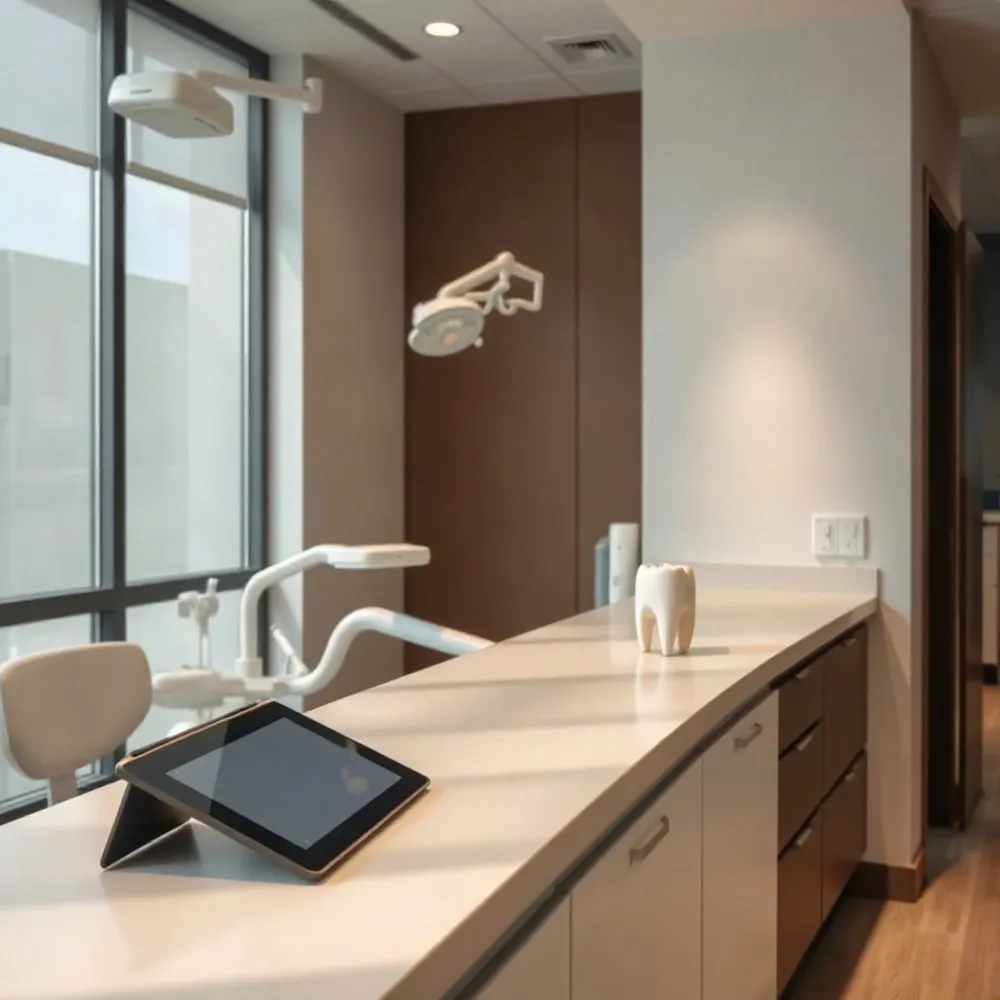 A general dentist focuses on maintaining oral health—diagnosing cavities, treating gum disease, and providing preventive cleanings and exams. A cosmetic dentist specializes in improving the appearance of the smile. While there is overlap (a crown or implant can serve both functional and aesthetic purposes), cosmetic dentistry is considered both an art and a science, emphasizing tooth color, shape, and alignment.
Common cosmetic procedures include porcelain veneers (thin shells that cover chips, gaps, and discoloration), dental bonding, professional teeth whitening, Invisalign clear aligners, crowns, and dental implants. Each treatment is tailored to the patient's facial structure and goals, aiming for a natural-looking result.
Modern cosmetic dentistry relies on advanced technology to achieve precise, predictable outcomes. Digital impressions, 3D scanning, and intraoral cameras allow the dentist to design the smile digitally before any work begins. At empoweryoursmile.com, these tools help patients participate in the design of their treatment plan, gaining clarity and confidence in the projected result. This combination of artistic skill and technological precision sets a cosmetic dentist apart from a general practitioner.
Key Benefits of Cosmetic Dentistry
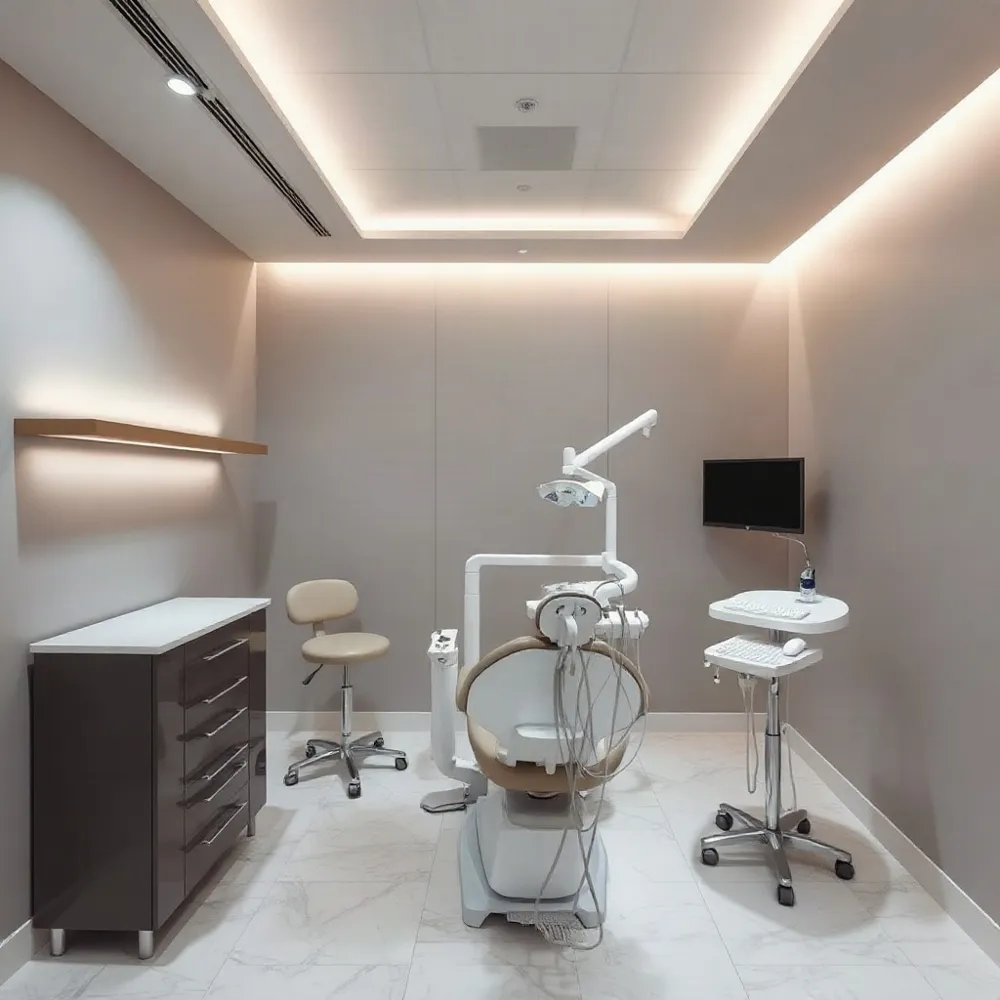 Cosmetic dentistry offers a range of benefits that extend well beyond improving the appearance of your smile. It can significantly boost self-confidence and self-esteem by correcting common imperfections like stains, chips, gaps, and misalignment. Research in the Journal of Clinical and Experimental Dentistry has shown that people with poor dental aesthetics tend to have lower self-esteem and be more self-conscious. By addressing these concerns, cosmetic procedures allow individuals to smile freely and engage socially without the fear of judgment or embarrassment.
In addition to aesthetic enhancements, cosmetic dentistry can promote better oral health. Treatments like veneers and bonding create smoother tooth surfaces that are easier to clean, reducing the risk of tooth decay and gum disease. Restorative treatments such as crowns and dental bonding strengthen damaged teeth and can improve chewing function, supporting healthier eating habits and overall well-being.
The benefits of cosmetic dentistry are also long-lasting. Porcelain veneers and dental crowns can last 10–15 years with proper care, while dental implants can last a lifetime. The Cleveland Clinic notes that cosmetic dentistry enhances self-confidence and self-esteem, positively impacting social interactions and professional opportunities. These durable outcomes make cosmetic dentistry a valuable investment in both appearance and long-term oral function.
Understanding the Risks and Long-Term Care
Cosmetic dental procedures are generally safe, but they do carry potential risks. Common side effects include temporary tooth sensitivity and mild gum irritation. More specific risks vary by procedure: porcelain veneers require irreversible enamel removal and can chip, while teeth whitening may cause uneven results. Dental implants carry a small risk of infection or failure due to factors like smoking. Discuss these risks with your dentist to make an informed decision.
Longevity of Cosmetic Treatments
The lifespan of cosmetic dental work varies by procedure. Teeth whitening typically lasts about a year before touch-ups are needed. Porcelain veneers and dental implants can last 10 to 15 years or longer with proper care. At Empower Your Smile, the team focuses on durable, natural-looking results tailored to each patient's long-term goals.
After 10 years, well-made porcelain veneers still look like natural teeth and maintain their color and shine, with studies showing a 95% survival rate. You may notice mild gum recession that makes the margin where the veneer meets your tooth slightly more visible, a normal age-related change. Composite veneers tend to show more wear and staining by this time, often requiring repair or replacement.
The 3-3-3 Rule for Maintenance
A simple oral health guideline that helps build a consistent care routine is the 3-3-3 rule. Most commonly, it means brushing your teeth three times a day for at least three minutes each time, and replacing your toothbrush every three months. Following this rule helps prevent cavities and plaque buildup, supporting the longevity of any cosmetic work.
Complex Factors: Perfectionism and Individual Differences
 The relationship between dental aesthetics and self-esteem is more complex than a simple cause-and-effect equation. Research published in Scientific Reports assessed the impact of dental aesthetics on self-esteem among 92 students and found no statistically significant association overall. However, the study revealed notable exceptions: self-esteem was negatively impacted in male participants and varied by nationality, suggesting that cultural and demographic factors mediate how strongly dental appearance affects self-worth.
Perfectionism adds another layer. Individuals who hold themselves to high personal standards may experience amplified psychological distress when their teeth do not meet those expectations. The same study found that young participants had high self-esteem regardless of dental aesthetics, indicating that resilience varies across age groups. For others, the gap between their ideal and actual smile can fuel social anxiety and self-criticism.
A personalized consultation is essential for identifying these individual differences. At Empower Your Smile DDS, the team conducts thorough assessments to understand each patient’s goals and emotional expectations. This allows for treatment plans that address not just the aesthetic issue but also the psychological dimension, helping patients achieve lasting satisfaction rather than chasing an unattainable ideal.
Empowering Confidence Through Expert Care
A cosmetic dentist's work goes beyond improving tooth color or alignment. It directly targets the insecurities that make people hesitate to smile, laugh, or speak freely. By addressing visible imperfections, these treatments remove a common source of self-consciousness, which research shows is linked to lower self-esteem and greater social anxiety.
When that barrier is lifted, the change can be powerful. A transformed smile encourages open engagement in conversations, reduces hesitation in social settings, and fosters a more positive self-image. Studies confirm that people who are satisfied with their dental appearance tend to report higher self-worth and greater confidence in daily life.
Ultimately, investing in your smile is an investment in how you show up to the world. A radiant grin does not just brighten your face — it empowers you to embrace new opportunities, strengthen relationships, and live with confidence. For those ready to take that step, a consultation with a trusted cosmetic dentist is the starting point.