Why Your Dentist Might Keep These Smile Secrets Hidden
Understanding Smile Makeovers
A smile makeover involves a combination of cosmetic and restorative dental procedures tailored to improve the appearance and function of your smile. Treatments might include teeth whitening, veneers, implants, bonding, and Invisalign, all designed to address issues like discoloration, gaps, or misalignment.
The Importance of Hidden Facts
Dentists may not always disclose every aspect upfront — from the need for multiple procedures to costs or maintenance requirements. Realizing these factors helps patients set realistic expectations, avoid surprises, and prepare for the commitment involved.
Cosmetic Dentistry: Expectations vs. Reality
While cosmetic dentistry can dramatically improve smiles, not all procedures are simple or quick fixes. Some treatments require several visits, personalized plans, and ongoing care to maintain results. Understanding what truly goes into a smile makeover ensures better outcomes and satisfaction.
Key Facts List on Cosmetic Dentistry and Smile Makeovers
- Cosmetic dentists personalize treatment plans, avoiding full makeovers if unnecessary to preserve natural tooth structure.
- The true cost of a smile makeover includes higher overall expenses from multiple procedures, materials, and time commitments, not just money.
- Gum health significantly impacts smile aesthetics; procedures like gum contouring and laser treatments enhance smile harmony by reshaping gum tissue.
- Teeth whitening results fade over time and often require regular touch-ups; severe stains may need alternative treatments like veneers.
- Veneers are thin shells addressing aesthetic issues, while crowns are full coverage restorations for damaged or structurally compromised teeth.
- Orthodontics, especially Invisalign and clear aligners, are integral in aligning teeth and improving overall smile appearance in makeover plans.
- Advanced digital technologies enable detailed smile design, realistic visualization, and precise planning, improving patient satisfaction.
- Maintaining a makeover requires consistent oral hygiene, dietary awareness, regular dental visits, and partnership with clinicians for longevity.
- Sedation options like nitrous oxide, oral, or IV sedation are crucial for patient comfort but often under-discussed during consultations.
- Social media influences high expectations for perfect, celebrity-like smiles, necessitating dentist-patient communication to set realistic goals.
1. Secret 1: Not Every Tooth Needs a Full Makeover

Do cosmetic dentists always recommend treating all teeth?
No, cosmetic dentists do not always suggest a complete makeover for every tooth. Instead, individualized treatment plans are personalized to each patient's unique dental condition and aesthetic goals. This individualized approach ensures that only the teeth requiring enhancement are addressed, preserving the health and integrity of the others.
Individualized treatment plans and conservative approaches
Modern cosmetic dentistry emphasizes conservative treatment. Techniques such as minimal-prep or no-prep veneers require little to no removal of tooth enamel, maintaining the natural tooth structure. Similarly, conservative dental techniques like cosmetic bonding use enamel-colored resin applied directly to teeth to fix chips or discoloration without extensive alteration.
Preserving natural tooth structure
A priority in smile makeovers explained is preserving as much natural tooth substance as possible. This approach reduces the risk of damaging teeth and supports long-term oral health. By focusing on less invasive procedures on selected teeth, cosmetic dentists create natural, functional, and aesthetically pleasing smiles without unnecessary treatments.
2. Secret 2: The Real Cost of a Smile Makeover Is More Than Money

Why do smile makeovers often cost more than individual procedures?
Smile makeovers explained integrate multiple Cosmetic dental procedures and Restorative dental procedures specifically tailored to each individual's goals. This combination typically leads to higher overall costs compared to single procedures because it covers a broader range of enhancements.
Financial investments and variations in cost
Costs can vary widely depending on the complexity of treatments, materials used, and geographic location. Smile makeover benefits can range from a few thousand dollars to well over $100,000. Financing Cosmetic Dentistry options are often available to help manage these expenses.
Time commitments including multiple appointments
A Smile makeover usually requires multiple appointments. Initial consultations involve detailed exams and First cosmetic dental visit for treatment planning. Treatment phases such as teeth whitening, dental veneers, Dental Bonding Uses, or orthodontic adjustments take varying lengths of time—from single visits to several months for orthodontics like Invisalign Treatment.
Potential need for follow-up or touch-up treatments
Maintaining the results often necessitates follow-ups or periodic Touch-up whitening treatments. For example, teeth whitening effects might fade over time and may require repeat sessions to sustain brightness. Regular Importance of Regular Dental Visits after a makeover help monitor oral health and longevity of cosmetic work.
Embracing these financial and time investments is essential to achieving and sustaining the full benefits of a smile makeover.
3. Secret 3: Your Gums Play a Big Role in Your Smile’s Success
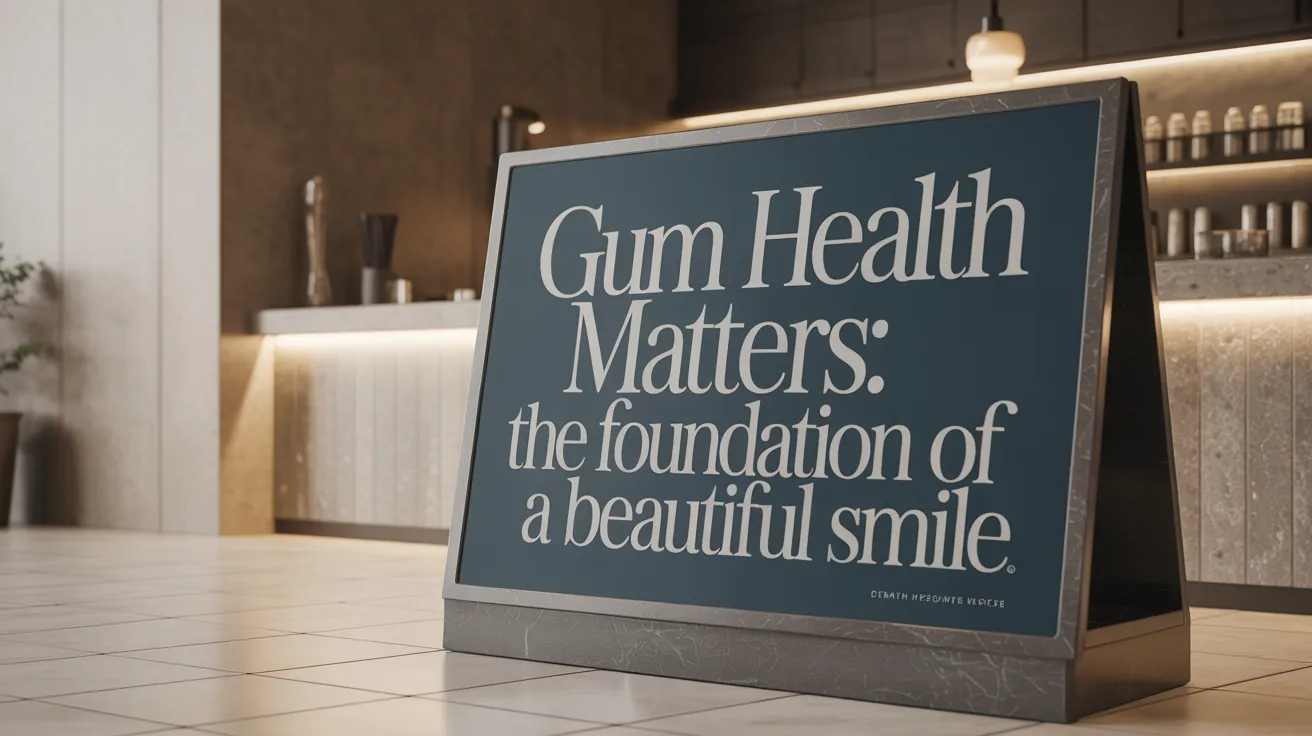
How important is gum treatment in a smile makeover?
Very important; procedures like gum contouring and gingivoplasty gum reshaping surgery correct gummy smiles and uneven gum lines, enhancing smile aesthetics and ensuring balanced proportions.
Gum contouring and reshaping
Gum contouring is a cosmetic dental procedure that reshapes discolored, uneven, or receded gums to improve the teeth-to-gum ratio. It can be especially valuable if you have a "gummy smile," where excessive gum tissue shows when smiling. This reshaping creates a more harmonious look, balancing your gum line with your teeth.
Gingivoplasty and laser treatments for gummy smiles
Gingivoplasty gum reshaping surgery involves removing excess gum tissue, often using tools like a scalpel, laser, or electrosurgery. Laser treatments not only reshape the gums but also promote faster healing and reduce discomfort. These procedures reduce gum exposure, correcting gummy smiles and making your teeth appear longer and more proportionate.
Importance of gum health assessment before makeover
A thorough gum health assessment is the foundation of any smile makeover. Checking for issues like gum disease or recession ensures treatments can be safely performed. Healthy gums support teeth firmly and contribute to the lasting success of cosmetic treatments like veneers or crowns. Cosmetic dentists carefully evaluate gum health to design treatments that optimize both oral health and smile aesthetics.
4. Secret 4: Teeth Whitening Isn’t as Simple or Long-Lasting as It Seems

Professional whitening vs at-home kits
Professional teeth whitening treatment, typically performed by dentists, use stronger bleaching agents and advanced techniques, ensuring quicker and more noticeable results. These treatments can lighten teeth by up to eight shades, significantly outperforming most at-home kits and over-the-counter options, which often yield minimal improvements and may carry risks like enamel damage if used improperly.
Need for touch-ups after whitening
Despite their effectiveness, professional whitening results are not permanent. The brightened tooth color gradually fades due to factors like dietary habits and natural aging. Regular touch-up treatments are necessary to maintain the desired shade, and patients are advised to avoid staining foods and beverages such as coffee, tea, and red wine to prolong results.
Limitations in whitening severely stained teeth
Whitening procedures may struggle to fully correct severe discoloration or intrinsic stains caused by trauma, medications, or fluorosis. In such cases, alternative cosmetic options like Dental Veneers Overview or bonding may be recommended to achieve a uniform, radiant smile.
Is professional teeth whitening permanent?
No, professional whitening provides effective results that can lighten teeth by several shades, but effects fade over time and require maintenance with periodic touch-ups and careful consumption habits.
5. Secret 5: Veneers and Crowns Are Not One-Size-Fits-All Solutions
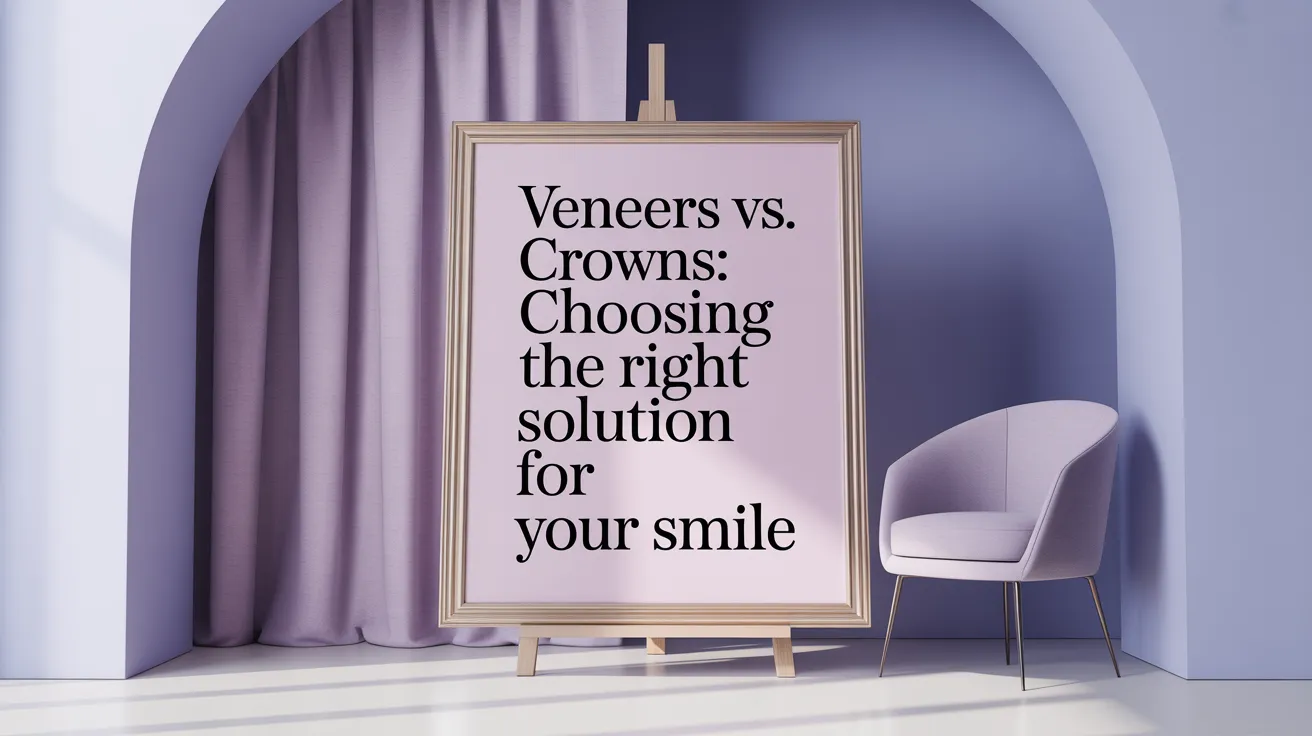
Differences between veneers and crowns
Dental veneers for smile improvement are thin porcelain shells bonded to the front surface of healthy teeth to improve appearance by covering stains, chips, or shape issues. Dental crowns for smile makeover, on the other hand, encase the entire tooth to restore strength and structure, especially for damaged or decayed teeth.
Materials and durability
Both dental veneers and crowns are commonly made from durable porcelain, with crowns offering additional strength due to their full coverage. Veneers are stain-resistant and last about 10-15 years, while crowns can provide a longer-lasting restoration depending on oral care.
Impact of tooth preparation on natural teeth
Veneer placement involves minimal enamel removal to preserve natural tooth structure. Crowns require more extensive tooth shaping to fit the cap properly, which can affect the underlying tooth integrity.
When should a crown be chosen over a veneer?
Crowns are preferred to strengthen damaged or structurally compromised teeth by covering the entire tooth. Veneers mainly address aesthetic issues on healthy teeth with minimal enamel removal, making them unsuitable for severely damaged teeth needing reinforcement.
6. Secret 6: Orthodontics Often Plays a Hidden Role in Smile Makeovers
How are Invisalign and clear aligners used in smile makeovers?
Orthodontic treatments, especially Invisalign Treatment and Clear Aligners for Minor Misalignments, are commonly used to straighten teeth and correct bite issues as part of Smile makeover. These aligners gradually move teeth into better positions, improving both function and aesthetics without the visibility of traditional braces.
Are aligners designed to fit facial features?
Yes, modern clear aligners like those from Byte at-home teeth straightening are custom made considering facial features to ensure the final smile looks natural and harmonious with the individual's face. This personalized approach enhances overall facial aesthetics alongside dental alignment.
What are typical treatment timelines for orthodontic adjustments?
Treatment duration varies but typically spans from 6 to 20 weeks for minor to moderate corrections, with some cases lasting up to 18 months. The timeline depends on the complexity of the alignment needed and patient compliance.
Do smile makeovers always include braces or aligners?
Not always. While not every smile makeover involves orthodontics, many plans integrate Invisalign Treatment or Clear Aligners for Minor Misalignments to subtly or significantly improve teeth alignment and bite. This often complements other cosmetic procedures for a balanced final result.
7. Secret 7: Your Dentist Uses Advanced Digital Technology More Than You Know
How does technology influence smile makeover outcomes?
Advanced digital technology plays a transformative role in modern Smile Design Overview. Digital smile design process and 3-D Smile Modeling Technology allow dentists to create detailed, personalized treatment plans by analyzing facial features and dental structures with calibrated photos and three-dimensional scans.
These visualization tools enable both dentists and patients to preview potential outcomes before any procedure begins, setting Set Realistic Smile Expectations and guiding decision-making. The use of digital scanners increases precision in designing dental restorations and aligners, ensuring a better fit and enhanced comfort.
By combining these technologies, cosmetic dentists improve accuracy, patient communication, and ultimately the success and satisfaction with smile makeover.
8. Secret 8: Maintaining Your New Smile Is a Partnership, Not a One-Time Fix
How can patients ensure their smile makeover lasts?
Maintaining the results of a smile makeover requires consistent effort and care rather than relying on the treatment as a one-time fix. Patients should commit to strict oral hygiene practices, including brushing and flossing tips at least twice daily with a using a soft-bristled toothbrush and fluoride toothpaste benefits. Regular flossing is critical to keep gums healthy and prevent decay around restorations.
Diet plays a significant role in preserving a bright smile. It is advisable to limit consumption of foods and beverages that can cause staining, such as coffee, tea, red wine, and dark berries. How to reduce coffee and tea stains by rinsing with water or brushing teeth soon after consuming such items helps reduce staining risks.
Importance of regular dental check-ups are essential. These visits allow for professional cleanings, monitoring of restorations, and early identification of any issues. Additionally, dentists may recommend protective devices like night guards to prevent damage from grinding or clenching, which can compromise veneers, crowns, or bonding.
By partnering with their dental care team and following these guidelines, patients can enjoy their enhanced smile for many years, maximizing the benefits of their Smile makeover benefits.
9. Secret 9: Sedation and Comfort Are Often Underdiscussed But Crucial
What options exist to make smile makeover procedures comfortable?
Many patients feel anxious about dental procedures, especially cosmetic dental procedures that may involve multiple steps. Dental Sedation Options is a key method used to alleviate this anxiety and ensure a comfortable experience.
Sedation options include:
- Nitrous Oxide (Laughing Gas): Provides mild sedation and quick recovery.
- Oral Sedation: Involves taking medication beforehand to relax.
- IV Sedation: Delivers deeper sedation intravenously for more extensive procedures.
Managing Patient Anxiety
Dentists encourage patients to communicate their fears so appropriate sedation strategies can be tailored. This helps patients feel at ease and more willing to undergo necessary procedures.
Safety Protocols in Sedation Dentistry
Dentists follow strict safety protocols to monitor patients during sedation. Pre-procedure evaluations consider medical history and sedation suitability. Continuous monitoring ensures patients remain safe throughout the treatment.
Although sedation is a valuable tool enhancing patient comfort, it is often not emphasized during initial cosmetic dental consultation. Patients should inquire proactively about available Dental Sedation Options to make their Smile Makeover experience as pleasant as possible.
10. Secret 10: Social Media Has Dramatically Shifted Cosmetic Dentistry Expectations
How does social media affect patient expectations?
Social media has significantly influenced beauty standards, making flawless, celebrity-style smiles highly desirable. Platforms like Instagram and TikTok showcase digitally enhanced images, leading many patients to seek perfection that can sometimes be unrealistic. This is discussed in the context of Social Media and Smile Aesthetics.
Patient desires have shifted toward achieving the polished, radiant smiles they see on influencers and celebrities. This trend increases demand for Cosmetic Dentistry Options that promise rapid, striking results.
However, the reality is more complex. Dentists often need to educate patients about the natural limitations of dental treatments and ensure expectations are aligned with achievable outcomes. Personalized treatment plans take into account individual oral health and facial features, ensuring smiles that look both beautiful and natural rather than digitally fabricated.
Managing these expectations helps patients appreciate the artistry and science behind cosmetic dentistry, emphasizing health and authenticity over unattainable digital perfection.
Empower Yourself With Knowledge for Your Smile Makeover Journey
Understanding the Realities Behind Smile Makeovers
Smile makeovers are thorough, personalized treatments designed to enhance your smile's beauty and function. These often involve multiple procedures like veneers, whitening, gum reshaping, or Invisalign. However, they require a significant investment of time and money, and results depend heavily on maintenance and oral hygiene.
Make Informed Choices for the Best Outcome
Being well-informed helps you set realistic expectations and select the most appropriate treatments for your needs. Don’t hesitate to ask your dentist questions, review before-and-after photos, and even seek second opinions for major procedures. Planning and clear communication ensures your goals align with the treatment plan.
Trust Only Qualified Professionals
Choosing a cosmetic dentist with specialized training, experience, and a strong patient rapport is crucial. Skilled practitioners use advanced technology and artistry to deliver natural, durable results that enhance both appearance and oral health. Avoid shortcuts or inexperienced providers to safeguard your investment and smile.