When a Tooth Needs Support
A small cavity may be repaired with a filling, but a tooth that is cracked, badly worn, or weakened by decay may need broader support. A dental crown covers the tooth to restore its shape and chewing function, while helping protect the remaining structure.
A crown is one possible treatment, not an automatic choice. A dentist assesses the tooth, the amount of healthy structure left, and the patient’s needs before recommending a restoration. At Empower Your Smile, a Tribeca practice offering general and cosmetic dentistry, that assessment can take place alongside other dental care under one roof.
Crowns can help preserve a natural tooth, but they are not permanent or maintenance-free. Regular brushing, flossing, and dental checkups help protect the tooth beneath the crown, and damage or wear may eventually call for repair or replacement. Cleveland Clinic’s guide to dental crowns explains their uses and care.
What Crowns Restore
 A dental crown is a custom-made, tooth-shaped covering that fits over the entire visible part of a tooth. It restores shape, strength, and function, and may also improve appearance. “Tooth cap” and “dental crown” are two names for the same restoration, as explained by the Cleveland Clinic.
At Empower Your Smile, restorative care is part of a full spectrum of dental services in Tribeca, where the team can assess the tooth and discuss suitable treatment. A dentist may recommend a crown for extensive decay, a crack or break, significant wear, or weakness after root canal treatment. Crowns can also cover dental implants or hold a bridge in place.
A crown may be an option when damage is too extensive for a filling to restore the tooth reliably. Less extensive damage may be managed with a filling or another conservative restoration. The choice depends on how much healthy tooth structure remains, the tooth’s condition, and the patient’s needs. For questions about a damaged or weakened tooth, contact the practice.
Choosing a Crown Material
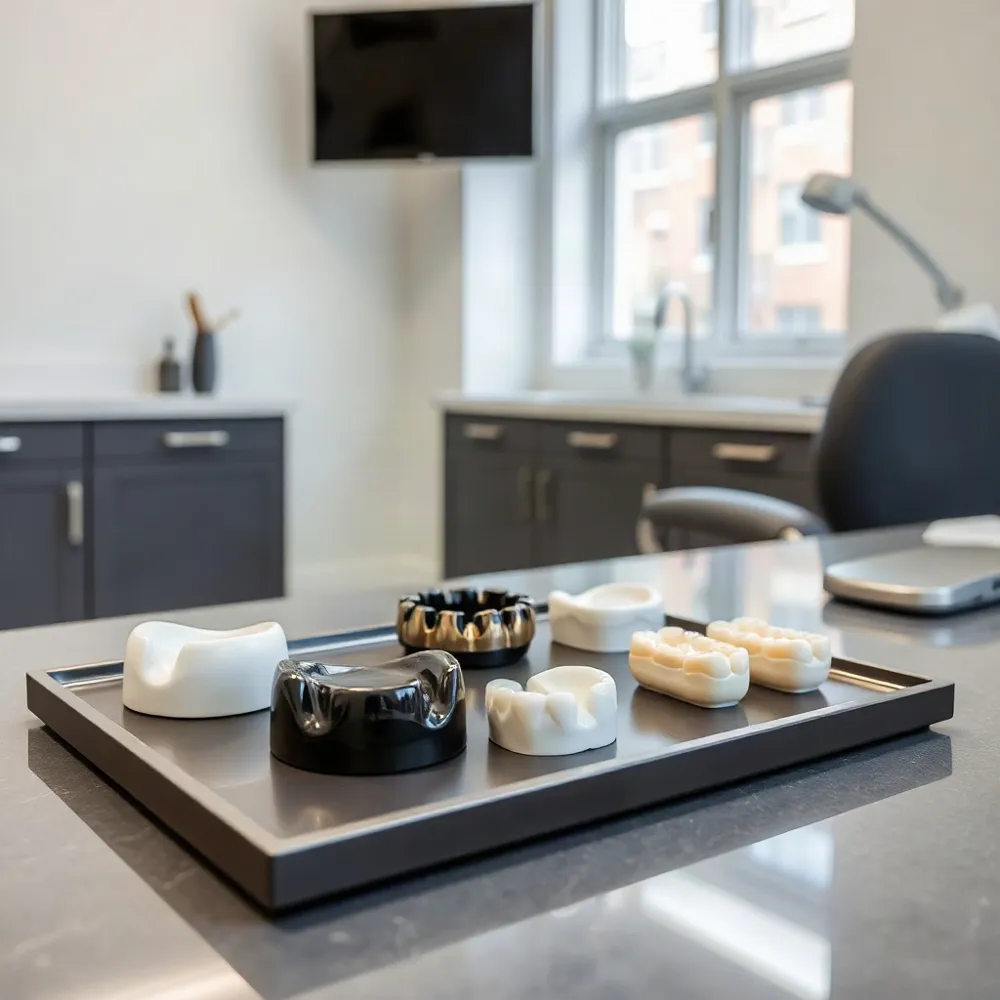 Crown materials vary in appearance, strength, and cost. Porcelain and other ceramics can closely resemble natural teeth. Zirconia is a tooth-colored ceramic often selected when strength matters, while porcelain-fused-to-metal crowns pair a metal base with a tooth-colored surface. Metal alloys are durable but more noticeable, and resin is more fragile, so it is often used for temporary crowns. The Cleveland Clinic’s crown guide outlines these material differences.
There is no single best crown for everyone. Tooth location, chewing forces, bite, oral health, appearance preferences, and budget all help guide the choice. Zirconia and metal are commonly considered when durability is a priority, but a dentist should assess whether either suits the individual tooth. At Empower Your Smile, crown care is part of a broad range of dental services in Tribeca, including crowns and bridges.
Broad U.S. estimates before insurance are about $1,000 to $3,000 per tooth for porcelain or zirconia, $900 to $2,500 for porcelain-fused-to-metal, $900 to $2,500 or more for metal, and $800 to $1,500 for resin. These are estimates, not a quote. The exam, imaging, and any treatment needed before placement can affect the total. For a personalized discussion, contact Empower Your Smile.
From Tooth Preparation to Placement
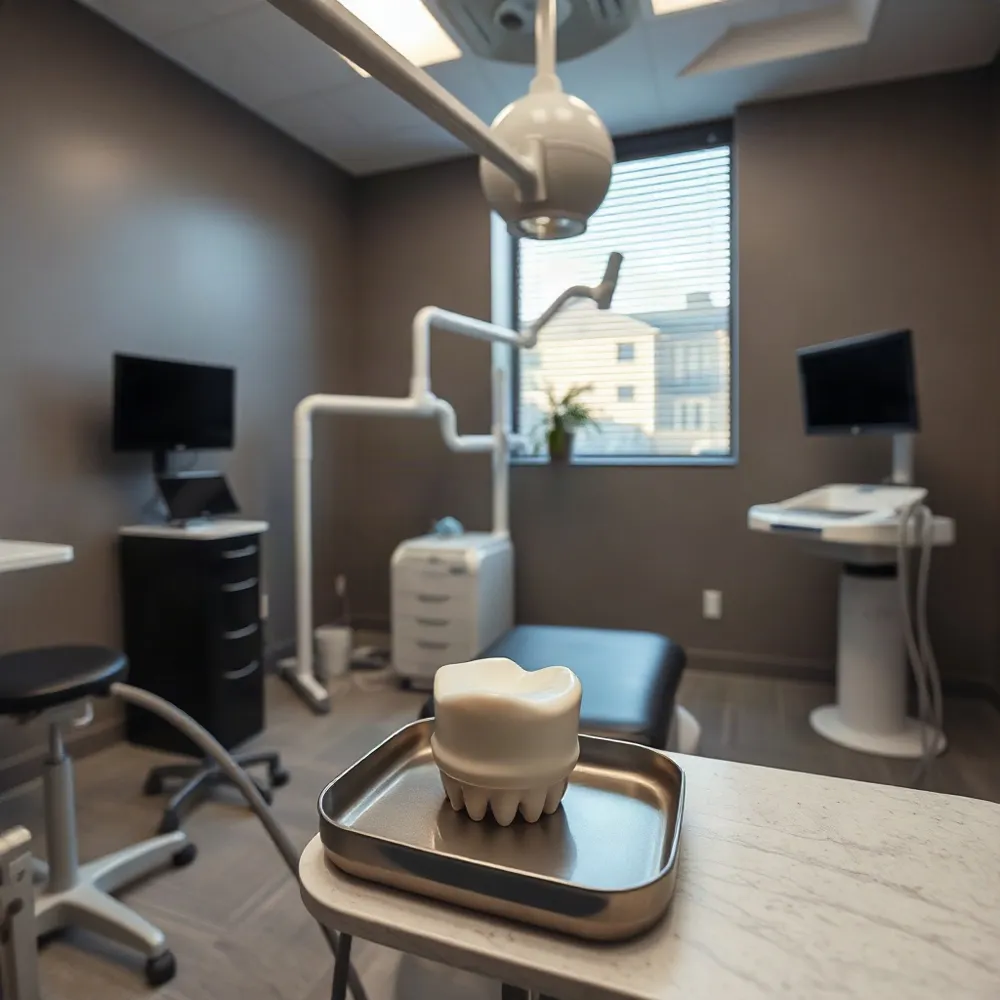 A crown must fit securely over the tooth, so preparation usually involves removing a small amount of enamel. If the remaining tooth needs extra support, the dentist may build it up with filling material first. This preparation is irreversible, so the dentist should explain the expected benefits and trade-offs before treatment.
Traditional treatment generally takes two visits, though the timing varies by case. At the first visit, the dentist prepares the tooth, takes a physical or digital impression, and places a temporary crown. A dental laboratory then makes the permanent restoration, a process that commonly takes two to three weeks or longer. At the second visit, the dentist checks the crown’s fit, shape, and color before bonding it with dental cement, as described in the Cleveland Clinic’s guide to crowns.
Some offices use CAD/CAM technology to scan the tooth, design a ceramic crown, and mill it in-office, which may allow treatment in one visit. Same-day treatment is not suitable for every tooth or patient, so the dentist must assess whether it is an option.
A crown can protect a weakened tooth, restore chewing, and improve appearance. The trade-offs include permanent enamel removal, possible temporary sensitivity, and risks such as fracture or decay around a poorly fitting crown; allergic reactions are rare, and cost also varies. For an overview of how crown materials affect durability, see the practice’s related article. Empower Your Smile offers general and cosmetic dental care in Tribeca, with treatment planning tailored to each patient. To discuss whether a crown or another restoration may fit your needs, contact Empower Your Smile.
Protecting the Crown and Tooth Beneath
A crown can protect a tooth, but it does not make the underlying tooth immune to decay. Plaque at the gumline or bacteria collecting around a crown that fits poorly can still cause problems. Regular checkups help a dentist assess the crown and the tooth beneath it.
With proper care, crowns commonly last about five to 15 years, and some last longer. Material, tooth location, bite forces, oral health, and habits such as grinding or clenching can all affect how long a crown serves. These are general estimates, not a guarantee for an individual restoration, as the Cleveland Clinic explains.
Daily habits help protect both the crown and natural tooth. Brush at least twice a day with fluoride toothpaste and a soft-bristled brush, floss daily, and keep up with regular dental cleanings and examinations. Avoid chewing ice, popcorn kernels, very hard foods, and sticky treats such as caramel, which can crack or dislodge a crown.
If you grind or clench your teeth, ask your dentist whether a custom mouth guard may help. Contact a dentist if a crown feels loose, develops a crack or chip, has a sharp edge, or is accompanied by bad breath or an unpleasant taste. A change in your bite or persistent pain also deserves attention. Some sensitivity to hot or cold after placement may occur, but pain that continues or keeps you awake should be reported.
At Empower Your Smile, restorative care is part of a full spectrum of dental services in Tribeca, with personalized treatment from a team of dental professionals. If you have a concern about a crown or the tooth beneath it, contact the practice to discuss an evaluation.
When Replacement May Be Considered
A crown can serve for years, but it is not indestructible. Wear, a crack or chip, looseness, or a poor fit can signal that it needs a dentist’s assessment. Pain, trapped food, or a gap at the crown’s edge may also point to a problem with the restoration or the tooth beneath it. An examination, and sometimes dental imaging, helps determine whether repair or replacement is appropriate. Cleveland Clinic’s overview of dental crowns explains common reasons a crown may need attention.
How much does it cost to replace a dental crown? A broad estimate is about $800 to $3,000 per tooth, but this is not a personalized quote. Material, case complexity, location, examination and imaging, a temporary crown, core buildup, and additional treatment can all affect the total. Insurance may cover part of the cost when replacement is considered necessary, but benefits depend on the plan. Ask for an individualized estimate before treatment.
At Empower Your Smile, crown recommendations are part of its broader general and cosmetic dentistry services in Tribeca, with care planned around the tooth’s condition and the patient’s needs. For questions about a crown or an estimate, contact the practice.
A Personalized Restoration Plan
A crown can restore function and protect a compromised tooth when the tooth has enough healthy structure to support it. The right plan depends on the tooth’s condition, the crown material, appearance preferences, and budget. A dentist can assess these factors and explain suitable options, including alternatives when a crown may not be the best fit. Cleveland Clinic’s guide to dental crowns outlines common uses and material choices.
Longevity varies, and no crown is maintenance-free. Regular brushing, flossing, and dental visits help protect the natural tooth beneath the restoration and allow concerns to be checked early. Empower Your Smile provides restorative and general dental care in Tribeca, with treatment planned around each patient’s needs.
To discuss whether a crown or another restoration may suit your tooth, contact Empower Your Smile for an assessment and a conversation about treatment options and expected costs.