
What Is a Smile Makeover?
A smile makeover is a personalized, multi-procedure cosmetic dental plan designed to improve the overall aesthetic appeal of your smile. It combines restorative and cosmetic treatments to address issues such as discoloration, chips, gaps, misalignment, and visible gum tissue.
Common procedures in a smile makeover include professional teeth whitening, porcelain veneers, composite bonding, dental crowns, gum contouring, clear aligners, and sometimes dental implants. Each makeover is customized to the patient's specific goals, facial features, skin tone, and hair color.
During the initial consultation, the dentist evaluates oral health, discusses desired outcomes, and uses digital smile design technology to create a preview of the potential results. This simulation helps patients see and approve changes to tooth shape, size, color, and alignment before treatment begins.
The benefits go beyond appearance. An attractive smile boosts self-confidence, can improve first impressions, and may even encourage more frequent smiling — a habit linked to stress relief and positive social perception.
Empower Your Smile, led by Dr. Moezinia in Tribeca, NYC, offers a full spectrum of cosmetic services including porcelain veneers, professional whitening, and dental implants. The practice combines advanced technology with a patient-centered approach to create individualized plans that help each person achieve a healthy, confident smile.
Smile Makeover Key Facts
- Digital Smile Design software allows patients to preview projected results for tooth shape, length, and color before any work begins.
- Foundation health must be established first: cavities filled, gum disease treated, and bite alignment corrected before cosmetic work.
- Orthodontics for bite correction typically takes three to twelve months and reduces enamel removal needed later.
- Dental implants require osseointegration of the titanium post with the jawbone, a process that takes three to six months.
- Professional teeth whitening is performed early because veneers and crowns do not change color after placement.
- Porcelain veneers last between 10 and 20 years with proper care and are handcrafted by a master ceramist over two to three weeks.
- A well-maintained smile makeover can last 15 to 20 years with a daily routine of brushing, flossing, and regular six-month dental visits.
- Financial assistance for smile makeovers includes dental schools, Federally Qualified Health Centers with sliding fees, and HSA/FSA pre-tax accounts.
- Dental insurance typically covers only the restorative portion of a smile makeover (cavities, gum disease) and excludes purely cosmetic procedures like veneers.
- Cardi B publicly shared she paid approximately $40,000 for her porcelain veneers, a celebrity-grade cost for addressing spacing, misalignment, and discoloration.
1. Step 1: Consultation & Digital Smile Design
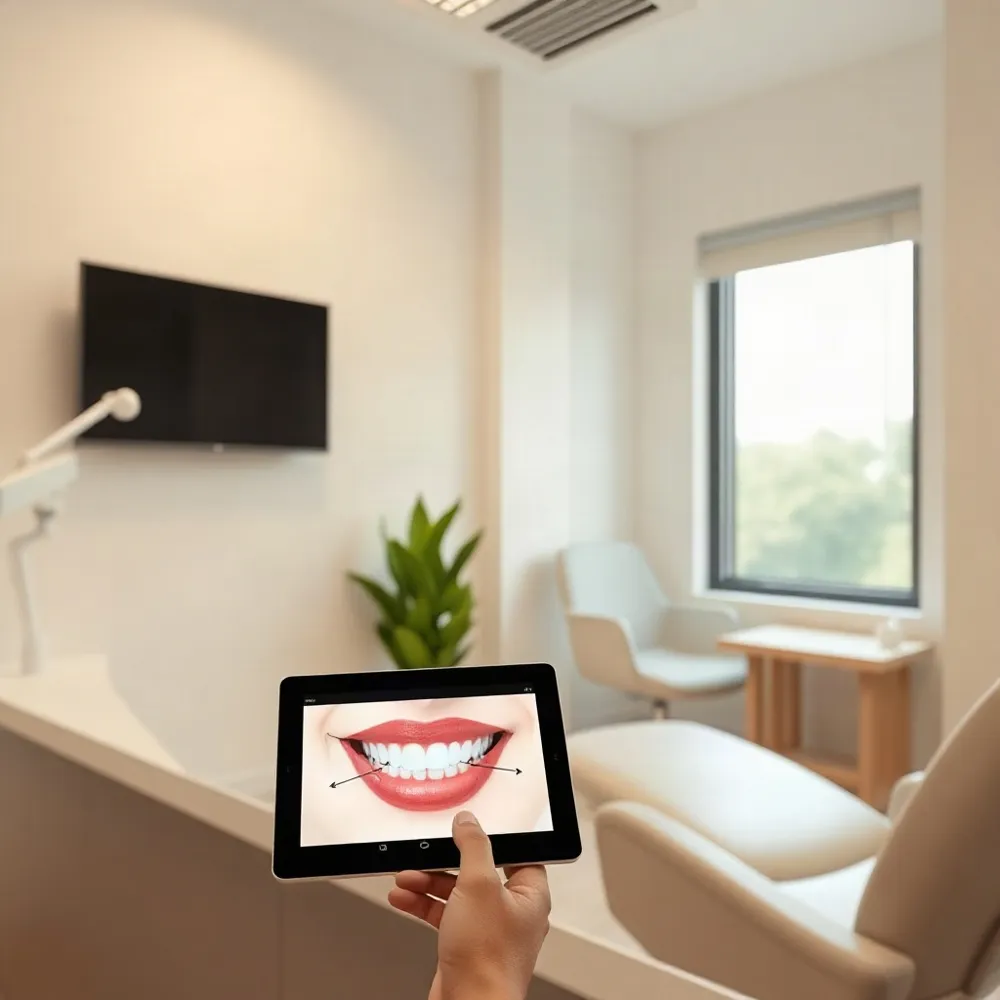 Every great smile makeover starts with a conversation. During the consultation, your dentist listens to your goals, evaluates your oral health, and begins mapping out a plan that is unique to you.
The dentist performs a comprehensive oral assessment, checking for cavities, gum disease, bite alignment, and signs of grinding. These underlying issues must be treated first to protect your investment in the new smile and ensure long-lasting results.
Digital imaging, including 3D scans and high-resolution photos, captures the full picture of your mouth. Using Digital Smile Design software, the dentist can show you a preview of the projected results, allowing you to compare options for tooth shape, length, and color before any work begins.
From there, a personalized treatment plan is drafted, factoring in your facial features, skin tone, and hair color for a natural result. The plan provides a clear timeline and a detailed cost estimate with separate line items for each procedure, so you know exactly what to expect.
At Empower Your Smile, the same thoughtful approach guides every consultation — combining advanced technology with personalized care in a comfortable, patient-centered setting in Tribeca, NYC.
2. Step 2: Foundation Health First
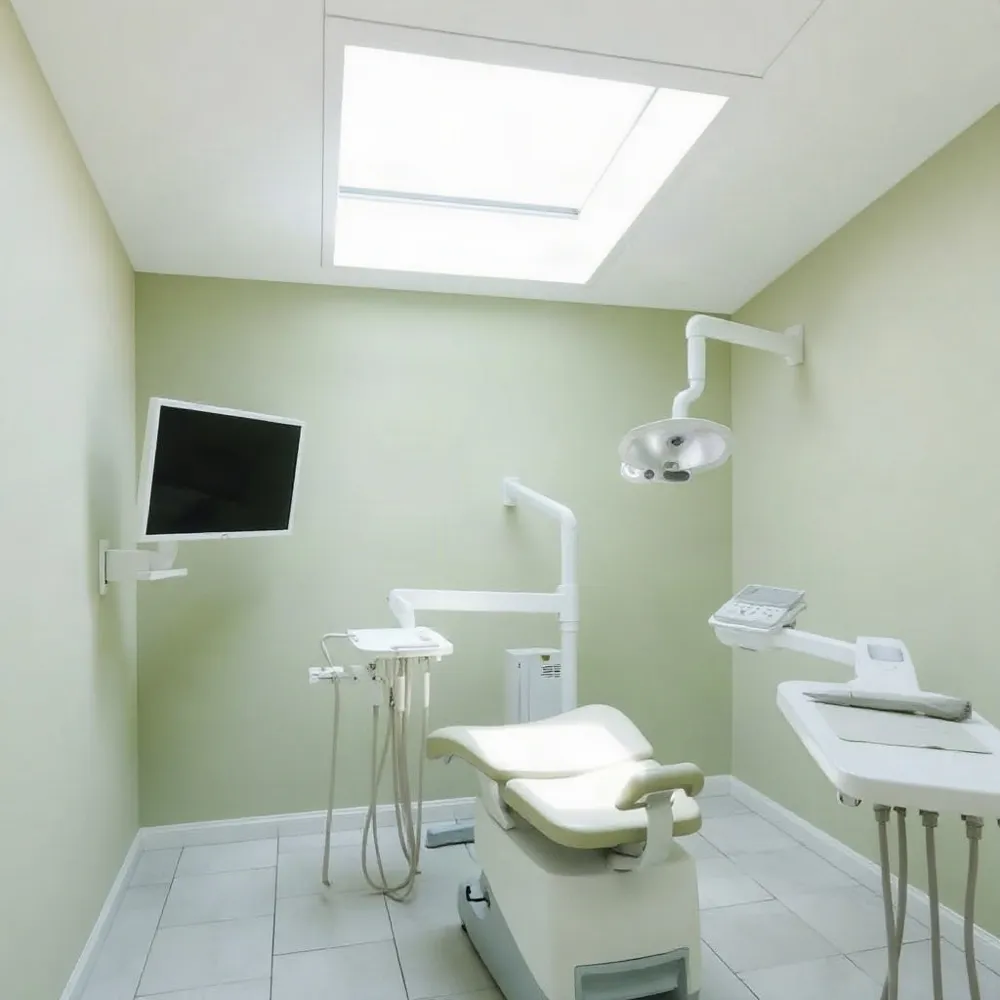 Before any cosmetic work begins, the mouth must be healthy. Treating active decay and gum disease ensures that the investment in your new smile is built on a stable foundation.
Cavities are removed and filled to prevent infection from spreading under new veneers or crowns. Gum disease (bleeding, swelling, bone loss) must also be resolved first, as it can compromise the fit and longevity of cosmetic restorations.
Bite Evaluation and Orthodontics
An uneven bite creates uneven pressure that can crack veneers or chip bonding material. If bite problems are present, orthodontics (braces or clear aligners) is often recommended before cosmetic treatments. This phase typically takes three to twelve months, depending on the amount of tooth movement needed. Correcting alignment first reduces the amount of enamel removal required later and lowers the risk of damage to the final restorations.
Extractions and Dental Implants
Teeth that are severely damaged, infected, or unrepeatable may need extraction before the smile makeover can continue. If a tooth is replaced with a dental implant, the titanium post must fuse with the jawbone through a process called osseointegration, which typically takes three to six months. This healing period is essential for the implant to support a final crown securely.
Gum Contouring
Gum contouring reshapes an uneven gum line using a laser or surgical tools to improve the smile's appearance. Because the gums need two to six weeks to heal and settle, this procedure is scheduled early in the treatment sequence, before the final cosmetic work is placed.
Professional Teeth Whitening
Professional teeth whitening typically comes early in the process to establish the brightest natural shade. This timing matters because veneers and crowns do not change color once they are placed. Whitening after getting these restorations can create a mismatched look. Once the whitening is complete, the dentist can match the shade of future veneers or bonding material to the new, lighter tooth color.
3. Step 3: Cosmetic Enhancements & Custom Fabrication
 Once the foundation is healthy and the teeth are prepared, the cosmetic phase begins. This stage involves custom-crafted restorations that transform the look and feel of your smile.
Porcelain Veneers
Porcelain veneers are thin ceramic shells bonded to the front surface of teeth to correct chips, stains, gaps, and minor alignment issues. A small amount of enamel is removed to make room for the veneer, ensuring a natural fit and appearance. Temporary veneers are placed while a master ceramist handcrafts the final set, a process that typically takes two to three weeks. With proper care, porcelain veneers last between 10 and 20 years and resist staining better than natural enamel.
Dental Crowns and Cosmetic Bonding
Dental crowns cover the entire visible portion of a damaged tooth, restoring both strength and appearance. A well-maintained crown can last up to 20 years. Cosmetic bonding uses tooth-colored resin sculpted directly onto the tooth to repair small chips, cracks, or gaps, often completed in a single visit. Bonding is a cost-effective option for minor corrections but typically lasts three to ten years before needing touch-ups.
Gum Contouring and Same-Day Options
Gum contouring reshapes an uneven gum line using a laser or surgical tools to improve the proportion of teeth to gums. Laser contouring is ideal for removing less than 2 millimeters of tissue and heals within two to six weeks. For patients who have completed prior research and planning, same-day veneers are an option that involves a minimalist preparation and placement in a single extended appointment.
At a Tribeca practice like empoweryoursmile.com, the cosmetic phase is guided by digital smile design technology that allows you to preview your new smile before any permanent work begins. The combination of custom fabrication, advanced materials, and precise artistry ensures results that are both beautiful and durable.
4. Step 4: Final Adjustments & Follow-Up Care
After cosmetic procedures are placed, the dentist makes final adjustments to ensure the new smile feels natural and functions correctly. This typically involves fine-tuning bite alignment so upper and lower teeth meet properly, smoothing any rough edges on veneers or crowns, and making minor corrections to shade or shape for a seamless look. Most patients adapt to the feel of their new smile within a few days.
Post-treatment recovery time varies depending on the procedures performed. A simple whitening session requires almost no downtime, while recovery from gum contouring or implant surgery can take several weeks. Follow-up appointments are essential during this period so the dentist can monitor healing, check the fit of restorations, and catch any issues early.
Ongoing Care and Lifestyle Adjustments
Your daily habits directly affect the lifespan of your smile makeover. Avoid chewing ice, biting nails, or using teeth to open packages — these can chip veneers or bonding material. If you grind or clench your teeth (especially at night), a custom nightguard is recommended to protect the cosmetic work from fracturing.
Good oral hygiene after a smile makeover is straightforward but non-negotiable: brush twice daily for two minutes with a soft-bristled toothbrush and non-abrasive fluoride toothpaste, floss once a day, and schedule regular six-month dental visits. With this routine, well-maintained cosmetic dental work can last 15 to 20 years.
5. Step 5: Enjoying Your New Smile for Years to Come
The smile you see in the mirror after your final adjustment is the beginning of a long-term relationship with your new look. Well-maintained cosmetic dental work can last 15 to 20 years or longer, making the initial investment worthwhile.
That longevity depends on your commitment to aftercare. A solid daily routine includes brushing twice daily with a non-abrasive fluoride toothpaste, flossing with waxed or tape-style floss, and using an alcohol-free mouthwash. Regular six-month visits for professional cleanings are essential. Avoid habits that can damage your restorations, such as chewing ice, biting nails, or using teeth to open packages. If you grind your teeth at night, a custom nightguard protects your veneers and crowns from excessive force.
An American Academy of Cosmetic Dentistry survey found that nearly half of participants consider a smile a person's most attractive feature. The confidence that comes with a smile makeover can improve first impressions and overall well-being. For patients who feel self-conscious about their teeth, the transformation is often described as life-changing. At empoweryoursmile.com in Tribeca, NYC, Dr. Moezinia and her team emphasize that the success of the treatment largely lies in the patient's hands after leaving the office, making a commitment to aftercare the most important factor in enjoying your new smile for years to come.
Can I Afford a Smile Makeover?
A smile makeover is an investment that can feel out of reach, but a range of financial assistance options exist to bridge the gap. Dental schools offer procedures performed by students under licensed faculty supervision at a steeply reduced cost. Federally Qualified Health Centers (FQHCs) and community clinics, such as Interfaith Dental Clinic or Duck River Dental Outreach, provide care on a sliding fee scale based on your income. Some states also offer adult Medicaid dental coverage. Starting with these resources can make the process far more accessible.
On the cost-management side, many dentists offer in-house payment plans or third-party financing. You can also tap into a Health Savings Account (HSA) or Flexible Spending Account (FSA) to pay for the entire makeover with pre-tax dollars. Keep in mind that dental insurance typically covers only the restorative portion of a smile makeover (e.g., treating cavities or gum disease) and excludes purely cosmetic procedures like veneers or whitening. A clear breakdown of what is and is not covered helps avoid surprises.
Charitable programs and state dental associations provide another layer of support. Similar organizations offer grants or discounted treatment for low-income patients. The American Dental Association and your state's dental association maintain directories of access-to-care programs, including free or mobile dental clinics. Patients who combine these resources with a well-structured payment plan can often move forward with a smile makeover that would otherwise seem impossible.
Celebrity Smile Secrets: Veneers & More
A-list smiles often look effortless, but many are the result of carefully planned cosmetic dentistry. While celebrities rarely disclose every detail of their dental work, cosmetic dentists and fans frequently analyze before-and-after photographs for clues. For example, dental experts have speculated that Taylor Swift may have porcelain veneers, noting subtle changes in tooth shape and alignment over her career. Taylor Swift has never confirmed any specific procedures, and factors like professional whitening, lighting, and image editing make it impossible to determine dental history from photos alone. What is clear is that porcelain veneers are a popular choice among public figures for achieving a natural-looking, camera-ready enhancement.
Some stars are more open about their investments. Cardi B has publicly shared that she paid approximately $40,000 for her porcelain veneers, a procedure performed by renowned celebrity dentist Dr. Catrise Austin in New York City. The cost addressed her spacing, misalignment, and discoloration. While $40,000 is on the high end for celebrity-grade work, the price of veneers varies based on the dentist's expertise, materials used, and the number of teeth treated. For most patients, a consultation with a cosmetic dentist provides an accurate, individualized estimate.
When asked which female celebrity has the best teeth, opinions vary, but Megan Fox, Beyoncé, and Halle Berry are frequently named. Kate Middleton is known for achieving a "golden proportion smile" through cosmetic dentistry, creating a symmetrical and harmonious look. Angelina Jolie and Julia Roberts are also celebrated for bright, white smiles that are often enhanced by professional dental work. The common thread among these stars is not a specific procedure but the personalized approach that cosmetic dentists take to match the patient's facial features, skin tone, and personality.
For patients inspired by celebrity smiles but seeking their own unique look, the most important step is a thorough consultation. At empoweryoursmile.com, led by Dr. Moezinia in Tribeca, NYC, the process begins with digital smile design technology that lets you preview how different veneer shapes, sizes, and shades will look on your own face. No two smiles are the same, and a personalized treatment plan ensures results that feel authentic and flattering, not like a copy of someone else's famous grin.
Your Smile Transformation Awaits
From the initial consultation through final adjustments and long-term care, a smile makeover follows a proven five-step journey that transforms your appearance and confidence. Each phase builds on the last, starting with understanding your goals, ensuring a healthy foundation, applying custom cosmetic work, fine-tuning the fit, and maintaining results for years to come.
At Empower Your Smile in Tribeca, this journey is guided by a personalized, patient-centered approach that considers your unique facial features and dental needs. Led by Dr. Moezinia and her team, the practice combines advanced digital technology with comfort-focused care to deliver natural-looking, lasting outcomes.
If you are ready to take the first step, schedule a consultation with us. Let us listen to your goals, answer your questions, and design a custom treatment plan that helps you smile with confidence.


