The Promise of a Tooth in a Day
Leaving the dental office with a tooth in place can make treatment feel less disruptive, especially when a missing tooth is visible. Same-day dental implants may offer that early result: in selected cases, a temporary crown or bridge is attached during the implant visit.
But “in a day” describes the first step, not a finished implant. The temporary restoration is not usually the final tooth, and the implant still needs time to bond with the jawbone before it can support its lasting restoration. At empoweryoursmile.com, implant care sits within a practice that brings general dentistry and specialist care together, allowing the treatment plan to account for both the implant and the surrounding oral health.
The practical question is therefore twofold: what can safely happen in one visit, and what must wait for healing? The answer depends on an individual examination and treatment plan, not simply on the appeal of a faster timeline.
What Happens in the First Visit
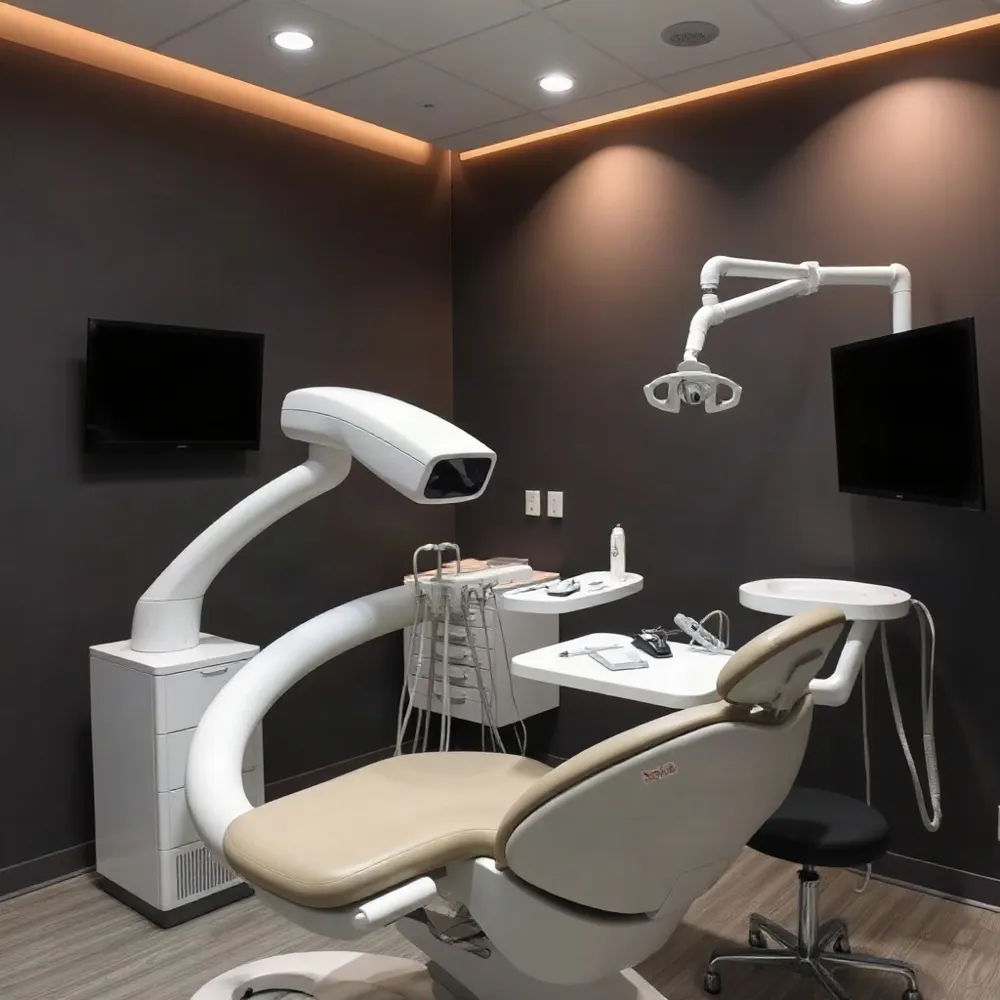 “Same-day” can describe more than one step, so it helps to separate implant placement from restoration. Immediate placement means inserting an implant into the socket during the appointment when a tooth is removed. Immediate loading means attaching a temporary crown, bridge, or full-arch restoration soon after an implant is placed. The two can happen together, but one does not guarantee the other.
In selected cases, a dentist may extract a tooth and place an implant at the same visit. A temporary tooth may also be possible if the treatment plan and implant stability allow it. Bone support, gum health, infection, overall health, bite forces, and whether grafting is needed can all affect the decision. At empoweryoursmile.com, implant care is part of a broader dental practice that includes specialist-led treatment planning; the team can assess the site and discuss the sequence that fits the patient.
With traditional staged treatment, the implant is left to bond with the jawbone before a restoration is attached. Both approaches need healing and follow-up, and the final restoration is generally fitted later. A temporary crown or bridge may be adjusted to avoid heavy bite contact, reducing pressure on the implant as it heals.
The first visit is therefore not always the finish line. Patients can review the stages of treatment in Dental Implants 101 and ask their dentist which steps are planned for their case.
Who May Be a Candidate
Who is a good candidate for same-day dental implants, and what factors could make someone ineligible?
A potential candidate generally has healthy gums, enough jawbone to support an implant, and the ability to heal and follow aftercare instructions. The implant must also be stable when placed, and the bite must allow the temporary tooth to avoid excessive pressure.
An evaluation considers gum and oral health, bone quality, bite forces, medical history, medications, and factors that may affect healing. X-rays or three-dimensional imaging can help assess the site and plan implant placement. At Empower Your Smile, Dr. Moezinia’s team includes dental specialists, and the practice offers personalized care across dental and periodontal services. A consultation can help determine whether immediate restoration fits the patient’s needs.
Active gum disease or infection, inadequate bone, smoking, and certain medical or healing concerns may make immediate loading unsuitable or call for treatment first. None automatically rules out every option. Bone grafting or other preparation may create a path to implant treatment later; a staged plan may also be considered if a temporary tooth would place too much force on the implant. A periodontist’s role in implant care may be relevant when gum or bone health needs close attention.
Are same-day dental implants safe and effective?
They can be appropriate for carefully selected patients when planned and placed by a qualified dental team. The temporary restoration does not mean the implant has healed. Bone still needs to integrate with it, so the decision should favor stability and long-term health over speed.
Benefits, Tradeoffs, and Cost
A same-day temporary tooth can reduce the time a person spends with a visible gap or removable denture. It may also mean fewer visits and less disruption to speaking, appearance, and daily routines. At empoweryoursmile.com, implant care is part of a broader practice that brings general dentistry, periodontics, and cosmetic services together, which can help coordinate different parts of a treatment plan.
The tradeoff is that the tooth placed right away is usually temporary, not the finished restoration. The implant still needs months to integrate with the jawbone, and patients may need a soft-food diet and limits on chewing to protect it. Immediate loading is technique-sensitive, and excessive pressure or movement during healing can increase the risk of problems. A slower approach may be more suitable when clinical conditions do not support same-day treatment.
For full-arch treatment, an approach such as All-on-Four uses several implants to support a temporary arch. The final restoration is fitted after healing, and the number of implants, arches, materials, extractions, grafting, and other care all affect the overall cost.
Available estimates vary. One source-specific estimate puts the national average near $3,255, while another gives a broad range of about $2,500 to $6,000 per implant. These figures are not quotes, and full-mouth treatment can cost substantially more. Ask for an individualized, itemized plan that identifies fees for imaging, surgery, temporary teeth, follow-up visits, and final restorations, as well as whether financing is available.
Healing Takes Longer Than a Day
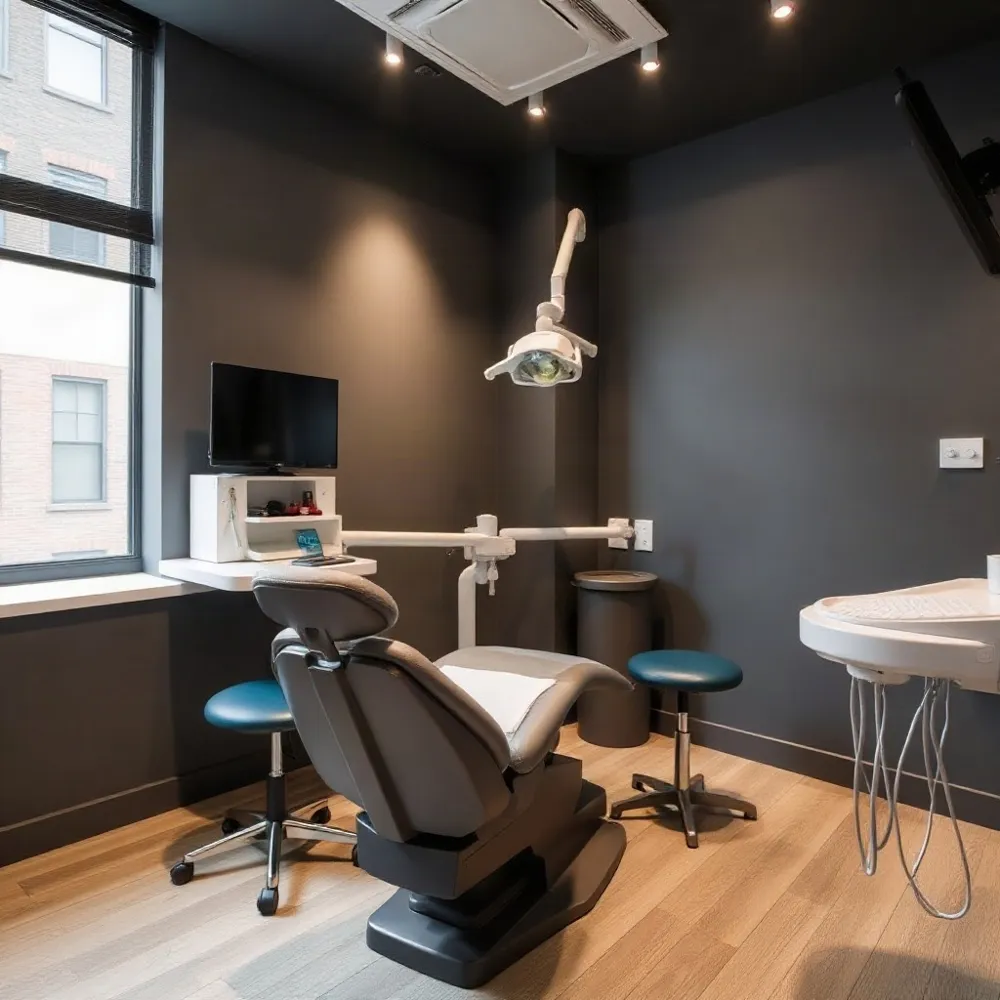 Even when a temporary tooth is attached during surgery, the implant still needs time to bond with the jawbone. This process, called osseointegration, commonly takes about three to six months.
Gums may look healed sooner, but that does not show whether the bone has integrated fully or whether the implant is ready for its permanent restoration. Healing time varies with bone quality, overall health, and the treatment performed. At empoweryoursmile.com, implant planning is part of a broader approach that includes periodontics and restorative care under one roof.
How long does it take for a dental implant to heal and bond with the jawbone?
A bone graft can add a separate healing interval before implant placement, allowing new bone to develop and provide support. After socket preservation, placement may be considered around 8–12 weeks later in some cases; larger or more complex grafts can take several months. The timing depends on the site and how it heals.
How can a bone graft affect the timeline for getting a dental implant after extraction?
In carefully selected cases, extraction, grafting, and implant placement may be combined in one appointment. That approach depends on the clinical findings and whether the implant has adequate support and stability. A graft does not remove the need for osseointegration after placement.
The dentist monitors healing and determines when a permanent crown, bridge, or full-arch restoration can be fitted. At empoweryoursmile.com, that decision can be considered alongside the patient’s gum health and restorative goals, rather than relying on the appearance of the gums alone.
Recovery and Protecting the Implant

What does recovery from same-day dental implant surgery involve, and how much rest is usually needed?
A temporary tooth may be in place right away, but the area still needs careful recovery. Soreness, swelling, bruising, or light bleeding can occur during the first few days. Rest on the day of surgery, then return to work and light activities based on how you feel and the extent of treatment.
Follow your dental team’s instructions for medication, gentle cleaning, diet, and activity. Softer foods are commonly recommended early on, and it is important to avoid excess pressure on the implant or temporary tooth. At empoweryoursmile.com, implant care is part of a practice that brings dental services and specialists together, supporting follow-up with the team involved in your care.
What helps dental implants heal, and what are signs that an implant is healing properly?
Soreness and swelling should generally ease, while the gum tissue heals without persistent drainage. Keep the area clean as directed, avoid smoking if advised, and attend scheduled checkups. A healthy-looking gum does not confirm that the implant has bonded with the jawbone; that process takes months. For more on treatment stages and follow-up, see Dental Implants 101.
Contact your dental team promptly about worsening or persistent pain or swelling, redness, pus, an unusual taste, fever, or implant looseness. Severe swelling, fever, or trouble swallowing or breathing needs urgent care.
When to Call About Implant Problems
An implant problem can arise if the post does not bond securely with the jawbone, or later if infection develops in the tissue around it. Inadequate bone support, gum disease, smoking, poorly controlled diabetes, and excessive force from clenching or grinding can affect healing or stability.
Some soreness and swelling soon after surgery can be part of recovery. Contact your dental team if pain or swelling persists, gets worse, or returns after improving. Redness, bleeding, pus, a bad taste, gum recession, or a loose implant or restoration also warrant a professional assessment.
These signs do not, on their own, confirm implant failure, but prompt evaluation can help identify the cause and determine what care is needed. At empoweryoursmile.com, implant care is part of a practice that brings dental and periodontal services together; regular checkups and careful oral hygiene help the team monitor the implant and surrounding gums.
Choose the Timeline That Fits
A temporary tooth may be attached on implant surgery day in selected cases, but that does not complete treatment. The implant still needs to heal, and the final restoration comes later. The right schedule depends on the condition of the gums and jawbone, the implant’s stability, and each patient’s health and goals.
At empoweryoursmile.com, Dr. Moezinia’s team brings dental and periodontal care together, allowing patients to discuss implant planning with specialists. Ask a dental professional to explain examination findings, alternatives to immediate placement, possible risks, expected costs, and the timeline for both healing and the final tooth before choosing a plan.