
Why Specialist Care Matters for Dental Implants
Dental implants are one of the most popular and effective tooth replacement solutions today. Their strength, durability, and natural feel come from a process called osseointegration, where a titanium post fuses directly with the jawbone. However, the success of any implant depends heavily on the health of the surrounding gums and bone.
A periodontist is a dental specialist with three years of additional training beyond dental school, focused entirely on the gums, jawbone, and supporting structures. This expertise makes them uniquely qualified to handle implant cases, from preparing the mouth through treating gum disease or performing bone grafts to ensuring long-term stability.
This article explores why choosing a periodontist for dental implants can lead to better outcomes. At Empower Your Smile, patients benefit from a specialist-led team that coordinates comprehensive care, from initial consultation through follow-up, all under one roof in Tribeca, NYC.
Understanding the Periodontist's Role
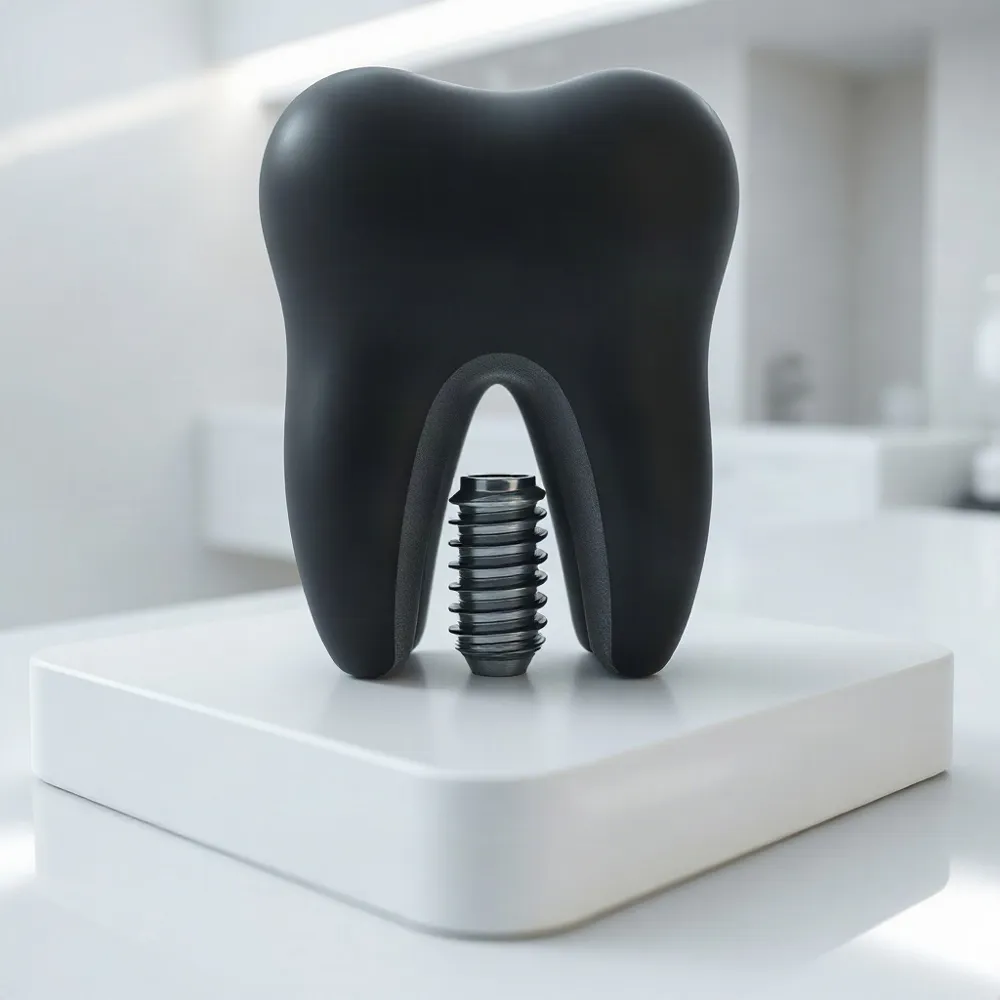 A periodontist is a dental specialist with three to four years of advanced training beyond dental school, focused exclusively on the gums, jawbone, and other supporting structures of the teeth. This specialty, known as periodontics, comes from Greek words meaning "around the tooth," and its practitioners are experts in preventing, diagnosing, and treating gum disease and performing surgical procedures like dental implants as defined by Cleveland Clinic.
While a general dentist provides routine cleanings, fillings, and basic preventive care, they may lack the specialized surgical training needed for complex cases. An oral surgeon, by contrast, focuses on broad surgical procedures like jaw reconstruction and facial trauma repair. The periodontist's training centers on the very tissues that implants depend on: bone grafts, gum grafts, and precise implant placement.
For most dental implant cases, a periodontist is the optimal choice because implant placement is their primary daily procedure. They are trained to handle complications such as bone loss and gum disease, ensuring that the supporting structures are healthy enough for long-term implant success. At practices like ColumbiaDoctors Dentistry, patients benefit from this specialized expertise alongside comprehensive care.
For patients in New York City, choosing a periodontist for implants means working with a professional whose entire practice revolves around the gums and bone—the foundation of every successful implant. Practices like Empower Your Smile in Tribeca combine this specialist focus with a full spectrum of dental services, from implant surgery to routine care, under one roof.
The Foundation: Healthy Gums and Strong Bone
 A successful dental implant rests on two essential structures: healthy gum tissue and adequate jawbone density. Without both, the implant will not integrate properly and long-term failure becomes more likely.
Untreated gum disease weakens the gums and erodes the underlying bone, creating an unstable foundation for an implant. When gum disease is present, a periodontist can treat the infection with procedures like scaling and root planing before any implant work begins.
The leading cause of dental implant failure is peri-implantitis, an inflammatory condition around the implant that mirrors advanced gum disease. A periodontist's training in the gums and jawbone makes them well-suited to diagnose and address both gum disease and bone loss before they compromise the implant.
At empoweryoursmile.com, Dr. Moezinia's team assesses gum health and bone density during the initial consultation, ensuring that any underlying issues are treated before implant surgery. This thorough evaluation helps reduce the risk of complications and supports a stronger, more predictable outcome.
Because jawbone stimulation from the natural tooth is lost after extraction, the bone may resorb over time. Periodontists use bone grafting and ridge preservation techniques to rebuild volume, restoring the foundation needed for osseointegration — the fusion of the titanium implant with the jawbone.
Comprehensive Care: From Consultation to Follow-Up
 A periodontist guides patients through the entire implant process, from the first consultation to long-term maintenance. The journey begins with a comprehensive exam to assess the health of the gums and jawbone, ensuring the patient is a good candidate for surgery.
During your first visit, a periodontist will review your dental and medical history to understand overall health and identify any risk factors. This assessment includes a thorough periodontal evaluation to check for signs of gum disease, bone loss, or other issues that could affect implant success. The periodontist then discusses findings and develops a tailored treatment plan.
That plan may include preparatory procedures like gum grafting or bone grafting to create a stable foundation for the implant. The periodontist explains each step, the timeline, and any sedation options available for comfort. Many periodontists offer nitrous oxide, oral sedation, or IV sedation to manage anxiety during the surgical phase.
After the implant is placed, the periodontist monitors osseointegration and provides follow-up care to ensure proper healing. They schedule regular visits to check gum health and bone levels, addressing any complications before they become serious. This ongoing oversight is a key advantage of choosing a periodontist.
At empoweryoursmile.com, the periodontist coordinates closely with the patient's general dentist, sharing digital records and surgical plans to align the surgical placement with the final restoration. This team approach, backed by advanced technology such as 3D imaging, ensures precise implant positioning and a natural-looking final result.
A periodontist's commitment to comprehensive care also means they maintain long-term implant health through professional periodontal maintenance visits. These appointments monitor bone levels and clean around the implant, protecting the investment made in the procedure and helping prevent issues like peri-implantitis.
Periodontist vs. Prosthodontist: Know the Difference
Two dental specialists often work together on implant cases, but they focus on different parts of the process. A prosthodontist specializes in restoring and replacing teeth with custom-crafted restorations, including crowns, bridges, and dentures. A periodontist, by contrast, focuses on the health of the gums and jawbone that support those restorations.
In a typical implant case, the periodontist handles the surgical phase: treating gum disease, performing bone or gum grafts as needed, and placing the implant fixture itself. The prosthodontist then takes over, designing and fitting the artificial tooth (the prosthesis) that attaches to the implant. Both roles are critical — the periodontist ensures the foundation is stable, and the prosthodontist ensures the final restoration looks and functions naturally.
For patients whose primary concern is gum health, bone loss, or underlying periodontal disease, the periodontist is the right starting point. At empoweryoursmile.com, the team coordinates care between specialists, so patients benefit from a periodontist's surgical expertise and a prosthodontist's restorative precision without navigating referrals themselves.
When choosing the right specialist, consider your own oral health needs. If you have receding gums, bone loss, or active gum disease, begin with a periodontist. If your gums and bone are healthy but you need a complex tooth replacement, a prosthodontist may be the primary provider. For most implant cases, a team approach offers the best of both worlds.
Treating Gum Disease Before Implant Surgery
A successful dental implant depends on more than just the titanium post itself; it depends on the health of the surrounding gums and bone. Periodontal disease, if left untreated, can compromise the foundation needed for implant stability. When you visit a periodontist, they assess your gum health and bone density before any implant is placed, ensuring that the surgical site is prepared to support long-term success.
Periodontists are dental specialists with advanced training in the gums and jawbone, which is vital for implant success. They perform detailed assessments, including 3D imaging, to evaluate the implant site and address any underlying issues such as bone loss or gum inflammation. This specialized care is a significant advantage when choosing a provider for your implant procedure.
What a Periodontist Does That a General Dentist Doesn't
While both general dentists and periodontists place dental implants, periodontists bring a level of expertise that goes beyond basic implant placement. They are trained in advanced bone grafting techniques, gum disease treatment, and soft tissue management. If you have periodontal issues or have experienced bone loss, a periodontist can perform the necessary pre-surgical procedures, such as bone grafting or sinus lifts, to create a solid foundation for your implant. This is a key reason why many patients are referred to a periodontist for dental implants.
Additionally, periodontists often have access to advanced sedation methods and technology, ensuring a more comfortable experience, especially for complex cases. They focus exclusively on the supporting structures of the teeth, which means their entire scope of practice is devoted to the health of your gums and jawbone. In contrast, a general dentist may not have the same level of training or equipment to handle severe gum disease or complex bone loss scenarios.
Evaluating Your Candidacy: The Periodontal Exam
Before you receive a dental implant, a thorough periodontal exam is essential. During this exam, the periodontist will measure the depth of your gum pockets, assess bone density, and check for any signs of infection. This evaluation helps determine if you are a suitable candidate for implants or if you need additional treatments first. A periodontist will also create a personalized treatment plan that addresses your specific oral health needs, increasing the likelihood of a successful outcome.
For patients with active gum disease, it is crucial to treat the infection before implant placement. Periodontists are experts in managing and treating periodontal disease, and they will work to eliminate any inflammation and infection before moving forward. This step is not optional; placing an implant in an infected area can lead to implant failure and complications down the line. By choosing a periodontist, you are ensuring that your gums are in optimal health before the surgical phase.
The Periodontist's Role in Implant Success
The periodontist's involvement doesn't end with the implant placement. They also monitor the healing process and ensure the implant integrates properly with the jawbone. This includes checking for any signs of peri-implantitis, an inflammatory condition that can affect the tissues around the implant. Regular follow-up visits with your periodontist are crucial for maintaining the health of your implant and surrounding gums. This ongoing care is a significant advantage over getting implants from a professional who does not specialize in the supporting structures of the teeth.
Moreover, a periodontist can address any aesthetic concerns, ensuring that your final restoration not only functions well but also looks natural. They understand the nuances of gum contouring and can work with the restorative dentist to create a smile that blends seamlessly with your natural teeth. For many patients, the combination of functional and aesthetic expertise is what makes a periodontist the preferred choice for dental implants.
Why Choose a Periodontist at Empower Your Smile?
At Empower Your Smile, our periodontists bring a wealth of experience and a patient-centered approach to every implant procedure. We understand that the thought of dental surgery can be daunting, which is why we focus on comfort and personalized care. Our team uses the latest technology and techniques to ensure precise placement and optimal healing. We also take the time to explain every step of the process, from the initial consultation to the final restoration, so you feel informed and confident in your treatment.
When you choose us, you're not just getting a dental implant; you're getting a comprehensive solution tailored to your oral health. We work closely with our patients to develop a treatment plan that addresses their specific needs, whether that involves bone grafting, gum disease treatment, or straightforward implant placement. Our commitment to excellence and patient satisfaction sets us apart, ensuring that your journey to a healthy, confident smile is as smooth as possible.
Osseointegration: The Key to Natural Feel and Function
The defining feature that separates dental implants from other tooth replacement options is a biological process called osseointegration. This describes the direct structural and functional fusion between living bone and the surface of a titanium implant screw. Over several months, the jawbone grows and attaches to the implant, anchoring it firmly in place.
This fusion creates a prosthetic root that is exceptionally stable. Unlike removable dentures, which rest on the gums and can slip or click, an integrated implant restores chewing function and provides a natural sensation. The strength gained from the bone-to-implant bond allows patients to eat a wide variety of foods without restriction.
However, osseointegration only succeeds when the jawbone is healthy and dense enough to support the process. Insufficient bone quality or untreated gum disease can prevent fusion from occurring. This is where the periodontist's specialized training becomes essential — they assess bone volume, perform bone grafting when needed, and ensure the surgical site is free of infection. A periodontist's expertise in managing the bone and gum tissues directly influences whether osseointegration succeeds and the implant lasts for years.
Managing Risks and Complications
While dental implants have a high success rate, they are not immune to complications. The most significant long-term risk is peri-implantitis, an inflammatory condition that affects the gum and bone around a dental implant, similar to how periodontal disease affects natural teeth. If left untreated, peri-implantitis can cause bone loss and lead to implant failure.
A periodontist's specialized training makes them particularly well-equipped to both prevent and manage these complications. Because they focus on the supporting structures of teeth and implants, periodontists can detect early signs of peri-implantitis during routine maintenance visits and provide treatment before significant damage occurs. This might involve non-surgical cleaning, laser therapy, or, in more advanced cases, a surgical approach like the Laser-Assisted Peri-Implantitis Protocol (LAPIP).
The key to long-term implant health is regular maintenance and follow-up. Periodontists provide ongoing care, including professional periodontal maintenance cleanings and monitoring of gum and bone levels around the implant. At Empower Your Smile, this proactive approach to care is a core part of the treatment philosophy, helping patients protect their investment and enjoy their new smiles for years to come.
Why Choose a Periodontist in New York City
New York City offers an unmatched concentration of board-certified periodontists, many with academic appointments at leading institutions. A periodontist affiliated with Columbia College of Dental Medicine or New York University College of Dentistry, for example, brings research-informed care into the treatment room, ensuring the latest techniques in implant surgery and gum disease management.
For New Yorkers with coverage, choosing an in-network periodontist matters as much as credentials. New York Medicaid provides adult dental benefits through managed care plans such as Molina/DentaQuest and MetroPlus. These plans limit coverage to participating providers, so verifying that a periodontist is in-network with your specific plan can reduce out-of-pocket costs and simplify the process. At empoweryoursmile.com, the team works with patients to navigate insurance networks and treatment planning alike.
When evaluating a practice, ask about academic affiliations, board certification in periodontology, and whether the office accepts your insurance. A periodontist who combines specialist-level training with in-network access provides the strongest foundation for a successful dental implant outcome in New York City.
Empower Your Smile with the Right Specialist
Choosing a periodontist for dental implants is a decision that directly impacts the long-term health of your smile. Their advanced training in gum tissue and jawbone, along with expertise in procedures like bone grafting and gum grafting, creates a strong foundation that general dentists cannot always provide. This specialized care is not just about the surgical placement of the implant; it is about ensuring the entire supporting structure is healthy enough to sustain it for years to come.
The success of a dental implant rests on healthy gums and adequate bone density. A periodontist's entire focus is on diagnosing and treating the conditions that threaten these structures, such as periodontal disease and bone loss. By addressing these issues before and during the implant process, they reduce the risk of complications like peri-implantitis and significantly increase the likelihood of a natural-feeling, lasting result. At Empower Your Smile, this comprehensive approach is central to our philosophy.
Ultimately, the goal is a confident and healthy smile that functions as well as it looks. A periodontist provides the specialized surgical skill, the meticulous pre-operative preparation, and the ongoing maintenance monitoring needed to protect that investment. By choosing a specialist dedicated to the health of your gums and bone, you are choosing a pathway to a more secure and enduring result.


