A Clearer Picture of Your Oral Health
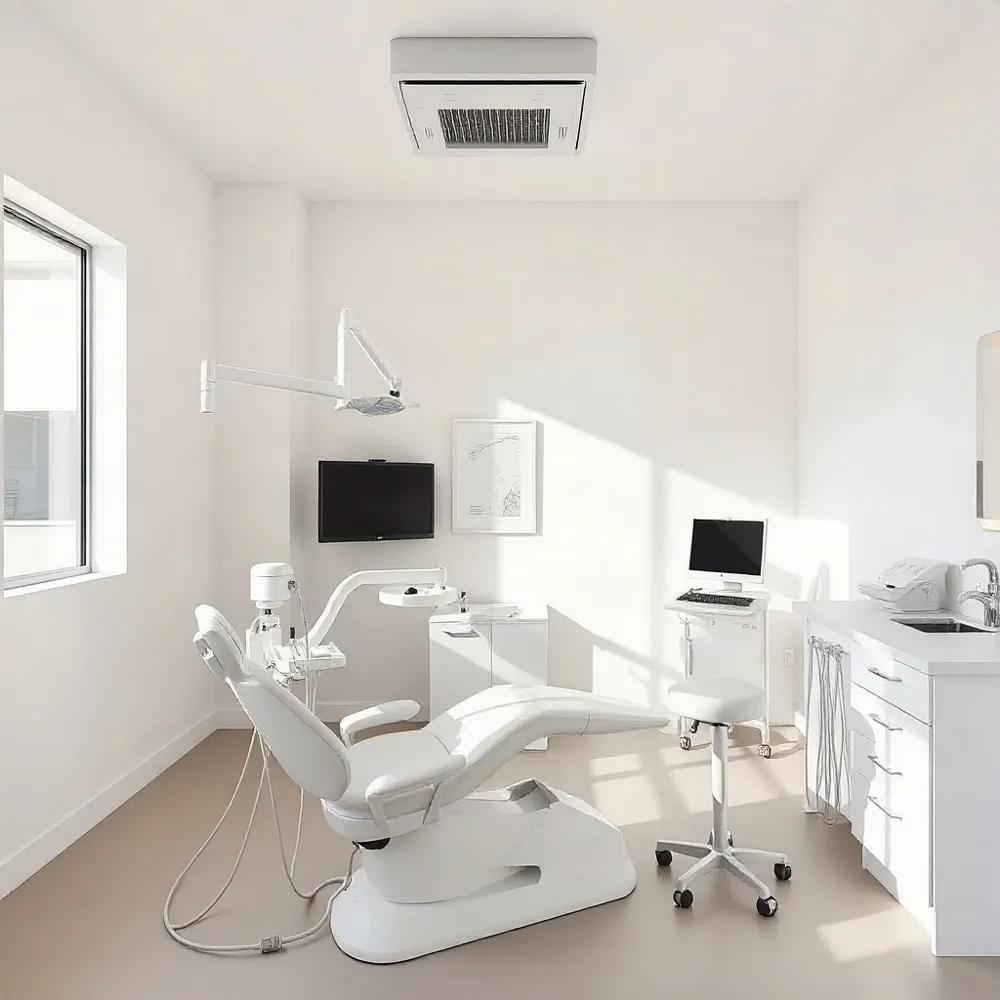
A comprehensive dental exam looks beyond a cleaning to assess your teeth, gums, soft tissues, and bite. It can help identify concerns such as decay or gum disease before they become more serious. At Empower Your Smile, the team’s broad general and cosmetic dentistry services support care planning around each patient’s oral health and smile goals.
The exact exam depends on your history, symptoms, and clinical needs. Your dentist may review your medical and dental history, examine your mouth, and recommend X-rays when they can provide useful information. Imaging is not automatic for every patient; the ADA’s dental evidence guidance describes care decisions as individualized. Ask what each assessment is intended to show and how the findings shape your next steps.
Exam Basics and Visit Timing
A dental exam is an assessment of your teeth, gums, bite, and other parts of your mouth. The dentist checks for concerns such as cavities, gum disease, tooth damage, and unusual changes, and may review X-rays when they are appropriate. The American Dental Association explains that imaging decisions should reflect a patient’s circumstances, rather than follow a one-size-fits-all schedule ADA dental evidence.
Exams can reveal problems before they cause noticeable symptoms and help guide treatment and home-care advice. A visit may also include a professional cleaning to remove plaque and tartar, but the cleaning and the dentist’s assessment are distinct services MedlinePlus dental exam overview.
Many people have dental exams about every six months, though there is no schedule that suits everyone. Gum disease, frequent cavities, dry mouth, diabetes, and other risk factors may lead a dentist to recommend more frequent visits. At Empower Your Smile, a patient-centered practice in Tribeca, recommendations can be considered alongside your medical history and individual needs. Ask your dentist what interval makes sense for you, and revisit it as your oral health changes.
Do not wait for a routine appointment if you develop tooth pain, swelling, bleeding gums, or other persistent mouth discomfort. Contact the dental office for advice about whether you should be seen sooner.
What a Comprehensive Exam Covers
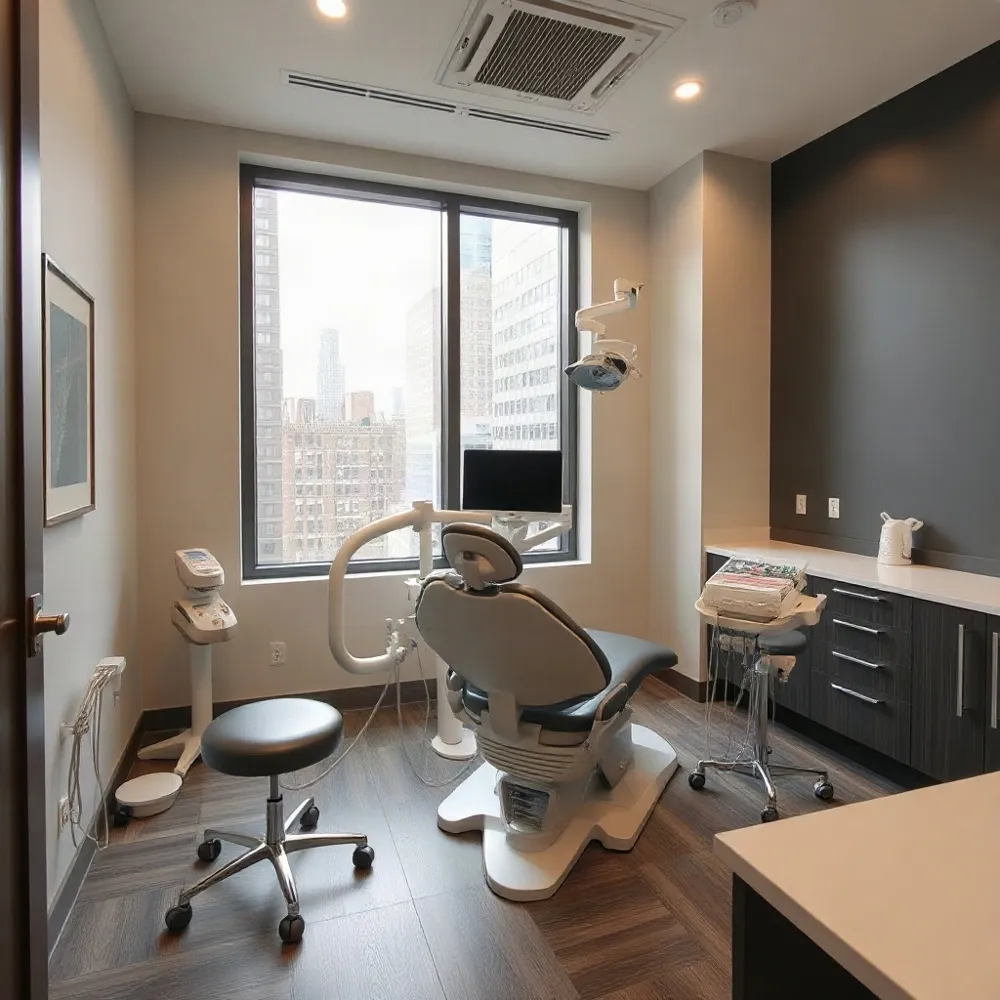 A comprehensive exam starts with a conversation about your medical and dental history. Share health conditions, medications, symptoms, previous treatment, and changes since your last visit. This context helps the dentist consider your needs and preferences when assessing your mouth and discussing care.
The dentist examines teeth for decay, cracks, wear, or other damage, and checks gums and soft tissues for inflammation or unusual changes. The assessment may also include your bite, tooth alignment, existing dental work, and the mouth, jaw, face, and neck. A visual check of the lips and tongue, along with feeling the jaw and neck, can form part of an oral cancer screening. Findings that look unusual may need closer evaluation, but they do not by themselves establish a medical diagnosis.
X-rays can show concerns hidden from view, such as decay between teeth or changes in supporting bone. They are not automatically needed at every visit: the dentist decides whether imaging is appropriate based on your history and circumstances. Ask why an image is recommended and how radiation safety is addressed. The American Dental Association’s guidance on dental evidence describes imaging decisions as patient-specific.
At Empower Your Smile, a Tribeca practice offering general and cosmetic dentistry alongside specialist services, exam findings can inform a plan that reflects both oral-health needs and treatment goals. Your dentist should explain what was found, discuss prevention or treatment options, and outline next steps so you can ask questions before deciding how to proceed.
A fuller assessment may take longer than a routine checkup, since it brings together history, examination, and any appropriate diagnostic information. The MedlinePlus overview of a dental exam also notes that the dentist reviews findings and discusses care recommendations with the patient.
Cleaning and Examination Are Different
 A dental exam and a professional cleaning address different needs, even when they happen during the same appointment. The dentist assesses your teeth, gums, bite, and other oral tissues for concerns such as decay or gum disease. A hygienist’s cleaning focuses on removing plaque and tartar, and may include polishing and flossing. A cleaning does not replace the dentist’s assessment.
Scaling removes hardened tartar that brushing and flossing cannot remove. Daily brushing and cleaning between teeth help control plaque as it builds up between professional visits, according to the American Dental Association’s home-care guidance.
The services are often scheduled together, but an appointment may include an exam, a cleaning, or both. MedlinePlus’s explanation of a dental exam notes that cleaning and examination are distinct parts of a checkup. Confirm what is booked with the dental office when you schedule. Empower Your Smile offers routine cleanings alongside general and specialty dental services, so patients can discuss both preventive care and assessment with its team.
Prepare for the Appointment
A little preparation can help the dental team focus on your concerns. Confirm the appointment and ask whether the office needs forms, insurance details, or records from a previous dentist. Bring an up-to-date list of medications, allergies, health conditions, and relevant dental history.
Write down symptoms and questions before you arrive. Note pain, sensitivity, bleeding, changes in your bite, or concerns about treatment and prevention. Tell the team about changes in your health and mention any dental anxiety so they can discuss ways to make the visit more comfortable. Brushing and flossing as usual is generally enough; ask the office if you have special instructions.
How long does a comprehensive dental exam take? Many appointments take about 30 minutes to an hour, but the time varies with your history, symptoms, imaging needs, and the level of assessment required. A cleaning booked at the same visit adds time, so ask the office for an estimate and allow extra time. Any treatment recommended may need a separate appointment. Empower Your Smile in Tribeca provides general and cosmetic dental care, with specialists on the team for a range of needs.
If you have significant tooth pain or swollen or bleeding gums, contact the dental office rather than waiting for a routine visit. For broader guidance on when to seek care, see the ADA’s common questions about going to the dentist.
Focused Visits and Follow-Up Costs
What is a limited dental exam?
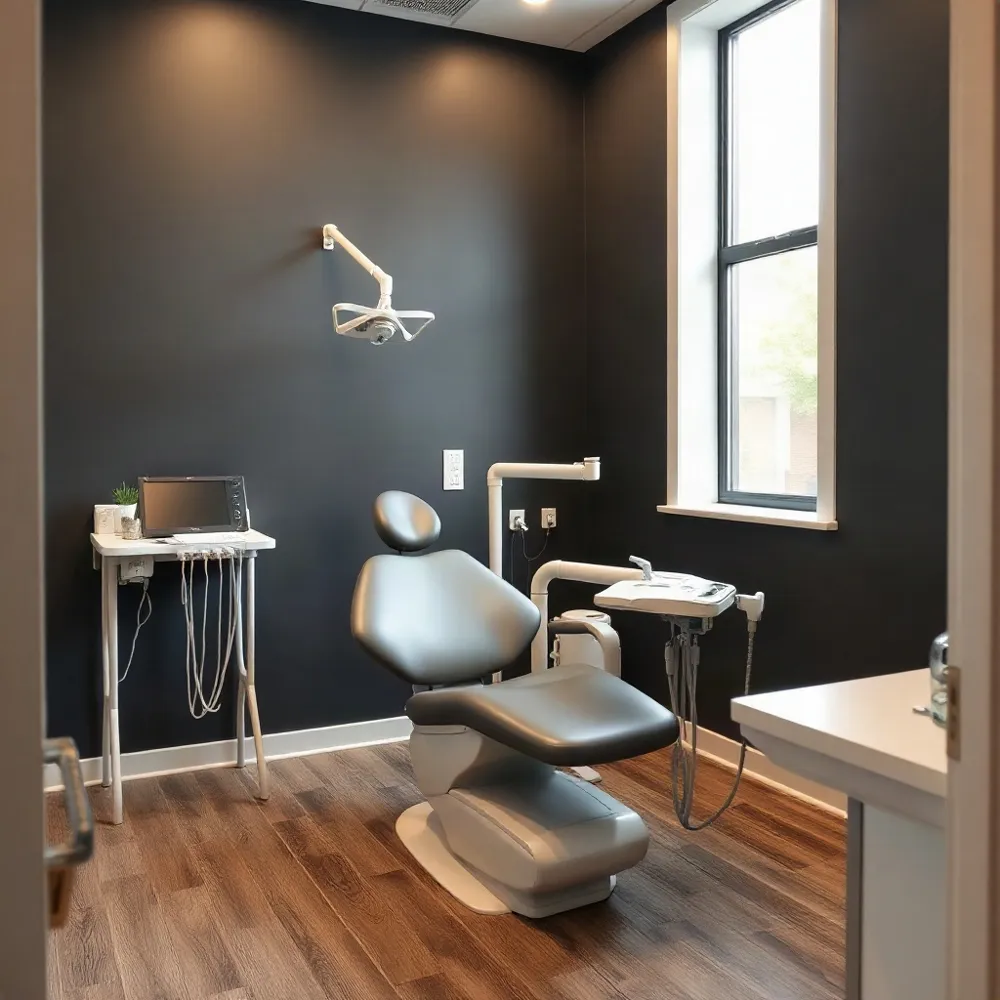
A limited dental exam focuses on one problem, such as tooth pain, swelling, or a broken tooth, rather than reviewing your overall oral health. The dentist discusses your symptoms, examines the affected area, and may recommend X-rays if they are appropriate. The findings guide next steps: treatment may happen during the visit or be scheduled separately, depending on the diagnosis. A focused appointment does not replace routine comprehensive care. At Empower Your Smile, general and specialty dental services are available under one roof, which can support coordinated follow-up when a concern needs further care.
How much does a comprehensive dental exam cost?
There is no single price that applies to every office. Fees depend on location, the services provided, and insurance benefits. X-rays, a cleaning, or treatment may be billed separately, so ask for an estimate and confirm expected out-of-pocket costs with both the practice and your insurer. The ADA’s guidance on choosing a dentist recommends asking about fees and payment arrangements in advance. Empower Your Smile’s comprehensive exam cost information can help patients understand which services may contribute to a visit’s total.
Leave With a Plan You Understand
Before you leave, ask the dentist to explain any findings in plain language, describe available options, and clarify expected costs before you decide on next steps. If something is unclear, ask for it to be explained again.
A checklist can help you prepare, but it is only a starting point. The dentist should tailor the examination, any imaging, preventive advice, and follow-up to your health history and needs. At Empower Your Smile, care spans general and cosmetic dentistry, so questions about both oral health and smile goals can be part of the same discussion.
For questions about daily habits, the ADA’s home oral care recommendations offer a useful starting point for a conversation about what fits your circumstances.


