
What Are Dental Implants?
A dental implant is a small titanium post that is surgically placed into the jawbone to replace the root of a missing tooth. Most implants are made of titanium, a material that is both strong and biocompatible, meaning it is well-tolerated by the body.
The system has three main parts: the implant body (the post that fuses with the bone), the abutment (a connector that sits above the gum line), and the restoration — the visible artificial tooth, such as a crown, bridge, or denture. Together, they create a replacement that looks, feels, and functions much like a natural tooth.
Over several months, the jawbone grows into and fuses with the surface of the implant through a process called osseointegration. This creates a solid, stable foundation for the artificial tooth and prevents the slipping, clicking, and bone damage that can occur with poorly fitting dentures or bridgework.
Because the titanium fuses directly with the bone, implants offer a permanent solution that can last a lifetime with proper care, preserving the jawbone and supporting healthy chewing for years to come.
Am I a Candidate for Dental Implants?
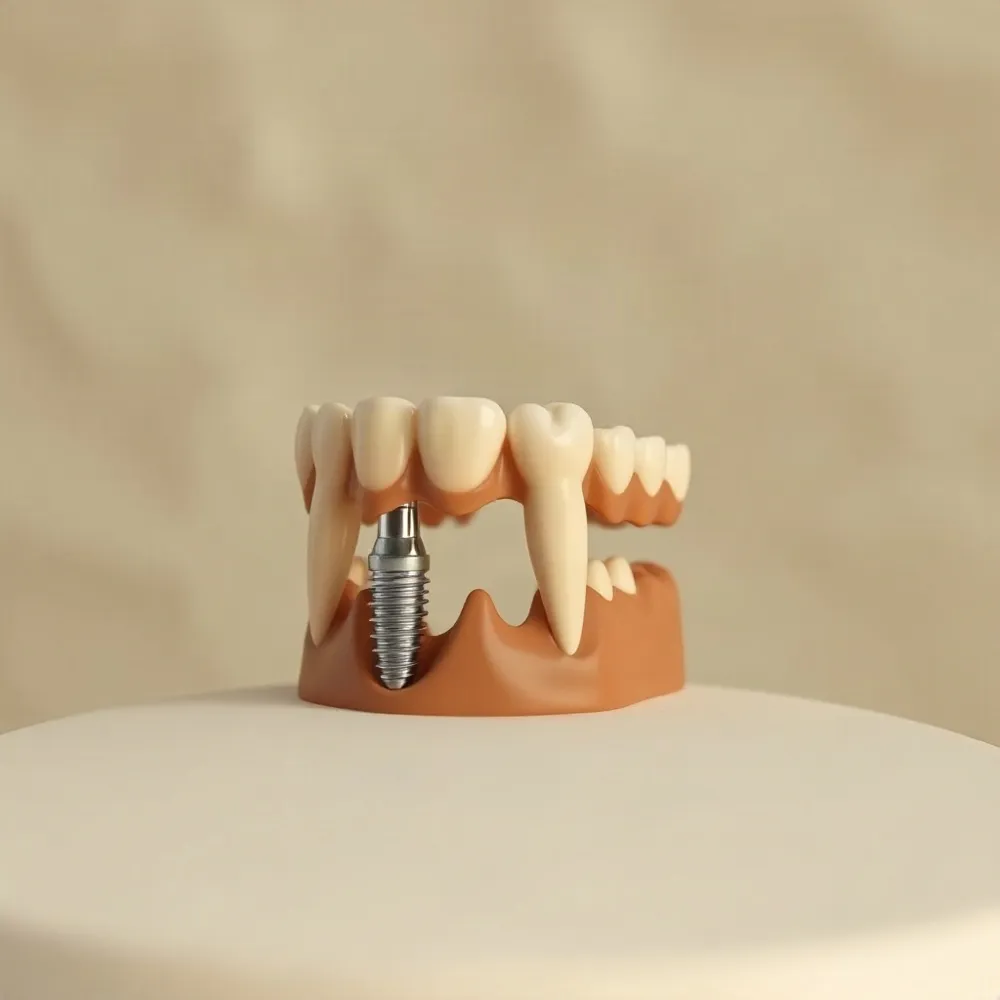 Determining whether you are a candidate for dental implants involves a thorough evaluation of your oral and overall health. The most important requirements include adequate jawbone density and volume, gums free from active periodontal disease, a jaw that has reached full growth, and no untreated medical conditions that could hinder bone healing.
Adequate jawbone is essential because the implant must fuse securely with the bone through osseointegration. If the bone is too thin or soft, a bone graft may be required to build up the site before the implant can be placed. This adds several months to the overall timeline.
Age is another factor. The minimum age for implants is typically 18, as the jaw must have finished growing. There is no upper age limit; as noted by the Cleveland Clinic, the main requirement is having enough healthy bone in the jaw.
Certain health conditions and habits can disqualify a patient or increase risk. Untreated gum disease, uncontrolled diabetes, immune deficiencies, and smoking or vaping are common contraindications because they disrupt healing and raise the risk of implant failure. The FDA specifically warns that implant failure risk is higher in patients who smoke or have uncontrolled diabetes.
Advances in diagnostic imaging and bone reconstruction now make implants possible for many patients who were previously told they were not candidates. At Empower Your Smile, a comprehensive examination with X-rays and 3D imaging helps determine your candidacy and creates a personalized treatment plan. Even patients with less-than-ideal bone density can explore options like mini implants or bone grafting to restore candidacy.
Types of Dental Implants
Dental implants are not a one-size-fits-all solution. Various types are designed to address different levels of bone density, tooth loss, and patient preference. Understanding these options helps you and your dentist select the best approach for your specific oral health needs.
Endosteal Implants. This is the most common type of dental implant. As described by the FDA, an endosteal implant functions as an artificial tooth root. It is a small, screw-like post, typically made of titanium, that is surgically placed directly into the jawbone. Once the surrounding bone heals and fuses with the implant in a process called osseointegration, it provides a stable foundation for a single crown, a bridge, or full-arch dentures.
Subperiosteal Implants. This less common type is an alternative for patients who have a shallow jawbone and wish to avoid a bone graft. Instead of being placed into the bone, a subperiosteal implant sits on top of the jawbone but under the gum tissue. It uses a metal framework that rests on the bone and is held in place by gum tissue. While it can offer a solution where endosteal implants are not feasible, it is generally considered less stable than its endosteal counterpart.
Zygomatic Implants. For patients with significant bone loss in the upper jaw, traditional endosteal implants may not be an option. Zygomatic implants provide an alternative by being anchored into the cheekbone, or zygoma, rather than the upper jawbone itself. This specialized type offers a secure foundation for a full-arch restoration when the jawbone is insufficient.
Beyond these main categories, dental implants are also categorized by the scope of the restoration they support. A single-tooth replacement uses one implant for a missing tooth. An implant bridge involves two or more implants to support a permanent bridge, replacing several adjacent teeth. For full-mouth rehabilitation, a full arch of teeth is supported by multiple implants.
Another option for patients with less jawbone density is the mini implant. These are smaller than standard implants, often used when the need for a stable base exists but bone volume is limited, sometimes as a temporary solution or to stabilize a denture.
Step-by-Step Dental Implant Procedure
The journey to a new tooth begins with a thorough consultation. Your dentist will take X-rays and 3D images to evaluate your jawbone and create a personalized treatment plan, explaining the entire timeline and costs.
If a damaged tooth is present, it must be extracted first. For patients without sufficient jawbone density to support the implant, a bone graft may be required. This supplemental bone material helps build a solid foundation and needs several months to heal before the next step.
During implant placement surgery, the area is numbed with local anesthesia. The surgeon makes a small incision in the gum, drills a precise hole in the jawbone, and places a titanium post deep into the bone. The incision is then closed with stitches.
The most critical phase follows: a healing period of 3 to 6 months. During this time, a natural process called osseointegration occurs, where the jawbone grows and fuses with the titanium implant, creating a strong and stable anchor, as described by the Cleveland Clinic.
Abutment and Crown Placement
Once osseointegration is complete, a minor procedure attaches the abutment. This small connector piece sits above the gum line, ready to hold the final restoration. After the gums heal around the abutment for about two weeks, impressions are taken of your mouth.
A dental lab uses these impressions to fabricate a custom crown that matches your natural teeth in color, shape, and size. At your final visit, the dentist securely attaches this artificial tooth to the abutment, checks your bite for a perfect fit, and completes the procedure.
Pain and Discomfort During Implant Surgery
One of the most common concerns about dental implants is the pain involved. The actual procedure is performed under local anesthesia, so you feel no sharp pain — only pressure and vibration as the implant is placed.
For patients with higher anxiety, sedation options beyond local anesthesia are available, including oral sedation, IV sedation, and general anesthesia. This ensures a comfortable experience tailored to individual needs.
What to Expect After Surgery
After the anesthesia wears off, mild to moderate soreness is normal. Swelling and tenderness typically peak around day two or three, then decrease significantly within 3 to 5 days. Minor bleeding and bruising may also occur.
Discomfort is often described as similar to a tooth extraction. Most patients find over-the-counter NSAIDs like ibuprofen sufficient for pain relief. Applying ice packs to the cheek and sticking to a soft food diet (yogurt, mashed potatoes, smoothies) help manage swelling and speed recovery.
Remarkably, most patients feel well enough to return to work or normal daily activities within 1 to 3 days. Any lingering tenderness typically resolves within a week to ten days.
At Empower Your Smile, Dr. Moezinia and her team prioritize patient comfort through advanced sedation options and personalized post-operative care plans, helping to ensure a smooth and minimally painful recovery.
Recovery Timeline: What to Expect Week by Week
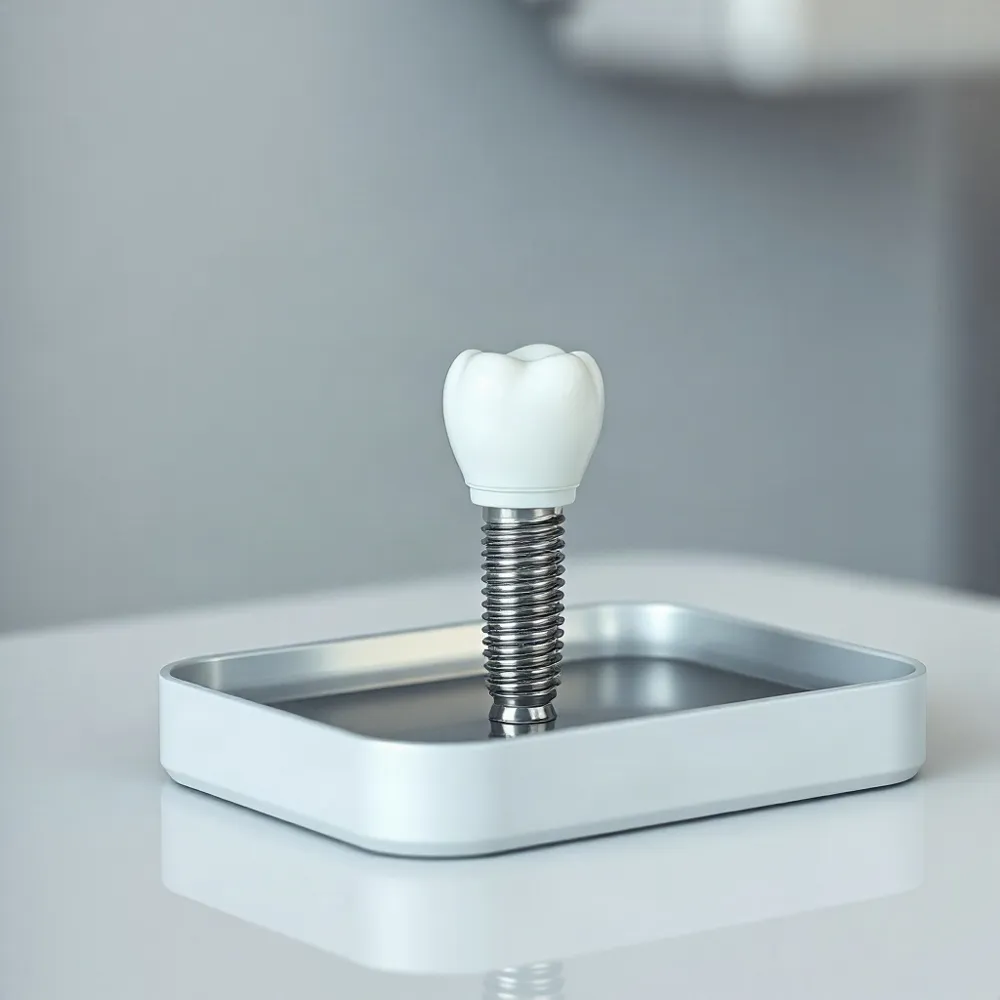 The recovery from dental implant surgery unfolds in distinct stages, beginning with a critical first 24 to 48 hours. During this period, patients should rest, apply ice packs in 20-minute intervals to manage swelling, and stick to a diet of cool, soft foods like yogurt and applesauce. It is essential to avoid spitting, using straws, or rinsing vigorously, as these actions can dislodge the blood clot that is forming at the surgical site.
By days 3 to 7, swelling typically peaks and then begins to decrease. Patients can start gentle salt water rinses on day two, swishing gently several times a day, especially after meals. A soft food diet (scrambled eggs, oatmeal, mashed potatoes) should continue, and discomfort usually lessens significantly by the end of the first week, with many patients able to return to work within 1 to 3 days.
During weeks 1 and 2, the first follow-up appointment is usually scheduled. The dentist will check the gum tissue, remove any non-dissolvable stitches, and monitor for signs of infection. Dissolvable stitches typically fall out on their own during this period. By week two, most swelling has disappeared, and patients can gradually return to normal daily activities, though strenuous exercise should still be avoided.
From weeks 3 to 6, the early phase of osseointegration begins, where the jawbone starts fusing with the titanium implant. During this time, patients can slowly reintroduce semi-soft foods but should continue chewing on the opposite side of the mouth. The implant site will look pink as new tissue forms, and discomfort is usually minimal.
The full osseointegration process typically takes 3 to 6 months, creating a strong, stable foundation. Once the implant has fully fused with the bone, a minor procedure is performed to place the abutment. After about two weeks of gum healing, the final custom crown is attached, completing the restoration. The entire journey from implant surgery to final crown placement can take several months, but the result is a tooth that looks, feels, and functions naturally.
Diet After Implant Surgery: What to Eat and Avoid
What you eat in the days and weeks after implant surgery directly affects how well and how quickly you heal. The right foods protect the surgical site and supply the nutrients your body needs for bone integration. The wrong choices can dislodge the blood clot, irritate the tissue, or introduce bacteria that lead to infection.
The First 24–48 Hours: Cold, Soft, and Gentle
During the first two days, your goal is to keep the surgical site undisturbed while managing swelling. Stick to cold or room-temperature soft foods such as yogurt, applesauce, smoothies (eaten with a spoon, never a straw), protein shakes, pudding, and ice cream. These foods require no chewing and won't generate heat that could increase blood flow to the area.
Avoid hot foods and beverages, spicy dishes, alcohol, and any crunchy, hard, or chewy items — including chips, nuts, raw vegetables, and chewy breads. A dental implant surgery site needs a stable blood clot to begin healing, and hot temperatures or suction from a straw can dislodge it.
Days 3–7: Expanding the Menu Carefully
By day three, swelling begins to subside and you can introduce slightly more texture. Recommended foods include scrambled eggs, oatmeal, soft pasta, well-cooked fish, mashed potatoes, cottage cheese, and lukewarm soups. Continue to avoid any food that requires biting or vigorous chewing, and keep all meals on the opposite side of the mouth from the implant.
Dairy is a common concern after oral surgery. While plain yogurt and cottage cheese are generally fine, some patients prefer to avoid milk and ice cream because the residue can coat the surgical site and potentially encourage bacterial growth. If you tolerate dairy well, rinse gently with water after eating. If you are taking antibiotics, check with your dentist about possible interactions.
Weeks 2–4: Transitioning to Semi-Soft Foods
As gum tenderness fades, you can graduate to semi-soft foods. Think soft sandwiches (without hard crusts), tender shredded chicken, soft casseroles, cooked beans, avocado, pancakes, and rice bowls. At this stage, early bone integration — called osseointegration — is underway, but the implant is not yet fully fused to the jawbone, so hard or sticky foods remain off-limits.
Weeks 4–8 Through Months 2–6: Gradual Return to Normal
Most single-tooth implant patients can resume a near-normal diet by weeks 4–8, including ground meats, cooked vegetables, soft fruit, and soft burgers. For multiple implants or cases that included bone grafting, the timeline may extend to six to eight weeks or longer.
Complete bone fusion (osseointegration) takes three to six months, and your dentist will confirm when the implant is ready for full chewing pressure. Until then, avoid nuts, seeds, hard candies, ice, jerky, and biting directly into apples or corn on the cob. Patience with your diet during these months is a small investment that pays back in decades of reliable function from your implant.
When Can You Eat Normally?
There is no single answer because recovery depends on the number of implants, the need for bone grafting, and how quickly your body heals. A reasonable benchmark: most patients can eat a normal variety of foods within three to four weeks for a single implant, while more complex cases often require six to eight weeks. Very hard foods should wait until the implant is fully integrated, which your dentist will confirm during a follow-up visit. The final crown placement removes nearly all dietary restrictions, letting you chew with full confidence.
How to Care for Your Dental Implant Long Term
Dental implants can last for decades and often a lifetime with proper care. The titanium post fuses with the jawbone through osseointegration and is designed to be permanent. However, the visible crown on top typically needs replacement after 5 to 15 years due to normal wear. Ongoing maintenance determines how long your implant truly lasts.
Daily Cleaning Routine
Brush twice daily with a soft-bristled toothbrush, paying special attention to the area where the implant meets the gum. Flossing once a day is critical, as bacteria can accumulate around the abutment and cause inflammation. Many dentists recommend using interdental brushes or a water flosser (like a Waterpik) to clean hard-to-reach pockets around the implant. Avoid toothpaste with abrasive ingredients, which can scratch the implant surface over time.
What to Avoid
- Chewing hard items such as ice, hard candy, and popcorn kernels can fracture the crown or damage the abutment.
- Tobacco products slow healing and significantly increase the risk of implant failure, as noted by the FDA.
- Excessive alcohol consumption can irritate gum tissue and compromise the bond between bone and implant.
- Grinding or clenching your teeth. If you grind, ask your dentist about a custom night guard to protect both natural teeth and the implant.
Professional Monitoring and Peri-Implantitis
Schedule professional cleanings every 3 to 6 months so your hygienist can use specialized instruments to clean around the implant without scratching it. The most common long-term complication is peri-implantitis, a bacterial infection that destroys the bone supporting the implant. Early signs include bleeding when brushing, redness, a bad taste, or gum recession around the implant site. Left untreated, peri-implantitis can lead to implant loss.
Regular checkups at empoweryoursmile.com allow Dr. Moezinia to monitor bone levels on X-rays and catch any early warning signs before they become serious. With consistent at-home care and professional oversight, your implant can remain stable, functional, and natural-looking for 20 years or more.
Cost, Success Rates, and Risks of Implants
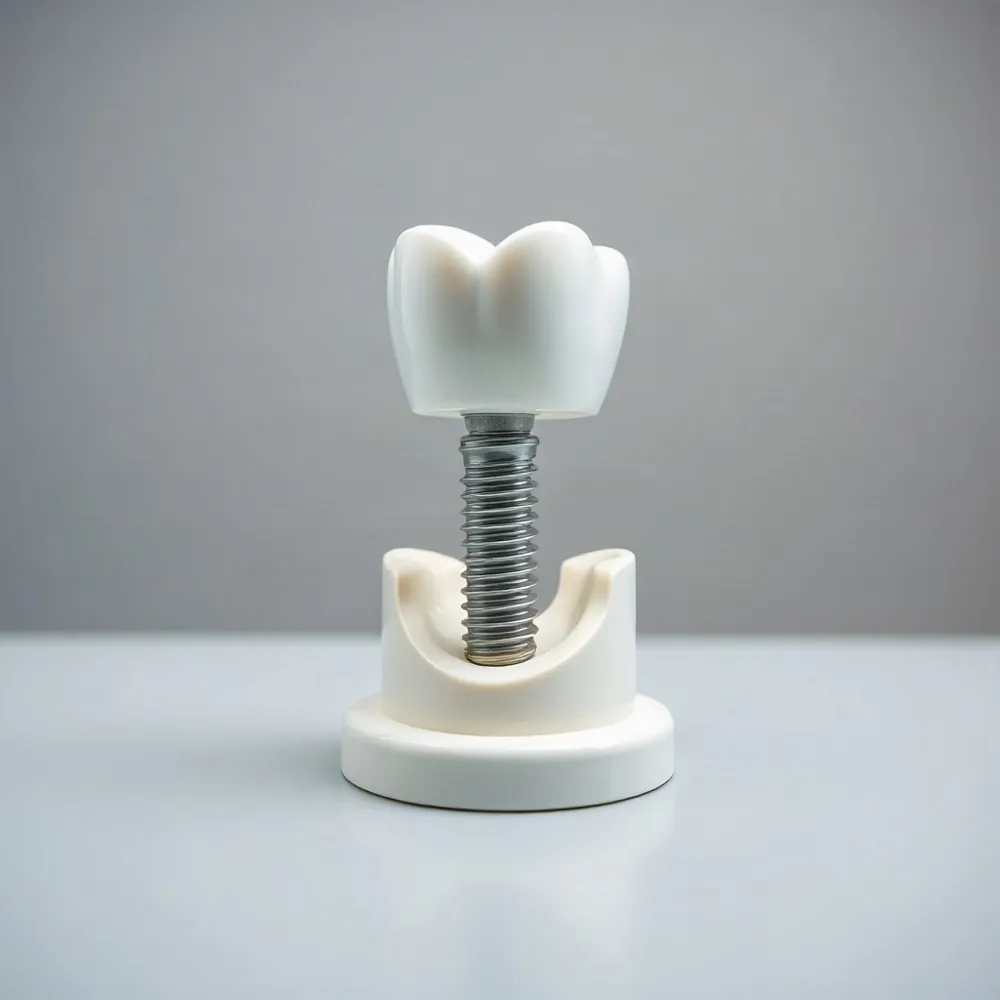 The cost of a single dental implant typically ranges from $3,000 to $6,000. The final price depends on your location, the complexity of your case, and whether you need additional procedures like a bone graft, which can extend the cost and the recovery timeline. Some dental practices offer free, personalized estimates after reviewing your specific needs and dental history.
Dental insurance may cover a portion of the procedure, but coverage varies widely by plan. It is best to verify your benefits directly with your provider. At empoweryoursmile.com, the team provides a clear breakdown of all costs during a consultation, so there are no surprises.
Success Rates and Failure Factors
With proper care, dental implants have a success rate of over 95%, with a failure rate under 5%. The FDA notes that factors like smoking, uncontrolled diabetes, or poor oral hygiene can increase the risk of failure. To maximize the chances of long-term success, dentists at empoweryoursmile.com emphasize careful candidate evaluation and personalized aftercare instructions.
A surprising fact for many patients is that the discomfort after implant surgery is often milder than a tooth extraction, with manageable swelling that subsides within a few days. Also, while implants are not permanent, they can last 15 to 25 years or more with proper maintenance.
Common Risks and How to Manage Them
Risks associated with dental implants include infection at the implant site, nerve damage causing pain or numbness, and sinus problems if implants in the upper jaw protrude into sinus cavities. Another major risk is peri-implantitis, a bacterial infection that destroys the bone supporting the implant. This condition is preventable with consistent daily brushing and flossing, as implants require the same diligent care as natural teeth.
Infection. Can occur at the implant site; managed with proper oral hygiene and antibiotics if needed.
Nerve Damage. May cause pain, numbness, or tingling in the gums, lips, or chin.
Sinus Issues. Only for upper jaw implants; can cause sinus infections or discomfort if the implant protrudes too far.
Peri-implantitis. An inflammatory disease that can lead to bone loss and implant failure if left untreated.
Most common complications begin as minor issues, but if ignored they can become severe and irreversible. Regular checkups and professional cleanings are essential for long-term implant health. The team at empoweryoursmile.com provides comprehensive follow-up care to monitor for early signs of problems and keep your smile healthy for years to come.
Latest Innovations in Dental Implant Technology
Recent advances in dental implant technology have significantly shortened treatment timelines and expanded candidacy for people who once faced limited options. The All-on-4 concept, where four implants support a full arch, uses two straight anterior implants and two angled posterior implants. This angled placement maximizes contact with denser bone and often eliminates the need for bone grafting.
The Teeth-in-a-Day procedure takes the All-on-4 approach further by completing the entire restoration—extractions, implant placement, and attachment of a fixed provisional prosthesis—in a single appointment. Computer-guided surgery, based on cone-beam CT scans, allows the surgeon to position implants with precision that manual drilling cannot match. Because the implants are loaded with a temporary restoration immediately, the patient leaves with a functioning set of teeth on the same day.
Faster recovery is a clear benefit: fewer surgical appointments mean less cumulative swelling and discomfort, and immediate loading protocols stimulate bone healing around the implant. Most implant bodies are made of titanium or zirconium oxide, both of which meet international biocompatibility standards and integrate reliably with jawbone. At Empower Your Smile in Tribeca, Dr. Moezinia and her team evaluate each patient's bone density and health history to determine whether an accelerated approach like All-on-4 is the right choice.
Is a Dental Implant Right for You?
Getting a dental implant is a multi-step journey that spans several months from initial consultation to final crown placement. The reward is a restoration that looks, feels, and functions like a natural tooth, restoring your smile, confidence, and ability to eat comfortably.
Choosing an experienced dental team is essential. At Empower Your Smile, Dr. Moezinia and her specialists use advanced diagnostics and technology to create a personalized treatment plan. This ensures each stage of the process is handled with precision, from candidacy assessment to the final restoration.
The best way to learn if implants are right for you is to schedule a consultation. A thorough evaluation, including 3D imaging and a discussion of your goals, will determine your candidacy and outline a custom plan. With proper care and regular dental visits, a dental implant can provide a lifetime of confident, healthy smiles.


