
Why Deep Cleaning Matters
Scaling and root planing (SRP) is a deep‑cleaning procedure performed by dental professionals that removes plaque, tartar and bacterial biofilm from both above and below the gum line. Unlike routine prophylaxis, which only addresses supragingival deposits, SRP reaches subgingival pockets where regular brushing and flossing cannot, and smooths the tooth roots to promote gum‑attachment of gum tissue. This intensive cleaning halts the progression of gum disease, reduces inflammation, bleeding and pocket depth, and restores healthy gum attachment. By lowering bacterial load and systemic inflammation, SRP improves oral health and also contributes to better cardiovascular, metabolic and respiratory outcomes, supporting overall well‑being. It reduces sensitivity, eliminates halitosis, and makes brushing and flossing effective, helping maintain oral stability and avoid restorations.
Key Benefits of Scaling and Root Planing (SRP)
- SRP significantly lowers systemic inflammatory markers such as C‑reactive protein (CRP) and interleukin‑6 (IL‑6) within 3‑6 months after treatment.
- Reduced CRP and IL‑6 after SRP improve endothelial function, decreasing the risk of heart attacks and strokes.
- In patients with type‑2 diabetes, SRP leads to a modest but consistent reduction in HbA1c of 0.3‑0.6 %.
- Deep cleaning lowers the oral bacterial reservoir, resulting in fewer episodes of aspiration pneumonia and other lower‑respiratory infections, especially in the elderly and immunocompromised.
- SRP performed in the second trimester of pregnancy reduces systemic inflammation, which is associated with lower rates of preterm birth and low birth weight.
- By smoothing exposed tooth roots, SRP stabilizes the periodontal ligament and slows or halts alveolar bone loss, supporting overall jawbone health.
- After SRP, tooth surfaces become smoother, making daily brushing and flossing easier and reducing plaque re‑accumulation and new caries formation.
- Patients report fresher breath, decreased tooth sensitivity, and healthier gum contours after SRP, leading to higher self‑esteem and quality of life.
- Typical cost for full‑mouth SRP ranges from $750 to $1,800 (≈ $240 per quadrant), and many dental insurances cover a portion when medically necessary.
- Adjunctive lifestyle factors—such as a low‑sugar, nutrient‑rich diet—enhance the systemic benefits of SRP by supporting a balanced oral microbiome and reducing chronic inflammation.
1. Cutting Systemic Inflammation for a Stronger Heart
Cutting Systemic Inflammation for a Stronger Heart
| Key Benefit | Mechanism | Evidence |
|---|---|---|
| ↓ CRP & IL‑6 levels | SRP removes sub‑gingival plaque → ↓ bacterial load → ↓ cytokine release | Clinical studies show CRP & IL‑6 return to below baseline within 3‑6 months after SRP |
| Improved endothelial function | Reduced systemic inflammation → better nitric‑oxide availability | Observational data link lower CRP with enhanced flow‑mediated dilation |
| Lower cardiovascular event risk | Decreased atherogenic activity | Meta‑analyses report reduced heart‑attack and stroke incidence after successful periodontal therapy |
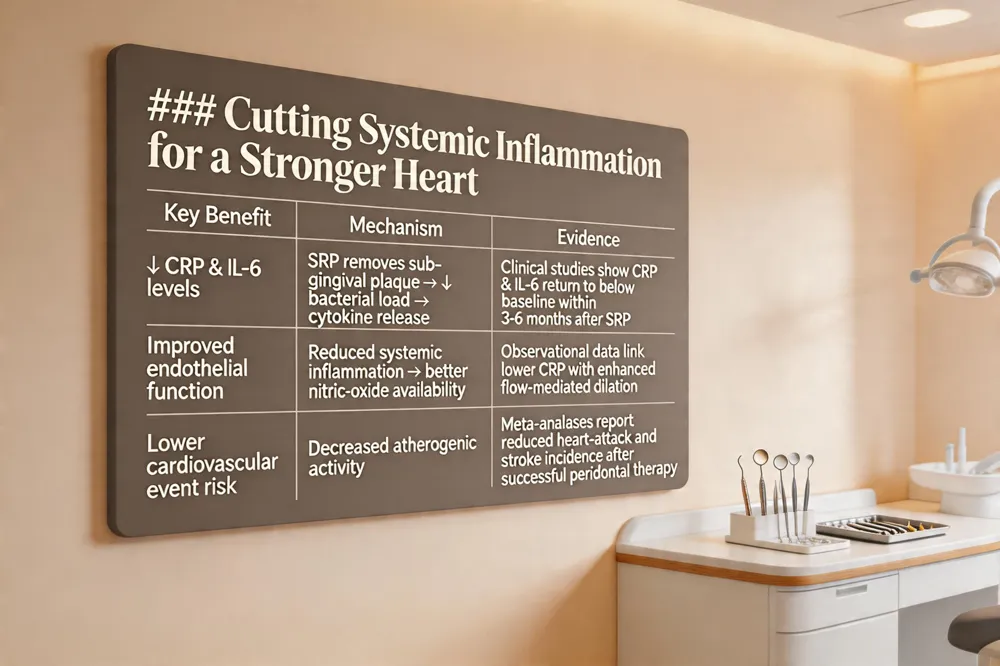 Periodontal inflammation releases cytokines such as interleukin‑6 (IL‑6) that stimulate the liver to produce C‑reactive protein (CRP), a key marker of systemic inflammation and a proven predictor of cardiovascular events. Deep‑cleaning with scaling and root planing (SRP) removes sub‑gingival plaque and calculus, dramatically reducing the bacterial load that fuels gum inflammation. Clinical studies consistently show that after SRP, CRP and IL‑6 levels fall to below baseline within three to six months, indicating a sustained anti‑inflammatory effect. Lower systemic inflammation improves endothelial function and reduces atherogenic activity, thereby decreasing the risk of heart attacks and strokes. In essence, SRP acts as a preventive cardiovascular intervention by cutting the inflammatory cascade at its oral source.
2. Better Blood‑Sugar Control for Diabetes Management
Better Blood‑Sugar Control for Diabetes Management
| Key Benefit | Mechanism | Evidence |
|---|---|---|
| ↓ HbA1c (0.3‑0.6 %) | SRP lowers periodontal inflammation → ↓ systemic cytokines (CRP, IL‑6) → improved insulin signaling | Randomized trials in type‑2 diabetes patients consistently show modest HbA1c reductions post‑SRP |
| Enhanced long‑term glycemic stability | Reduced chronic inflammatory burden | Follow‑up studies demonstrate sustained glucose control over 12‑months after deep cleaning |
| Lower risk of diabetes‑related complications | Better gum attachment → fewer infections → less stress‑induced hyperglycemia | Cohort studies associate successful SRP with reduced microvascular complications |
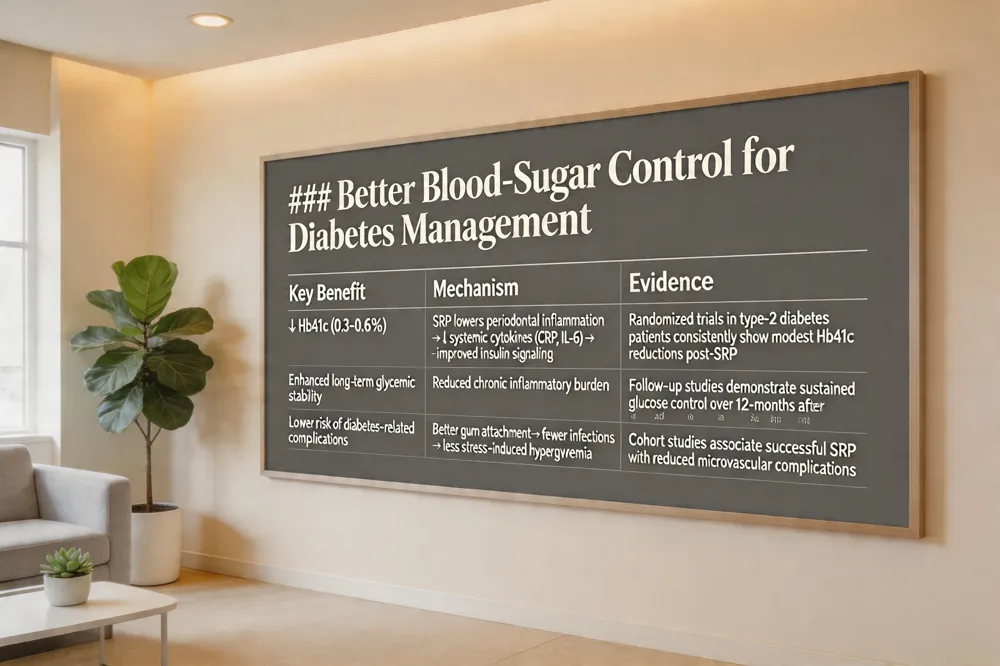 Gum inflammation creates a chronic inflammatory state that interferes with insulin signaling, making it harder for the body to regulate blood glucose. Scaling and root planing (SRP) removes sub‑gingival plaque and bacterial toxins, thereby lowering periodontal inflammation and systemic inflammatory markers such as CRP and IL‑6. Clinical studies consistently show that patients with type 2 diabetes experience a modest but statistically significant drop in HbA1c—typically 0.3 % to 0.6 %—after successful SRP treatment. The reduction in inflammation not only improves immediate glycemic control but also supports long‑term diabetes management by preserving gum attachment, reducing infection‑related stress, and making daily oral hygiene more effective. Over time, these benefits help maintain stable blood‑sugar levels and may lower the risk of diabetes‑related complications.
3. Lowering the Risk of Respiratory Infections
Lowering the Risk of Respiratory Infections
| Key Benefit | Mechanism | Evidence |
|---|---|---|
| Fewer aspiration pneumonia episodes | SRP removes oral bacterial reservoir → ↓ aspiration of pathogens | Systematic review shows significant reduction in pneumonia rates after periodontal therapy |
| Decreased lower‑respiratory tract infections in elderly | Lower oral load load → reduced pathogen translocation | Hospital studies report lower infection incidence when deep cleaning is part of care protocols |
| Protection for immunocompromised patients | Reduced systemic inflammation & bacteremia risk | Observational data link SRP with fewer respiratory complications in chronic lung disease cohorts |
 Respiratory infections are a major concern for patients with periodontal disease because oral bacteria can be aspirated into the lungs, leading to pneumonia and other lower‑respiratory tract infections. Scaling and root planing (SRP) removes subgingival plaque and calculus, dramatically lowering the bacterial load that serves as a reservoir for pathogenic microbes. Clinical research shows that patients who undergo SRP experience fewer episodes of aspiration pneumonia; a systematic review reported a significant reduction in respiratory infection rates after periodontal therapy. Moreover, studies of hospitalized and elderly populations have demonstrated a drop in pneumonia incidence when deep‑cleaning procedures are incorporated into routine oral‑care protocols. By decreasing the oral bacterial burden, SRP helps protect the respiratory system and contributes to overall health. This preventive effect is especially valuable for individuals with compromised immune systems or chronic lung disease.
4. Supporting Healthy Pregnancy Outcomes
Supporting Healthy Pregnancy Outcomes
| Key Benefit | Mechanism | Evidence |
|---|---|---|
| ↓ preterm birth & low birth weight risk | SRP reduces systemic CRP & inflammatory mediators affecting placenta | Second‑trimester SRP studies show significant drops in CRP and improved birth outcomes |
| Improved placental health | Lower bacterial inflammation → better nutrient exchange | Clinical monitoring indicates healthier placental ultrasound parameters post‑SRP |
| Coordinated prenatal‑dental care | Early dental eval + regular cleanings every 3‑4 months | Guidelines recommend integrated care; data show reduced adverse outcomes with combined approach |
 Periodontitis has been linked to adverse pregnancy outcomes, including preterm birth and low birth weight, because bacterial inflammation and infection can affect the placenta. Clinical studies show that scaling and root planing performed in the second trimester significantly reduces systemic inflammatory markers such as C‑reactive protein (CRP) and improves placental health, thereby lowering these risks. Pregnant patients are advised to receive a dental evaluation early in pregnancy, maintain meticulous oral hygiene (soft brushing, flossing, antimicrobial mouthwash), and consider SRP if deep pockets or gum inflammation are present. Follow‑up care should include regular professional cleanings every 3–4 months and coordination with obstetric providers to monitor both oral and prenatal health.
5. Potential Cognitive Benefits and Dementia Risk Reduction
Potential Cognitive Benefits and Dementia Risk Reduction
| Key Benefit | Mechanism | Evidence |
|---|---|---|
| Slower cognitive decline | SRP ↓ IL‑6, TNF‑α, CRP → lower neuroinflammation | Observational studies link deep cleaning with modest preservation of memory & executive function over 2‑3 years |
| Potential dementia risk mitigation | Reduced systemic cytokine load crossing blood‑brain barrier | Consistent findings across periodontal and neurologic research suggest protective trend |
| Improved brain health biomarkers | Lower peripheral inflammation correlates with favorable neuroimaging markers | Small pilot studies show reduced white‑matter lesions after successful SRP |
 Chronic oral inflammation drives systemic cytokine release that can cross the blood‑brain barrier, amplifying neuroinflammation—a known contributor to cognitive decline and dementia. Scaling and root planing (SRP) removes subgingival plaque and reduces periodontal cytokines such as IL‑6, TNF‑α, and C‑reactive protein, thereby lowering the inflammatory load that may affect the brain. Observational studies have linked successful Scaling and root planing (SRP) with slower rates of cognitive impairment; patients receiving deep‑cleaning reported modest but statistically significant preservation of memory and executive function over 2‑3 years compared with untreated counterparts. While causality is not yet proven, the consistency of findings across periodontal and neurologic research suggests that controlling gum disease through Scaling and root planing (SRP) could be a practical strategy to mitigate neurodegenerative risk.
6. Preserving Jawbone and Preventing Osteoporosis‑Related Issues
Preserving Jawbone and Preventing Osteoporosis‑Related Issues
| Key Benefit | Mechanism | Evidence |
|---|---|---|
| ↓ alveolar bone loss | Root planing smooths exposed roots → stable periodontal ligament re‑attachment | Clinical trials consistently show halted or slowed bone resorption after SRP |
| Support for systemic bone density | Healthy oral bone reflects overall mineral balance | Correlative studies associate good periodontal health with higher lumbar BMD scores |
| Reduced risk of osteoporosis‑related tooth loss | Preserved jaw structure maintains tooth stability | Longitudinal data indicate lower incidence of tooth loss in patients with regular deep cleaning |
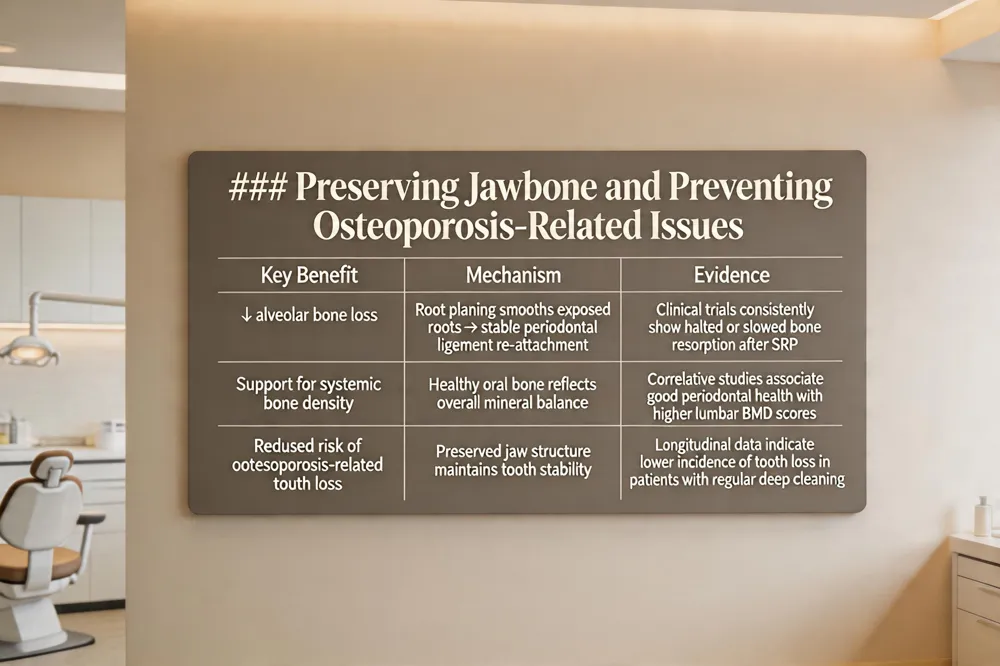 Root planing smooths the exposed tooth roots creates a surface that allows the gum tissue to re‑attach securely. This firm re‑attachment stabilizes the periodontal ligament and dramatically reduces the rate of alveolar bone loss that normally accompanies untreated periodontitis. Clinical studies consistently show that deep cleaning slows or halts the progressive bone resorption around teeth, helping to preserve the jaw’s structural integrity. Because oral bone health reflects the body’s overall mineral balance, maintaining a healthy periodontium may also support systemic bone density and lower the risk of osteoporosis‑related complications. In short, scaling and root planing not only protect individual teeth but also contribute to broader skeletal health by safeguarding the jawbone from disease‑driven deterioration.
7. Making Everyday Oral Hygiene Easier and More Effective
Making Everyday Oral Hygiene Easier and More Effective
| Key Benefit | Mechanism | Evidence |
|---|---|---|
| Smoother tooth surfaces | SRP removes calculus & smooths root surfaces → easier brushing | Patient surveys report less snagging and more comfortable flossing post‑SRP |
| Slower plaque re‑accumulation | Fewer niche areas for bacteria → reduced colonization | Clinical measurements show lower plaque index scores after deep cleaning |
| Decreased caries risk | Lower bacterial load → fewer cariogenic lesions | Long‑term studies reveal reduced new cavity formation in SRP‑treated groups |
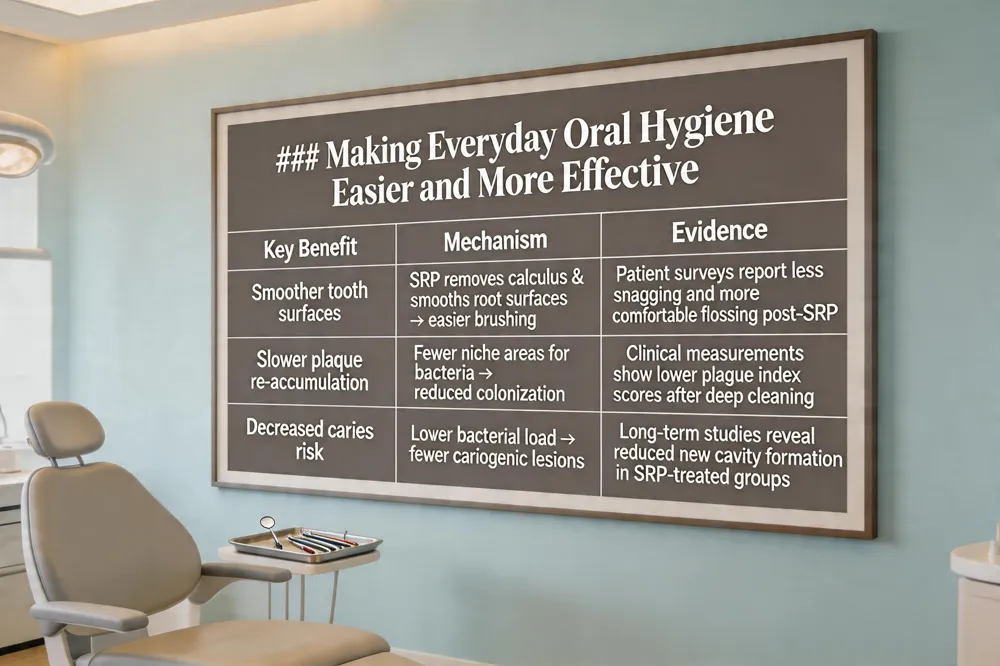 Scaling and root planing eliminates the hardened calculus that regular brushing and flossing cannot reach. By scraping away this rough deposit, the tooth surface becomes smooth, allowing a soft‑bristled brush to glide more easily and reach all sides of each tooth without snagging. The root‑planing step further smooths the exposed root surfaces, removing the tiny ridges where bacteria love to cling, which dramatically cuts the speed of plaque re‑accumulation. With fewer bacterial colonies to recolonize the mouth, the risk of new carious lesions drops, and the need for frequent fluoride treatments or restorative work diminishes. Over time, patients notice a steadier decline in cavities and a more effortless daily oral‑hygiene routine, reinforcing long‑term oral health and promotes better gum health while supporting overall systemic well‑being for a confident smile and a brighter appearance.
8. Boosting Confidence and Overall Quality of Life
Boosting Confidence and Overall Quality of Life
| Key Benefit | Mechanism | Evidence |
|---|---|---|
| Fresher breath | Removal of VSC‑producing bacteria | Patient‑reported halitosis scores improve markedly after SRP |
| Reduced sensitivity | Smoothed root surfaces lower exposure of dentin tubules | Clinical tests show decreased response to thermal stimuli |
| Enhanced aesthetic smile | Healthier gum contours & reduced recession | Quality‑of‑life questionnaires record increased self‑esteem and social confidence |
 Scaling and root planing eliminates sub‑gingival plaque and tartar, which are the primary sources of volatile sulfur compounds that cause chronic halitosis. By removing these odor‑producing bacteria, patients enjoy noticeably fresher breath and a reduction in gum tenderness and sensitivity to hot, cold, or sweet stimuli, thanks to the smoothing of exposed root surfaces. The deep‑cleaning also restores healthier gum contours and reduces recession, giving the smile a smoother, brighter appearance that many patients describe as a “cleaner” look. Beyond the physical changes, the combined effect of fresher breath, decreased sensitivity, and a more attractive gum line translates into heightened self‑esteem, reduced social anxiety, and an overall improvement in oral‑health‑related quality of life.
Oral Health & Chronic Disease Prevention
Oral Health & Chronic Disease Prevention
| Systemic Impact | Pathway | Result of SRP |
|---|---|---|
| Cardiovascular risk | ↓ CRP & IL‑6 → improved endothelial function | Lower incidence of heart attacks & strokes |
| Diabetes control | ↓ inflammation → better insulin sensitivity | Modest HbA1c reduction |
| Respiratory infections | ↓ oral bacterial reservoir → less aspiration | Fewer pneumonia episodes |
| Pregnancy outcomes | ↓ systemic inflammation → healthier placenta | Reduced preterm birth risk |
 Scaling and root planing (SRP) removes plaque, tartar and bacterial biofilm from below the gum line, dramatically lowering the bacterial load that drives chronic periodontal inflammation. This reduction in local inflammation translates into a systemic benefit: fewer inflammatory mediators such as C‑reactive protein (CRP) and interleukin‑6 (IL‑6) spill into the bloodstream, easing the overall inflammatory burden that underlies many chronic illnesses. By curbing the source of persistent inflammation, SRP helps protect blood vessels, improves endothelial function, and can lower systolic blood pressure, thereby reducing cardiovascular risk. The same mechanism improves insulin sensitivity, leading to better glycemic control in patients with type 2 diabetes. Moreover, a healthier oral environment lowers the chance of bacteremia and aspiration of pathogens, which are linked to respiratory infections and adverse pregnancy outcomes. In short, good oral hygiene and timely deep‑cleaning procedures act as a simple, cost‑effective strategy to keep systemic inflammation in check and support the prevention and management of chronic diseases such as heart disease, stroke, diabetes, and respiratory disorders.
Oral Health and General Health Relationship
Oral Health and General Health Relationship
| Oral Condition | Systemic Effect | SRP Benefit |
|---|---|---|
| Periodontitis | ↑ systemic cytokines (CRP, IL‑6) | ↓ inflammatory markers |
| Diabetes | Worsened gum disease ↔ impaired glucose control | Improved glycemic stability |
| Cardiovascular disease | Inflammation → atherogenesis | Reduced atherogenic activity |
| Overall well‑being | Mouth as health “window” to body health | Early detection & preventive care through SRP |
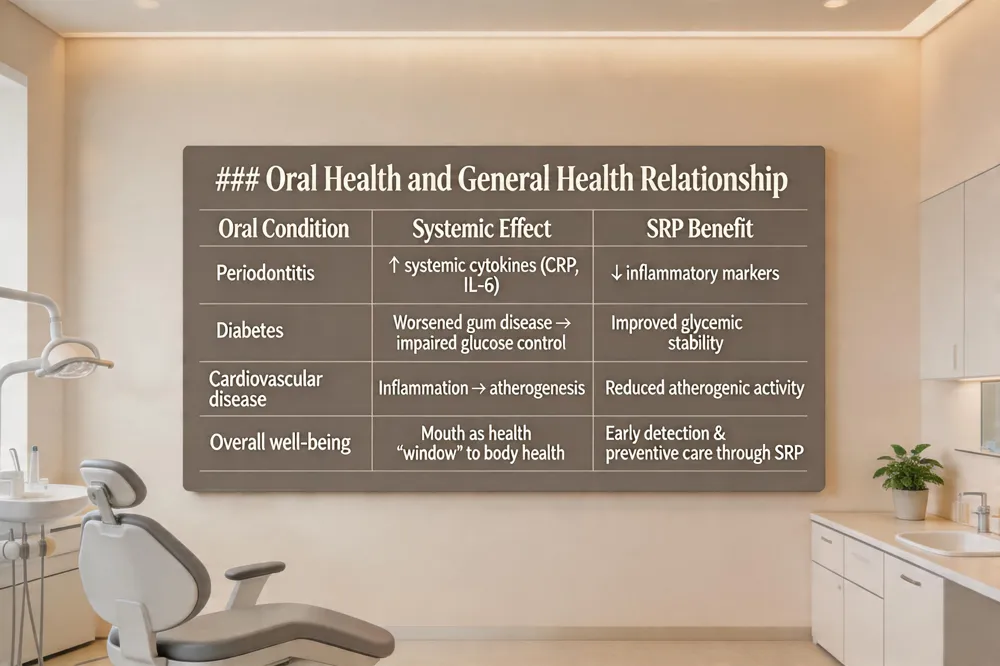 Oral health is inseparable from overall health; the condition of the mouth reflects and influences the health of the entire body. Periodontal disease creates a chronic inflammatory load that raises systemic markers such as C‑reactive protein, linking it to heart disease, stroke, diabetes, respiratory infections, and adverse pregnancy outcomes. Conversely, systemic conditions like diabetes and cardiovascular disease can worsen gum disease, illustrating a bidirectional relationship. The mouth acts as a “window” to the body, allowing clinicians to detect early warning signs of systemic disease. Treatments that remove sub‑gingival plaque—such as scaling and root planing—reduce bacterial load, lower inflammation, and have been shown to improve glycemic control, endothelial function, and even reduce the incidence of preterm birth. Maintaining good oral hygiene and regular dental care supports overall well‑being and can lower the risk of serious health complications.
Periodontal Disease and Systemic Health
Periodontal Disease and Systemic Health
| Systemic Condition | Link to Periodontitis | SRP Outcome |
|---|---|---|
| Heart disease | Chronic inflammation & bacteremia | ↓ CRP, improved endothelial function |
| Diabetes | Inflammatory cytokines impair insulin signaling | Better HbA1c control |
| Rheumatoid arthritis | Shared inflammatory pathways | Potential symptom relief |
| Alzheimer’s disease | Neuroinflammation from oral cytokines | Slower cognitive decline (observational) |
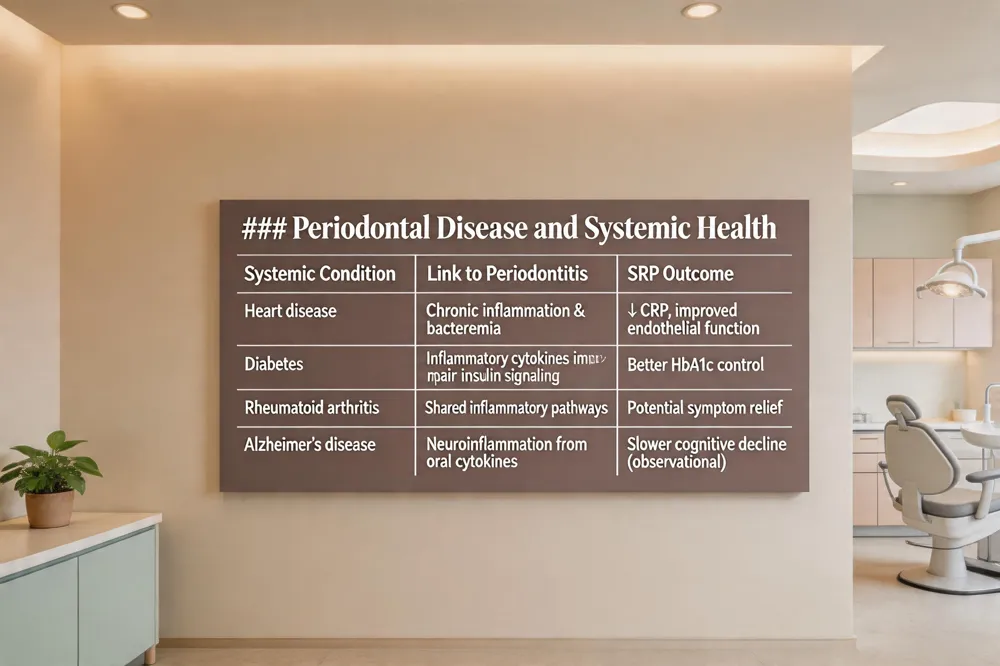 Periodontal disease is linked to a range of systemic health conditions—including cardiovascular disease, diabetes, rheumatoid arthritis, Alzheimer’s disease, and adverse pregnancy outcomes—through two primary pathways. First, chronic inflammation in the gums releases inflammatory mediators such as C‑reactive protein (CRP) and interleukin‑6 into the bloodstream, elevating the body’s overall inflammatory burden and altering immune responses. Second, pathogenic oral bacteria can enter the circulation, causing bacteremia or endotoxemia that may affect distant organs and tissues. These connections are reinforced by shared risk factors such as smoking, poor diet, and genetics. While strong associations have been documented, definitive causality remains under investigation, highlighting the importance of comprehensive oral care, including scaling and root planing, to reduce bacterial load, lower inflammation, and potentially mitigate systemic disease risk.
Scaling vs. Routine Cleaning & Cost
Scaling vs. Routine Cleaning & Cost
| Procedure | Depth | Typical Cost (USD) |
|---|---|---|
| Scaling & Root Planing (deep cleaning) | Sub‑gingival & root surface smoothing | $240 per quadrant (≈ $750‑$1,800 full mouth) |
| Routine Prophylaxis (cleaning) | Supragingival plaque removal only | $80‑$150 per visit |
| Insurance coverage | Often partial for medically necessary scaling | Reduces out‑of‑pocket expense |
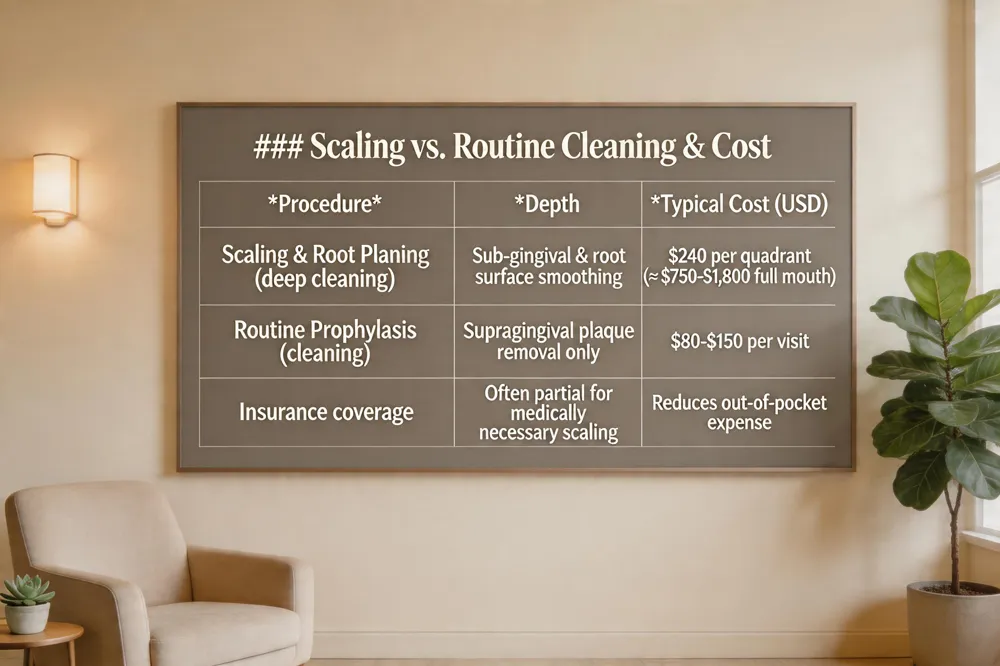 Teeth scaling, also known as scaling and root planing, is a deep‑cleaning procedure that removes plaque and tartar both above and below the gum line and smooths root surfaces to prevent bacterial re‑attachment. In contrast, routine dental cleaning (prophylaxis) only removes surface plaque and calculus from the crowns of the teeth above the gums and is performed every six months for healthy mouths. Scaling is indicated when subgingival deposits or gum disease are present and typically requires local anesthesia, lasting one to two hours, whereas a routine cleaning takes 30‑45 minutes and is painless. The average cost for professional scaling (often part of SRP) is about $240 per quadrant, ranging from $185 to $440. A full‑mouth deep cleaning can therefore total $750‑$1,800, with variations based on geography, provider fees, and ancillary services. Dental insurance frequently covers a portion of medically necessary scaling, reducing out‑of‑pocket expenses.
Lifestyle Factors, Diet, and Oral Microbiota
Lifestyle Factors, Diet, and Oral Microbiota
| Dietary Pattern | Effect on Microbiota | Oral Health Impact |
|---|---|---|
| High refined sugars & acids | Promotes cariogenic & acid‑tolerant bacteria | Increased caries & gum inflammation |
| High fiber, low‑glycemic foods | Supports diverse, beneficial commensals | Stronger enamel, reduced plaque formation |
| Nutrient‑rich diet (vitamins/minerals) | Enhances tissue repair & immune response | Better periodontal health |
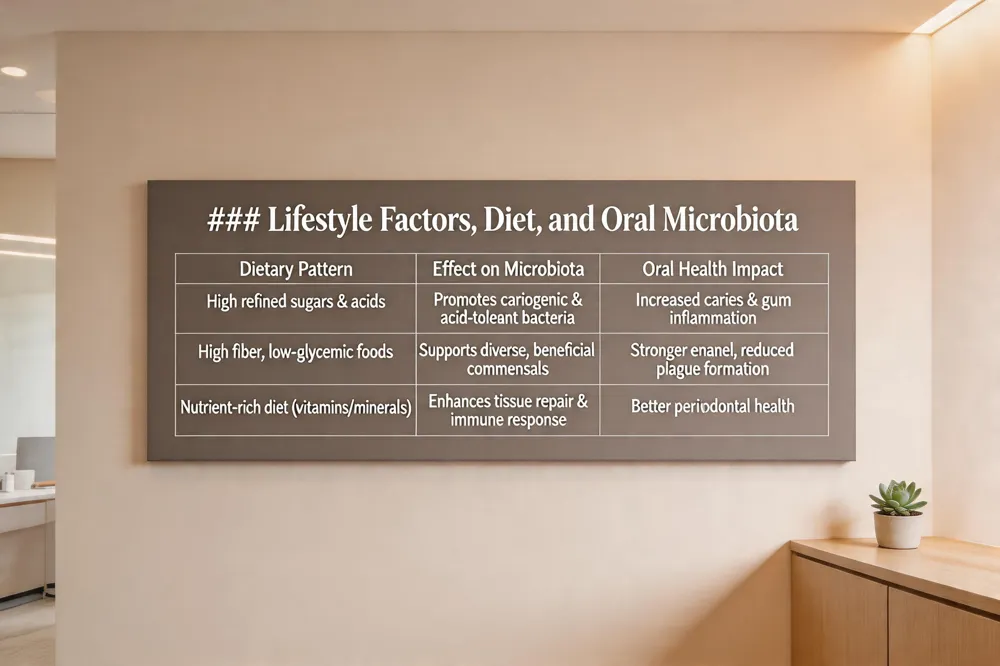 A dietary pattern rich in refined sugars, simple carbohydrates, and frequent acidic snacks is most likely to disrupt the balance of the oral microbiota. Sugary foods provide fermentable substrates that promote cariogenic bacteria such as Streptococcus mutans and Lactobacillus species, while repeated acidic exposure lowers plaque pH and favors pathogenic, acid‑tolerant microbes, crowding out beneficial commensals. In contrast, diets high in fiber, whole foods, and low in added sugars support a diverse, stable oral microbial community.
Nutrition plays a pivotal role in linking oral and systemic health. A diet abundant in vitamins, minerals, and low‑glycemic carbohydrates strengthens enamel and periodontal tissues, reducing plaque formation and gum inflammation. Poor eating habits—especially high‑sugar, high‑glycemic foods—drive dental decay and gum disease, which release inflammatory mediators into the bloodstream and are associated with heart disease, diabetes, and adverse pregnancy outcomes. Conversely, systemic conditions like uncontrolled diabetes can impair oral healing, creating a bidirectional feedback loop. Maintaining balanced nutrition, diligent oral hygiene, and regular dental care thus protects both the mouth and overall health.
Practical Concerns: Sensitivity, Discomfort, and Safety
Practical Concerns: Sensitivity, Discomfort, and Safety
| Potential Issue | Typical Duration | Management |
|---|---|---|
| Tooth sensitivity (hot/cold) | Days‑weeks | Soft brush, desensitizing toothpaste |
| Gum tenderness & slight bleeding | 1‑2 weeks | Gentle oral hygiene, antimicrobial mouthwash |
| Rare jaw/ear ache or low‑grade fever | <1 week | OTC analgesics, monitor, contact dentist if persistent |
| Bacteremia risk (high‑risk patients) | Immediate | Prophylactic antibiotics per medical guidelines |
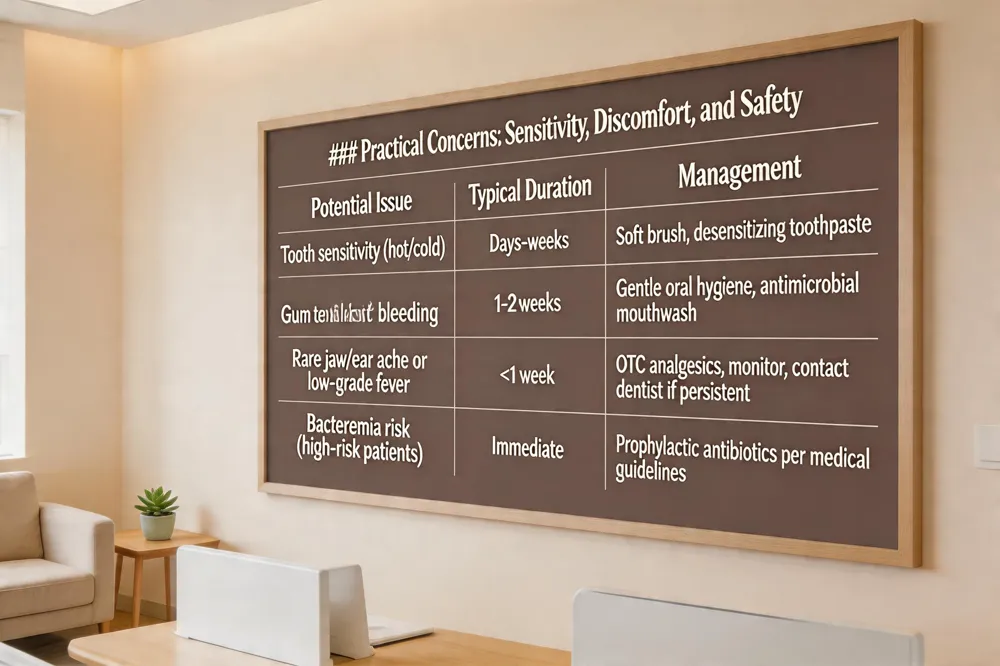 Scaling and root planing (SRP) can cause short‑term discomfort such as mild pain, gum tenderness, and heightened tooth sensitivity to hot, cold, or sweet foods. Some patients notice a brief increase in bleeding while brushing or a temporary feeling of loosened teeth as root surfaces become exposed; rare cases report jaw aches, ear pain, or a low‑grade fever. Vulnerable patients—those with heart conditions, compromised immune systems, recent surgery, or pregnancy—should discuss antibiotics or delayed treatment with their dentist to prevent bacteremia. Post‑procedure care includes gentle brushing with a soft‑bristled toothbrush, daily flossing, antimicrobial mouthwash, and over‑the‑counter pain relievers as needed; follow‑up visits help monitor healing. Properly performed SRP does not damage teeth; it removes plaque and tartar, and polishing smooths enamel, reducing future stain and decay risks.
Frequently Asked Questions About Scaling & Oral‑Systemic Impact
Frequently Asked Questions About Scaling & Oral‑Systemic Impact
| Question | Answer |
|---|---|
| Can I kiss my boyfriend with gingivitis? | Yes – bacteria can transmit; professional cleaning eliminates inflammation and reduces risk |
| Do teeth tighten back up after scaling? | Yes – gum tissue contracts and re‑attaches, giving a tighter feel |
| What systemic benefits does SRP provide? | ↓ CRP/IL‑6 → lower heart disease, better diabetes control, reduced pregnancy complications, fewer respiratory infections |
| Recent research highlights? | 2023‑2024 studies show ultrasonic vs. hand scaling efficacy, antimicrobial photodynamic adjuncts, and long‑term microbiome improvements |
 Pregnancy, kissing, tooth movement
- Can I kiss my boyfriend with gingivitis? Yes. Gingivitis bacteria can be passed through deep or frequent kisses, raising infection risk if oral hygiene is poor. Good brushing, flossing and a professional cleaning at Empower Your Smile will eliminate the inflammation and let you kiss confidently.
- Do teeth tighten back up after scaling? Yes. After Scaling and root‑planing the swollen gum tissue contracts, making teeth feel tighter and more stable as the gums re‑attach.
Key systemic benefits Scaling and root‑planing removes sub‑gingival plaque, lowering systemic inflammation markers (CRP, IL‑6). This reduction is linked to decreased risk of heart disease, better glycemic control in diabetes, lower chance of adverse pregnancy outcomes, and fewer respiratory infections.
Recent research highlights Latest studies (Journal of Periodontology 2023; Clinical Oral Investigations 2022; Journal of Dental Research 2024) show ultrasonic vs. hand scaling efficacy, antimicrobial photodynamic adjuncts, and long‑term oral‑microbiome improvements after SRP. These findings reinforce the oral‑systemic health advantages of deep cleaning.
Take Charge of Your Health with a Deep Clean
Scaling and root planing (SRP) provides a deep clean that does more than brighten a smile. First, it removes plaque and tartar below the gum line, halting periodontitis and protecting bone. Second, smoothing roots reduces gum recession and sensitivity. Third, it cuts gum inflammation, lowering systemic markers like C‑reactive protein linked to heart disease. Fourth, better gum health improves blood‑sugar control in diabetics. Fifth, fewer bacteria mean fresher breath. Sixth, preserving natural teeth sustains chewing and nutrition. Seventh, reduced inflammation eases pain and improves sleep. Finally, regular SRP supports long‑term oral and overall wellness. Schedule deep‑cleaning visits at Empower Your Smile to keep these benefits alive, and remember consistent oral care is a cornerstone of lifelong health.