Why Cosmetic Dentistry Is Evolving Faster Than Ever
Patients now demand treatments that preserve tooth structure, minimize discomfort, and deliver instant, natural‑looking results. This patient‑centered focus has driven dentists to adopt minimally invasive options such as no‑prep ultra‑thin veneers, laser gum contouring, and composite bonding, which protect enamel and reduce recovery time. At the same time, digital workflows—digital smile design, intra‑oral scanning, AI‑driven treatment simulations, and chairside CAD/CAM or 3‑D printing—allow clinicians to preview outcomes, fabricate restorations in‑office, and shorten appointment cycles, giving patients a transparent, stress‑free experience. Underpinning these advances are biocompatible materials like lithium disilicate, high‑strength zirconia, and nanofilled composites that mimic the translucency, texture, and durability of natural enamel. Together, patient‑centric philosophies, streamlined digital processes, and biomimetic materials are reshaping cosmetic dentistry into a faster, safer, and more aesthetically precise discipline.
Digital Smile Design, AI‑Driven Planning and 3‑D Visualization
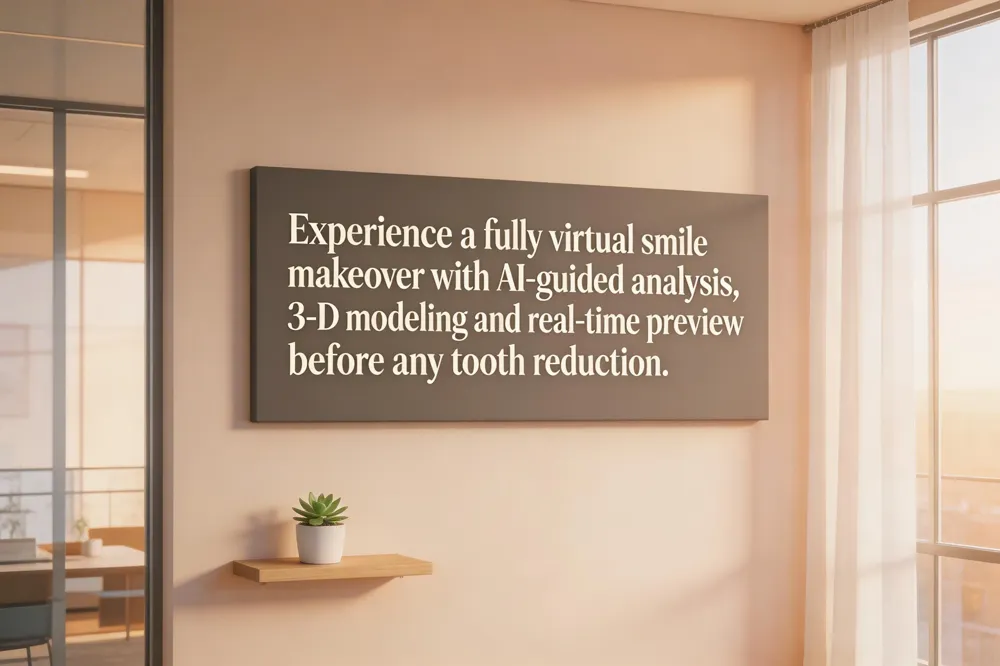 Digital Smile Design (DSD) begins with an intra‑oral scan and high‑resolution facial photography. The data are merged in a CAD/CAM platform that creates a precise 3‑D model of the patient’s dentition and surrounding anatomy. Using this model, the dentist can virtually place veneers, crowns, or clear aligners, adjusting shade, shape, and tooth proportions in real time. AI‑driven analysis then evaluates facial symmetry, smile line, and golden‑ratio relationships, recommending the optimal tooth length, width, and arch curvature for a harmonious result. The final mock‑up is presented to the patient on a screen or tablet, allowing a clear preview before any irreversible tooth reduction occurs.
What are the latest dental innovations? Modern practices employ cone‑beam CT , low‑dose X‑rays , intra‑oral scanners , and AI‑based treatment planning to produce ultra‑accurate digital models. 3‑D printing fabricates surgical guides, provisional and permanent restorations on the same day, while laser dentistry offers painless soft‑tissue contouring and accelerated whitening. Biocompatible ceramics such as lithium disilicate and zirconia provide stain‑resistant, metal‑free restorations, and smart implant sensors enable real‑time monitoring of osseointegration.
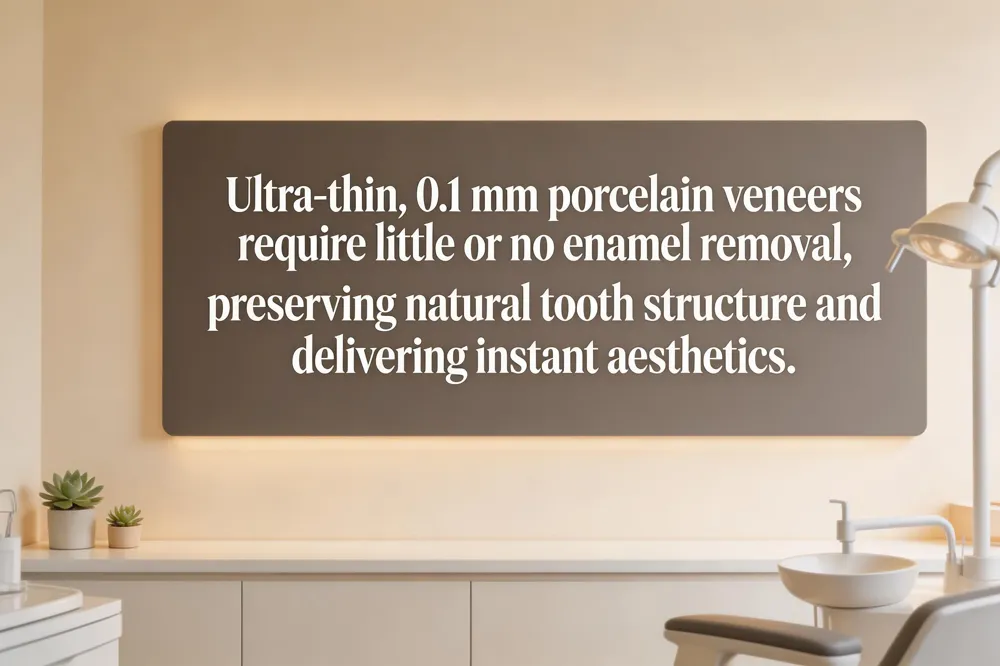
What are the new technology in veneers? The newest breakthrough is ultra‑thin , 3‑D‑printed porcelain veneers—often called Ultra‑Thin or Ultra‑Thineer—crafted from high‑purity 5Y zirconia using projection micro‑stereolithography. These shells are as thin as 0.1 mm, require little or no enamel removal, and can be bonded or removed with an erbium laser, delivering a minimally invasive, reversible aesthetic solution.
Minimally Invasive Veneer Solutions: From No‑Prep to Ultra‑Thin Porcelain
 Digital Smile Design (DSD) and intra‑oral scanning now let patients see a virtual mock‑up before any tooth is altered, ensuring precise, personalized veneer planning.
No‑prep and ultra‑thin veneer protocols – Ultra‑thin porcelain or high‑quality composite shells can be bonded with little or no enamel removal (0.3–0.7 mm). Because preparation is minimal, the procedure is faster, less painful, and preserves natural tooth structure.
Enamel preservation and bonding techniques – Advanced bonding agents and light‑curable resin cements create a durable interface while maintaining at least 50 % enamel on the bonding surface. Laser‑assisted gum contouring and LED‑activated whitening complement the veneer workflow, delivering a harmonious smile in a single visit.
Longevity and maintenance – Proper oral hygiene, regular check‑ups, and avoidance of hard foods extend porcelain veneer life to 10–15 years. Composite veneers are slightly less durable but still offer cost‑effective, single‑visit aesthetic upgrades.
Answers to common questions
- Porcelain veneer procedure: Begins with a comprehensive exam, digital impression, minimal enamel trim, lab fabrication (1–2 weeks), and final bonding with light‑polymerizing resin.
- No‑prep veneers: No‑prep veneers Ultra‑thin shells bonded directly with minimal preparation; ideal for minor gaps, discoloration, or chips, but require careful case selection due to lower thickness.
- Veneers pros and cons: Provide instant, stain‑resistant aesthetic improvements; durable 10–15 years, yet irreversible enamel removal and higher cost.
- Are veneers permanent?: Placement is permanent, but veneers themselves last 10–15 years (porcelain) or less (composite) and can be repaired or replaced as needed.
Clear Aligners, Orthodontic Advances and Integrated Smile Makeovers
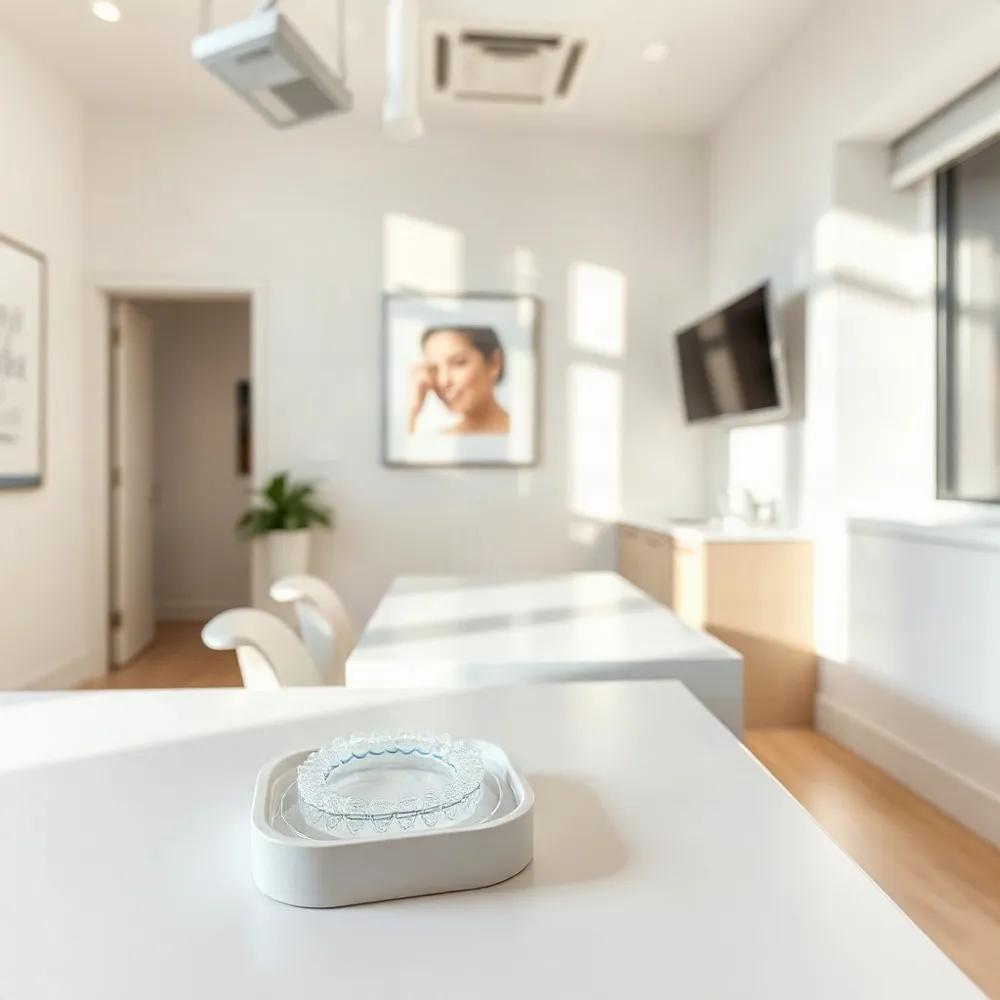
 In 2025, clear‑aligner therapy—particularly Invisalign—has become a cornerstone of modern smile makeovers. AI‑driven treatment planning creates a 3‑D virtual mock‑up, while remote monitoring apps let patients upload progress photos; the system automatically checks wear time and tooth movement, cutting office visits by up to 40 % and keeping treatment on schedule.
Many practices now blend orthodontics with ultra‑thin, no‑prep porcelain veneers for a holistic makeover. After the aligner phase corrects spacing or mild rotation, ultra‑thin veneers—often fabricated on‑site with CAD/CAM or 3‑D printing—provide the final aesthetic polish, delivering a seamless transition from functional alignment to a flawless smile.
Speed and comfort are hallmarks of these advances. Digital Smile Design (DSD) lets patients preview outcomes before any tooth is altered, while laser‑assisted tooth preparation and same‑day milling reduce chair time and preserve natural enamel. The result is a minimally invasive, patient‑focused experience that delivers beautiful, durable results in weeks rather than months.
Most popular cosmetic dental procedures – At Empower Your Smile, porcelain veneers, professional whitening, composite bonding, clear‑aligner orthodontics (e.g., Invisalign), gum‑contouring, and dental implants top the request list.
Veneers: pros and cons – Veneers instantly mask stains, chips, gaps, or minor misalignments with natural‑looking, stain‑resistant porcelain or composite, lasting 10‑15 years with proper care. They are durable and easy to maintain but require irreversible enamel removal, can be costly ($1,000‑$1,500 per tooth), may cause temporary sensitivity, and can chip over time, requiring repair or replacement.
Laser, Light‑Activated Whitening and Gum Contouring Technologies
 Cosmetic dental treatment refers to elective procedures that improve the visual appearance of teeth and gums while preserving oral health. It includes non‑surgical options such as professional whitening, composite bonding, tooth contouring, and gum reshaping, as well as more extensive work like porcelain veneers, crowns, inlays/onlays, and implants. In New York City, cost varies widely: porcelain veneers run $900‑$1,500 per tooth, composite bonding $250‑$600 per tooth, professional in‑office whitening $300‑$800, and a full Invisalign series $4,000‑$7,500. Comprehensive smile makeovers can exceed $20,000, with financing options such as CareCredit available.
Laser‑assisted teeth whitening uses diode or Nd:YAG lasers to activate peroxide gels, delivering 5‑7 shade improvements in a single 30‑minute session with minimal post‑treatment sensitivity. LED‑activated in‑office bleaching employs high‑intensity light to accelerate whitening agents, achieving noticeable results in about one hour while reducing discomfort compared with traditional trays. laser gum reshaping (laser gingivectomy) precisely removes excess gingival tissue to correct gummy smiles, offering a blood‑less, minimally invasive alternative to conventional surgery with rapid healing and less postoperative pain. These technologies, combined with Digital Smile Design, allow patients to preview outcomes and enjoy faster, more comfortable cosmetic enhancements.
Implants, Smart Sensors and Restorative Innovations
 Modern cosmetic dentistry now blends biocompatible implant materials, digital design, and emerging smart‑sensor technology to create lasting, natural‑looking results.
Biocompatible zirconia and titanium implants – Titanium remains the gold standard for its strength and osseointegration, while zirconia offers a metal‑free, hypoallergenic alternative with comparable survival rates (>95% at five years) and superior translucency for a seamless gum line. Both materials can be planned with CBCT imaging and CAD/CAM workflows, allowing same‑day placement and immediate provisional crowns that reduce treatment time.
Smart dental implants – Next‑generation implants embed miniature, biocompatible sensors that monitor bone density, temperature, pressure, and pH in real time. Data are transmitted to a dentist’s dashboard or a patient’s smartphone app, flagging early inflammation or peri‑implantitis before symptoms arise. Research is exploring nanoparticle‑infused surfaces that resist bacterial colonization and piezoelectric materials that generate therapeutic light during chewing, though commercial availability remains limited.
Dental implants vs veneers – Implants replace missing or severely damaged teeth with a root‑like post that fuses to bone, preserving bone density and restoring full function; they can last a lifetime with proper care. Veneers are ultra‑thin porcelain or composite shells bonded to healthy teeth to improve shape, color, or minor gaps, offering a purely cosmetic upgrade. Implants prevent bone loss and enable normal chewing, while veneers typically last 10‑15 years, require enamel removal, and are irreversible.
Healthiest fake teeth – Implant‑supported bridges and dentures are considered the healthiest option because they anchor to the jawbone, maintain bone volume, and provide stable, natural‑feeling function compared with traditional removable dentures.
Choosing the Right Innovation for Your Smile
Modern cosmetic dentistry lets patients select a treatment that fits their unique goals, budget, and lifestyle. Digital Smile Design (DSD) and AI‑driven 3‑D imaging create a personalized virtual mock‑up of the final smile, so patients can see the aesthetic outcome before any tooth is altered. This preview helps balance cost, durability and appearance: ultra‑thin porcelain veneers offer a natural look with minimal enamel removal, while biocompatible zirconia or lithium disilicate restorations provide long‑term strength and hypoallergenicity. Clear‑aligner therapy, enhanced by remote monitoring apps, delivers discreet orthodontic correction without the expense of traditional braces. By integrating minimally invasive laser whitening, laser gum contouring, and same‑day 3‑D‑printed restorations, dentists empower patients with faster, less painful options that still meet high aesthetic standards. Ultimately, the right innovation is the one that delivers a confident smile while respecting the patient’s financial and functional priorities.