Why Knowing Your Dentist's Specialty Matters
Understanding the Differences in Dental Care
It’s important to distinguish between general dentists and cosmetic dentists because each focuses on different aspects of oral health.
General Dentists Focus on Overall Oral Health
General dentists provide essential services like cleanings, fillings, root canals, and preventive care — all geared towards maintaining dental health and preventing disease. Their treatments are typically covered by dental insurance, making routine care affordable.
Cosmetic Dentists Enhance Your Smile
Cosmetic dentists specialize in procedures that improve the appearance of your teeth and smile, including teeth whitening, veneers, bonding, and Invisalign. These treatments are primarily elective, often requiring out-of-pocket expenses.
Making Informed Choices
Knowing which type of dentist to see helps you achieve your personal goals—whether maintaining oral health or enhancing the aesthetics of your smile. Many practices now offer both under one roof, providing comprehensive care that balances health and beauty.
Key Facts on General and Cosmetic Dentistry
- General dentists act as primary care providers for preventive, restorative, and early detection of dental issues.
- Most preventive and restorative procedures by general dentists are partially or fully covered by dental insurance.
- Cosmetic dentists focus on aesthetic improvements like teeth whitening, veneers, and bonding, often not covered by insurance.
- Advanced technologies such as digital X-rays, intraoral scanners, and laser dentistry enhance diagnostics and patient comfort.
- Porcelain veneers are thin, ceramic shells that cover teeth imperfections, offering natural-looking aesthetic results.
- Dental implants are biocompatible artificial roots that provide permanent tooth replacement and help preserve jawbone health.
- Sedation dentistry utilizes medications like nitrous oxide or IV sedation to reduce anxiety and facilitate complex procedures.
- Modern dental practices offer a broad spectrum of services like checkups, cleanings, restorations, esthetic treatments, and implants.
- Personalized care includes digital imaging, calming environments, and sedation options to improve patient experience.
- Periodontics focuses on gum disease prevention and treatment, essential for overall dental and systemic health.
1. General Dentists: The Guardians of Oral Health
What is the Role of General Dentists?
General dentists act as primary care providers for oral health in the United States. They are responsible for diagnosing, treating, and managing a wide range of dental issues to maintain overall oral health. Much like a primary care physician focuses on general health, general dentists oversee preventive care and restorative treatments to keep teeth and gums healthy throughout a person’s life.
What Services Do General Dentists Provide?
General dentists offer a broad spectrum of essential dental services including:
- Routine checkups and thorough examinations
- Professional cleanings to remove plaque and tartar
- Fillings to treat cavities and prevent further decay
- Root canal therapy for tooth preservation
- Crowns, bridges, and veneers to restore damaged teeth
- Extractions when necessary
- Gum disease diagnosis and treatment
- Preventive treatments such as fluoride applications, sealants, and oral cancer screenings
Additionally, many general dentists provide some cosmetic procedures like teeth whitening, bonding, and veneers to enhance smile aesthetics while maintaining oral health.
Are General Dentistry Services Covered by Insurance?
Most preventive and restorative dental procedures performed by general dentists are partially or fully covered by dental insurance plans in the United States. This coverage makes regular visits more accessible and affordable for the majority of patients. Preventive care, such as cleanings and exams, often receives the highest level of coverage because it helps avoid more serious dental issues down the line.
How Do General Dentists Contribute to Early Detection and Overall Health?
General dentists play a vital role in early detection of dental problems such as cavities, gum inflammation, oral cancers, and other oral health concerns. By utilizing advanced diagnostic tools like digital X-rays and intraoral cameras, they can identify issues at an early stage when treatment is less invasive and more effective.
Maintaining good oral health with regular visits to a general dentist also supports overall health, as dental diseases have been linked to systemic conditions like heart disease, stroke, and diabetes. Preventing and treating oral disease can significantly impact a patient’s general well-being.
Can General Dentists Provide Cosmetic Treatments?
While cosmetic dentistry is often associated with specialists, many general dentists are trained to perform basic cosmetic procedures. These include teeth whitening, tooth-colored fillings, dental bonding, and some veneer applications. This integration allows patients to receive both health maintenance and aesthetic improvements in one convenient dental practice.
Overall, general dentists serve as the cornerstone for maintaining oral health in the U.S., offering accessible care focused on prevention, treatment, and early intervention to ensure long-lasting dental function and health.
2. Cosmetic Dentists: Specialists in Smile Enhancement
What Do Cosmetic Dentists Focus On?
Cosmetic dentists specialize in enhancing the appearance of your smile. Their primary goal is aesthetic improvement, which involves elective cosmetic dental treatments aimed at making teeth look whiter, straighter, and more uniform. Unlike general dentists who mainly address oral health and treat dental diseases, cosmetic dentists concentrate on the look of your teeth and gums.
Common Cosmetic Treatments
Popular treatments provided by cosmetic dentists include:
- Teeth Whitening: A safe and effective method to lighten teeth by several shades.
- Veneers: Thin, durable shells made from medical-grade ceramic that cover the fronts of teeth to hide chips, cracks, stains, and gaps.
- Dental Bonding: Applying a tooth-colored resin to repair chipped, cracked, or misshapen teeth.
- Gum Contouring: Reshaping the gum line to improve the smile's overall aesthetics.
These procedures often produce immediate visual improvements and can be tailored to individual desires.
Specialized Training and Artistic Skill
While both general and cosmetic dentists hold degrees such as DDS or DMD, cosmetic dentists often pursue additional specialized training, including postgraduate courses and certification through organizations like the American Academy of Cosmetic Dentistry (AACD). This training hones their expertise in smile design and allows them to use advanced technologies such as digital smile design software.
Cosmetic dentistry blends science with artistic skill to balance functionality with natural-looking beauty, resulting in treatments that enhance not just the teeth but the entire facial appearance.
Insurance Challenges and Cost Considerations
Most cosmetic procedures are considered elective and thus are typically not covered by dental insurance in the United States. This means patients usually pay out-of-pocket for treatments like whitening, veneers, and bonding. The higher cost of cosmetic dentistry reflects the use of specialized materials, skilled technique, and personalized care. For example, veneers can range from $800 to $2,500 per tooth, with procedures like full smile makeovers exceeding $5,000. See more on insurance coverage for cosmetic dentistry.
How Cosmetic and General Dentistry Complement Each Other
Many dental practices offer both services, allowing patients to receive comprehensive care under one roof. General dentists maintain oral health through preventive treatments and restorations, while cosmetic dentists enhance the smile's attractiveness. Together, they ensure that improvements in appearance do not compromise oral health.
Patients often begin their journey with a general dentist for routine exams and treatments, then consult cosmetic dentists for elective smile enhancements. This collaboration promotes personalized treatment plans, early detection of dental issues, and an integrated approach to long-term oral care. For more details, see Combining General and Cosmetic Dentistry.
| Aspect | General Dentist | Cosmetic Dentist | Coverage & Costs |
|---|---|---|---|
| Primary Focus | Oral health and preventive care | Aesthetic improvements | General treatments often insured |
| Common Procedures | Cleanings, fillings, root canals, crowns | Whitening, veneers, bonding, contouring | Cosmetic procedures often out-of-pocket |
| Training & Expertise | DDS/DMD degree | DDS/DMD + advanced cosmetic certification | Extra training for artistic skills |
| Equipment & Technology | Diagnostic tools, preventive devices | Digital smile design, aesthetic materials | Specialized tools increase cost |
| Patient Goals | Maintain oral health, prevent disease | Enhance smile appearance | Combination supports health & beauty |
Comprehensive Services Offered by Modern General and Cosmetic Dentistry Practices

What dental services are typically offered by a modern general and cosmetic dentistry practice?
Modern dental practices provide a wide spectrum of services combining both general dentist services and cosmetic dentist specialties to meet all patient needs. Routine care includes Routine dental checkups and cleanings, Fillings and Root Canals, and Emergency Dental Care to maintain oral health.
Cosmetic dentistry procedures are also integral, featuring teeth whitening, porcelain veneers, dental bonding, and Invisalign treatments for smile enhancement. Additionally, advanced restorative options such as Dental Implants Benefits with durable materials like zirconia are offered to replace missing teeth effectively.
What advanced technologies are incorporated in these practices?
Contemporary dental clinics utilize cutting-edge technologies like digital dental X-rays benefits which offer lower radiation exposure and immediate imaging. 3D cone beam scanning allows precise visualization of jaw and dental structures, enhancing diagnostics.
Laser technologies such as DIAGNOdent aid in early cavity detection, while LANAP (laser-assisted new attachment procedure) provides minimally invasive gum disease treatment. Air abrasion and ozone therapy are modern tools for less invasive and patient-friendly procedures.
How is personalized care approached?
Personalized dental care is a priority; practitioners tailor treatment plans based on individual health, aesthetic goals, and lifestyle. Careful evaluations help form comprehensive strategies that integrate Comprehensive Dental Services including preventive, restorative, and cosmetic solutions under one provider.
Long-term patient relationships allow dentists to understand evolving dental needs, ensuring treatments remain effective and aligned with the patient's preferences.
What comfort-focused treatments are available?
Patient comfort is enhanced with sedation dentistry options such as nitrous oxide (laughing gas) and IV sedation, helping to reduce anxiety during dental procedures.
Innovative techniques like air abrasion reduce the discomfort and trauma associated with traditional drilling. Recovery times are minimized with these gentler approaches, promoting a positive patient experience.
Overall, modern dental practices strive to blend advanced technologies, broad service offerings, personalized care, and comfort-focused treatments to deliver optimal oral health and attractive smiles.
Personalizing Care and Enhancing Comfort in Dentistry

How do dental practices personalize care and emphasize patient comfort in their treatments?
Dental practices focus on creating a personalized dental treatment approach tailored to each patient's unique oral health needs and preferences. This individualization often involves advanced technology such as digital imaging and laser dentistry, which promotes precision in procedures while minimizing discomfort.
Effective communication is also essential. Dentists use clear, empathetic dialogue, visual aids, and positive body language to educate patients about treatments and build trust. This open communication helps reduce anxiety and empowers patients to participate actively in their dental care.
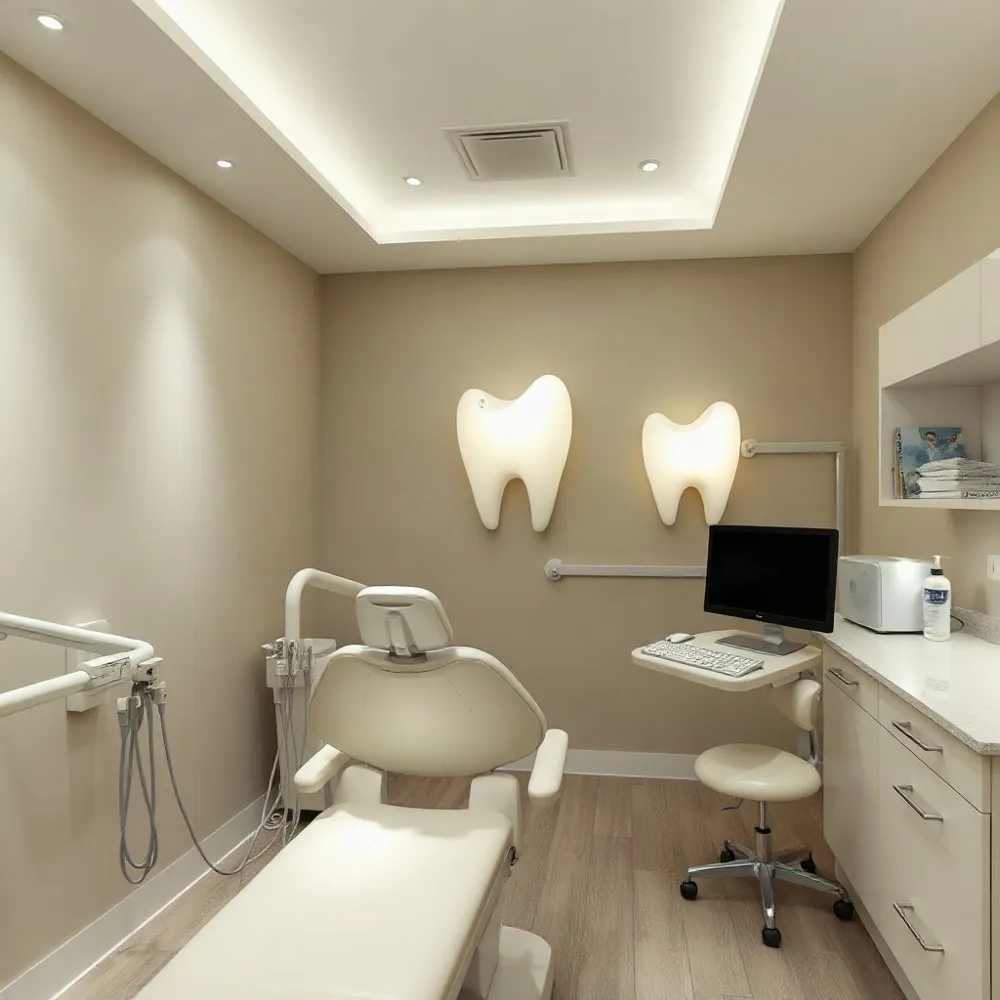
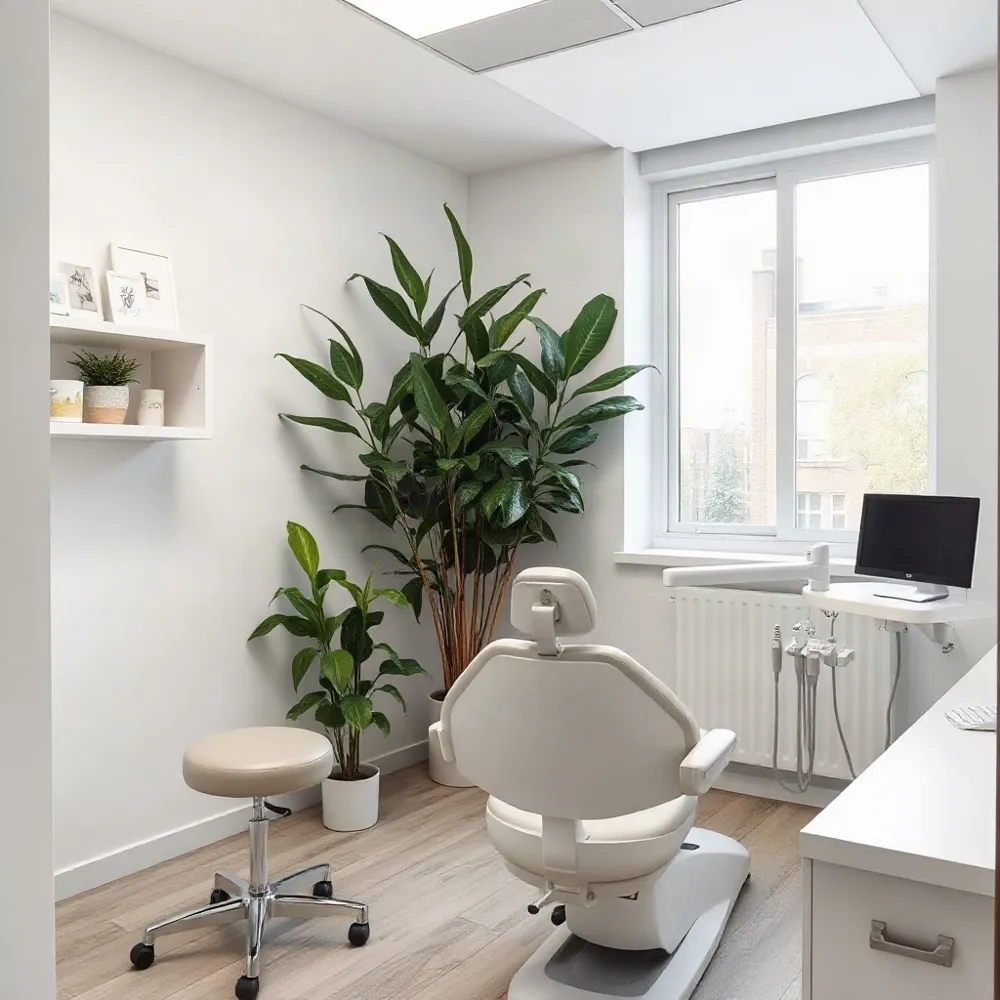
The dental environment itself plays a significant role in comfort. Practices often feature calming decor, comfortable seating, and soothing music to help patients feel relaxed and less stressed during visits.
Furthermore, sedation dentistry options are available for patients who require extra comfort during lengthy or more complex treatments. Ergonomic dental chairs and gentle techniques are also employed to maintain physical comfort throughout procedures.
Together, these strategies create a patient-centered experience that prioritizes both emotional and physical well-being, resulting in improved satisfaction, adherence to dental care plans, and overall positive dental experiences.
The Role of Advanced Technology in Dental Care

What role does advanced technology play in providing cosmetic and general dental services?
Advanced technology has transformed dental care by improving diagnostics and treatment precision. Digital radiography, such as digital X-rays, cuts radiation exposure by up to 90%, prioritizing patient safety without compromising image quality.
Intraoral scanners provide highly accurate digital impressions, replacing traditional molds. This leads to better fitting restorations and a more comfortable patient experience. Coupled with technologies like CEREC, dentists can now offer same-day crowns and restorations, significantly reducing the number of visits.
Digital treatment planning software allows cosmetic dentists to visualize and demonstrate expected smile outcomes to patients before procedures, enhancing understanding and satisfaction.
Laser dentistry provides minimally invasive treatment options with less discomfort and quicker healing times, benefiting both cosmetic and general dental procedures.
Together, these advanced tools support a modern, patient-centered approach that improves clinical results and overall dental care experience.
Porcelain Veneers: Transforming Smiles with Art and Science
What are porcelain veneers and how do they contribute to aesthetic dental treatment?
Porcelain veneers are thin, custom-crafted shells made from medical-grade ceramic designed to fit over the front surfaces of teeth. These veneers effectively conceal imperfections such as chips, cracks, stains, gaps, and slight misalignments. The ceramic material closely mimics the natural properties of tooth enamel by reflecting light in a similar way, which provides a realistic look that enhances a patient's smile. For more details, see Porcelain veneers.
Aesthetic benefits and imperfection coverage
Veneers are highly valued in cosmetic dentistry overview for their ability to dramatically improve the visual appeal of teeth. By covering discolored or damaged enamel, veneers create a uniform, bright, and naturally beautiful appearance. They are especially helpful for patients looking to correct multiple aesthetic issues simultaneously, offering an artistic and functional solution.
Procedure steps and longevity
The veneer application process usually involves two dental visits. The first visit includes minimal enamel removal to prepare the teeth, followed by impressions to fabricate the custom veneers. During the second visit, the veneers are carefully bonded to the teeth. Properly cared for, porcelain veneers have a long lifespan, commonly lasting between 10 and 15 years while maintaining their brightness and strength. Visit Elective cosmetic dental treatments for more information.
Minimal invasiveness and natural look
One key advantage of porcelain veneers is their minimally invasive nature—they require much less tooth enamel removal compared to crowns. This preserves more of the natural tooth structure. Combined with their lifelike translucency and color, veneers provide a natural-looking enhancement that blends seamlessly with the surrounding teeth. See Dental bonding benefits for related treatments.
Overall, porcelain veneers represent a sophisticated blend of art and science in modern cosmetic dentistry, helping patients achieve attractive, lasting smile transformations with minimal discomfort and excellent aesthetic results. For a comprehensive understanding, explore Improving your smile with cosmetic dentistry.
Dental Implants: Replacing Teeth Permanently and Effectively

What are dental implants and when are they used?
Dental implants are advanced, biocompatible artificial tooth roots made typically of titanium or ceramic. They are surgically placed into the jawbone to replace one or more missing teeth. These implants are favored when traditional dentures or bridges are unsuitable or when patients seek a more permanent, stable solution. Common causes for needing implants include tooth loss from decay, injury, or other dental problems. For more information on Dental Implants Benefits, you can explore the advantages they offer for smile aesthetics and oral function.
Implant materials and procedure
The materials used—titanium or ceramic—are compatible with the body, enabling a process called osseointegration where the implant fuses directly with the jawbone. This fusion is crucial for implant stability and long-term success. The procedure involves placing the implant, allowing a healing period for integration, then attaching a dental restoration such as a crown, bridge, or denture. For a detailed overview of these Cosmetic Dentistry Overview procedures, check.
Restoration options
After successful integration, implants can support various restorations:
- Crowns: for replacing single teeth
- Bridges: to replace multiple adjacent teeth
- Dentures: implant-supported to improve fit and comfort
These options provide functional and natural-looking tooth replacements. To understand the distinctions and overlap between these treatments, see Cosmetic Dentist vs. General Dentist.
Advantages for function and bone health
Implants restore chewing efficiency and speech by functioning like natural teeth. Importantly, they also help preserve jawbone health by preventing bone loss commonly seen after tooth loss, thus maintaining facial structure and preventing further oral complications. For insights on how cosmetic dentistry can improve both oral health and self-confidence, refer to Benefits of Cosmetic Dentistry.
Eligibility considerations
Candidates for dental implants must have good general health and sufficient jawbone density. Patients with certain conditions or inadequate bone may require preliminary treatments, such as bone grafting, to qualify. For related information on General Dentist Services and preventive care that support conditions for successful implants, see.
Dental implants are a durable, effective solution for permanent tooth replacement, offering both aesthetic and functional benefits while supporting oral health over the long term. For comprehensive information on cosmetic and general dental care integration, visit Combining General and Cosmetic Dentistry.
Sedation Dentistry: Making Dental Visits Easier for Everyone

What is sedation dentistry and who might benefit from it?
Sedation dentistry uses medications to relax patients during dental procedures, making visits more comfortable and less stressful. It particularly helps individuals with dental anxiety, fear of needles, difficulty staying still, or a low pain tolerance. For more details on the benefits of general dentistry and how sedation can improve patient care, you may also refer to resources on preventive dental care.
What are the common types of sedation?
- Nitrous oxide (laughing gas): A mild sedative inhaled through a mask for short procedures.
- Oral conscious sedation: Pills taken before treatment that help patients remain awake but calm.
- IV sedation: Medication administered intravenously for moderate to deep sedation during longer or more complex treatments.
Learn more about general dentist services and cosmetic dentist specialties for additional context.
How does sedation dentistry improve treatment efficiency?
By reducing anxiety and pain, sedation allows dentists to perform more extensive or multiple procedures in fewer visits. Patients are more relaxed and cooperative, making complex treatments easier and quicker for both dentist and patient. This is well outlined in articles discussing cosmetic and general dentistry and how these approaches complement each other.
Who benefits most from sedation dentistry?
Patients with dental phobia, those undergoing lengthy or complicated procedures, or individuals with sensitive gag reflexes or special needs gain significant advantages. Overall, sedation dentistry makes dental care accessible and less intimidating, encouraging better oral health through regular treatment. For further insights, see discussions on the key differences between cosmetic and general dentistry and the role of general dentists in providing comprehensive care.
The Importance of Periodontics in Maintaining Oral and Overall Health

How does periodontics contribute to overall dental health?
Periodontics is crucial for maintaining overall dental health as it targets the prevention, diagnosis, and treatment of gum disease and the supporting structures of teeth—namely the gums, bone, and connective tissues. Healthy gums and bone support natural teeth and prevent tooth loss.
Gum disease prevention and treatment
Gum diseases, such as gingivitis and periodontitis, cause damage to the soft tissues and bone surrounding teeth and, if untreated, can lead to irreversible tissue loss and tooth extraction. Periodontal care emphasizes early detection through routine dental checkups and professional cleanings, where plaque and tartar buildup are removed to halt disease progression.
Supporting structures of teeth
Periodontics focuses on the foundation of teeth, including the alveolar bone and periodontal ligament. Keeping these structures healthy ensures teeth remain stable and functional, which is essential for chewing, speaking, and overall oral function.
Systemic health links
Maintaining periodontal health also has systemic benefits. Studies indicate associations between gum disease and broader health conditions such as cardiovascular disease, diabetes, and adverse pregnancy outcomes. Effectively managing periodontal problems can reduce these risks.
Professional cleanings and hygiene routines
Regular professional dental cleanings combined with personalized at-home oral hygiene routines are key to preventing gum disease. Dentists and hygienists tailor recommendations to patients’ needs to ensure lasting periodontal health and preserve natural smiles.
By integrating periodontal care into routine dentistry, individuals can protect their oral health, prevent complications, and contribute to overall wellness throughout life.
Choosing the Right Dentist for Your Needs
Understanding the Roles of General and Cosmetic Dentists
General dentists serve as primary care providers, focusing on preventive care and treating oral health issues like cavities, gum disease, and root canals. They perform routine exams, cleanings, fillings, and manage overall dental health. Cosmetic dentists, on the other hand, specialize in improving the appearance of your smile through procedures like teeth whitening, veneers, bonding, and gum contouring. While both dentists require extensive training, cosmetic dentists receive additional education in aesthetic treatments.
Integrating Oral Health and Aesthetics
Many dental practices in the U.S. offer both general and cosmetic services, highlighting the importance of combining health maintenance and aesthetic enhancement. This integrated approach ensures comprehensive care, addressing both functional and cosmetic needs for a healthier, more attractive smile.
Choosing a Trusted Dental Professional
When selecting a dentist, consider your specific goals—whether maintaining oral health or enhancing smile aesthetics. Verify credentials and experience, especially for cosmetic procedures. Establishing a long-term relationship with a dentist who offers both services provides personalized, convenient care while ensuring early detection and effective treatment of dental issues.