
A Smile With Your Signature
A smile can feel personal as a signature. Changing it may involve careful choices about color, shape, and balance, alongside attention to the health of the teeth and gums. The right approach depends on what a person wants to change and what an examination shows.
Cosmetic dentistry spans small refinements, such as bonding or whitening, to broader plans that combine treatments. Cleveland Clinic’s overview of cosmetic dentistry describes options for improving a smile’s appearance, while noting that the appropriate procedure depends on individual needs. Results and suitability vary, so a consultation should guide the plan.
At Empower Your Smile, a Tribeca practice offering general and cosmetic dentistry, patients can discuss aesthetic goals alongside services such as routine care, veneers, and dental implants. This whole-practice setting helps keep appearance decisions connected to oral health, rather than treating a smile as a set of isolated cosmetic details.
What Cosmetic Dentistry Can Do
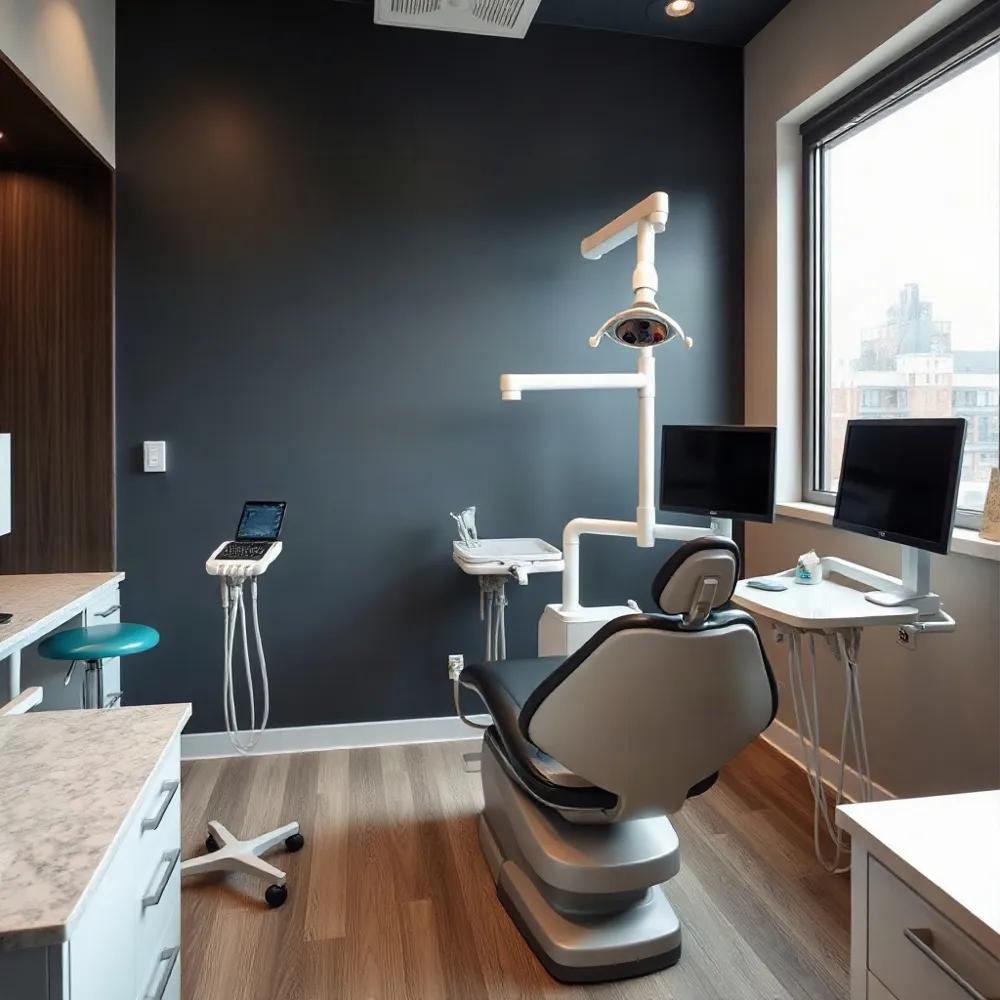 Cosmetic dentistry focuses on improving the appearance of teeth, gums, and smiles. Some treatments can also repair damage or support chewing, but their suitability depends on a dental examination. Common options include professional whitening for stains, porcelain veneers for visible chips or uneven shapes, and composite bonding for smaller chips or gaps. Cleveland Clinic’s overview of cosmetic dentistry describes treatments that range from subtle changes to more involved procedures.
General dentistry centers on prevention and oral health, including checkups, cleanings, and care for problems such as decay. Cosmetic dentistry puts appearance first, though the roles often overlap: a crown, for example, may protect a damaged tooth while improving its look. At Empower Your Smile, general and cosmetic services are offered in one Tribeca practice, alongside care such as implants and porcelain veneers.
Crowns may suit some damaged teeth, while gum reshaping can alter an uneven gumline. Dental implants replace missing teeth and can restore appearance and chewing function. Braces and clear aligners are different: they are orthodontic treatments that move teeth and may address alignment or bite concerns. They can still form part of a broader smile plan. Empower Your Smile combines aesthetic care with comprehensive dental services, so a dentist can consider oral health and appearance together.
Designing A Natural Looking Result
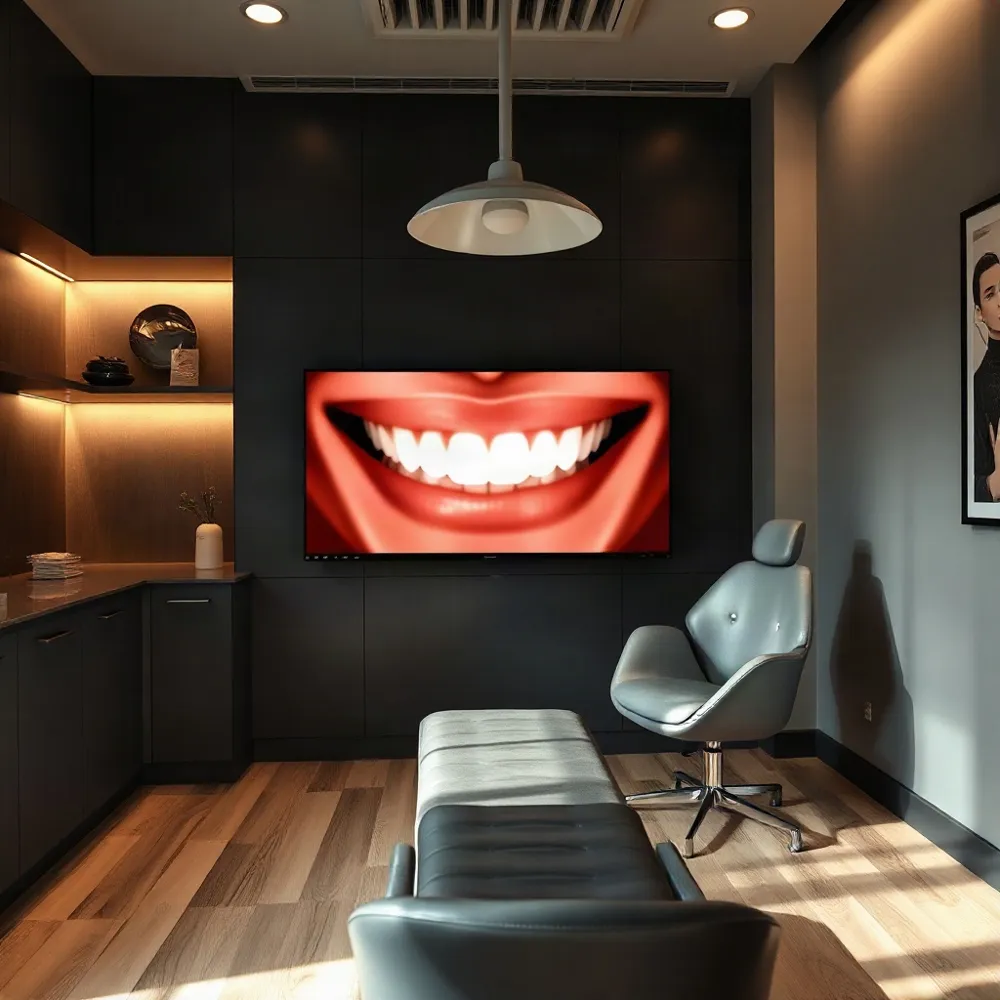 A natural-looking result starts with a plan shaped around the individual, not a standard package. Depending on a patient’s goals and oral health, treatment may combine cosmetic and restorative procedures. At Empower Your Smile, a Tribeca practice offering both general and cosmetic dentistry, care can be coordinated across a range of services under one roof.
Before choosing cosmetic work, the dentist examines the teeth and gums and considers any decay or gum disease that needs treatment first. A consultation also gives patients a chance to explain what they hope to change and compare suitable options, including their benefits and limitations. Cleveland Clinic’s overview of cosmetic dentistry describes a range of procedures whose suitability depends on individual needs.
Planning may account for tooth color, shape, size, and position, as well as gum contours, bite, and how the smile relates to the lips and facial features. Rather than making every tooth identical, a dentist can consider proportions, alignment, subtle shade differences, and translucency so restorations blend with surrounding teeth. The aim is a balanced appearance that still feels comfortable and functions well.
Choosing Between Bonding And Veneers
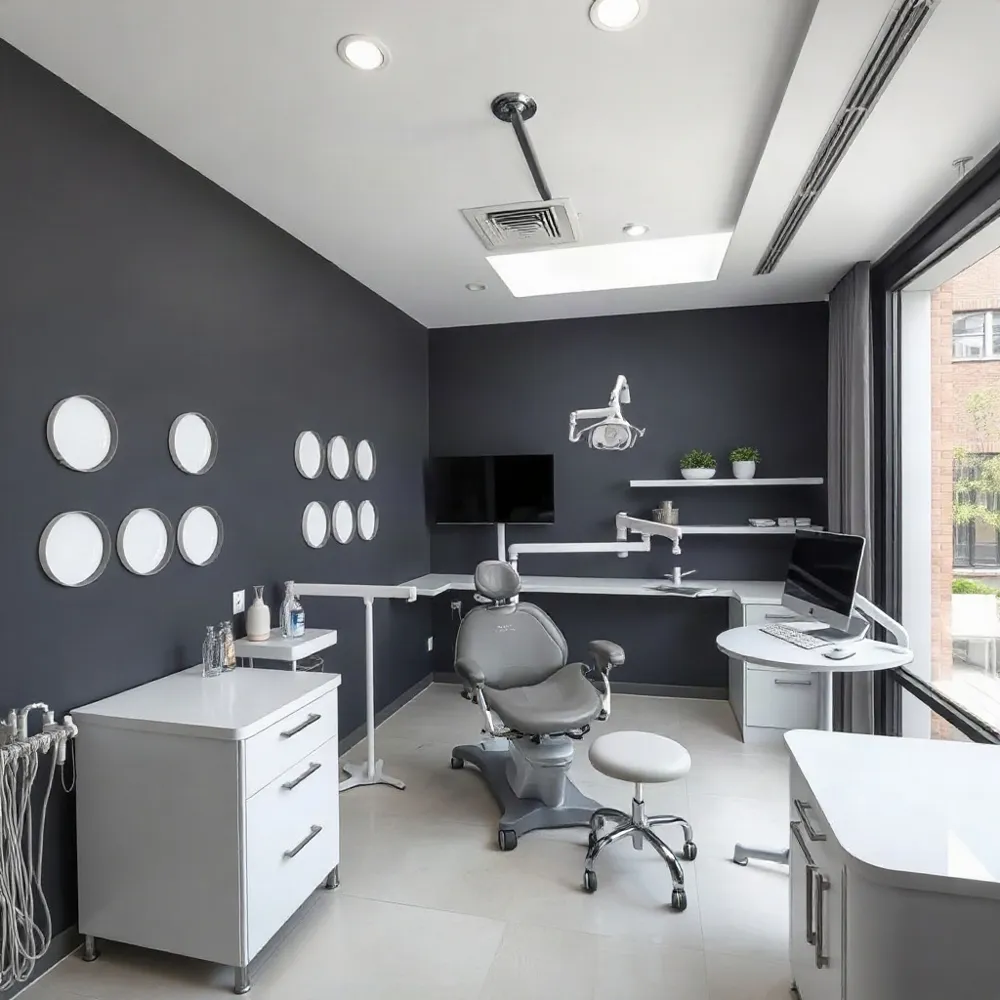 Bonding and porcelain veneers can both improve visible tooth imperfections, but they differ in how much they change the tooth and how the result is made. Dental bonding uses tooth-colored composite resin that a dentist shapes directly on the tooth. A veneer is a custom-made shell bonded to the front surface, often to change the appearance of one or more teeth.
Bonding is often a practical choice for a small chip, gap, or localized discoloration. It usually costs less and can preserve more natural tooth structure. Veneers can create a more consistent look across several teeth and tend to resemble natural enamel while resisting stains better than composite. They cost more, and placement often requires removing some enamel, so the choice should reflect both the desired change and the tooth’s condition.
Bonding may need repair or replacement sooner than porcelain veneers, though either can chip or crack. Cleveland Clinic describes veneers as cosmetic coverings, not a substitute for treating significant decay or gum disease; those concerns should be assessed first. At Empower Your Smile, Dr. Moezinia and her team provide general and cosmetic care under one roof, supporting evaluation of both oral health and appearance before a treatment plan is chosen.
Whitening can brighten natural teeth, but it will not change the shade of composite bonding. That may leave a bonded area looking darker after treatment. If whitening is part of the plan, ask a dentist whether to whiten first, then adjust or replace bonding to better match the new shade. Avoid abrasive products that could scratch the resin.
Bonding may repair a small veneer chip in some cases, but composite does not adhere to porcelain as predictably as it does to enamel. The repair may differ in color or durability, and larger changes may call for polishing or veneer replacement instead. A dentist should examine the damage and explain the options; Empower Your Smile’s personalized approach can account for the condition of the tooth as well as the cosmetic goal.
For background on veneer materials, preparation, and trade-offs, see the Cleveland Clinic guide to dental veneers.
How Veneers Change With Time
Cosmetic dental work does not have one fixed lifespan. How long it lasts depends on the material and procedure, the health of the teeth and gums, daily habits, and ongoing care. Whitening results can fade, while bonding and composite veneers often need attention sooner than porcelain veneers.
Porcelain veneers commonly last about 10 to 15 years, and some last longer with good care. They resist stains, but normal use, grinding, changes in the bite, or gum recession can affect their edges, fit, or appearance. A veneer may chip, crack, loosen, or need replacement. Cleveland Clinic’s veneer guidance describes this typical lifespan and the importance of routine care.
A veneer does not automatically need replacement after 20 years. A dentist can examine the veneer, its bonding edges, and the tooth beneath it for wear, damage, a poor fit, or decay, then discuss whether monitoring, repair, or replacement makes sense. At Empower Your Smile, cosmetic care is part of a broader practice that also provides general dentistry, so an assessment can consider both appearance and oral health.
Daily brushing and flossing, regular dental checkups, and avoiding hard objects help protect veneers. If you grind your teeth, ask your dentist whether a night guard is appropriate. The right maintenance plan and an individualized estimate of longevity depend on an examination of your teeth and treatment.
When Another Treatment May Fit Better
Veneers are not the only way to address visible concerns. For discoloration, professional whitening may be enough; tooth-colored bonding can repair a small chip or close a minor gap, while braces or clear aligners address crooked teeth and spacing. A dentist can help match the treatment to the concern rather than covering every imperfection with a veneer.
A crown may be more appropriate when a tooth is substantially damaged or weakened. Veneers mainly cover the front surface for cosmetic change, while crowns cover the tooth to help restore it. Depending on the clinical situation, whitening, bonding, or orthodontics may achieve a patient’s goal while preserving more natural tooth structure. Cleveland Clinic’s overview of veneers explains their uses and trade-offs.
Oral health also shapes the decision. Cavities and gum disease should be treated before cosmetic work, and grinding or other factors that raise the risk of damage may affect whether veneers are suitable. At Empower Your Smile, the Tribeca practice offers general and cosmetic dental care under one roof, allowing treatment planning to account for both oral health and appearance.
The right recommendation depends on the condition of the teeth and gums, the desired result, and the patient’s preferences. A dental evaluation can clarify whether veneers or another option is the more appropriate fit.
Understanding Costs And Coverage
How much do cosmetic dentistry and smile makeovers typically cost? A simple treatment may cost about $100, while more extensive work can reach several thousand dollars. As general estimates, professional whitening may range from $100 to $600, bonding from $100 to $600 per tooth, veneers from roughly $500 to $2,500 per tooth, and implants from about $3,000 to $5,000 per tooth. These figures are not quotes, and prices in New York City may differ.
A smile makeover has no standard price because it may combine treatments, with the total shaped by the number of teeth involved, materials, complexity, provider, and location. At Empower Your Smile, a Tribeca practice offering general and cosmetic dentistry, the dental team can assess the proposed work and provide an individualized estimate.
Does dental insurance cover cosmetic dentistry or smile design? Plans usually exclude treatment done solely to change appearance, including whitening and elective veneers. A crown for a damaged tooth or replacement of a missing tooth may qualify when it restores function or supports oral health, but coverage depends on the plan and clinical reason. Cleveland Clinic’s overview of cosmetic dentistry explains that cosmetic procedures can improve appearance, while suitability and treatment needs vary.
Before proceeding, check your plan’s rules, exclusions, and annual limits. Ask the insurer to review the treatment plan and request a pre-treatment estimate; this can clarify potential benefits but does not guarantee payment. Request an itemized quote from the dental team as well, and discuss available payment options if insurance does not cover the work.
Weighing The Personal Investment
Is cosmetic dentistry worth the cost? It may be, if a treatment addresses a concern that matters to you and its expected results fit your goals and budget. The right comparison is not simply the price of one procedure, but what it changes, how long the result may last, and what care it may need.
At Empower Your Smile, a Tribeca practice offering general and cosmetic dentistry under one roof, a consultation can consider appearance alongside oral health. Whitening, bonding, and veneers differ in how they affect natural teeth and in their upkeep. Veneers, for example, can improve appearance but are not a repair for every dental problem, and many types involve removing some enamel. Cleveland Clinic’s overview of veneers explains their benefits and trade-offs.
Cosmetic work is not always permanent, so potential maintenance, repairs, or replacement belong in the decision. The least invasive suitable option may be preferable to a more extensive change. A better-looking smile may support confidence, but no treatment can guarantee an emotional or social outcome.
An individualized consultation at Empower Your Smile can review teeth and gums, address underlying problems, compare suitable treatments and costs, and set realistic expectations before you decide.
A Thoughtful Path Forward
A considered cosmetic plan balances appearance with oral health, function, and the person behind the smile. At Empower Your Smile in Tribeca, NYC, Dr. Moezinia and her team provide general and cosmetic care, allowing patients to discuss aesthetic goals alongside broader dental needs.
Before choosing a procedure, ask a qualified dentist to assess your teeth and gums, explain suitable options, and clarify benefits and trade-offs. Cleveland Clinic’s overview of cosmetic dentistry can help you prepare questions for that conversation.


