
Small Habits, Lasting Oral Health
A healthy smile depends on more than an occasional dental visit. Daily brushing and cleaning between teeth remove plaque, the sticky film of bacteria that can contribute to cavities and gum disease. Professional exams and cleanings matter too, because home care cannot remove hardened tartar.
The National Institute of Dental and Craniofacial Research recommends regular brushing and flossing to help protect natural teeth over time. For many people, a practical starting point is brushing twice a day with fluoride toothpaste and cleaning between teeth once a day. The right tools and technique can vary, so a dentist can help adapt general advice to individual needs.
At Empower Your Smile, routine cleanings are part of a wider range of dental care in Tribeca, including cosmetic and general services under one roof. The sections ahead cover useful daily habits, common missteps, and ways to make an oral-care routine easier to maintain.
Brush Carefully With the Right Tools
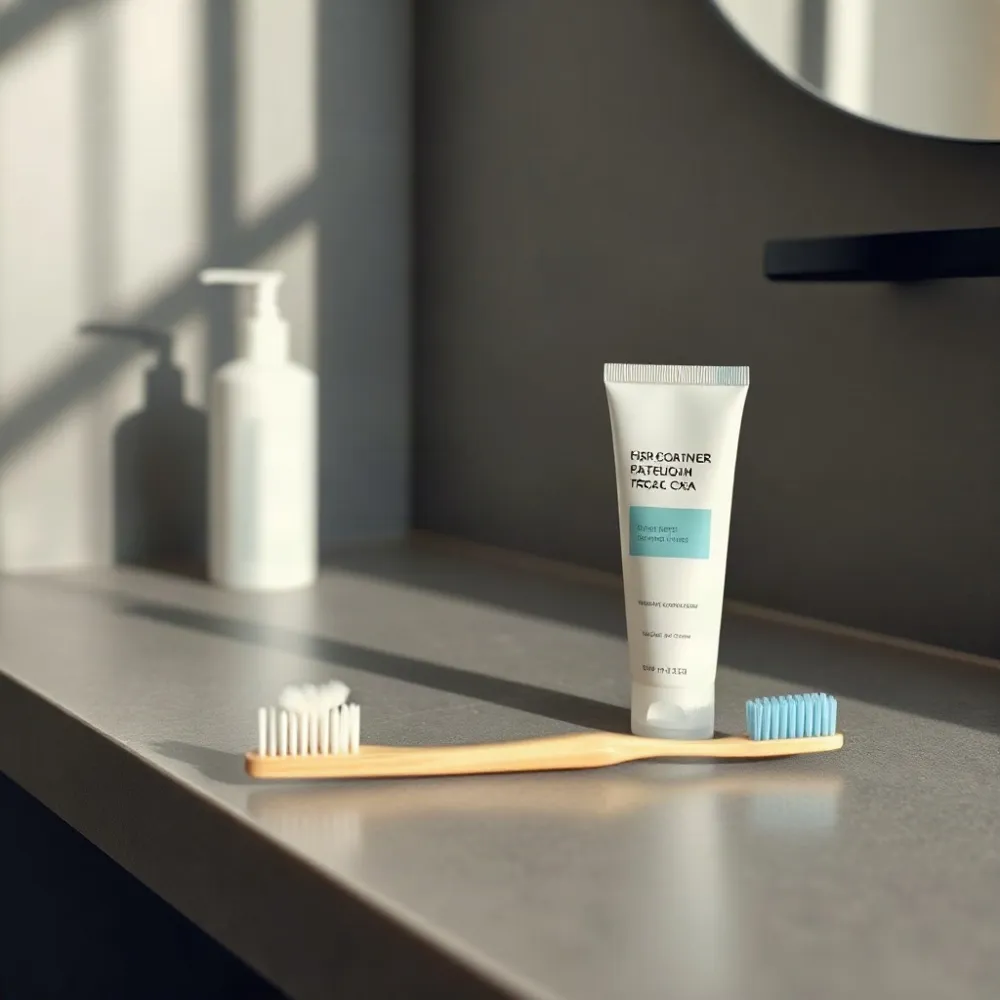 Choose a soft-bristled toothbrush and fluoride toothpaste for routine brushing. Fluoride helps strengthen enamel and prevent cavities, while the ADA Seal of Acceptance offers a useful sign that an oral-care product has been evaluated for safety and effectiveness. The American Dental Association’s brushing guidance covers both product selection and daily technique.
Brush twice a day for two minutes, using gentle, short strokes with the bristles angled toward the gumline. Clean the outer, inner, and chewing surfaces of every tooth, including the hard-to-reach areas at the back. Forceful scrubbing is unnecessary and may irritate gums; hard bristles can damage gum tissue and enamel.
Manual and powered toothbrushes can both remove plaque effectively when used properly. A powered brush may be easier to manage if you have limited hand movement or find it difficult to reach all areas. Choose a brush with a head and handle that feel comfortable and allow you to reach every tooth.
Replace a toothbrush or powered-brush head every three to four months, or sooner if the bristles become frayed. Worn bristles clean less effectively. If you have tooth sensitivity, a higher risk of cavities, or questions about which products suit your needs, ask your dentist for a recommendation. At Empower Your Smile, routine and cosmetic dental services are available in the same Tribeca practice, where the dental team can discuss product choices as part of individualized care.
Make Daily Cleaning Between Teeth Work
 Toothbrush bristles cannot reach every tight space between teeth, where plaque and food particles can collect. Cleaning between teeth once a day helps remove this buildup before plaque hardens into tartar, which requires professional cleaning to remove. The American Dental Association’s guidance on interdental cleaning recommends floss or another suitable tool as part of daily care.
Should you floss before or after brushing?
Either order is fine if you clean thoroughly every day. Some people floss first to loosen debris that brushing can then clear away. Guide floss gently between teeth without snapping it into the gums, curve it around each tooth, and move it up and down along the tooth and just below the gumline. Keep brushing twice a day with fluoride toothpaste, as described in the American Dental Association’s home-care recommendations.
For patients who find floss difficult to handle, personalized guidance can help identify a practical tool. At Empower Your Smile, a Tribeca practice offering comprehensive dental care, a dentist or hygienist can discuss options suited to a patient’s mouth and abilities.
Are interdental brushes better than floss?
Neither option is best for everyone. Floss often suits tight spaces, while an interdental brush may work better in wider gaps, including for some people with gum disease or certain dental work. Choose a brush that fits comfortably, and never force it into a space. Floss holders can make handling floss easier, and water flossers are another option. Ask a dentist or hygienist which tool and size fit your needs. If cleaning between teeth causes persistent pain or bleeding, seek professional advice. Empower Your Smile’s daily dental care guidance also covers gentle flossing techniques.
Add Helpful Habits and Avoid Common Missteps
Once brushing and cleaning between teeth are established, a few additional habits can support oral health. Gently brush your tongue or use a tongue scraper as part of routine care, since bacteria can collect there. The National Institute of Dental and Craniofacial Research includes tongue cleaning in its oral-hygiene guidance.
Mouthwash is an optional addition, not a substitute for brushing or cleaning between teeth. An alcohol-free formula may suit people concerned about dry mouth, but the right product depends on individual needs. At Empower Your Smile, patients can discuss oral-care products with a dental team as part of the practice’s personalized approach.
Diet matters, too. Limit sugary foods and drinks, which are associated with tooth decay, and choose fluoridated water when available to help protect teeth. The ADA’s home-care guidance includes limiting sugar as part of routine prevention.
Avoid smoking and other tobacco products, which can harm gum health and raise oral-cancer risk. Anyone who wants to quit can ask a healthcare provider about support. Aim for a manageable routine rather than adding steps that are hard to sustain; a dentist can help tailor product choices and habits to your needs.
Understand the Two Two Two Rule
Numbers can make oral-care advice easier to remember, but the 2-2-2 and 3-3-3 rules are informal mnemonics, not official standards. Their meanings may vary, so they should not replace advice tailored to your mouth and health needs.
What do the 2-2-2 and 3-3-3 dental rules mean, and which should you follow?
The commonly cited 2-2-2 version means brushing twice a day for two minutes and seeing a dentist twice a year. The 3-3-3 version usually means brushing three times a day for three minutes and visiting a dentist every three months. These schedules are memory aids, not a requirement that everyone follow the same appointment cycle.
For most people, the American Dental Association’s home-care guidance recommends brushing twice daily with fluoride toothpaste for two minutes. Professional visit timing is a separate decision: the ADA says there is no single ideal interval for everyone, so a dentist should set it according to oral-health risk and individual needs.
At Empower Your Smile, routine and cosmetic dental services are available in one Tribeca practice, where the team can consider a patient’s needs when discussing ongoing care. Rather than adopting the three-month interval in a mnemonic by default, ask your dentist how often exams and cleanings make sense for you.
Build a Routine You Can Follow
A good daily routine does not need to be complicated. Brush twice a day for two minutes with fluoride toothpaste and a soft-bristled toothbrush, clean between teeth once a day, and limit sugary snacks and drinks. Use gentle, short strokes angled toward the gumline, reaching the outer, inner, and chewing surfaces of every tooth. The American Dental Association’s home-care guidance supports these habits while noting that advice can be tailored to individual needs.
Choose steps and tools you can keep using. Floss may suit tight spaces, while an interdental brush or another cleaner may be easier with limited dexterity, dental work, or different spacing between teeth. A dentist can help match the method to your mouth and demonstrate technique. Replace your toothbrush every three to four months, or sooner if the bristles become frayed.
At Empower Your Smile, routine cleanings and broader dental services are available in one Tribeca practice, where the team can discuss care based on a patient’s needs. That personalized guidance matters because plaque can contribute to tooth decay and gum disease, and red, swollen, or easily bleeding gums can signal gingivitis. The National Institute of Dental and Craniofacial Research explains that persistent plaque-related gum irritation should not be judged by appearance alone.
Ask a dentist about persistent bleeding, pain, or difficulty cleaning particular areas, and bring questions about devices or brushing and flossing technique. Home care helps, but it cannot identify every problem or remove hardened tartar. At Empower Your Smile, a dental team can assess those concerns and help shape a routine that is practical as well as appropriate for your oral health.
Keep Professional Care in the Routine
 Daily brushing and cleaning between teeth help control plaque, but they cannot replace professional care. A dentist can assess your teeth and gums, spot concerns before they cause noticeable symptoms, and remove hardened tartar that home tools cannot clear. The National Institute of Dental and Craniofacial Research explains that tartar requires removal by a dental professional.
How often should you have dental exams and cleanings?
Many people do well with visits about every six months, but that is a starting point rather than a universal schedule. The American Dental Association’s guidance on home oral care notes that the right timing depends on each person’s oral health risks and needs.
Gum disease or frequent cavities may call for more frequent visits, sometimes every three to four months. Medications, tobacco use, medical history, and existing dental work can also affect the recommended interval. People with stable oral health may be advised to come less often. At Empower Your Smile, a Tribeca practice offering general and specialty dental services under one roof, patients can discuss a schedule suited to their individual care needs.
Can home dental care replace visits to the dentist?
No. Home care is essential, but exams and cleanings address needs it cannot. Contact a dentist sooner for new pain, swelling, bleeding gums, loose teeth, or persistent bad breath, and ask for a personalized recall schedule.
Consistency Is the Best Starting Point
Brushing with fluoride toothpaste and cleaning between teeth each day provide a practical foundation for oral care. Limiting sugary foods and drinks and avoiding tobacco can support that routine, too. The National Institute of Dental and Craniofacial Research explains how plaque buildup can contribute to tooth decay and gum disease.
General guidance is a starting point, not a one-size-fits-all plan. At Empower Your Smile, personalized care from a Tribeca dental team can help patients adapt home-care advice and visit schedules to their needs. Ask your dentist which tools and habits fit your oral health.


