Understanding Modern Professional Teeth Whitening
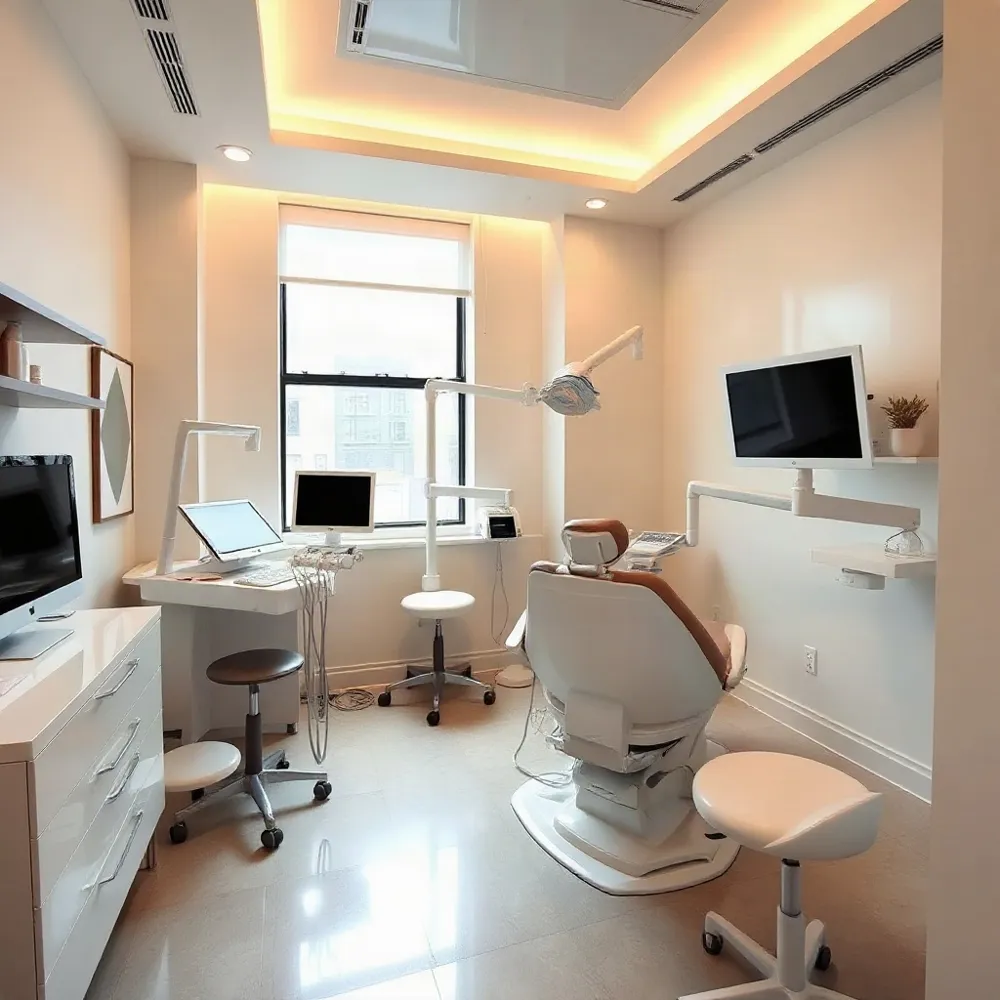
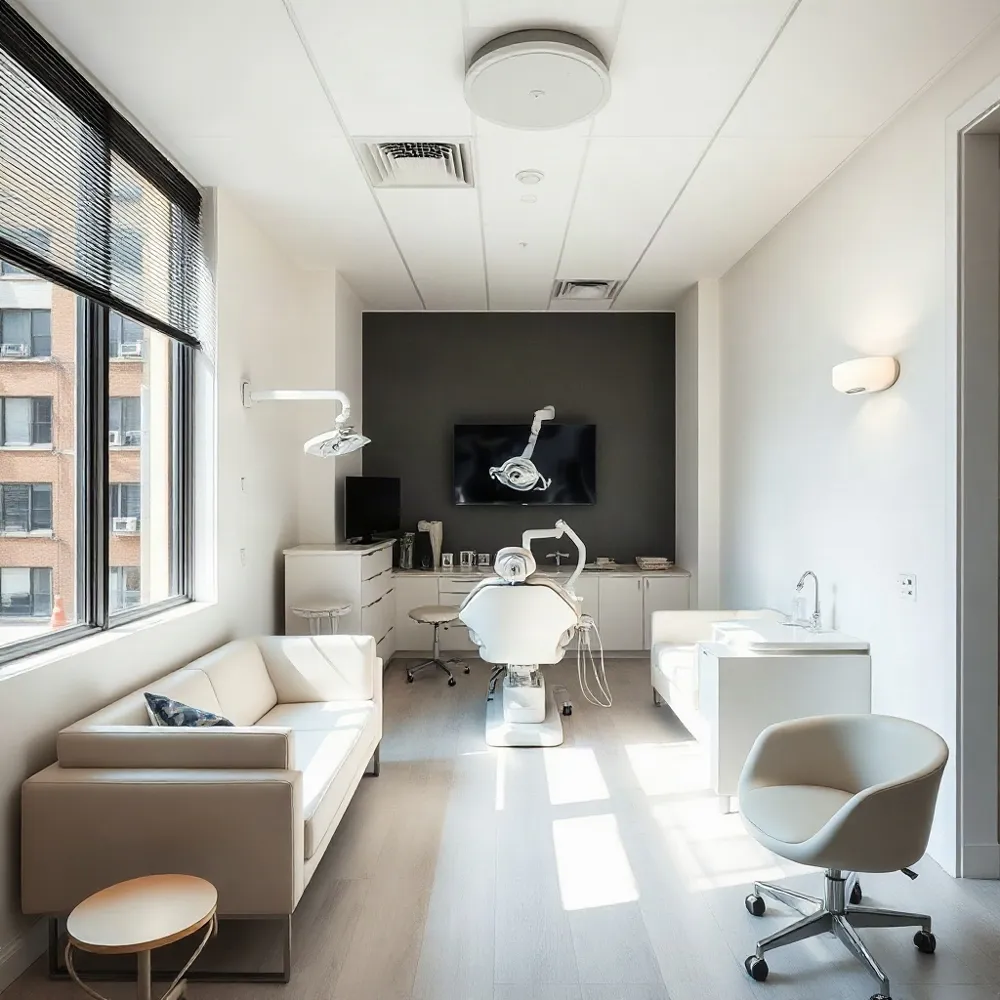
At Empower Your Smile, cosmetic dentistry involves more than aesthetic improvements. It combines advanced technology and patient-centered care to address both function and form. When considering brightness, it is important to distinguish between surface stains and the internal tooth structure.
Professional teeth whitening is a medically supervised procedure that uses controlled concentrations of hydrogen peroxide or carbamide peroxide to break down deep-set chromogens within the dentin layer. Unlike over-the-counter options, which may use improper concentrations or one-size-fits-all delivery systems, supervised care ensures safety for the enamel and surrounding gum tissues.
While whitening toothpastes rely on mild abrasives to scrub away external pigments, they do not chemically alter the tooth's base shade [as Health Cleveland Clinic notes]. Because frequent use of store-bought products can inadvertently lead to sensitivity or enamel erosion, professional oversight at Empower Your Smile helps tailor the intensity of the treatment to your unique dental needs, ensuring that your smile remains healthy while achieving the desired luminosity.
The Safety of Whitening Agents on Tooth Enamel
Professional teeth whitening is considered safe for your enamel when performed under the supervision of a dental professional who follows established protocols. The bleaching process works by penetrating the enamel to reach the dentin, where it breaks down stain-causing compounds known as chromogens without compromising the structural integrity of your teeth.
The active ingredient in most professional whitening solutions is hydrogen peroxide or carbamide peroxide. Unlike abrasive home remedies that mechanically wear away surface layers, these chemical agents safely oxidize internal stains. While the treatment is safe, it is common to experience temporary tooth sensitivity or mild gum irritation, both of which typically subside shortly after the procedure.
It is important to note that aggressive or improper use of whitening agents can potentially lead to enamel microstructural changes, which is why professional guidance is essential to ensure safety. Experts note that prolonged or frequent whitening without professional oversight can increase permeability and cause enamel thinning. By choosing a dental practice like Empower Your Smile, you receive a personalized treatment plan that prioritizes the health of your enamel while achieving your desired aesthetic results.
Addressing Common Myths About Whitening Toothpastes and Home Remedies
Many patients seeking a brighter smile look to store-bought solutions, yet it is essential to distinguish between surface polishing and actual chemical lightening. Whitening toothpastes typically rely on mild abrasives like baking soda or pumice to scrub away extrinsic surface stains. While these products may improve the appearance of minor discoloration, they do not alter the internal color of the tooth enamel, unlike the professional-grade bleaching agents used in professional teeth whitening services at Empower Your Smile.
Common DIY home remedies, such as activated charcoal, lemon juice, or vinegar, pose significant risks to long-term oral health. These substances lack clinical evidence for effectiveness and often act as harsh abrasives or acids. Over time, frequent use of these ingredients can lead to permanent enamel erosion, causing teeth to appear translucent as the inner dentin layer becomes exposed. Research published by the PMC emphasizes that such aggressive methods can increase susceptibility to demineralization.
Choosing safe, evidence-based methods is paramount for protecting your dental structure. While whitening toothpastes are safe for occasional use as a maintenance tool, they lack the concentration required to lift deep-set stains. At Empower Your Smile, our practitioners evaluate your enamel health before recommending any treatment to ensure that your cosmetic goals do not compromise the structural integrity of your teeth. Unlike the one-size-fits-all approach of abrasive home remedies, our supervised care provides controlled results tailored to your specific dental needs.
Targeting Yellow Stains with Professional Procedures
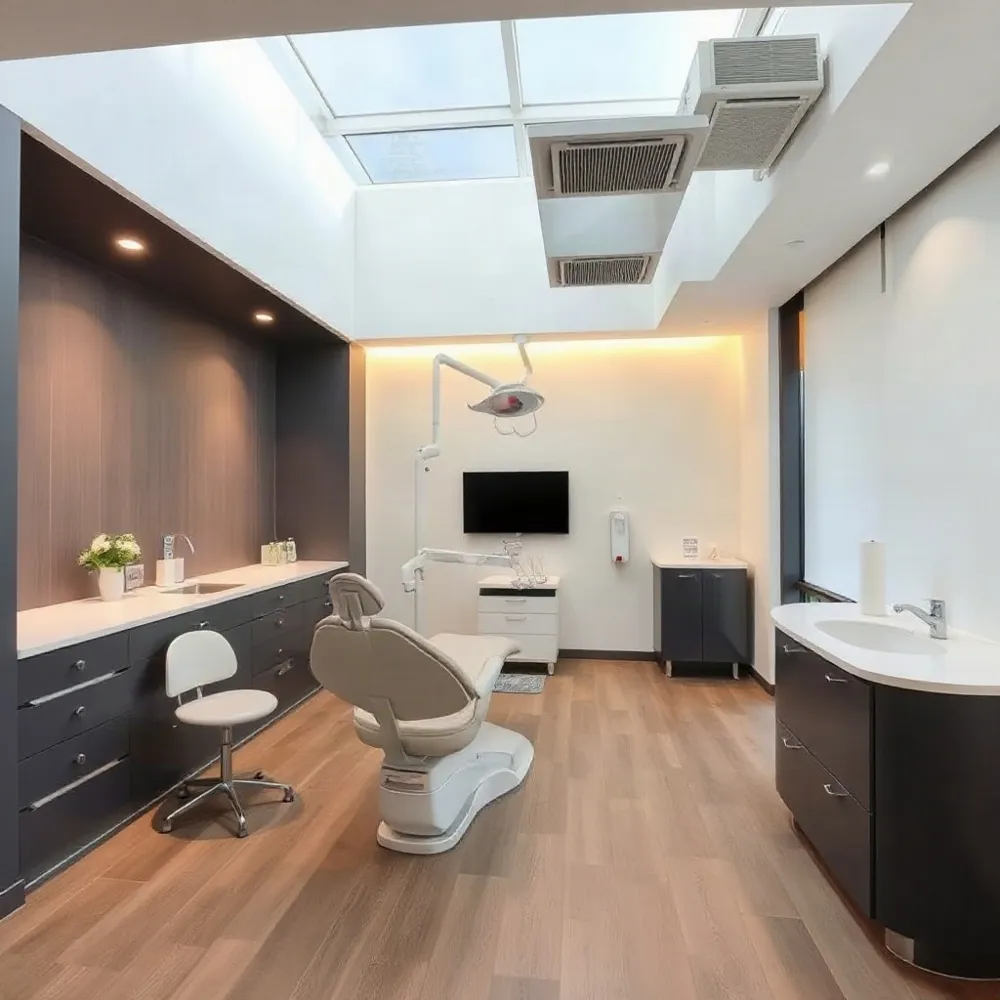 Professional teeth whitening is highly effective at lifting yellow extrinsic stains caused by daily consumption of coffee, tea, red wine, or tobacco. By using higher concentrations of bleaching agents compared to over-the-counter options, professional teeth whitening works by breaking down dark-colored chromogens within the enamel. These treatments offer a safe, consistent way to brighten your smile several shades lighter in a single visit or through supervised take-home kits.
Does professional teeth whitening effectively remove yellow stains?
While professional procedures excel at removing surface-level discoloration, they are not a universal solution for all types of tooth darkening. Tooth whitening is primarily designed for natural enamel. If your teeth have internal or intrinsic stains resulting from genetics, developmental disorders, or past trauma, the bleaching process may prove less effective. In such cases, restorative options like porcelain veneers or bonding are often better suited to achieve your desired aesthetic goals.
It is important to remember that whitening agents only affect natural tooth structure. Materials such as dental crowns, veneers, and composite fillings will not change color during treatment. Because these restorations remain their original shade, they may stand out if your surrounding natural teeth become significantly brighter. For individuals with extensive dental work, professional teeth whitening requires careful planning to ensure the final result remains uniform. Always schedule a consultation to determine if whitening is appropriate for your specific dental profile before beginning any cosmetic regimen.
Managing Sensitivity and Potential Side Effects
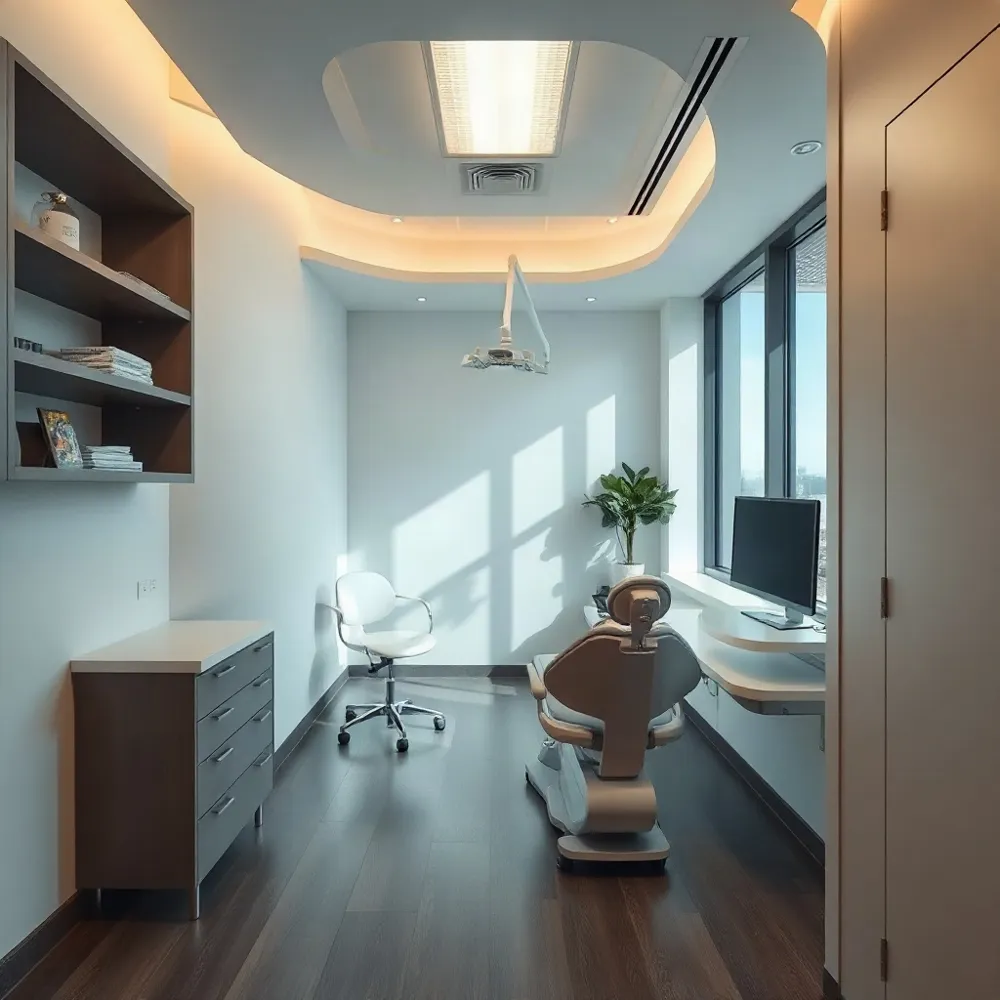 Professional teeth whitening is a widely recognized cosmetic procedure that remains safe when overseen by clinical experts, though it is common for patients to wonder, What are the potential side effects of professional teeth whitening, such as sensitivity or gum irritation? While the process uses hydrogen peroxide to reach deep stains within the dentin, the associated discomfort is typically temporary. The American Dental Association notes that improper or excessive use of whitening agents can heighten sensitivity, which is why supervised care at Empower Your Smile is vital. Our team tailors the concentration of bleaching agents to your specific enamel profile, significantly reducing the risks of irritation often seen with one-size-fits-all, over-the-counter kits.
Most sensitivity arises because peroxide can temporarily increase enamel permeability, exposing the underlying nerve-rich dentin to thermal stimuli. According to research published in PMC, these sensations are transient, typically fading within 24 to 48 hours as the tooth structure naturally remineralizes. Unlike store-bought strips that may lead to persistent gum irritation, our practice uses protective barriers to shield soft tissues throughout the session. We also recommend desensitizing toothpaste containing potassium nitrate to prepare your teeth before your visit, a step that helps keep comfort levels manageable.
Expert consultation at Cleveland Clinic confirms that while these side effects are normal, they are not signs of long-term damage or enamel erosion. If you experience lingering pain or heightened sensitivity, it often signals an underlying dental issue, such as an undiagnosed cavity or minor crack, rather than the whitening treatment itself. By conducting a pre-treatment examination, we ensure your oral health is ready for brightening, allowing you to achieve a radiant smile without the guesswork associated with amateur or DIY methods.
Post-Treatment Care for Sensitivity Management
It is common to experience temporary tooth sensitivity following a professional whitening treatment, which typically subsides within 24 to 48 hours per [Trinity Dental Cares]. To manage this discomfort, avoid extremely hot, cold, or acidic foods and drinks for the first 48 hours, opting for room-temperature options instead as noted by [Elite Dental Brookfield]. At Empower Your Smile, we prioritize patient comfort by providing custom-fitted trays that minimize the risk of bleaching agents contacting soft tissues, a common flaw in generic over-the-counter whitening strips.
How should sensitivity or discomfort be managed following a professional whitening treatment?
You should continue using a desensitizing toothpaste containing potassium nitrate, which helps block pain signals by protecting the exposed dentin layers according to [Sutton Periodontal & Dental Associates]. Applying a professional desensitizing gel can provide further relief during this recovery period. If discomfort persists beyond three days, or if you experience sharp, lingering pain that disrupts your sleep, it is vital to contact your dentist as advised by [Elite Dental Brookfield]. Such symptoms may indicate underlying issues like small cracks, worn enamel, or undiagnosed cavities that require professional evaluation per [PMC research].
- Stick to room-temperature water and soft-bristled toothbrushes for 48 hours post-treatment.
- Avoid dark-pigmented foods and beverages like coffee, tea, and red wine to prevent new stains from settling into porous enamel.
- Use desensitizing agents consistently to calm nerve responsiveness caused by peroxide penetration as reported by [Cleveland Clinic].
Assessing Patients with Existing Enamel Concerns
Before starting any cosmetic brightening, a professional dental examination is essential. This consultation allows practitioners to identify contraindications such as untreated tooth decay, active gum disease, or significant enamel wear that could cause complications when exposed to bleaching agents per [Cleveland Clinic].
Can individuals with existing enamel damage safely undergo teeth whitening?
Whether you can safely undergo teeth whitening with existing enamel damage depends on the severity of the wear and should always be determined by a dental professional. While whitening agents do not inherently damage the structural integrity of teeth, they can trigger significant, albeit temporary, sensitivity if your enamel is already thin or compromised. Because damaged enamel exposes the inner layers of the tooth, whitening treatments may cause discomfort or irritation to your nerves and gums per [PubMed]. In cases of significant thinning or severe damage, your dentist might advise against bleaching and instead recommend restorative options like veneers or crowns to achieve your desired aesthetic safely. We strongly recommend scheduling a consultation at our Tribeca office so we can assess your enamel health and create a personalized plan that prioritizes your comfort and dental integrity.
Patients with thin enamel or exposed roots should be particularly cautious. Excessive or frequent use of whitening products can lead to further thinning and translucent-looking teeth, often inadvertently revealing the naturally yellow dentin underneath per the [American Dental Association]. Unlike the standardized approach of over-the-counter kits, our team at Empower Your Smile tailors whitening strategies to account for individual anatomy, ensuring that we only proceed when the patient's oral health is stable.
Longevity and Maintaining Your Brighter Smile
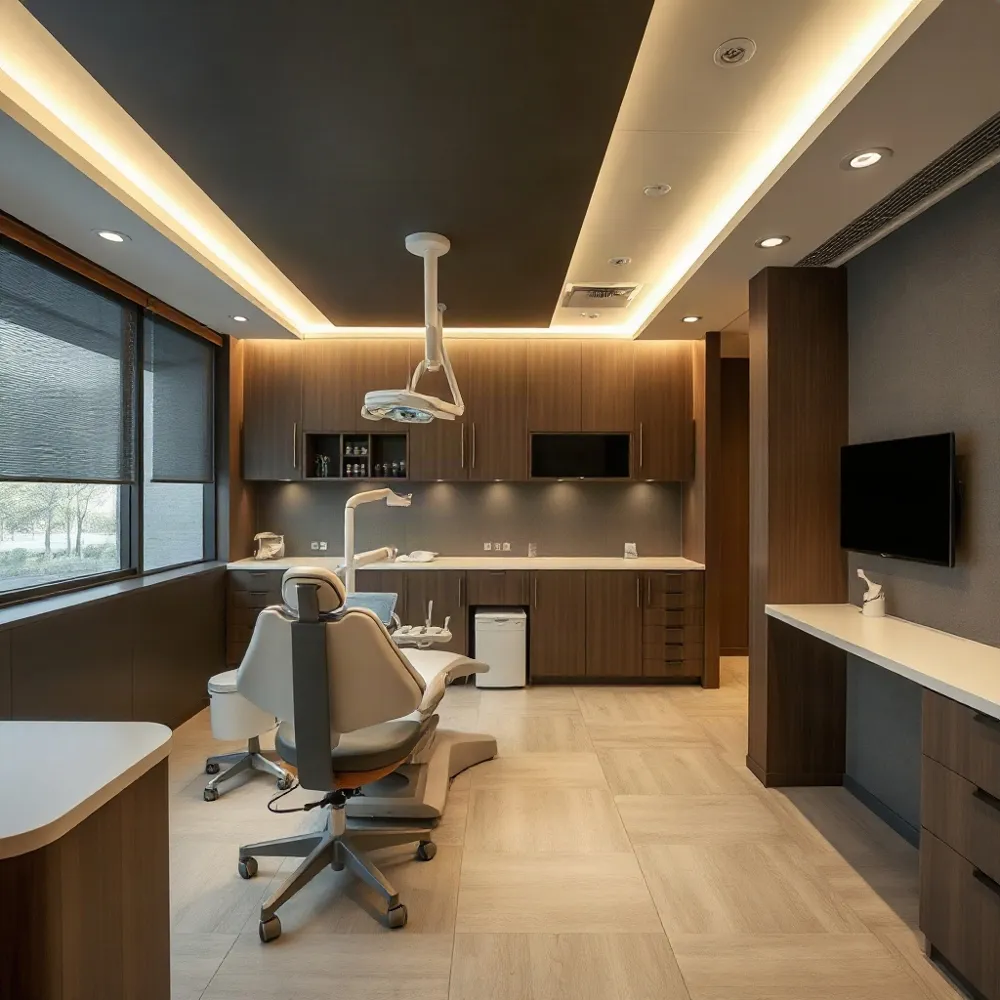 Professional teeth whitening is a cosmetic enhancement rather than a permanent change to your enamel. Most patients see their brighter smile persist for approximately one year, though results can range from six months to three years depending on personal habits per PMC research.
How long do the results of professional teeth whitening typically last?
Longevity is dictated by how you manage daily staining factors. Pigmented substances like coffee, tea, red wine, and tobacco accelerate the return of discoloration by settling into the pores of your teeth. At Empower Your Smile, we emphasize that while in-office whitening provides the fastest initial lift, extending those results requires a proactive approach.
- Drink staining beverages through a straw to reduce contact with tooth surfaces.
- Rinse your mouth with water immediately after consuming acidic or pigmented foods.
- Schedule professional cleanings regularly to remove new surface buildup before it sets.
- Utilize custom take-home maintenance kits to perform gentle monthly touch-ups.
Unlike over-the-counter options, which can lead to enamel damage if used too frequently per the ADA, our supervised maintenance plans ensure you brighten your smile safely. By pairing professional guidance with consistent hygiene, you keep your results vibrant for much longer than standard treatments allow.
A Trusted Approach to Cosmetic Brightening
Achieving a radiant smile safely requires more than just an over-the-counter kit. Professional oversight ensures that your whitening plan is tailored to your unique enamel thickness and oral health status, preventing the common risks of gum irritation or uneven results often associated with frequent, unmonitored use of store-bought products. Unlike generic strips that can cause transient sensitivity, a dentist-led approach utilizes precise, controlled concentrations of bleaching agents to deliver effective outcomes while protecting your long-term dental integrity.
At Empower Your Smile, we prioritize patient-centered care by combining advanced technology with a deep commitment to safety. Our team conducts a comprehensive examination to rule out contraindications like decay or gum disease before any brightening begins, ensuring your treatment is as comfortable as it is effective. We believe that cosmetic enhancements should complement your overall oral health rather than compromise it.
If you are considering a brighter smile, we invite you to schedule a consultation at our practice. We look forward to helping you reach your aesthetic goals with a plan designed specifically for your needs.