A Lifetime of Healthy Smiles
A healthy smile over time depends on more than occasional dental visits. Daily brushing and cleaning between teeth help control plaque, while regular exams give a dental professional a chance to spot concerns early. The American Dental Association’s home-care guidance stresses that prevention should reflect each person’s needs and risk.
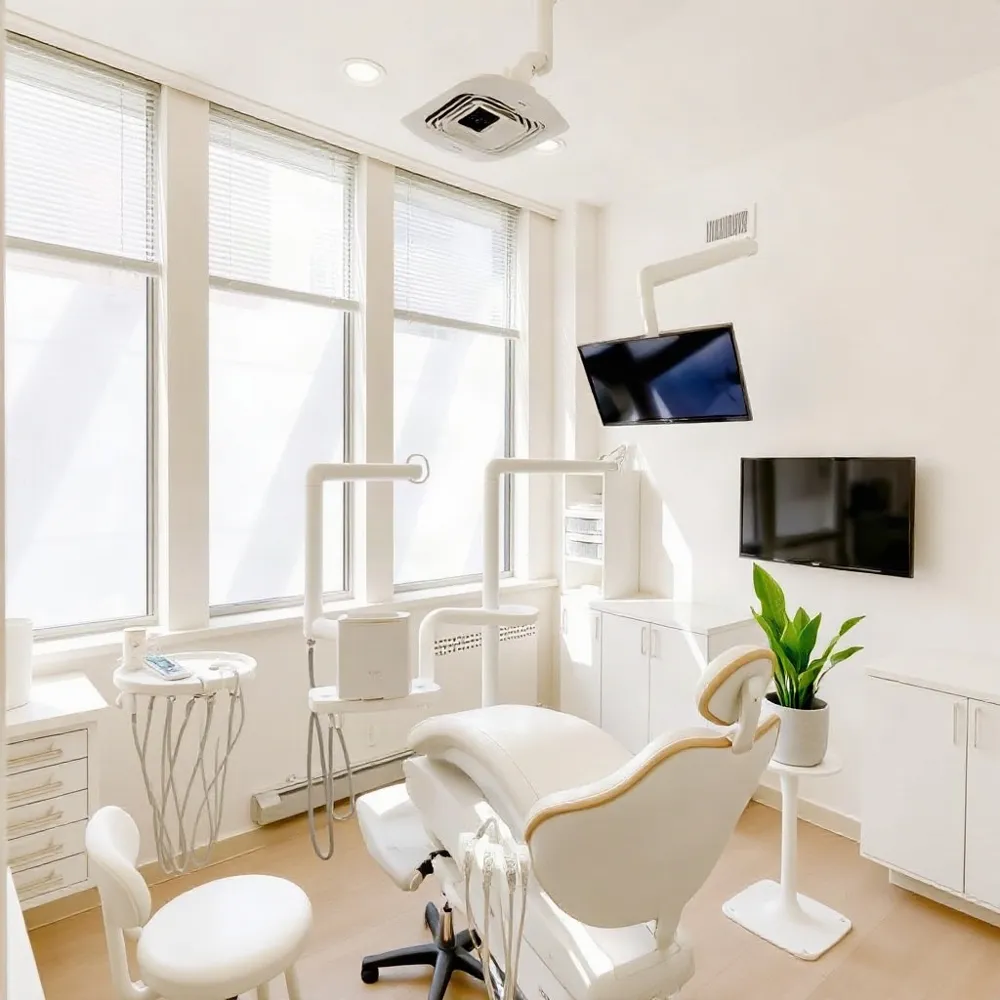
At Empower Your Smile, a Tribeca practice offering general and cosmetic dentistry, patients can receive routine care alongside a broader range of services under one roof. Pairing practical home habits with personalized professional attention can help protect teeth and gums, and make it easier to address changes before they become more serious.
Build a Daily Care Routine
 Dental-care mnemonics can be memorable, but they are not official, interchangeable guidelines. The commonly cited 2-2-2 rule means brushing twice a day for two minutes and visiting the dentist twice a year. Versions of 3-3-3 may suggest brushing three times a day for three minutes and going to the dentist every three months. The ADA’s home-care guidance recommends brushing twice daily for two minutes, while visit timing should reflect your individual needs and your dentist’s advice.
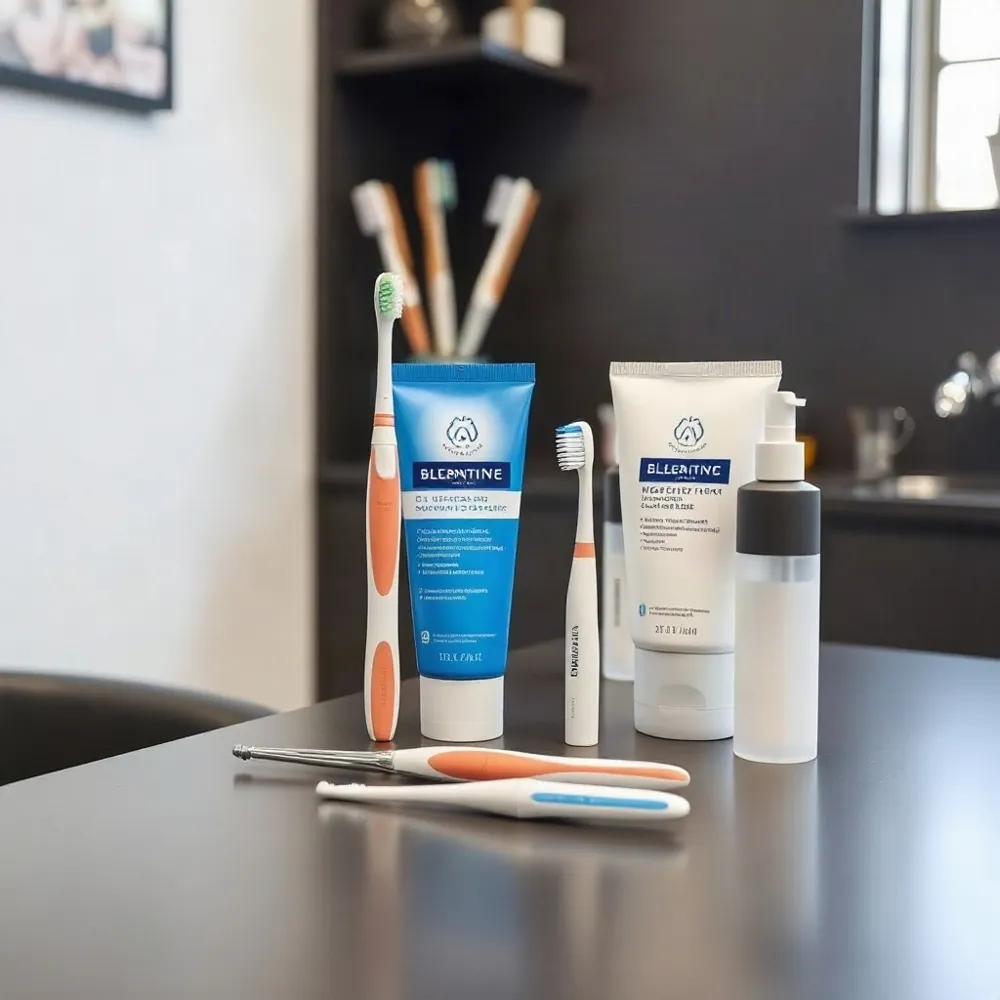
Use fluoride toothpaste and a soft-bristled manual or powered toothbrush. Angle the bristles toward the gumline and clean the outer, inner and chewing surfaces with gentle, short strokes. Replace the brush or head every three to four months, or sooner if the bristles are frayed. At Empower Your Smile, a Tribeca practice offering general and cosmetic dentistry, personalized care can help patients get guidance suited to their oral health needs.
Clean between your teeth thoroughly once a day, either before or after brushing. Floss often works well for tight spaces, while an interdental brush may suit wider gaps or some dental work. Use gentle pressure, and ask a dentist or hygienist to recommend a comfortable tool and technique. Persistent pain or bleeding merits professional advice. The ADA’s flossing guidance describes the options and emphasizes choosing an approach you can use consistently.
Limit sugary snacks and drinks as part of your routine. Home care helps remove plaque, but professional cleanings remove hardened tartar that brushing cannot. At Empower Your Smile, routine cleanings and broader dental services are available in one patient-centered practice, complementing daily care rather than replacing it. A dentist can recommend how often you should return based on your needs.
Make Professional Visits Count
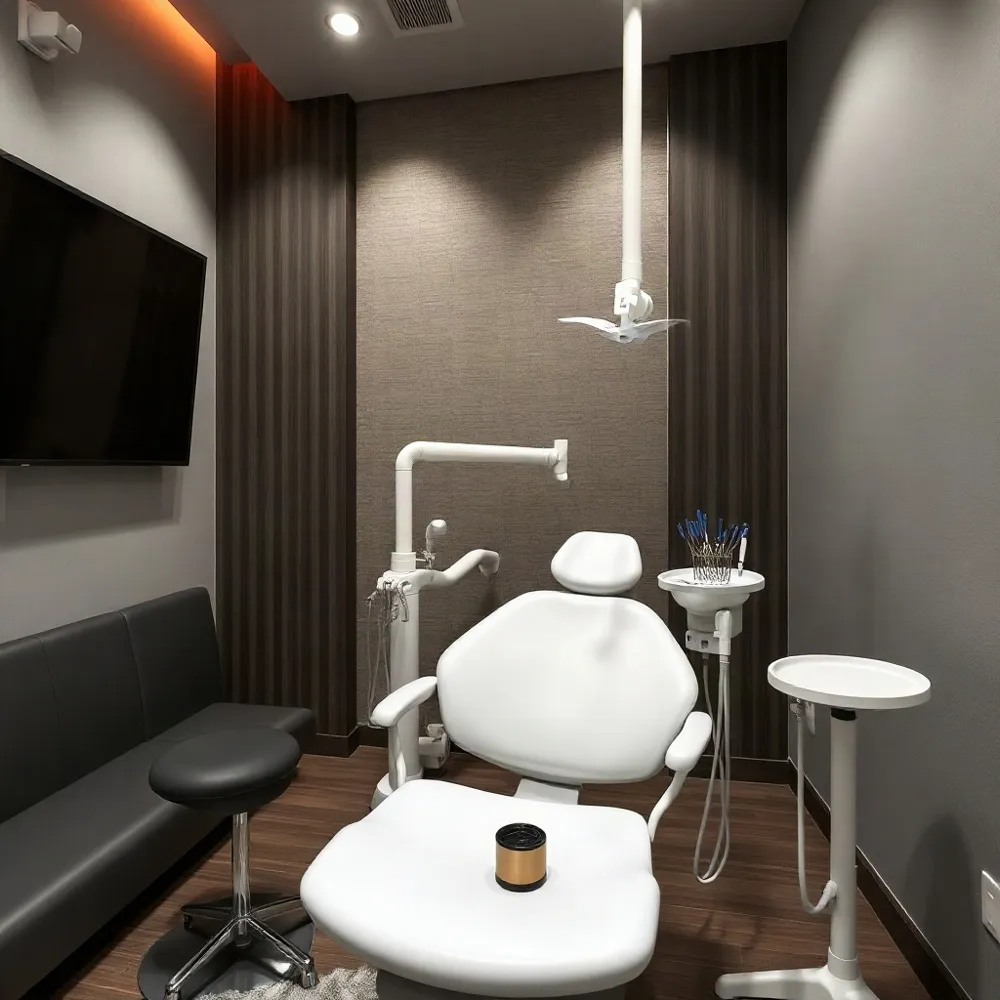 Many people benefit from a checkup and cleaning about every six months, but the right interval depends on gum health, cavity risk, dental work, and other health factors. Ask your dentist how often to return, and keep up daily care between visits. At Empower Your Smile, general dentistry and specialist services are available in one Tribeca practice, supporting coordinated care when needs change.
How often should you have a dental cleaning and checkup?
A checkup assesses your teeth, gums, and oral health; a cleaning removes plaque and hardened tartar. Offices often schedule them together, but they are distinct services and may take place separately. Gum disease or previous periodontal treatment may call for maintenance or a deeper cleaning. The dental cleaning process can include an examination, scaling with hand or ultrasonic instruments, and polishing. X-rays, fluoride, or sealants may be recommended when appropriate.
What happens during a professional dental cleaning?
Sensitivity, inflamed gums, tartar, exposed roots, anxiety, or muscle tension can make cleaning uncomfortable. Tell the team beforehand about concerns, and ask for a pause if needed. The hygienist may adjust the technique or work in shorter intervals; discuss numbing or sedation options if appropriate. Empower Your Smile offers comfort-focused care, including sedation dentistry, so patients can raise concerns with the dental team before treatment.
Why might a dental cleaning hurt, and what can make it more comfortable?
Do not wait for a routine appointment if you have tooth pain, swollen or bleeding gums, or loose teeth. Contact a dentist promptly for assessment and advice. Learn more about preventive dental care.
Recognize and Manage Gum Disease
 Gum disease can develop with little pain or few obvious symptoms at first, so a change in how your gums look or feel deserves attention. Warning signs include red, swollen, tender, or bleeding gums; persistent bad breath; receding gums; discomfort while chewing; and, in later stages, loose teeth. A dental professional can check gum health and determine whether further evaluation is needed.
What are the signs and common causes of gum disease?
Plaque, a sticky film of bacteria on teeth, is the leading cause. If it is not removed, it can harden into tartar, which brushing and flossing cannot remove and a dental professional must clean away. Plaque can also collect below the gumline, where home tools may not reach effectively. The CDC’s overview of gum disease explains how buildup can contribute to inflammation and damage around the teeth.
Smoking, diabetes, some medications, stress, hormonal changes, and other health or lifestyle factors can raise a person’s risk. At Empower Your Smile in Tribeca, a comprehensive dental practice offering general care and periodontics, an examination can help connect gum findings with a patient’s health history and guide next steps.
Can gum disease be reversed or its progression stopped?
Gingivitis is the earliest stage of gum disease. With professional cleaning and consistent brushing and interdental cleaning, it can usually be reversed before bone loss occurs. Periodontitis is more advanced: it can damage the tissues and bone that support teeth. Lost bone generally cannot be fully restored, but professional treatment and ongoing home care can control infection and slow further damage.
Home care matters, but it cannot reliably treat established gum disease, remove tartar below the gumline, or reverse bone loss. Brush gently twice a day and clean between teeth daily, then seek an evaluation for bleeding, swollen or receding gums, persistent bad breath, or loose teeth. The Cleveland Clinic’s guide to periodontal disease describes why assessment and care depend on the disease’s stage.
How is periodontal disease treated?
Treatment depends on how far the disease has progressed. Early gingivitis may respond to a professional cleaning and better daily plaque control. For deeper pockets, a dentist or periodontist may recommend scaling and root planing, which cleans beneath the gums and smooths tooth roots; local anesthetic may be used. Medication or periodontal procedures may be considered in selected or more advanced cases, followed by maintenance visits.
Ongoing care helps keep the condition controlled after treatment. Empower Your Smile provides periodontal services alongside general dentistry, allowing patients to discuss gum treatment and follow-up within a practice that also offers routine dental care.
Connect Oral Health With Overall Health
Gum disease itself is not usually considered contagious, although bacteria associated with it may pass between people through saliva. Exposure alone does not mean someone will develop the disease. Plaque control, daily oral care, smoking, diabetes and other factors also affect risk.
Gum disease is inflammation of the gums and the tissues and bone that support the teeth. If periodontitis goes untreated, it can damage that support and eventually lead to tooth loss. The CDC’s overview of periodontal disease explains how the condition can progress and why professional assessment matters.
Research has linked gum disease with health conditions such as diabetes and heart disease, but these associations do not prove that gum disease causes either condition. Diabetes can also affect gum health, so tell your dental team about relevant diagnoses and medications, and ask what care fits your needs. At Empower Your Smile, a Tribeca practice offering general dentistry and periodontics, patients can discuss oral health with a team that provides a range of services under one roof. The relationship between oral hygiene and overall health is one reason personalized guidance matters.
Keep Prevention Personal
Healthy teeth and gums are supported by a routine that combines daily care with professional guidance. Brush with fluoride toothpaste, clean between teeth, and contact a dentist if you notice persistent pain, bleeding, or other changes. The right routine can shift as your health and dental needs change.
At Empower Your Smile, care brings general and cosmetic dentistry together in a patient-centered Tribeca practice, with specialists and services that include periodontics and sedation dentistry. Ask your dental team to shape a plan around your oral health, preferences, and comfort, including which cleaning tools suit you and when to return. The American Dental Association’s home-care guidance also emphasizes that prevention should be tailored to individual needs and disease risk.