Introduction to Invisalign's Subtle Advantages
Overview of Invisalign's Popularity and General Benefits
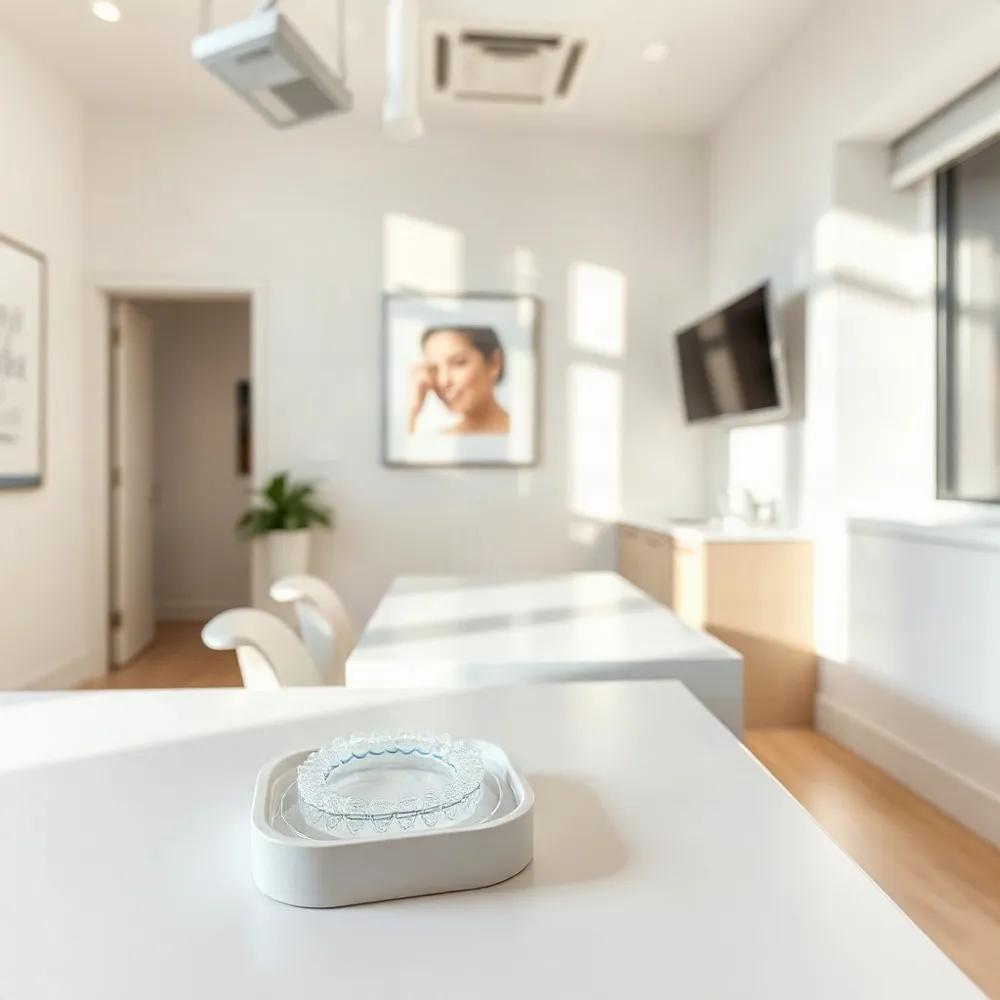
Invisalign has become the #1 doctor-recommended clear aligner system in the United States, trusted by millions worldwide. Its nearly invisible, removable aligners provide a modern alternative to traditional braces, combining effective teeth straightening with enhanced comfort and convenience. Patients benefit from fewer office visits, less pain, and improved oral hygiene throughout treatment.
Importance of Understanding Unique Advantages Patients May Overlook
Beyond its well-known traits, Invisalign offers subtle but impactful advantages that often get overlooked. These include the use of advanced 3D imaging for precise treatment planning, the ability to eat without restrictions, and fewer emergency orthodontic visits. Recognizing these benefits can help patients make informed choices tailored to their lifestyle and dental needs.
Preview of Key Insights to Be Discussed
This section will explore how Invisalign’s removability supports better oral health, the role of digital technology in treatment predictability, shorter treatment durations for teens and adults, and the confidence boost patients experience from discreet alignment. Understanding these factors emphasizes why Invisalign stands out as a preferred choice for many.
What Makes Invisalign Distinctively Comfortable and Convenient?
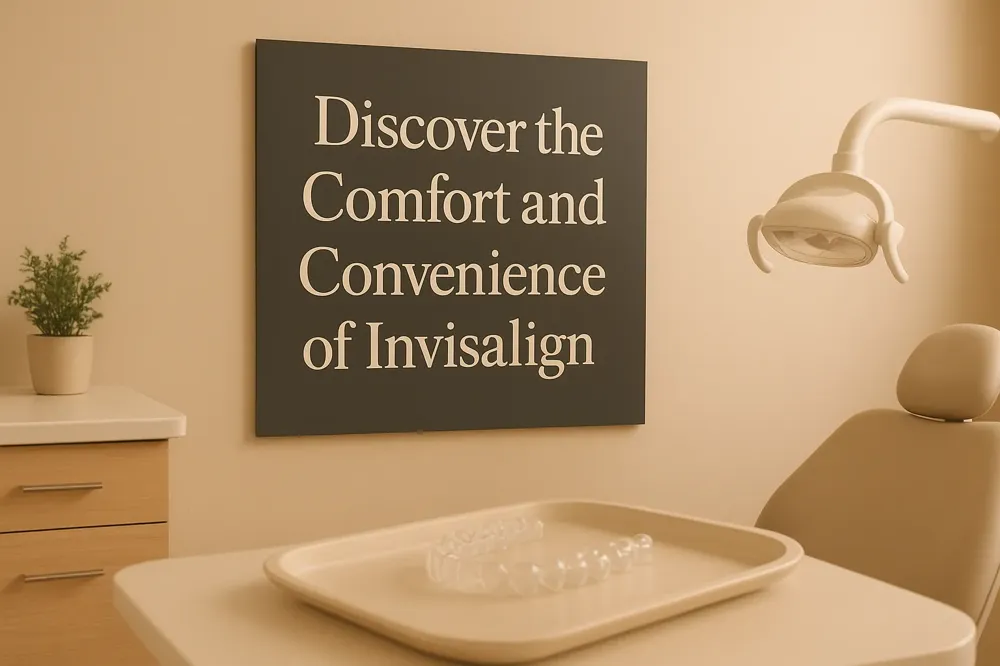
Material and design benefits of Invisalign aligners
Invisalign aligners are crafted from SmartTrack®, a smooth, BPA-free plastic that is FDA-approved for biocompatibility. This material ensures a comfortable fit that minimizes irritation often associated with metal braces. The clear, nearly invisible design also provides an aesthetic advantage, appealing to patients concerned about appearance during treatment.
Removability and its impact on eating and oral hygiene
One of the most significant conveniences of Invisalign is its removability. Patients can easily take out the aligners to enjoy all their favorite foods without restriction, including those typically off-limits with braces, like popcorn and caramel. This feature also allows for normal brushing and flossing routines, helping to reduce plaque buildup and maintain excellent oral hygiene throughout treatment.
Comparison of treatment duration and visits to orthodontists versus traditional braces
Invisalign typically offers shorter treatment times, averaging from 3 to 20 months depending on case complexity. Most patients experience faster results compared to traditional braces, especially teens and adults, who can see new smiles in about 6 to 12 months. Additionally, Invisalign requires fewer orthodontic visits—usually every 6 to 8 weeks—with some appointments conducted virtually, offering flexibility for busy lifestyles. Traditional braces tend to require more frequent adjustments and longer treatment durations ranging from 18 to 36 months.
What should patients know about Invisalign treatment?
With over 20 million users worldwide, Invisalign stands out as a popular, discreet, and comfortable orthodontic solution. The aligners must be worn 20 to 22 hours daily for the best results. They effectively address various issues such as crooked teeth, gaps, and bite problems. Costs generally range from $3,000 to $5,000, and many insurance plans help reduce out-of-pocket expenses. Professional assessment is essential to ensure Invisalign is the appropriate choice for each individual's dental needs.
The Oral Health Advantages That Often Go Unnoticed
How Invisalign aligners supports oral hygiene compared to braces
Invisalign aligners are removable, making it easier for patients to maintain excellent oral hygiene throughout their treatment. Unlike traditional braces, which have brackets and wires that trap food and plaque, Invisalign allows for normal brushing and flossing routines. Patients can remove their aligners to brush and floss as usual, which reduces the risk of plaque buildup and cavities commonly associated with fixed braces.
Effects on gum health and plaque reduction
Properly aligned teeth with Invisalign contribute to improved gum health by helping the gums fit more securely around the teeth. This reduces inflammation and lowers the chance of periodontal disease. Since Invisalign encourages better cleaning practices, it minimizes plaque accumulation that often leads to gum disease and tooth decay. These oral health benefits support long-term dental wellness beyond just creating a straighter smile.
Importance of diligent cleaning routines during treatment
To maximize Invisalign’s oral health benefits, patients must adhere to a strict cleaning regimen. This includes brushing teeth thoroughly before reinserting aligners and cleaning the aligners themselves regularly with a soft toothbrush. Avoiding staining foods and drinks like coffee, red wine, and dark sauces prevents discoloration of the aligners and attachments. Wearing aligners approximately 20 to 22 hours daily and changing to new sets every one to two weeks ensures the treatment stays on track without compromising oral hygiene.
By embracing these habits, Invisalign patients can achieve effective orthodontic results while preserving the health of their teeth and gums, making Invisalign a discreet and beneficial choice for both smile aesthetics and oral wellness.
Who Is the Ideal Candidate and When Might Braces Be Preferable?
Am I a good candidate for Invisalign?
If you have mild to moderate orthodontic concerns like teeth crowding, gaps, or minor bite issues, Invisalign clear removable aligners may be a suitable option. Candidates should have generally healthy teeth and gums without active gum disease or untreated cavities. The system works well for teens and adults who desire a Discreet alternative to traditional braces and are committed to wearing the aligners for 20-22 hours daily. Having all adult teeth is typically required, along with a willingness to maintain Maintaining oral hygiene with Invisalign throughout treatment. However, patients with severe bite problems, significant jaw issues, or complex tooth movements might not benefit fully from Invisalign and should seek professional evaluation.
What are common reasons orthodontists might prefer braces over Invisalign?
Orthodontists often choose Traditional braces metal brackets when faced with complex cases that require more precise or extensive adjustments, such as severe misalignment, significant bite problems, or jaw correction. Braces provide continuous pressure and can manage tooth movements that are challenging for removable aligners. Additionally, some practitioners favor braces due to their extensive experience and proven long-term success. Patient factors such as age, compliance, and oral hygiene habits also influence this decision; younger patients or those less likely to wear Invisalign aligners consistently generally fare better with braces. When detailed, controlled tooth movement is necessary, fixed appliances give orthodontists enhanced control, making braces the preferred treatment.
| Criteria for Invisalign | When Braces Are Better | Notes |
|---|---|---|
| Mild to moderate misalignment | Severe malocclusion or bite issues | effectiveness of Invisalign for mild to moderate cases |
| Healthy gums and teeth | Cases needing jaw correction | Braces provide stronger force application |
| Compliance with daily wear | Younger or less compliant patients | Braces don't require removable compliance |
| Desire for discreet clear plastic | Need for precise tooth movement | Braces allow finer adjustments |
| Commitment to Oral hygiene with Invisalign | Complex or extensive treatment | Braces suitable for challenging cases |
Affordability and Insurance: Making Invisalign Accessible
Typical Invisalign costs and comparison to braces
Invisalign treatment duration typically costs between $3,000 and $7,000 in the United States, which is comparable to Traditional braces average cost that usually range from $2,500 to $6,000. Although Invisalign clear aligners may sometimes be slightly more expensive due to its advanced technology and customization, many patients find the cost justified by the benefits of comfort, convenience, and aesthetics.
Insurance coverage details and limitations
Many Dental insurance coverage for Invisalign plans include orthodontic benefits that help cover Invisalign treatment, with coverage often ranging from 25% to 50% of the total cost, subject to lifetime maximums usually between $1,000 and $3,000. However, coverage can vary widely depending on the provider and specific policy. For example, Medi-Cal in California typically only covers orthodontic treatments for patients under 21 when medically necessary. Patients are advised to verify pre-approval requirements, deductibles, and age restrictions before commencing treatment to optimize their financial benefits.
Financial options and programs such as Invisalign Advantage
Invisalign offers the Invisalign Advantage Program, which provides flexible and customizable treatment plans. It includes options such as 3-year and 5-year packages that allow patients to obtain additional aligners if needed. This program incorporates SmartTrack® transparent plastic aligners and SmartStage™ technology to ensure comfortable, efficient, and predictable results, sometimes completing treatment in as little as six months for mild cases. Besides insurance, patients can utilize financing options, payment plans, and tax-advantaged accounts like FSAs or HSAs to make treatment more affordable and convenient.
What Patients Rarely Hear: The Hidden Truths About Invisalign

What does no one tell you about Invisalign?
Many patients are surprised to learn that Invisalign clear aligners demands a strong commitment to wearing the aligners for about 20-22 hours every day. Despite being discreet and removable, the treatment's success is highly dependent on consistent wear. Missing the recommended daily wear time can slow progress and affect results.
After completing Invisalign treatment, wearing retainers for life is crucial to maintain the newly aligned teeth. Without lifelong retainer use, teeth can easily shift back to their original positions, sometimes within just a few months. This essential aftercare step is often overlooked by patients, but it is key to preserving the investment in a beautiful smile.
Consulting with a skilled orthodontist ensures personalized guidance throughout your Unique Benefits of Invisalign at Heinz Orthodontics and proper support for long-term maintenance.
What are the disadvantages of Invisalign?
While Advantages of Invisalign offer many advantages, there are some downsides to consider:
- Strict compliance needed: Not wearing aligners as prescribed can reduce treatment effectiveness and increase duration.
- Not suitable for all cases: Complex orthodontic issues may require traditional braces for better results.
- Cost considerations: Invisalign treatment can be more expensive than braces, typically ranging from $3,500 to $8,000, and insurance coverage might be limited.
- Speech and visibility: Some patients experience a mild initial lisp. Additionally, small tooth-colored attachments used to aid movement can be visible.
Understanding these challenges upfront helps set realistic expectations and encourages better adherence to the treatment plan.
How Invisalign Elevates Confidence and Lifestyle with Discreet Appeal
Can people notice if someone is wearing Invisalign?
Invisalign aligners are nearly invisible. For many people, the aligners go unnoticed during regular conversation because they are clear and fit snugly over the teeth. However, those who look closely might detect the aligners, especially if small attachments are placed on the front teeth to assist with tooth movement. Overall, Discreet alternative to traditional braces.
Why do some people choose Invisalign over braces?
Many patients prefer Invisalign due to its superior comfort and aesthetic advantages. Unlike traditional braces, Invisalign aligners, custom-fitted aligners, and discreet clear plastic are made from smooth plastic without metal brackets or wires, reducing irritation to cheeks and gums. The Removable Invisalign aligners mean patients can eat freely and maintain oral hygiene easily by brushing and flossing normally, which lowers the risk of plaque buildup and dental issues.
Impact on self-esteem and social situations
Wearing Invisalign can significantly boost confidence with Invisalign. Since the aligners are nearly invisible, they don't draw unwanted attention, helping individuals feel less self-conscious about their appearance during treatment. This subtlety is especially valued by adults and teens who want to maintain a natural look in professional, social, and everyday situations.
Benefits for active lifestyles and sports
Invisalign Suitable for Active Individuals. The aligners are removable for sports and physical activities, reducing the risk of injury that traditional braces might cause if a metal bracket or wire is impacted. This flexibility allows athletes and outdoor enthusiasts to participate fully in their activities without interruption or discomfort.
Comparison of day-to-day comfort versus traditional braces
Compared to braces, Comfortable Plastic Aligners vs Metal Braces. The aligners are made from soft, BPA-free plastic that won’t irritate the mouth's soft tissues. Patients experience fewer emergency visits since there are no wires to break or brackets to loosen. The smooth design fits seamlessly into daily life without causing soreness or speech difficulties common with traditional braces.
| Feature | Invisalign | Traditional Braces |
|---|---|---|
| Visibility | Nearly invisible, discreet | Visible metal brackets and wires |
| Comfort | Smooth plastic, less irritation | Metal wires may irritate gums and cheeks |
| Removability | Removable for eating and cleaning | Fixed, require special tools to clean |
| Impact on Lifestyle | Minimal, can remove for sports and occasions | Restrictions on foods and activities |
| Oral Hygiene Maintenance | Easier, brush and floss normally | More challenging, potential plaque buildup |
In summary, Personalized Care at Heinz Orthodontics enhances confidence and supports an active, comfortable lifestyle, making it an appealing choice for those seeking effective yet subtle orthodontic treatment.
Final Thoughts: Unlocking Invisalign’s Lesser-Known Advantages
Beyond the well-known benefits of Invisalign—such as discreet appearance and comfort—this treatment also offers several lesser-known advantages. The use of advanced 3D imaging ensures precision in aligning teeth, while the removable nature of aligners allows patients to maintain superior oral hygiene, reducing risks like plaque buildup and gum disease.
Additionally, Invisalign’s flexible treatment plans accommodate busy lifestyles, often requiring fewer office visits and allowing virtual check-ins. The aligners’ durability supports active lifestyles, and specialized options for children and teens highlight its versatility.
Consulting with professional orthodontic providers is crucial to tailor treatment plans according to individual needs and to ensure the best outcomes. Patients are empowered to make informed choices by exploring these comprehensive benefits thoroughly.
Ultimately, Invisalign enables not just a straighter smile but enhanced confidence and long-term oral health, making it a compelling option beyond traditional braces.