
Orthodontic Choices for Today’s Adults
More adults than ever are choosing to straighten their teeth, but the decision often stalls on one question: clear aligners or fixed braces? The choice goes beyond appearance and touches on daily habits, professional demands, and the complexity of the correction needed.
Clear aligners. Systems such as Invisalign use custom-made, medical-grade plastic trays that are worn 20 to 22 hours a day and changed every one to two weeks. They are nearly invisible, removable for meals and cleaning, and typically best suited for mild to moderate crowding, gaps, and some bite issues.
Fixed braces. Traditional metal or ceramic brackets are bonded to the teeth and connected by wires that are adjusted periodically. Braces remain attached for the full treatment duration, which can range from 18 to 24 months, and are the standard choice for severe misalignment, complex rotations, and significant bite problems.
Your lifestyle and treatment goals will determine the better path. A practice like Empower Your Smile offers personalized evaluations to weigh these factors, helping adults in New York City choose between the discretion of Invisalign and the reliability of fixed braces.
Comparing Appearance and Confidence
 When you smile, talk, or present in a meeting, the visibility of your orthodontic treatment can shape how you feel about yourself. This is often the deciding factor for adults weighing their options.
Invisalign aligners are made of a clear, medical-grade plastic that fits snugly over your teeth, making them nearly invisible at conversational distance. This discretion is a major advantage for professionals who spend their days in client meetings, video conferences, or public speaking, where looking polished matters.
Ceramic braces offer a middle ground: their clear or tooth-colored brackets blend with your teeth, but the wire remains visible. Traditional metal braces are the most noticeable, though modern versions are smaller and more streamlined than in the past. For many adults, the mere thought of visible metal is enough to rule them out.
Invisalign. Clear, removable aligners that are virtually invisible, allowing you to straighten your teeth without anyone knowing.
Ceramic braces. Tooth-colored brackets that are less noticeable than metal, but the archwire is still visible, so they don't disappear in social settings.
Metal braces. The most visible option, with traditional brackets and wires that can make some adults feel self-conscious in professional or social situations.
Removable vs. Fixed Treatment
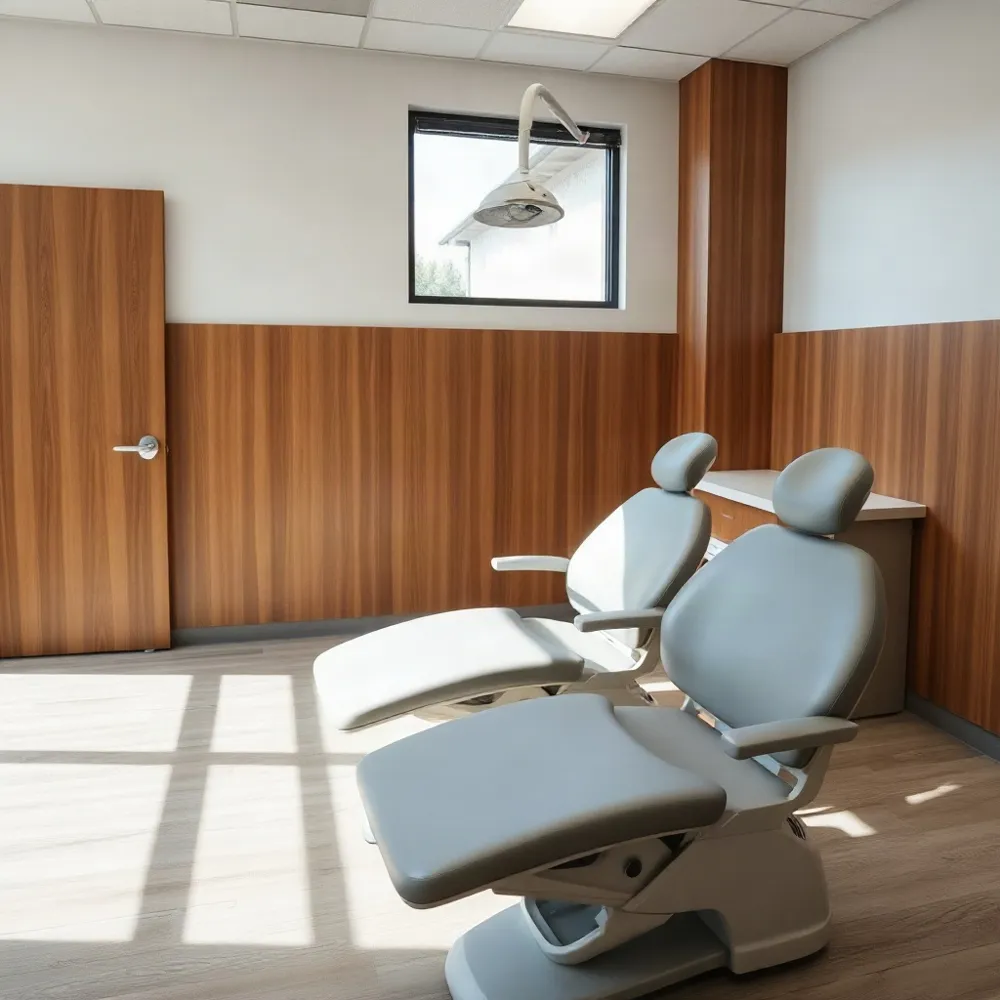 The biggest practical difference between Invisalign and traditional braces is whether the appliance comes out of your mouth. Invisalign aligners are removable, so you take them out to eat, drink, brush, and floss, then put them back in. That means no food restrictions and no special cleaning tools. Traditional braces, by contrast, are bonded to your teeth for the entire treatment. They work continuously, but they come with a list of foods to avoid, and you have to brush and floss around brackets and wires to prevent plaque buildup.
This trade-off comes down to lifestyle flexibility versus patient responsibility. With Invisalign, you get the freedom to remove the aligners for meals, important meetings, or photos, but you must wear them 20 to 22 hours a day for the treatment to stay on schedule. Braces remove that daily decision, since the hardware does the work around the clock, but you give up the ability to take a break from them. At Empower Your Smile, Dr. Moezinia and her team help adult patients weigh these trade-offs during a consultation, factoring in how treatment fits into work, travel, and social routines.
Treatment Duration and Schedule
 The timeline for orthodontic treatment depends heavily on the method chosen and the complexity of the case. For adults seeking discreet and efficient correction, Invisalign typically takes 12 to 18 months to complete, with patients switching to a new set of aligners every one to two weeks. In contrast, traditional braces generally require 18 to 24 months of treatment, with monthly in-office visits for wire adjustments. This difference in scheduling can be a deciding factor for adults with tight work calendars.
Several factors influence overall treatment length regardless of the method. The severity of misalignment, the specific bite corrections needed, and patient compliance all play a role. With Invisalign, wearing the aligners for the recommended 20 to 22 hours each day is critical to staying on schedule; slipping on wear time can delay progress. At Empower Your Smile, Dr. Moezinia and her team create personalized digital treatment plans that give patients a clear preview of their expected timeline and final results before treatment begins.
Comfort and Oral Hygiene
 The difference in comfort between clear aligners and fixed braces is often noticeable from the first day. Invisalign aligners are made from smooth, medical-grade plastic, which reduces irritation to the cheeks and gums. Traditional braces use metal brackets and wires that can rub against the soft tissues of the mouth, sometimes causing sores or discomfort that requires orthodontic wax.
Oral hygiene is also simpler with removable aligners. You can take them out to brush and floss normally, which helps maintain healthier gums and reduces the risk of cavities during treatment. At Empower Your Smile, patients regularly note how much easier it is to keep their teeth clean compared to the challenges of working around brackets and wires.
Cleaning around fixed braces requires extra effort. Food particles get trapped easily, and patients often need specialized tools like interdental brushes or water flossers to remove plaque. Without careful cleaning, the risk of enamel staining and gum inflammation increases, making the fixed option more demanding for adults with busy schedules.
Suited for Complex Cases?
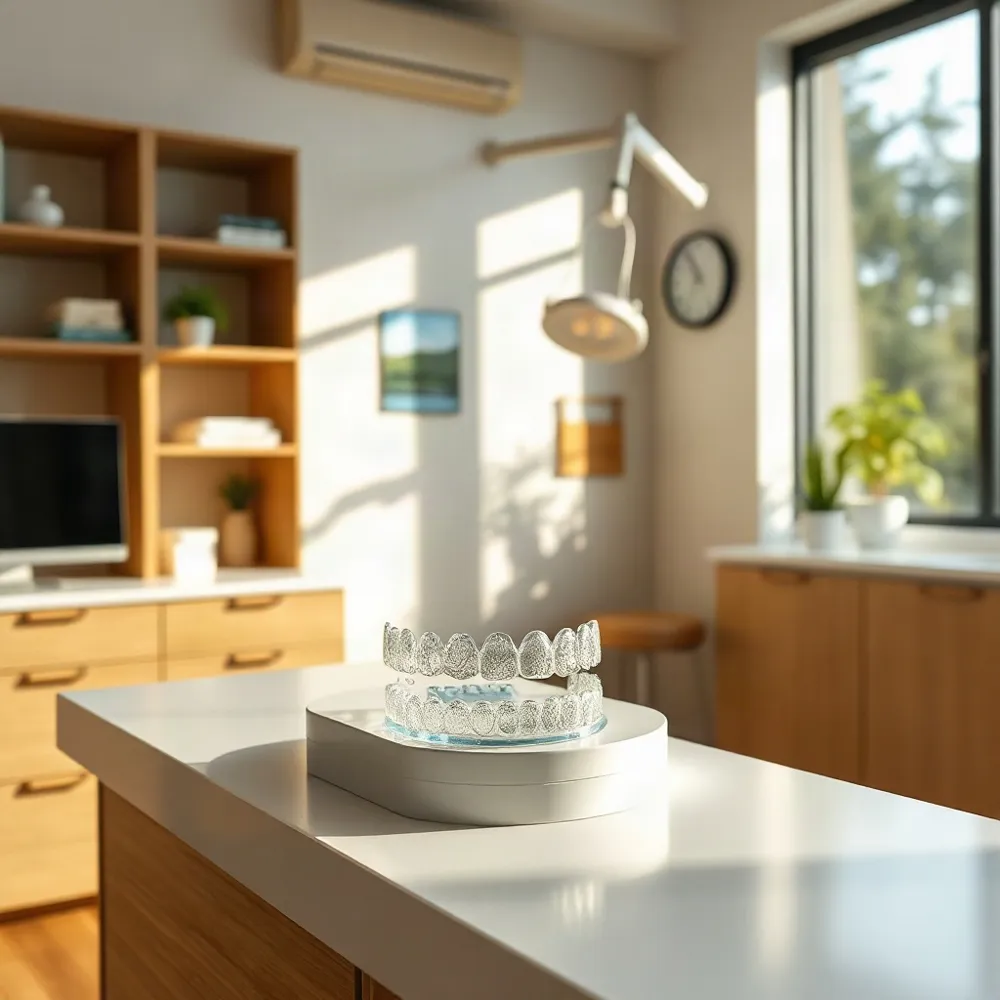 The complexity of your orthodontic needs is a major factor in choosing between Invisalign and traditional braces. Braces remain the preferred option for severe malocclusions, significant bite problems, and cases requiring precise, multi-directional tooth movement.
Traditional braces use brackets bonded to the teeth and an archwire that applies continuous, controlled force. This fixed system gives the orthodontist precise control over tooth movement, making it highly effective for severe crowding, complex rotations, and correcting overbites, underbites, or crossbites where significant force is necessary. Braces are always working, removing the risk of treatment delays from inconsistent wear.
Invisalign clear aligners are an excellent choice for adults with mild to moderate alignment issues, such as minor crowding, gaps, and some bite problems. The aligners use a series of custom trays that apply gradual, gentle pressure. However, their effectiveness depends on the patient wearing them for 20-22 hours each day. While technology has expanded Invisalign's capabilities, it may not be the best option for the most complex skeletal discrepancies or cases requiring significant vertical tooth movement.
The only way to determine which approach is right for your specific case is through a professional orthodontic consultation. At Empower Your Smile, led by Dr. Moezinia, a comprehensive evaluation using advanced technology will assess your tooth alignment, bite, and overall oral health to recommend the most effective treatment plan tailored to your needs.
Cost Considerations and Insurance
 The total investment for orthodontic treatment often becomes a deciding factor for adults. When comparing Invisalign vs traditional braces cost, the numbers are surprisingly similar for most patients. Invisalign typically ranges from $3,000 to $8,000, while traditional braces cost between $2,500 and $7,500.
Several factors influence the final price, including the complexity of the case, treatment duration, and geographic location. In urban centers like New York City, costs tend to be at the higher end of these ranges. Many dental insurance plans that cover orthodontic treatment apply the same benefits to both Invisalign and braces, typically providing a lifetime orthodontic benefit of $1,000 to $2,000.
Affording Your Treatment
Both Invisalign and braces offer flexible payment plans that can bring monthly costs below $150 for many patients. Flexible spending accounts (FSAs) and health savings accounts (HSAs) can also be used to pay for treatment with pre-tax dollars. At Empower Your Smile, the team works with patients to review insurance benefits and create a payment plan that fits their budget, helping more adults access the smile they want.
Compliance and Commitment
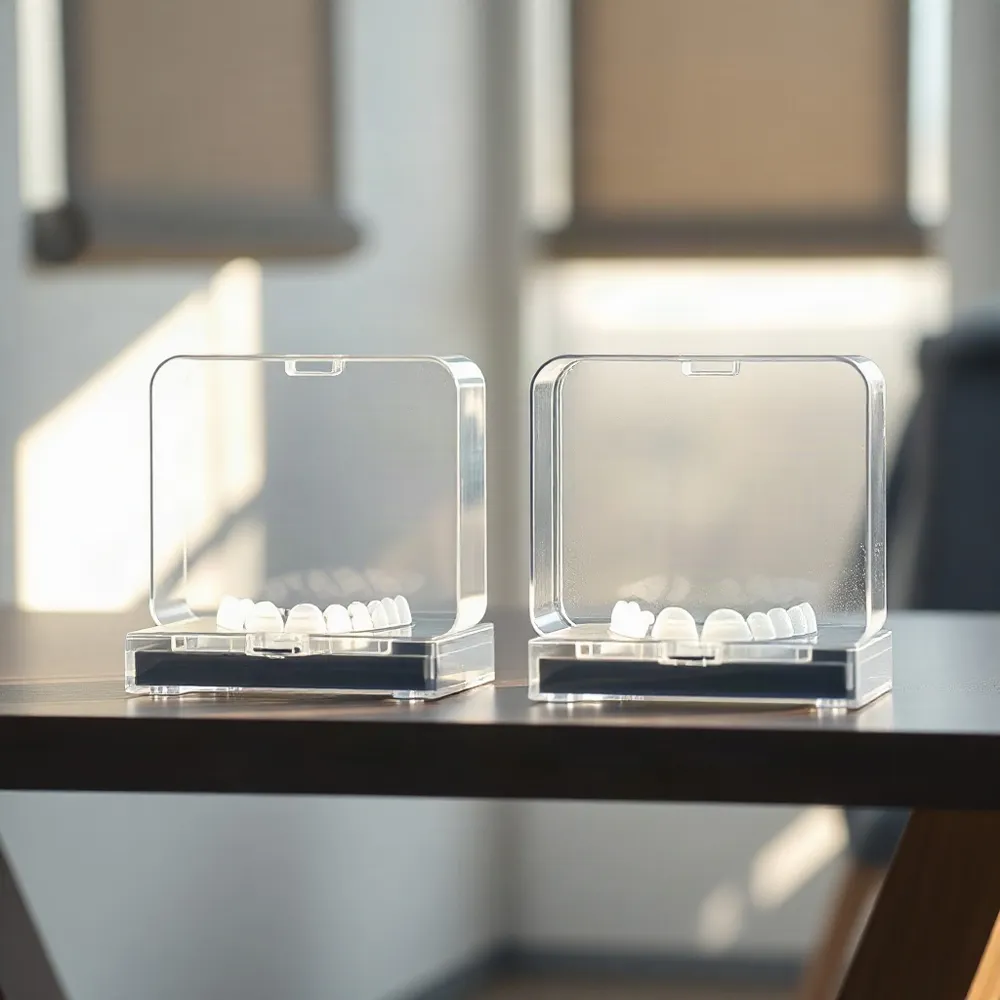 The success of your orthodontic treatment depends partly on your ability to follow daily instructions. This factor often separates Invisalign from traditional braces more than any other.
Invisalign aligners must be worn for 20 to 22 hours each day, removed only for eating, drinking anything other than water, brushing, and flossing. When aligners stay out too long, teeth do not move as planned, and treatment time extends. According to several sources, inconsistent wear is the most common cause of Invisalign treatment failure.
Braces require less active discipline because the brackets and wires stay fixed to the teeth. The hardware applies steady pressure around the clock, so there is no risk of forgetting to wear the appliance. For adults who travel frequently, have unpredictable schedules, or worry about self-discipline, this hands-off approach can be reassuring.
At the same time, braces come with their own set of daily demands: avoiding hard and sticky foods, cleaning carefully around brackets and wires, and attending monthly adjustment appointments. Neither option is entirely passive, but the type of commitment differs. Invisalign asks for consistent daily wear and hygiene discipline, while braces shift the burden more toward dietary restrictions and in-office visits.
The right choice depends on which kind of commitment fits your lifestyle. At Empower Your Smile, the team discusses compliance expectations during your initial consultation so you can make an informed decision based on your personal habits and schedule.
Eating and Drinking Habits
 The effect of orthodontic treatment on your daily eating and drinking routine is a major lifestyle consideration.
Invisalign aligners are removable, which means you can eat and drink whatever you choose — no food is off-limits. However, you should remove the aligners before eating anything and before drinking anything other than plain water. Hot liquids can warp the plastic, and colored drinks like coffee, tea, or red wine can stain the aligners. This means your eating routine stays completely normal, though you do need to brush your teeth and clean the aligners before putting them back in.
Traditional braces impose clear dietary restrictions. Hard foods like nuts and popcorn, sticky items like caramel and gum, and chewy foods like bagels or tough bread can bend wires, loosen brackets, or get stuck. Avoiding these foods reduces the risk of emergency orthodontic visits and treatment delays.
For busy adults, this difference has a real impact on daily routine. With braces, you may need to plan meals carefully, carry interdental brushes for cleaning away from home, and avoid certain snacks while traveling or eating out. With aligners, your choices at restaurants or at the office remain fully flexible.
If you value the freedom to eat a wide variety of foods without extra planning, a removable option like Invisalign aligns directly with that preference. Practices like Empower Your Smile offer free consultations to discuss how each treatment fits your daily habits.
Selecting the Right Path Forward
Every adult considering orthodontic treatment must weigh their specific clinical needs, daily habits, and budget. No single option fits all cases, which is why a professional orthodontic assessment is the essential first step.
At Empower Your Smile in Tribeca, Dr. Moezinia and her team evaluate each patient's alignment issues, bite patterns, and lifestyle priorities to recommend a personalized approach before any treatment begins. This thorough assessment helps clarify whether removable aligners or fixed braces are the better match for your situation.
The right choice depends on what matters most to you. For adults who prioritize discretion, dietary freedom, and simpler oral hygiene, removable aligners align well with a busy professional life. For those with severe crowding or complex bite problems, fixed braces offer predictable force and consistent progress without daily compliance demands.
A professional evaluation provides clear answers about case complexity, estimated treatment duration, and total cost. With guidance from a skilled provider, you can move forward with confidence toward a healthier, straighter smile.


