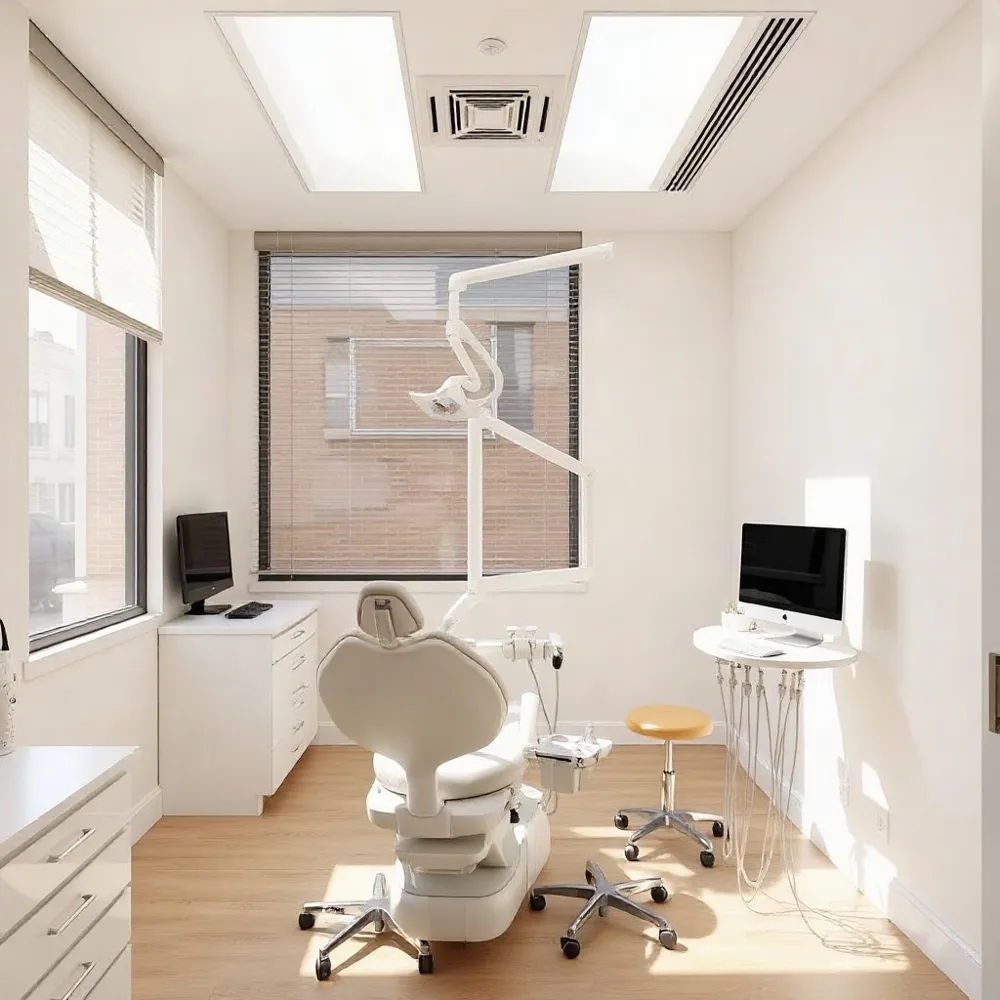
A Deeper Look at Gum Care
Scaling and root planing is a professional deep cleaning that removes plaque and hardened tartar from beneath the gums, where a routine cleaning may not reach. It is used to treat gum disease, but it is not a standard service every patient needs. The American Dental Association explains that a regular cleaning may be enough when disease has not affected deeper structures.
The decision depends on an examination of gum health and the extent of disease, not on symptoms alone. At Empower Your Smile, a Tribeca practice offering general dentistry and periodontics, care is provided in a patient-centered setting with a team of specialists. A dentist can assess the gums and discuss whether deep cleaning or another approach fits the findings.
The sections ahead explain how dentists evaluate gum disease, what treatment involves, and what patients may expect for comfort and recovery. They also cover ongoing care and treatment costs, so you can understand the factors to discuss with your dental team.
What Deep Cleaning Treats
Scaling and root planing is a nonsurgical treatment for gum disease that cleans areas a routine dental cleaning cannot reach. At Empower Your Smile, a Tribeca practice offering general and periodontal care, treatment can be considered as part of an individualized plan when an examination shows disease beneath the gumline.
During scaling, a dental professional removes plaque, tartar, and bacteria from tooth surfaces above and below the gumline, including inside periodontal pockets. Root planing smooths the tooth roots so deposits are less likely to collect there and the gums can heal against the teeth. The Cleveland Clinic’s overview of scaling and root planing explains how the two steps work together.
A routine professional cleaning is mainly intended to maintain gum health. When gum disease is caught early and has not damaged structures below the gumline, that cleaning may be sufficient; deeper pockets may call for scaling and root planing, according to the American Dental Association’s guidance. Brushing and flossing remain essential, but they cannot remove hardened deposits from deep pockets or reach all the way to the roots.
Can scaling and root planing treat or control gum disease? Yes. It is commonly used for mild to moderate gum disease and periodontitis, and can reduce inflammation and bleeding while helping limit further damage. However, it cannot reverse all existing injury to the supporting bone and tissues or cure established periodontitis. At Empower Your Smile, follow-up care and ongoing professional maintenance can be tailored to a patient’s periodontal needs.
Consistent brushing and daily cleaning between teeth help maintain results, while untreated gum disease can damage the structures that support teeth. An examination helps determine whether routine cleaning is enough or deeper treatment is appropriate.
How Dentists Decide It Is Needed
A dentist determines whether scaling and root planing is appropriate through an examination, not symptoms alone. The clinician checks the gums, measures the spaces between the gums and teeth, and looks for plaque and tartar below the gumline.
Deep periodontal pockets can indicate that a routine professional cleaning cannot reach the deposits effectively. The American Dental Association’s guidance on scaling and root planing describes pocket depth as an important part of deciding when deeper cleaning may be needed, but there is no single measurement that applies to every patient.
Visual findings and pocket measurements may be considered alongside dental X-rays, which can help the dentist assess bone loss and other changes in the structures supporting the teeth. At Empower Your Smile, a Tribeca practice offering general dentistry and periodontics, this assessment can inform a care plan suited to the patient’s gum health.
Bleeding, swollen or sore gums, recession, exposed roots, and persistent bad breath are reasons to arrange an evaluation. They do not establish by themselves that deep cleaning is necessary, since the dentist must assess the underlying cause and the condition of the gums and supporting structures.
When inflammation is early and there is no damage below the gumline, a routine professional cleaning may be enough. If examination findings suggest periodontitis or pockets that routine care cannot adequately clean, scaling and root planing may be recommended. The dentist can explain whether treatment, routine cleaning, or follow-up assessment is appropriate; the Cleveland Clinic overview of scaling and root planing also notes that recommendations depend on clinical needs.
What Treatment Involves

How is scaling and root planing performed?
The appointment usually begins with a conversation about comfort and any concerns. A dentist, periodontist, or hygienist may numb the treatment area with local anesthesia, then use hand instruments or an ultrasonic scaler to remove plaque and hardened tartar from above and below the gums. The clinician cleans down to the bottom of the gum pockets and smooths the tooth roots, which helps make it harder for deposits to collect again.
At Empower Your Smile, a Tribeca practice offering general, cosmetic, and periodontal care, patients can discuss their treatment and comfort needs with the dental team. The clinician may complete the cleaning in one appointment or divide it between visits, depending on the areas involved, the amount of treatment needed, and the patient’s needs and preferences. A follow-up may be scheduled to check healing and measure pocket depth again. Medication, including antibiotics, may be used in selected cases at the dental professional’s discretion. Cleveland Clinic’s overview of scaling and root planing describes the instruments and anesthesia commonly used.
How long does scaling and root planing take?
Treatment generally takes about one to two hours, though the exact time depends on how much buildup is present and how many areas need care. Some patients have the full procedure in one appointment; others return for additional visits, often so the clinician can treat different sections of the mouth separately. After examining the gums, the dental professional can estimate the likely appointment time and schedule.
How painful is scaling and root planing, and what can be done to make it more comfortable?
Local anesthesia is commonly used, so treatment is generally manageable, but comfort varies. Patients may notice pressure or vibration, and should tell the dental team if they feel pain or need a pause. If anxiety or discomfort is a concern, discuss it beforehand; the clinician can explain suitable comfort measures and whether splitting treatment into visits makes sense. Avoid assuming the procedure will be entirely pain-free.
Mild gum soreness or sensitivity to hot and cold can occur afterward. Follow the treating professional’s aftercare instructions and ask which pain relief options are appropriate for you. A soft-food choice and gentle brushing may help while the gums feel tender.
Recovery and Possible Side Effects
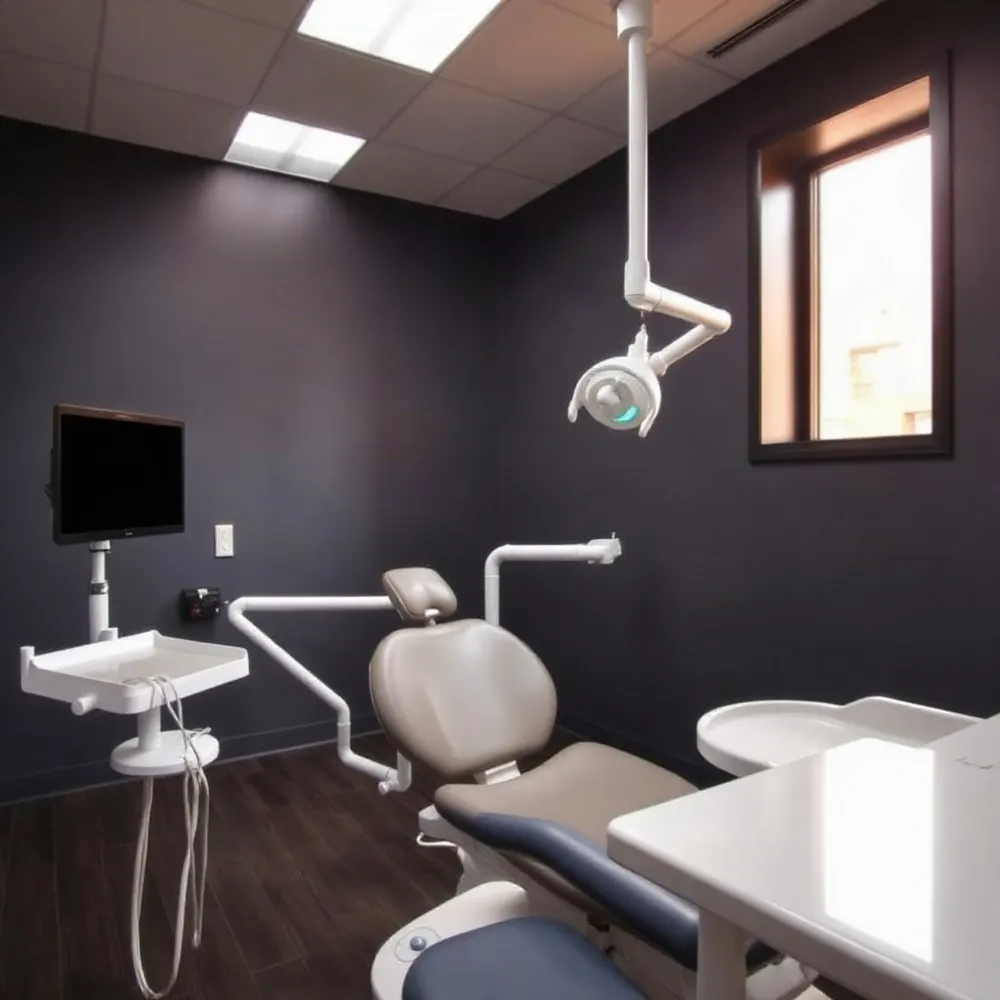 Tender gums, slight bleeding, mild swelling, and sensitivity to hot or cold can follow scaling and root planing. These effects are usually temporary, but sensitivity may last longer than soreness. The Cleveland Clinic’s guidance on scaling and root planing notes that recovery varies and that some sensitivity can persist for weeks.
As inflammation settles, swollen gums may shrink and reveal more of the tooth roots. Teeth can then look longer, or spaces between them may seem more noticeable. This appearance change can reflect reduced swelling rather than new damage.
What are the possible side effects and risks of scaling and root planing?
Temporary tenderness, mild bleeding, swelling, and temperature sensitivity are common. Less commonly, complications such as infection may occur. Contact your dental team if you have severe or worsening swelling, pain that does not improve, a fever, or bleeding that will not stop. A dental professional can assess concerning symptoms rather than relying on self-diagnosis.
What should you avoid after scaling and root planing, and when can you eat normally again?
Wait until numbness from anesthesia wears off before eating, so you do not accidentally bite your cheek or tongue. Choose soft foods at first and avoid very hot, hard, crunchy, sharp, spicy, or acidic foods while your gums are tender. Gradually return to your usual diet as comfort allows, and follow your dentist’s specific instructions.
How long does recovery take after scaling and root planing?
Many people return to ordinary routines the same day, though gum soreness and sensitivity may take days or longer to settle. Recovery differs from person to person, so there is no single timeline that applies to everyone. If symptoms worsen instead of improving, contact the dental team for guidance.
At empoweryoursmile.com, care is provided in a patient-centered Tribeca practice with comfort-focused treatment. The dental team can address recovery concerns in the context of each patient’s needs and provide personalized aftercare instructions.
Long Term Care and Repeat Treatment
Scaling and root planing is generally intended to address active gum disease, not to become a routine part of every cleaning. The goal is often to need it only once, followed by ongoing care that helps maintain gum health.
How often might someone need scaling and root planing?
There is no universal schedule for repeating treatment. If gum disease persists or returns, a dentist or periodontist may recommend another course or a different approach after reassessing the gums. Follow-up measurements help show how tissues have responded and whether pockets remain deep; the American Dental Association describes follow-up assessment and pocket measurement as part of care.
Some patients need periodontal maintenance more often than routine cleanings, but timing depends on the examination, response to treatment, and individual risk. At Empower Your Smile, care is provided within a patient-centered practice offering general dentistry and periodontics, so follow-up recommendations can reflect a patient's wider oral health needs.
Brush twice daily, clean between teeth every day, keep recommended professional appointments, and follow any instructions from the treating dental professional. These habits help maintain results, but they do not replace an evaluation if bleeding, swelling, or changes in gum pockets occur. Cleveland Clinic's guidance on scaling and root planing also emphasizes ongoing home care and professional cleanings.
Planning for Treatment Costs
 How much does scaling and root planing cost, and does dental insurance cover it? As a broad guide, treatment may cost about $150 to $400 per quadrant without insurance, or roughly $600 to $1,600 for all four quadrants. These are estimates, not quoted fees: the final amount depends on local pricing, how many areas need treatment, and the work involved.
Many dental plans cover at least part of scaling and root planing when it is considered necessary to treat gum disease, but coverage is not guaranteed. Benefits, plan limits, and out-of-pocket costs vary, so confirm the details directly with your insurer before scheduling.
Ask the dental office for a written treatment estimate, then check your plan’s coverage percentage, annual maximum, deductible, waiting period, and any preauthorization requirements. A preauthorization can clarify how the insurer expects to process a claim, but it does not necessarily guarantee payment. The estimate and benefit check can help you plan financially; they do not determine whether treatment is clinically appropriate.
At Empower Your Smile, a Tribeca practice offering general dentistry and periodontics, patients can discuss the proposed care and expected costs with the dental team. Requesting an estimate before treatment can help clarify the likely expense and what questions to take to your insurer.
Let the Examination Guide the Choice
Scaling and root planing is appropriate when an examination shows deposits and gum pockets that routine cleaning cannot adequately address, not simply because one symptom is present. The American Dental Association’s guidance notes that early gum disease may need only a professional cleaning, while deeper pockets can call for treatment below the gumline.
If you notice bleeding, swelling, gum recession, or persistent bad breath, arrange an evaluation. At Empower Your Smile, a Tribeca practice offering general dentistry and periodontic care, discuss the examination findings, treatment options, comfort measures, and follow-up plan with the dental team.
Professional care and consistent brushing and cleaning between teeth work together to protect gum health. Follow your dentist’s guidance on the treatment and maintenance suited to your needs.


