Understanding Smile Makeovers and Common Challenges
Definition and Purpose of Smile Makeovers
A smile makeover is a comprehensive cosmetic dental treatment designed to enhance the appearance and function of a person's smile. It targets issues such as discoloration, chipped or cracked teeth, misalignment, missing teeth, and uneven spacing, aiming to boost both confidence and oral health.
Common Procedures Involved
Smile makeovers often include a combination of cosmetic and restorative treatments. Key procedures include porcelain veneers to cover imperfections, crowns to restore severely damaged teeth, dental implants and bridges for tooth replacement, professional teeth whitening for brightness, and alignment solutions like clear aligners or braces for bite correction.
Personalized Treatment Plans
Successful smile makeovers depend on individualized treatment plans that consider the patient's lifestyle, medical history, aesthetic goals, and dental health. This personalized approach ensures optimal outcomes tailored to each patient's needs.
Why Smile Makeovers May Fail
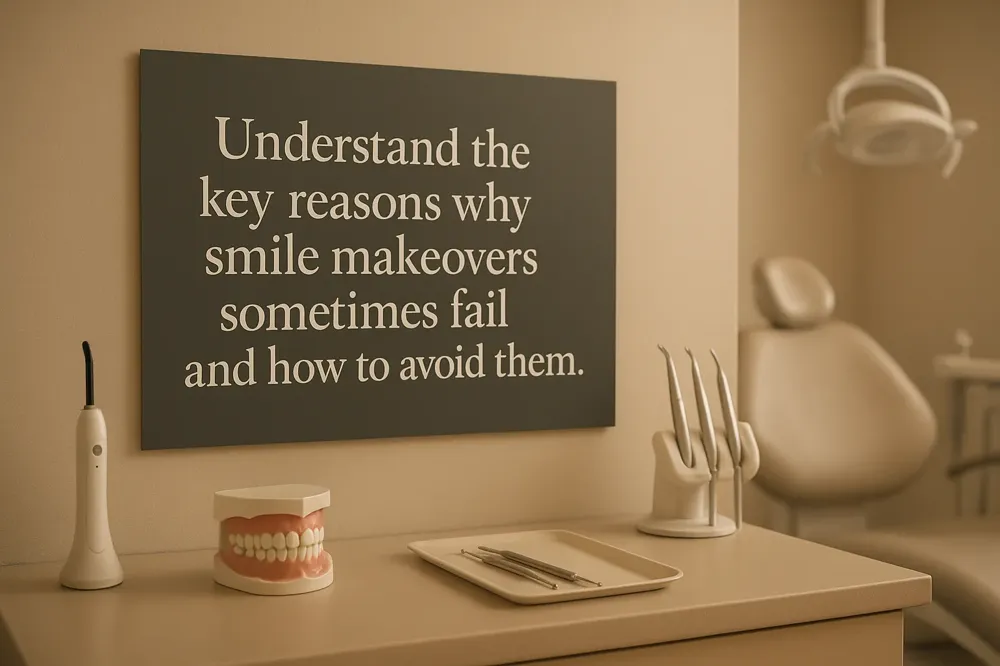
Failures can arise from improper bonding, poor planning, untreated oral health issues, and detrimental habits such as teeth grinding or tobacco use. Issues with veneer construction, bite misalignment, and failure to maintain oral hygiene can also compromise results. Effective communication between patient and dentist and adherence to aftercare protocols are essential to minimize these risks.
Primary Causes of Smile Makeover Failures
Improper Bonding of Veneers
Dental veneers, essential for cosmetic corrections, can fail mostly due to improper bonding of veneers. If veneers are not securely attached, they risk chipping, loosening, or developing visible margins exposing the underlying tooth. Incorrect tooth preparation or poor construction—such as overly thick or poorly polished veneers—can also cause discomfort, increased sensitivity, and aesthetic dissatisfaction.
Dental Crown Failures Due to Decay and Improper Fit
Crowns may fail when decay develops beneath them or when crowns are poorly fitted or cemented, which can lead to loosening and discomfort. Trauma like teeth grinding damage exacerbates these issues, while gum recession can expose margins, leading to unsightly appearances. Prompt diagnosis and treatment are crucial for longevity.
Common Dental Implant Failure Causes, Especially Peri-Implantitis Infection
The primary cause of dental implant failure is peri-implantitis infection—an infection that inflames and damages the bone supporting the implant. Poor oral hygiene often initiates this condition, alongside other factors like failed osseointegration, surgical placement errors, smoking, and medical conditions. Early signs include pain, swelling, and implant loosening.
Impact of Bite Misalignment and Teeth Grinding Damage on Restorations
Misaligned bites and bruxism (teeth grinding/clenching) place excessive mechanical stress on dental restorations, contributing to chipping, cracking, or dislodging of veneers and crowns. Protective measures such as night guards and stress management are recommended to safeguard smile makeovers.
Influence of Poor Oral Hygiene and Untreated Dental Conditions
Underlying oral health issues—like untreated gum disease, tooth decay, or infections—compromise the foundation for smile makeovers, increasing the risk of restoration failure. Maintaining rigorous oral hygiene and addressing dental conditions before cosmetic work is critical for durable and successful outcomes.
| Failure Type | Main Causes | Impact on Smile Makeover |
|---|---|---|
| Veneers | Improper bonding of veneers, poor prep | Chipping, sensitivity, aesthetic issues |
| Crowns | Decay under crown, poor fit, trauma | Loosening, gum recession, pain |
| Implants | Peri-implantitis and mucositis, surgical errors | Infection, implant loss, bone damage |
| Overall Restorations | Bite issues, grinding, poor hygiene | Damage, longevity reduction |
Avoiding Mistakes in Planning and Execution of Smile Makeovers
Importance of selecting experienced, specialized cosmetic dentists
Choosing a highly qualified cosmetic dentist with specialized training and a proven track record is essential for successful smile makeovers. Experienced dentists ensure the use of proper techniques and high-quality materials, reducing risks such as poorly fitting veneers or complications with implants.
Risks of choosing based on price alone or unlicensed providers
Opting for providers solely on cost or going to unlicensed or overseas clinics can result in subpar outcomes including unnatural appearance, restoration failures, and lack of proper follow-up care. Such choices often lead to costly and complex corrective treatments. Learn more about risks of low-cost dental treatments.
Avoiding overly white or unnatural veneer appearance
An overly bright, "Hollywood" smile that does not complement a patient’s skin tone and facial features can appear fake. Dentists should guide patients in selecting natural shades that enhance aesthetics without sacrificing realism. See tips for choosing natural veneer color and natural-looking veneers.
Significance of complete prescription details and accurate shade matching
Clear, detailed prescriptions specifying materials and shades prevent errors in laboratory fabrication. Accurate shade selection requires proper lighting, avoidance of eye fatigue, and use of standardized shade guides and high-quality photographs to achieve a natural match. For more information, explore importance of accurate dental prescriptions and shade selection challenges in dentistry.
Use of advanced technology like digital smile design
Digital smile design tools enable visualization of expected results, facilitating better patient-dentist communication and allowing patients to approve final plans. This technology enhances planning accuracy and patient satisfaction. Learn about Digital Smile Design and previewing veneer results with try-in.
Importance of thorough oral health assessment before treatment
Addressing underlying oral health issues such as gum disease or tooth decay before cosmetic procedures ensures a healthy foundation, minimizing risks of restoration failure and infections. Review the importance of oral health before smile makeovers and healthy teeth and gums before veneers.
What is the 2-2-2 rule in dentistry and why is it important?
The 2-2-2 rule—brushing twice daily for two minutes each time and visiting the dentist twice yearly—is critical to prevent dental problems and maintain the longevity of restorations in smile makeovers.
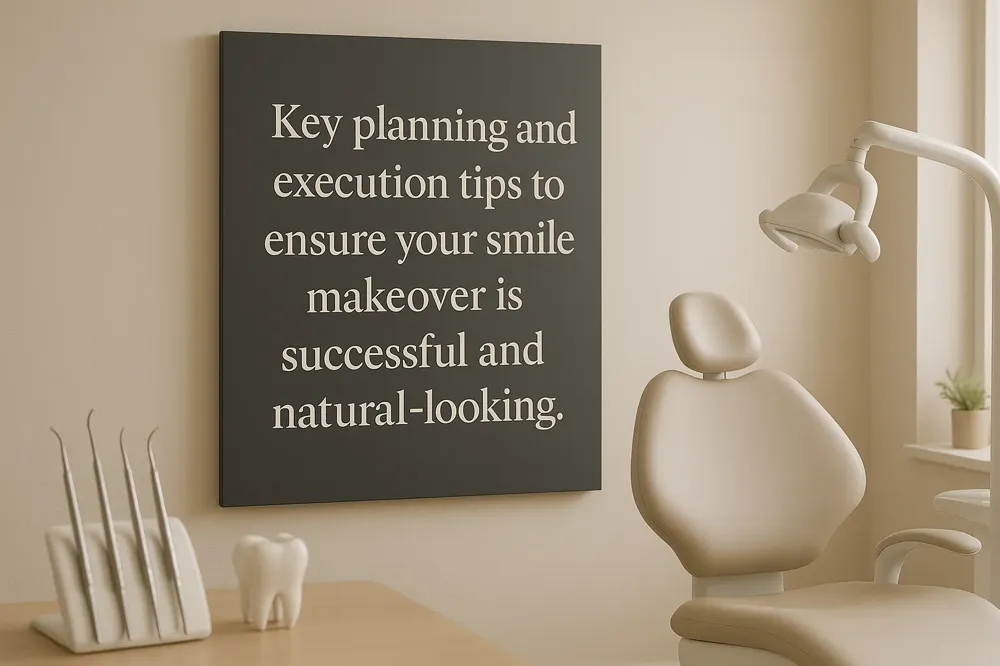
Adhering to these best practices in planning and execution significantly improves the durability and aesthetics of smile makeovers, ensuring patient confidence and satisfaction.
Post-Treatment Care: Habits to Adopt and Avoid After a Smile Makeover

How long do smile makeovers last?
Smile makeovers can provide long-lasting improvements when maintained properly. Porcelain veneers durability typically last 15 to 20 years or more with good care, while Dental implants often last a lifetime. Whitening results vary depending on lifestyle but generally last between one to three years.
Proper oral hygiene routines including twice daily brushing and flossing
Maintaining a smile makeover requires diligent oral hygiene. Patients should brush their teeth at least twice daily with a soft-bristled toothbrush and use floss daily to remove plaque and food debris. Using dentist-recommended non-abrasive toothpaste and alcohol-free antibacterial mouthwash supports gum health and prevents cavities under restorations. These oral hygiene tips are essential for maintaining smile makeover results and Oral hygiene for smile makeover maintenance.
Avoiding stain-causing foods and drinks such as coffee, tea, red wine, sodas, berries
Certain foods and beverages can stain both natural teeth and dental restorations. It is important to moderate or avoid consumption of coffee, tea, red wine, sodas, deeply pigmented natural foods like berries, and artificially colored foods. Using straws for drinks and rinsing or brushing teeth shortly after consumption can help reduce staining. For more guidance, see Foods and drinks to avoid after smile makeover.
Complete tobacco abstinence to protect aesthetics and health
Tobacco products damage oral health and cause discoloration of teeth and dental restorations. Complete avoidance of tobacco is essential to preserve the appearance and longevity of a smile makeover and reduce the risk of gum disease and other complications. Learn more about Why avoid tobacco after smile makeover.
Limiting gum chewing and avoiding chewing hard or non-edible objects like ice or pens
Chewing gum should be limited as excessive gum chewing can fatigue dental restorations. Avoid chewing hard or non-edible objects such as fingernails, pens, or ice, as these habits risk chipping or cracking veneers, crowns, and natural teeth. See advice on Impact of chewing hard objects on dental work.
Wearing night guards to prevent damage from teeth grinding and clenching
Bruxism (teeth grinding and clenching) can cause pain and damage to both natural teeth and dental work. Wearing a custom-fitted night guard during sleep and employing stress management techniques help protect restorations from excessive forces. Read about Managing teeth grinding after smile enhancement and Dental veneer care tips.
Regular dental visits for maintenance and professional cleaning
Routine dental checkups every three to six months are crucial for professional cleanings that remove plaque and tartar buildup. Dentists can monitor the condition of restorations, identify early signs of damage, and provide touch-up treatments to prolong the smile makeover’s lifespan. For details see The Dos and Don'ts for Smile Makeover Care.
Adopting these habits and avoiding damaging behaviors after a smile makeover will help patients protecting your smile makeover, maintain their enhanced smile, and enjoy optimal oral health for years to come.
Correcting and Preventing Common Errors in Cosmetic Dentistry
What Are Common Errors in Cosmetic Dentistry and How Can They Be Prevented?
Cosmetic dental treatments such as veneers, crowns, and implants greatly improve smiles but require precise planning and execution. Errors can arise from inaccurate dental impressions and scans, leading to poorly fitting restorations that cause discomfort and quick failures. Ensuring accurate impressions by verifying and retaking them prevents these issues.
Poor tooth preparation, such as inadequate enamel removal or sharp edges, can cause tooth sensitivity and compromise restoration longevity. Adhering strictly to preparation design guidelines for restorations and reviewing procedures with dental labs ensures optimal outcomes.
Unclear or incomplete laboratory prescriptions, missing material specifications or shades, can result in ill-fitting or incorrectly colored veneers and crowns. Clear, detailed instructions paired with proper staff training reduce remakes and dissatisfaction.
How Does Communication Between Dentist and Lab Affect Results?
Limited communication contributes significantly to errors. For example, not informing the lab about existing prosthetics or special patient considerations can cause restoration mismatches or functional problems. Proactive, continuous dialogue between dental teams and labs is key to understanding nuances and preventing costly redos. Improving dentist-dental lab communication and teamwork reduces remake rates and improves patient satisfaction (source).
Why Must Treatment Timelines and Healing Periods Be Respected?
Rushing smile makeover processes—such as finalizing crowns or implants before healing completes—leads to poor fits, discomfort, or implant failure. Proper timing, including allowing bone integration for implants and adequate healing for gums, safeguards durability and patient comfort (smile makeover mistakes advice).
How Do Underlying Dental Health Issues Impact Cosmetic Success?
Treatments should not prioritize appearance over oral health. Gum disease or untreated decay can undermine cosmetic procedures, causing infections and failures. Comprehensive evaluations and addressing dental health first are essential (dental assessment before smile makeover).
What Role Does Patient Education Play?
Patients benefit from setting realistic expectations for smile makeover regarding aesthetics, longevity, and treatment length. Understanding the process—often spanning weeks to months depending on procedures—helps patients remain committed and satisfied (smile makeover planning tips.
What Age is Best for a Smile Makeover?
Smile makeovers typically begin when dental development completes, around ages 16-18, with no strict upper age limit if oral health supports treatment (smile makeover benefits and components).
Meticulous planning, detailed communication, hasty avoidance, comprehensive health assessment, and patient involvement form the foundation of successful, lasting cosmetic dentistry results.
Lifestyle and Dietary Choices to Strengthen and Preserve Your Smile

Do teeth wear down as you age?
Yes, tooth wear is a natural process that can range in severity, resulting in enamel loss and increased sensitivity over time. This makes preventive care and mindful dietary habits important to maintain oral health and the durability of any dental restorations.
What foods can naturally strengthen teeth and tooth roots?
Certain foods are beneficial for dental strength. Dairy products like milk and cheese provide calcium and phosphates which aid in remineralization of enamel. Leafy greens such as spinach and kale supply essential vitamins and minerals. Crunchy fruits and vegetables, for example apples and carrots, help stimulate saliva flow which naturally cleanses the teeth.
Nuts and seeds are rich in healthy fats and minerals. Fatty fish like salmon offer vitamin D important for calcium absorption. Whole grains and herbal teas also contribute antioxidants and nutrients that support gum tissue health.
Dietary and lifestyle habits to protect your smile makeover
Avoiding excessive sugary and acidic foods and drinks is crucial since they promote enamel erosion and increase the risk of decay. Additionally, foods and beverages with strong pigments, such as coffee, tea, red wine, and berries, may stain natural teeth and dental restorations.
Maintaining good oral habits including brushing twice daily with a soft-bristle toothbrush and using gentle, dentist-recommended products helps preserve dental work and prevent wear. Flossing daily and regular professional cleanings remove plaque that could otherwise damage teeth and restorations.
Habits to avoid for lasting dental health
Avoid chewing on hard or non-edible objects like fingernails, pens, or ice, which may cause cracks or chips in natural teeth and restorations. Using teeth to open packages or bottles should also be avoided.
Quitting smoking and limiting alcohol consumption significantly benefits oral health by reducing staining, inflammation, and risks of gum disease. Tobacco use negatively affects both the appearance and longevity of cosmetic dental treatments.
By following these dietary and lifestyle guidelines, patients can maximize the lifespan and aesthetic appeal of their smile makeover while supporting the natural health of their teeth and gums.
Empowering Your Smile Makeover Journey with Informed Choices and Care
Selecting Qualified Professionals for Your Smile Makeover
Choosing an experienced dentist is fundamental for successful cosmetic dental outcomes. Dentists with extensive training and a strong portfolio ensure precise procedures, such as veneers, crowns, and implants, that fit naturally and function well. Empower Your Smile in NYC exemplifies this approach by providing skilled, patient-focused care.
Commitment to Long-Term Maintenance
Sustaining smile makeover results demands diligent oral hygiene, including brushing twice daily with non-abrasive products and flossing carefully to protect restorations. Lifestyle habits such as avoiding stain-causing foods, tobacco cessation, and managing teeth grinding with night guards are essential to preserving aesthetics and dental health.
Early Detection and Intervention
Regular dental checkups facilitate early identification and treatment of potential complications like veneer loosening or implant issues. Timely professional care enhances the longevity of cosmetic work and maintains oral function.
Personalized Treatment and Clear Communication
Effective smile makeovers arise from tailored treatment plans considering individual lifestyle, medical history, and preferences. Open dialogue between patient and dentist ensures realistic expectations and collaborative decisions, leading to natural, satisfying results.
Empower Your Smile's Patient-Centered Approach
Located in NYC, Empower Your Smile integrates advanced technology and personalized care to deliver comprehensive cosmetic dentistry. Their emphasis on qualified expertise, ongoing maintenance education, and proactive issue management empowers patients to enjoy durable, confident smiles.