Welcome to the Future of Smiles
Digital Smile Design (DSD) and AI‑powered 3‑D imaging now let patients see a realistic mock‑up before any tooth is altered, turning treatment planning into a collaborative, predictable process. This technology reduces guesswork, improves shade‑matching, and aligns the final result with each patient’s facial features. At the same time, minimally invasive options—no‑prep or ultra‑thin veneers, biomimetic composites, laser‑activated whitening, and laser gum contouring—preserve natural enamel and cut recovery time, meeting the growing demand for gentle, durable solutions. Social media platforms such as Instagram and TikTok amplify these trends, showcasing subtle, personalized smiles rather than the classic “Hollywood” look. Patients expect quick, natural‑looking outcomes and often choose procedures that can be previewed online, driving practices to adopt digital previews, AI‑assisted planning, and eco‑friendly, biocompatible materials. The result is a new era where technology, conservatism, and online culture converge to create healthier, more authentic smiles.
Digital Smile Design (DSD) and AI‑Powered Imaging
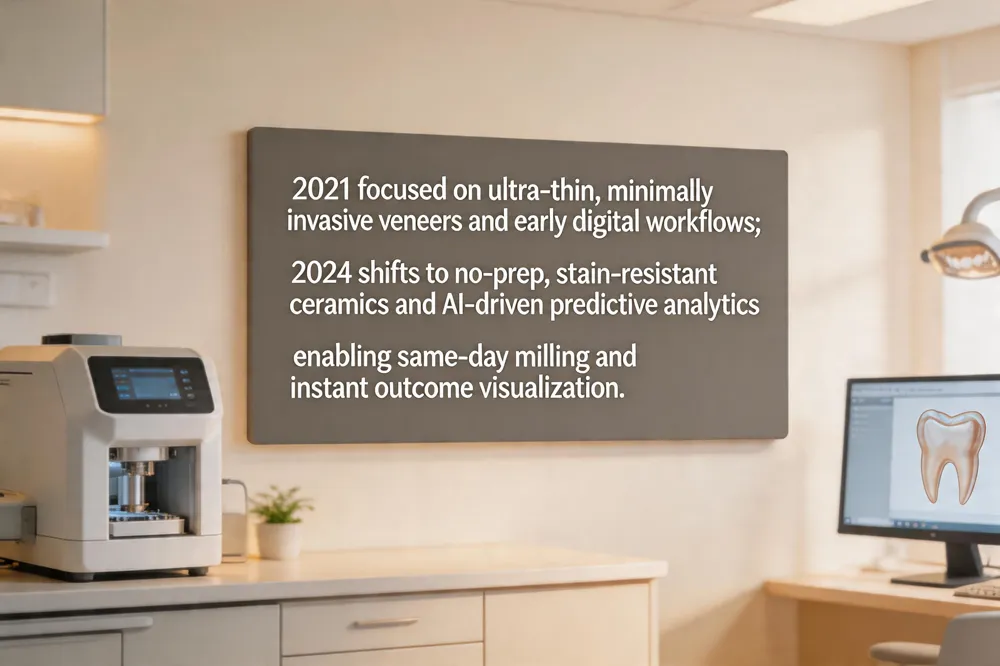 Do porcelain veneers trends for 2021 differ from current trends? In 2021 the market introduced ultra‑thin, minimally invasive veneers and early digital workflows, while today the emphasis has shifted to no‑prep, stain‑resistant ceramics and AI‑driven predictive analytics that enable same‑day milling and instantly visualized outcomes.
What is the 4‑8‑10 rule for veneers? It is a quick guideline estimating veneer count: four for the central incisors, eight extending to the canines, and ten reaching the first premolars on each side—adjusted to individual smile goals and tooth condition.
Minimally Invasive Materials and Techniques
 Modern smile makeovers favor preservation of natural tooth structure. \
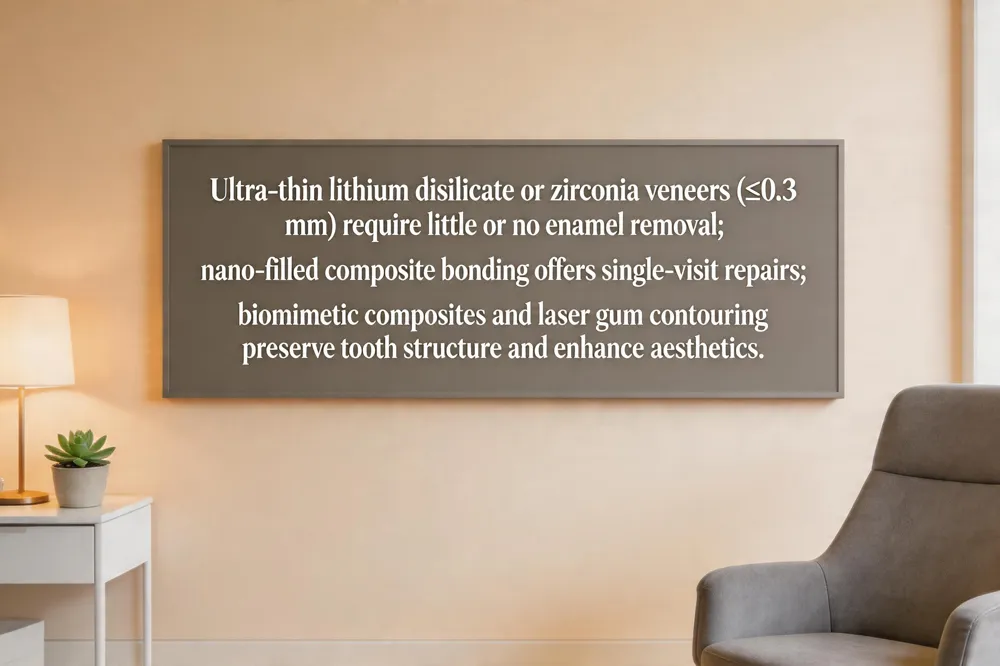
\n**No‑prep and ultra‑thin porcelain veneers** – Ultra‑thin lithium disilicate or zirconia veneers as thin as 0.3 mm can be bonded with little or no enamel removal, delivering a natural translucency while keeping the bulk of the tooth intact. \
\n**Composite bonding with nano‑filled resins** – Nano‑filled composites mimic enamel optics and allow single‑visit repair of chips, gaps, or shape irregularities. Their high strength and stain‑resistance make them a durable, cost‑effective alternative to veneers for minor imperfections. \
\nBiomimetic composites and laser‑assisted gum contouring – Biomimetic materials emulate enamel’s mechanical properties, reducing fracture risk. Laser gum contouring reshapes excess tissue with minimal discomfort and rapid healing, creating a harmonious gum‑tooth relationship without surgical trauma. \
\nWhat happens after 20 years of veneers? The bonding agent may weaken, producing a faint dark line at the gum margin, while the porcelain can show slight wear or tiny chips. Gum recession can expose veneer edges, creating food‑catching “shelves.” Regular check‑ups enable polishing, re‑bonding, or replacement to maintain aesthetics and oral health. \
\nWhy do dentists advise against veneers? Compromised gum health, extensive decay, insufficient enamel, severe bruxism, or unrealistic aesthetic expectations can make veneers risky. In such cases, dentists prioritize preserving natural tooth integrity and may recommend alternative, more conservative treatments.
Modern smile makeovers favor preservation of natural tooth structure. \
\n**No‑prep and ultra‑thin porcelain veneers** – Ultra‑thin lithium disilicate or zirconia veneers as thin as 0.3 mm can be bonded with little or no enamel removal, delivering a natural translucency while keeping the bulk of the tooth intact. \
\n**Composite bonding with nano‑filled resins** – Nano‑filled composites mimic enamel optics and allow single‑visit repair of chips, gaps, or shape irregularities. Their high strength and stain‑resistance make them a durable, cost‑effective alternative to veneers for minor imperfections. \
\nBiomimetic composites and laser‑assisted gum contouring – Biomimetic materials emulate enamel’s mechanical properties, reducing fracture risk. Laser gum contouring reshapes excess tissue with minimal discomfort and rapid healing, creating a harmonious gum‑tooth relationship without surgical trauma. \
\nWhat happens after 20 years of veneers? The bonding agent may weaken, producing a faint dark line at the gum margin, while the porcelain can show slight wear or tiny chips. Gum recession can expose veneer edges, creating food‑catching “shelves.” Regular check‑ups enable polishing, re‑bonding, or replacement to maintain aesthetics and oral health. \
\nWhy do dentists advise against veneers? Compromised gum health, extensive decay, insufficient enamel, severe bruxism, or unrealistic aesthetic expectations can make veneers risky. In such cases, dentists prioritize preserving natural tooth integrity and may recommend alternative, more conservative treatments.
Laser‑Activated Whitening and UV‑Boosted Bleaching
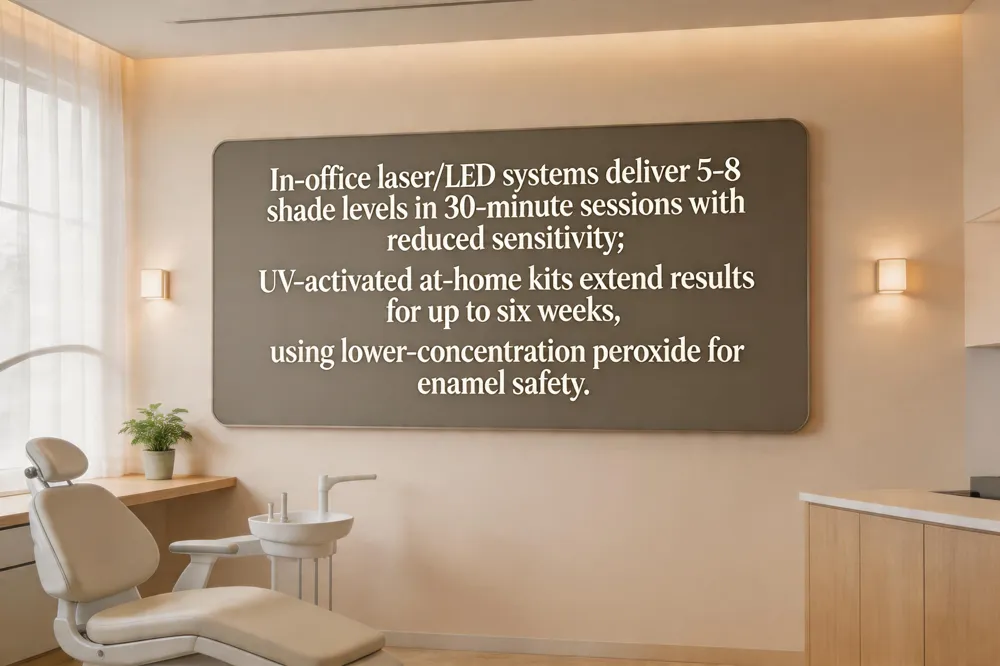 In‑office laser‑ and LED‑activated whitening systems have become the gold standard for rapid shade improvement. A high‑intensity light source activates a professional‑strength peroxide gel, delivering 5‑8 shade levels in a single 30‑ to minute session while keeping enamel temperature safe. Complementing the chair‑side treatment, UV‑activated take‑home kits use a small, pocket‑size UV light that patients apply to custom‑fitted trays nightly, extending the whitening effect for up to six weeks after the office visit. Both approaches minimize the typical post‑bleaching sensitivity associated with traditional peroxide gels because the light‑driven reactions accelerate peroxide breakdown, reducing exposure time and allowing the use of lower‑concentration agents. The result is a brighter, longer‑lasting smile that maintains enamel integrity, making laser and UV‑boosted whitening the preferred choice for patients seeking fast, comfortable, and durable cosmetic results.
Clear Aligners and Orthodontic Integration
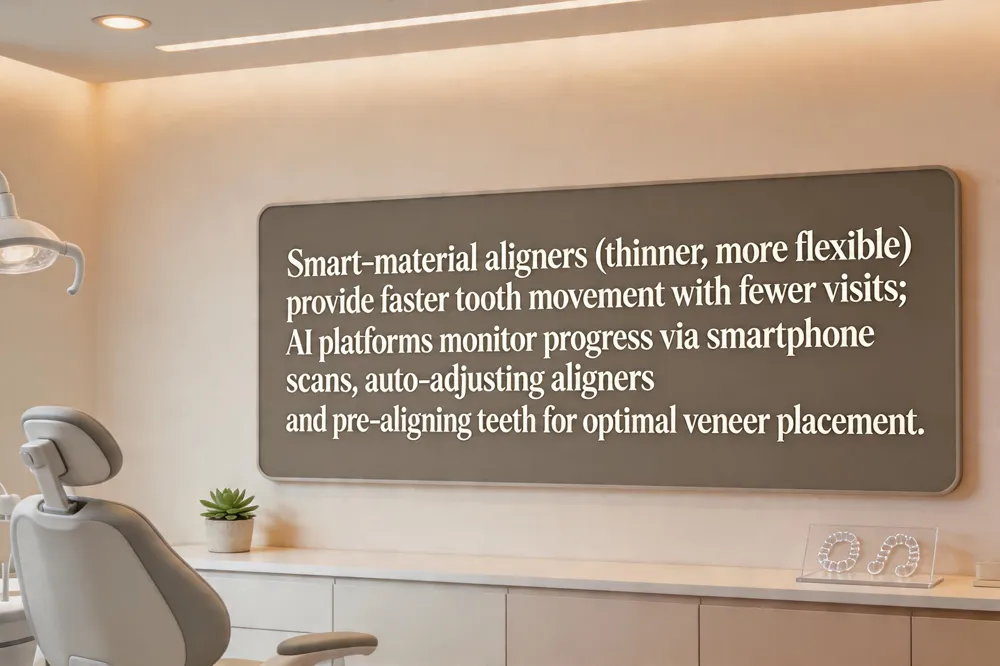 In 2025‑2026 Invisalign remains the leading invisible‑aligner system, but newer smart‑material aligners have emerged that are thinner, more flexible, and capable of delivering faster tooth movement with fewer office visits. These next‑generation trays are engineered to apply consistent forces while remaining virtually invisible, making them ideal for patients who want a discreet orthodontic solution before cosmetic work. Artificial‑intelligence platforms now monitor treatment progress remotely: patients scan their teeth with a smartphone‑connected intra‑oral scanner, and AI‑driven algorithms compare the images to the planned treatment map, alerting the dentist to any deviations and adjusting the next set of aligners automatically. By using aligners to pre‑align teeth, clinicians create the optimal tooth positioning for veneers or bonding, reducing the need for extensive enamel reduction and ensuring that the final prosthetic fits seamlessly within a harmonious smile‑ design. This integrated, tech‑enabled workflow shortens overall treatment time, preserves natural tooth structure, and delivers the natural‑looking results that modern patients demand.
High‑Translucency Ceramics: Permanent Veneer Trends
 Are there permanent porcelain veneer trends? Yes—permanent‑type porcelain veneers have become a dominant trend in cosmetic dentistry. The shift toward lithium disilicate and zirconia, ultra‑thin, stain‑resistant ceramics, supported by digital planning and minimally invasive preparation, meets patient demand for natural‑looking, long‑lasting smiles while preserving tooth structure.
NYC’s Leading Cosmetic Dentists and Celebrity Influence
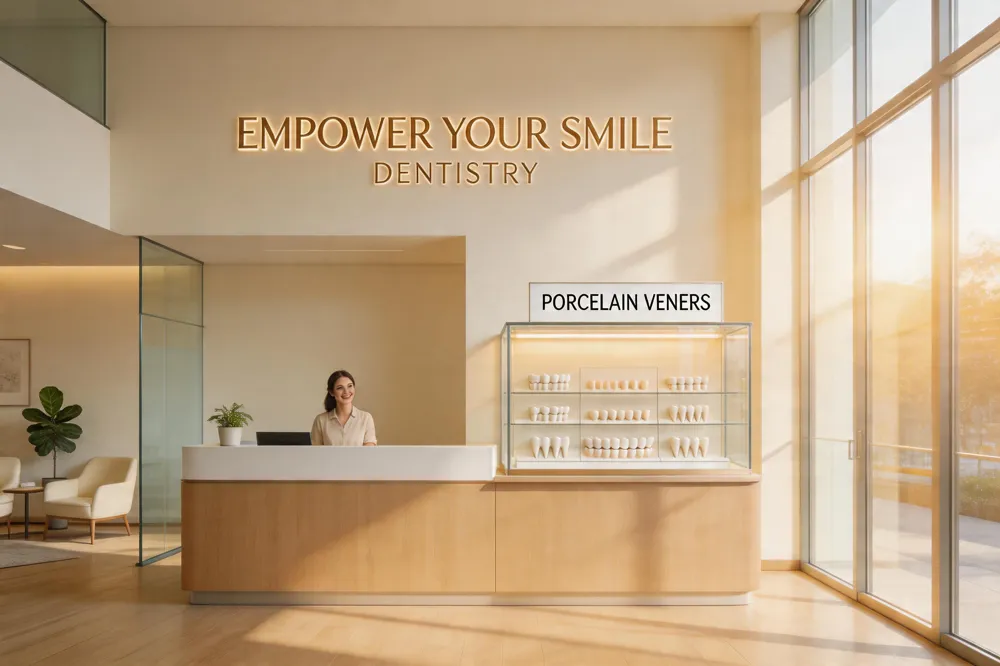
 NYC’s most celebrated cosmetic dentists include Dr. Moezinia’s Empower Your Smile team in Tribeca, which blends Digital Smile Design, laser‑assisted whitening, and minimally‑invasive ultra‑thin veneers for natural‑looking results. In Manhattan, the LLK practice on Central Park South—featuring Dr. Marc Lowenberg, Dr. Gregg Lituchy, and Dr. Brian Kantor—delivers high‑profile smile makeovers with advanced bonding, laser gum contouring, and AI‑driven shade matching. The New York Center for Cosmetic Dentistry showcases Dr. Emanuel Layliev, Dr. Lena Varone, and Dr. Jeff Golub‑Evans, offering seamless porcelain veneers, Invisalign alignment, and implant aesthetics. Celebrity influence is amplified by Instagram and TikTok, where before‑and‑after galleries set patient expectations for subtle, personalized enhancements rather than uniform "Hollywood" smiles. While Taylor Swift has never confirmed veneers, the uniform shade and flawless shape of her smile are typical of professional veneer work combined with laser‑accelerated whitening, leading experts to speculate that veneers are part of her dental regimen.
Your Next Smile Makeover Starts Here
Modern smile makeovers are built on digital smile design (DSD), AI‑enhanced 3‑D imaging, and ultra‑thin, no‑prep veneers that let patients see a realistic mock‑up before any tooth is altered. Laser‑activated whitening, laser gum‑contouring, and clear‑aligner therapy further preserve natural tooth structure while delivering fast, subtle results. In New York City, practices such as Empower Your Smile in Tribeca, New York’s Premier Smile Design Center, and Sutton Advanced Cosmetic Dentistry combine intra‑oral scanners, CAD/CAM milling, and biocompatible materials to create personalized, health‑first smiles. They also offer sedation options and holistic counseling on nutrition and lifestyle. Long‑term success hinges on regular professional cleanings, proper at‑home oral care, and periodic digital re‑evaluations to adjust shade, alignment, or material wear. Planning for future upgrades—like newer AI‑driven shade‑matching or advanced ceramic options—ensures the smile remains natural, durable, and in harmony with the patient’s evolving aesthetic goals. Commit to these practices for life to maintain confidence.