Introduction to Teeth Whitening's Cosmetic Impact
Teeth Whitening as a Popular Cosmetic Dental Treatment
Teeth whitening has become one of the most sought-after cosmetic dental procedures in the U.S. Americans are spending nearly $2 billion annually on whitening treatments, driven by the increasing demand for brighter, more youthful smiles. In-office procedures like Zoom Whitening and Opalescence Boost are widely available, offering rapid results that significantly enhance appearance. Custom take-home kits and over-the-counter gels also remain popular due to their convenience and affordability.
Brighter Smiles and Perceived Attractiveness
A whiter smile is often linked to greater attractiveness and self-confidence. Clinical studies show that professional in-office whitening can lighten teeth by up to 10 shades, creating a more youthful look by reducing the visibility of stains from coffee, tea, and aging. The American Academy of Cosmetic Dentistry notes that teeth tend to darken one to two shades per decade naturally, making whitening an effective way to combat this visual aging effect. This procedure not only improves dental aesthetics but also enhances overall facial appearance, influencing social and professional impressions positively.
The Science Behind Teeth Whitening
What Causes Tooth Discoloration?
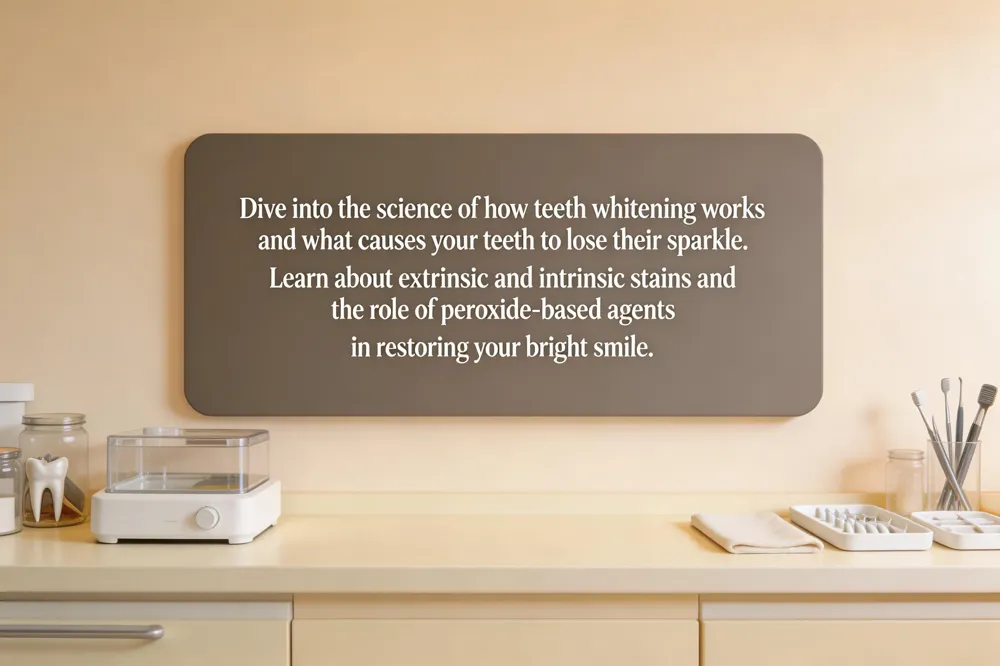
Tooth discoloration can be categorized into two types: extrinsic and intrinsic. Extrinsic stains develop on the tooth's surface due to factors like coffee, tea, red wine, berries, and tobacco use. These are typically easier to manage through professional cleaning and whitening treatments that target the enamel layer. Intrinsic stains, on the other hand, occur within the tooth structure. They can result from factors like aging, tetracycline use, dental trauma, or excessive fluoride exposure during childhood. These stains are more challenging to treat, often requiring bleaching agents to penetrate deeper layers like dentin and pulp.
How Do Peroxide-Based Agents Work?
Peroxide-based whitening agents, such as hydrogen peroxide and carbamide peroxide, work by breaking down into smaller molecules that target the chromogens—responsible for colored stains in the dentin. These agents chemically oxidize the chromogens, transforming them into smaller, less visible particles. This process effectively fades the stains and lightens the overall color of the tooth. In-office treatments use higher concentrations of peroxide for quicker results, while at-home treatments utilize lower concentrations with customized trays or strips for a more gradual effect.
Extrinsic vs. Intrinsic Stains
Extrinsic stains are generally surface-related and caused by environmental factors. They can often be removed by mechanical methods like professional cleaning or over-the-counter whitening toothpastes. Intrinsic stains are internal and require chemical agents like peroxide to break down. While both types can benefit from bleaching, intrinsic stains may show slower results and may not respond as effectively, especially if the staining is due to medications like tetracycline. Regular dental check-ups help identify the cause and type of stain to recommend the most suitable whitening approach.
Bleaching Agents and Dental Structures
Bleaching agents penetrate the enamel and dentin layers, which can cause temporary sensitivity as the peroxide reaches the inner layers near the nerve. Higher concentrations, especially in professional in-office treatments, are more effective but may increase sensitivity. Over time, repeated treatments could also lead to enamel surface changes or increased sensitivity. Custom trays and controlled at-home treatments help minimize these risks by allowing better control over the exposure time and concentration, ensuring a safer, more gradual whitening process that maintains dental health.
Evaluating the Types of Whitening Treatments
Most Common In-Office Whitening Treatments
Common in-office whitening treatments include custom-fitted dental trays, where patients use bleaching gel at home with personalized trays designed by a dentist. These kits provide a safe, gradual whitening option. Another popular method is light-activated bleaching using specialized lights or lasers. This process activates a stronger bleaching gel to produce faster, more dramatic results. Dentists often include protective barriers around the gums to reduce gum irritation and tooth sensitivity during the procedure. For those seeking quicker and more immediate effects, laser whitening, which uses ultraviolet light to enhance the gel's effectiveness, is available. These in-office methods are especially recommended for severe staining from age, trauma, or medications like tetracycline. Patients often prefer in-office procedures for their rapid and visible outcomes.
At-Home Whitening Options: Custom Kits and OTC Products
At-home whitening includes custom-fitted trays with low-concentration bleaching gels, recommended by dentists for long-term maintenance and gradual whitening. These products are more effective and gentler compared to over-the-counter (OTC) products like strips and gels. OTC options contain lower concentrations of hydrogen peroxide, typically lightening teeth by 1-2 shades after weeks of consistent use. However, they may not address all types of stains, especially intrinsic stains caused by aging or dentin discoloration. Custom kits from dentists use professional-grade solutions and are less likely to cause sensitivity when used correctly. These kits allow flexibility, fitting into most daily routines.
Effectiveness and Cost Comparison
Studies show that in-office whitening is more effective than OTC treatments, with results up to 10 shades lighter after a single session. The cost is typically higher—ranging from $300 to $1,000—but the speed and precision justify the investment for many. Custom at-home kits cost around $150 to $400 and can last multiple months, offering a cost-effective, long-term whitening solution. OTC products are the most affordable, with prices around $20 to $100, but may require repeated purchases for maintenance due to limited long-term results. While OTC products are convenient, they offer less predictable outcomes and can cause sensitivity if misused. Dentists advise using OTC products only for light staining, as they are not ideal for severe intrinsic discoloration.
Assessing the Longevity of Whitening Results
Duration of Teeth Whitening Effects
Teeth whitening results vary in longevity depending on the method used. In-office professional treatments generally last 6 months to 2 years, while at-home treatments, either dentist-supervised or over-the-counter whitening products, may last closer to 6 months. The concentration of bleaching agents like hydrogen peroxide plays a role—higher concentrations used in-office lead to quicker and more enduring results. However, even the best whitening treatments are not permanent due to ongoing exposure to staining agents and natural aging of teeth enamel.
Lifestyle Factors Affecting Whitening Longevity
Daily habits significantly impact how long whitened teeth stay bright. Frequent consumption of coffee, tea, red wine, and dark-colored foods accelerates the need for maintenance. Smoking also contributes to quicker discoloration. On the other hand, individuals who limit these substances or take preventive measures—such as drinking through a straw, rinsing with water after consuming stains, or choosing stain-resistant foods—can extend the whiteness of their smile.
Post-Treatment Maintenance and Oral Care
After whitening, maintaining results requires consistent oral hygiene. Brushing twice daily with whitening toothpaste approved by the American Dental Association (ADA), flossing, and regular professional dental cleanings can prevent new stains and keep teeth looking clean. Some dentists prescribe customized whitening trays for occasional touch-ups. Avoiding acidic drinks and using a fluoride toothpaste may reduce sensitivity and support enamel health, further preserving the effects of whitening treatments.
Addressing Intrinsic Stains
Intrinsic stains (from aging, tetracycline, or internal tooth damage) are more challenging to treat, and whitening may not fully address them. In these cases, dentists may recommend porcelain veneers or dental bonding for long-term solutions that resist staining. For many patients, a combination of whitening and veneers provides a comprehensive, lasting cosmetic result.
Understanding the Potential Side Effects
What are potential side effects of teeth whitening?
Teeth whitening is a popular procedure, but it's important to be aware of possible side effects. Common issues include temporary tooth sensitivity and gum irritation. Sensitivity often occurs because the bleaching agents, like hydrogen peroxide or carbamide peroxide, penetrate the enamel and reach the dentin, where they can stimulate the nerve. The risk of sensitivity tends to increase with the concentration of the whitening agent and the duration of treatment.
Gum irritation is another common concern. This happens when the whitening product comes into direct contact with the soft tissues, especially if the home whitening products are poorly fitted or if too much product is applied. In professional in-office treatments, dentists usually apply a protective barrier to the gums to minimize this risk. However, at-home treatments may not offer this, leading to higher chances of irritation.
Less common adverse effects include headaches, TMJ discomfort, sore throat, and digestive issues such as gastric pain. Some individuals may experience tooth erosion, pulpal damage, or increased demineralization, particularly with aggressive treatments. In rare cases, dental restorations or fillings may be affected, though they typically do not respond to whitening and may require replacement instead of whitening.
To manage these side effects and reduce their occurrence, it's recommended to follow the manufacturer's instructions carefully, use ADA-approved products, and consider professional supervision. Patients experiencing discomfort should pause treatment and consult their dentist.
The Advantages of Professional Whitening
What are the advantages of teeth whitening?
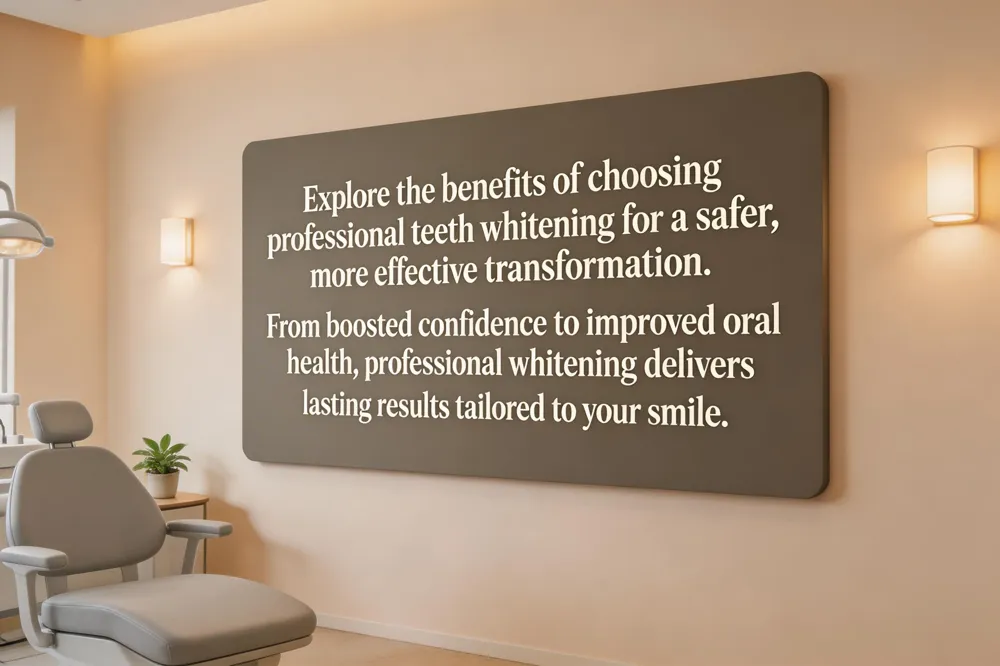
Teeth whitening enhances your smile, boosting confidence and self-esteem by removing stains caused by food, drinks, or smoking. It improves oral hygiene by reducing surface bacteria, potentially lowering risks of gum disease and tooth decay. Beyond aesthetics, whitening can create a more youthful appearance and complement other dental procedures for a cohesive, healthy look. Professional treatments, like those offered at Empower Your Smile, ensure safety and effectiveness while addressing individual patient needs. A brighter smile often leads to increased social confidence and a greater sense of overall well-being.
At-Home versus Professional Whitening Efficacy
Comparative analysis of at-home whitening methods with professional treatments
When comparing at-home whitening methods to professional treatments, the primary differences lie in concentration, speed, and outcomes. Over-the-counter (OTC) products like whitening strips or gels typically use low-concentration peroxide (1 to 15%) and may take weeks for gradual results. In contrast, professional whitening delivered by a dentist employs higher concentrations of hydrogen peroxide (25% to 40%) and can lighten teeth by 6 to 10 shades in a single session.
Professional treatments also incorporate advanced techniques such as light or laser activation, which increase the efficacy of the bleaching process. These methods not only target surface stains but also penetrate deeper into enamel to address intrinsic discoloration. At-home methods using store-bought products may lack the precision and control provided by a dental professional, potentially leading to uneven results or gum irritation if misused.
Effectiveness of OTC products versus dentist-prescribed options
OTC products may offer marginal whitening (1 to 2 shades) for superficial extrinsic stains but are limited in their ability to handle intrinsic discoloration. Products like whitening toothpaste or strips work best for maintaining a brighter smile rather than achieving dramatic results. Dentist-prescribed at-home kits use custom-fitted trays and medical-grade bleaching agents, ensuring a better fit and controlled application over nights or weeks. This personalized method leads to more consistent and longer-lasting outcomes while minimizing sensitivity in most cases.
In-office whitening, often completed in one hour, uses professional-grade bleaching agents that surpass the effectiveness of at-home alternatives. These treatments are designed to handle stubborn stains from aging, trauma, or medication and are tailored to individual needs for enhanced safety and results. While OTC options are more affordable, their lower potency and potential for misuse make them less efficient for achieving significant color transformation.
Considerations for selecting the right treatment method
When choosing a treatment, individuals must consider the type and severity of their stains, budget, and desired timeframe. Those with severe discoloration or intrinsic stains may benefit more from professional whitening, which ensures deeper penetration and controlled application. In contrast, mild surface stains could be addressed with at-home OTC or dentist-prescribed kits. It is crucial to consult a dentist to assess oral health, discuss potential sensitivities, and receive a recommendation suited to long-term results and safety.
Additionally, understanding the risks like enamel erosion or gum irritation helps set realistic expectations. While at-home treatments offer convenience, professional guidance provides a balance of efficacy, safety, and personalization. The longevity of results also depends on lifestyle factors like diet, making follow-up maintenance a factor in sustaining whiteness.
Cost Implications of Professional Whitening
Overview of different pricing models for professional teeth whitening
Professional teeth whitening offers two primary models: in-office treatments and take-home kits. In-office procedures, such as How In-Office Teeth Whitening Works, are typically more expensive, ranging from $500 to $1,000. These are often the quickest options, using high-concentration Bleach Options at ADG for immediate results. In contrast, take-home kits from dentists, which include Teeth Whitening Process at the Dentist and Professional Bleaching Agents, usually cost between $300 and $500, offering a more gradual but equally effective alternative.
Influential factors affecting the total cost for clients
Geographic location significantly impacts pricing, with urban areas like Teeth Whitening in NYC generally charging more than smaller towns. The expertise of the dentist and the technology used also affect the cost; clinics employing Cosmetic Tooth Whitening or Teeth Whitening Overview may charge a premium. The complexity of a patient’s case, including The Truth About a Whiter Smile After 35, can lead to additional sessions, increasing overall costs. Teeth Whitening Overview, like desensitizing treatments or follow-up adjustments, might also be included in the final price.
Cost-benefit analysis in comparison to other dental procedures
Professional whitening is more affordable than many Teeth Whitening and Restorations like veneers or crowns, making it a popular choice for enhancing aesthetics without high costs. While Over-the-Counter Whitening Products are cheaper, they are less effective and may require multiple purchases to achieve similar outcomes. The investment in professional treatments typically provides Professional Teeth Whitening Results (6–12 months), which, when Maintaining a Bright Smile with Dental Professionals, can justify the higher initial expense for a consistently brighter smile.
Conclusion: Weighing the Benefits and Expectations of Teeth Whitening
Summarizing Key Findings About Whitening Effectiveness and Side Effects
Teeth whitening can effectively address extrinsic and some intrinsic stains, with in-office treatments lightening teeth by up to 10-15 shades. However, results vary depending on stain type and individual tooth structure. Common side effects include tooth sensitivity and gum irritation, typically temporary and manageable with proper aftercare. Over-the-counter products may be less effective and carry higher risks if misused.
Importance of Consulting a Dental Professional Before Treatment
Professional guidance ensures suitable whitening options for individual dental health, particularly for those with restorations or sensitive teeth. Dentists can customize treatments to avoid complications, enhance efficacy, and recommend touch-ups for long-lasting results. Supervision also helps mitigate potential risks such as enamel damage or uneven outcomes.
Encouragement for Informed Decision-Making for a Healthier, Brighter Smile
By understanding the causes of discoloration and matching treatments to personal needs, individuals can achieve confidence-boosting results while maintaining oral health. A combination of professional treatments and at-home maintenance, alongside lifestyle choices like avoiding staining foods, supports a sustainable, radiant smile.