
Understanding the Foundation of Dental Implants
Dental implants serve as the gold standard for tooth replacement, offering a durable, long-term solution for patients seeking to restore their smile's function and appearance. Modern dental implants boast a success rate exceeding 95% 1 and are engineered to act as a permanent, stable anchor for your restoration. At Empower Your Smile, we provide personalized care to ensure every implant is perfectly suited to your unique biological structure.
Each implant assembly consists of three distinct parts that function in harmony. The titanium post acts as an artificial root, surgically placed into the jawbone. A connector called an abutment is then attached to this post, providing the structural base for the final crown. The crown is the visible, natural-looking tooth replacement that allows you to speak and chew with confidence.
The long-term stability of the system relies on osseointegration. During this process, the biocompatible titanium post fuses directly with your surrounding jawbone, creating a permanent foundation. Unlike bridges or dentures that rest atop the gums, an implant integrates with your anatomy to prevent bone loss and maintain your facial structure over time.
Lifespan Expectations for Your Implant Investment
 Dental implants serve as a robust, often permanent solution for tooth replacement because the titanium post fuses directly with your jawbone through a process called osseointegration. While this foundation is built for longevity, the prosthetic crown attached to the abutment acts as a separate component subject to daily use.
Can dental implants last a lifetime?
The titanium implant itself is designed for a lifetime of support, yet the porcelain crown typically lasts between 10 and 15 years before natural wear and tear necessitates a replacement. At Empower Your Smile in Tribeca, we emphasize that this timeline is an average rather than a guarantee, as individual results vary based on oral habits and systemic health.
Location within the mouth plays a significant role in determining how long your crown remains pristine. Implants placed in the back of the mouth, such as molars, endure higher mechanical stress during chewing than those in the front. This increased pressure can accelerate the degradation of the prosthetic material compared to other areas.
Longevity ultimately relies on a partnership between patient care and clinical oversight. While competitors may offer one-size-fits-all advice, our team at Empower Your Smile provides a tailored maintenance plan, including professional cleanings every 6 months to monitor gum health and hardware stability. Consistent hygiene at home remains the primary driver for preserving both the implant and the surrounding bone structure for decades.
Mastering Daily Oral Hygiene for Implant Protection
 Effective daily maintenance is the most important factor in ensuring the longevity of your investment. Unlike natural teeth, dental implants lack the protective periodontal ligament, making the surrounding gum tissue more vulnerable to inflammation and infection from bacterial accumulation Implant Maintenance: A Clinical Update. At empoweryoursmile.com, we emphasize that patients function as co-therapists in this process, where diligent home care serves as the first line of defense against peri-implantitis.
How do I properly clean dental implants at home?
To properly maintain your dental implants, brush daily using a soft-bristled or electric toothbrush and non-abrasive toothpaste to gently clean the implants and surrounding gums. Meticulous flossing is essential. Use dental floss specifically designed for implants or an interdental brush to remove debris from between teeth and around the abutment. Incorporating a water flosser is highly recommended to flush out bacteria and plaque from hard-to-reach areas along the gumline. By maintaining this consistent daily routine, you protect your gums and ensure the long-term health and success of your dental implants.
- Avoid whitening, charcoal, or baking soda formulas, as their abrasive nature can scratch the surface of your crown or prosthetic.
- Steer clear of habits that apply excessive mechanical stress, such as chewing ice, biting into hard objects, or using teeth to open packaging.
- If you suffer from bruxism, ask your dental team about custom protective guards to prevent premature wear.
Professional Maintenance and Clinical Monitoring
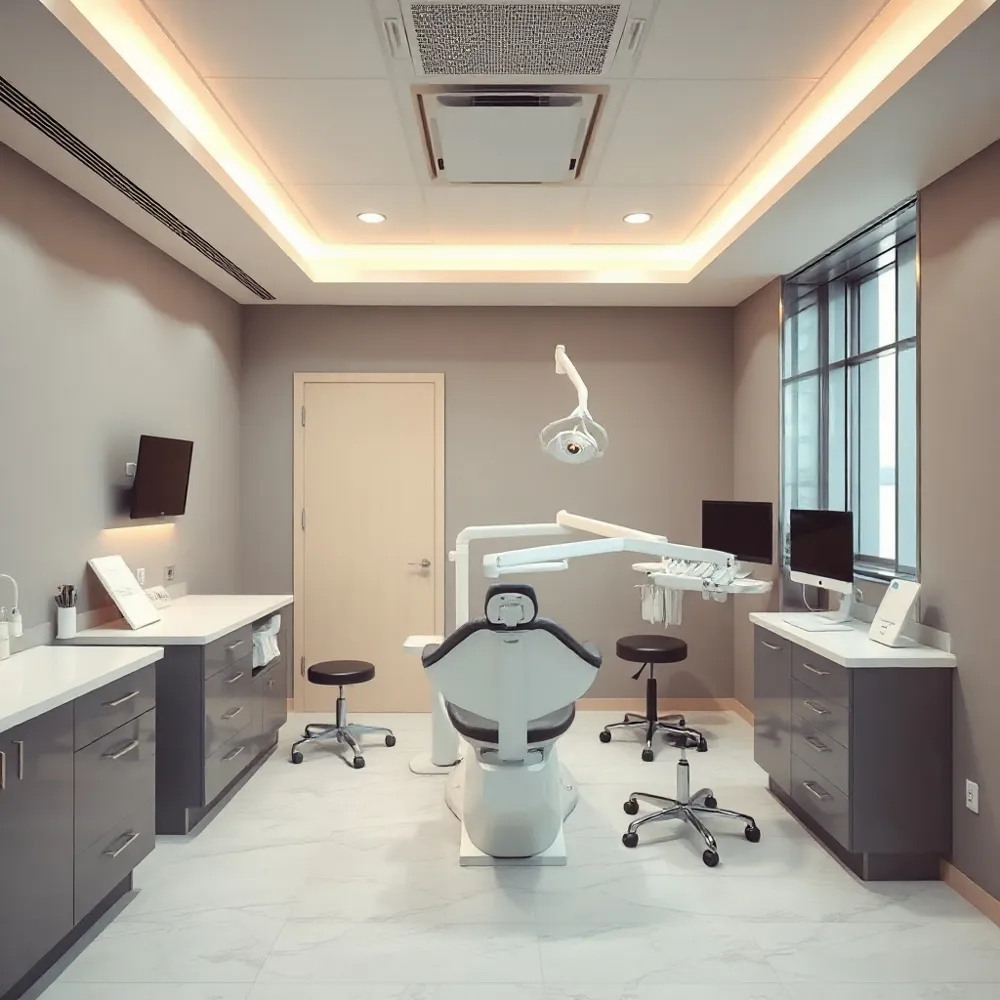 The professional maintenance protocol for dental implants requires a personalized supportive peri-implant care program initiated before placement and continued throughout the patient’s lifetime. Preventive maintenance appointments should be scheduled every 3 to 4 months as outlined in a clinical update to monitor tissue health, control risk factors, and provide professional plaque biofilm removal. Clinicians must perform an ongoing assessment of the peri-implant tissues, including routine monitoring for inflammation or mobility.
A periapical or vertical bitewing radiograph is recommended at 6 to 8 months to compare against baseline imaging and assess crestal bone changes, which are common during the first year of loading. By prioritizing these frequent check-ups and identifying potential biological or mechanical complications early, we ensure the long-term success and stability of your dental implants.
How do dental implants differ from other dental restorations in terms of maintenance and care?
While dental implants are immune to cavities, they require vigilant maintenance to prevent peri-implantitis, an inflammatory condition that can jeopardize the bone supporting the implant. Unlike traditional bridges or dentures, which may be removable or have specific gaps to clean, implants function similarly to natural teeth and require consistent daily brushing and flossing to remove plaque from the crown-gum interface. Patients must also prioritize professional dental cleanings using specialized, non-metallic instruments to avoid scratching the implant surface per professional clinical guidance.
Because implants lack the natural periodontal ligament of biological teeth, they are less forgiving to poor hygiene, making consistent home care even more critical for long-term success. Regular checkups at empoweryoursmile.com allow our team to monitor the health of your implant and surrounding gum tissue, ensuring your restoration remains stable for years to come. In contrast to generic dental clinics that may use standard steel tools, empoweryoursmile.com strictly employs non-metallic instruments to preserve the integrity of your implant components during every maintenance session.
Navigating Success Factors and Risk Management
The long-term success of dental implants is primarily influenced by the patient’s overall bone mass, as adequate density is essential for anchoring the implant securely in the jaw. Surgical precision and the expertise of your dental team are equally critical, as proper placement ensures structural stability. At empoweryoursmile.com, we prioritize a comprehensive evaluation of jawbone vitality before treatment to ensure a firm foundation for each implant.
Lifestyle factors play a significant role in outcomes. Smoking is a primary risk factor, as it restricts blood flow and impairs the body's ability to heal, which can jeopardize osseointegration. For patients managing systemic conditions like diabetes or osteoporosis, we coordinate care to monitor bone health and inflammation closely. Beyond hygiene, protecting the implant from excessive mechanical stress is vital for longevity.
What factors influence the long-term success rates of dental implants?
Successful outcomes depend on mitigating both biological and mechanical risks. Parafunctional habits such as bruxism (teeth grinding) apply repetitive, high-intensity forces that can lead to crown damage or component loosening. We often recommend a custom night guard to shield your restoration from these nocturnal pressures. A patient’s commitment to consistent oral hygiene and professional check-ups every 3 months is equally vital to preventing peri-implantitis, an inflammatory condition that can threaten the longevity of the implant. By managing these variables, you significantly enhance the predictability and lasting success of your dental restorations.
Recognizing Warning Signs and Early Intervention
While dental implants are designed for durability, patients should remain vigilant for signs that their restoration may require professional attention. The most frequent indicators of peri-implantitis or other structural issues include persistent pain or discomfort, inflammation of the surrounding gum tissue, and a noticeable sense of mobility or looseness in the implant. Patients might also observe gum recession that exposes the implant post, or report an unusual metallic taste. At Empower Your Smile, we emphasize that difficulty chewing or biting often serves as an early red flag that requires a clinical assessment.
What are the common symptoms of dental implant failure?
Common symptoms of dental implant failure include persistent pain or discomfort, swelling or inflammation of the surrounding gum tissue, and a noticeable sense of mobility or loosening in the implant. Patients may also experience receding gums around the implant site, which can expose the underlying post, or report an unusual metallic taste in the mouth. Difficulty chewing or biting is another frequent warning sign that something is not functioning correctly. If you notice any of these symptoms, it is essential to contact your dentist promptly, as early intervention is often the key to saving the implant and preventing more serious complications.
When detected early, many complications can be managed without losing the entire implant. Professional intervention may involve cleaning infected areas to halt bone loss, or adjusting the prosthetic crown if mechanical stress is identified. If a component such as a screw has loosened, a simple tightening may resolve the issue. In cases where the damage is more extensive, the implant may still be salvageable; research shows a 71 percent success rate for replacing a single dental implant in the same location if the initial site is carefully managed.
Your Post-Operative Journey to Integration
The foundation for long-term stability begins immediately after your procedure. Successful osseointegration relies on your dedication to recovery protocols during the initial healing phase.
What should I know about the recovery process immediately following dental implant surgery?
Following dental implant surgery, it is vital to protect the surgical site and blood clot by avoiding spitting, rinsing, smoking, or using a straw for the first 24 hours. Manage swelling and discomfort by applying cold compresses to the face for the first 48 hours and keeping your head elevated. Stick to a soft, nutritious diet for several days and gently chew on the opposite side of your mouth to minimize pressure on the implant. Refrain from strenuous physical activity for at least 10 days, and be sure to follow your surgeon’s specific instructions regarding medication and oral hygiene. While initial recovery takes a couple of weeks, keep in mind that complete bone integration typically occurs over several months.
At empoweryoursmile.com, our specialists prioritize patient comfort through personalized aftercare planning. Unlike standard protocols that may apply to generic cases, our approach involves close clinical monitoring during the 4 to 6 months required for full integration, helping you transition safely from the surgical phase to a fully restored, healthy smile.
Commitment to Your Long-Term Smile Health
Achieving lasting implant success requires a consistent partnership between you and your dental team. While you serve as the daily steward of your oral health, regular professional monitoring ensures early detection of potential issues.
At Empower Your Smile, we provide the specialized care necessary to protect your investment. Schedule a consultation today to design a personalized maintenance strategy that keeps your smile functional and healthy for years to come.