The Promise of Natural Whitening
Simple, inexpensive ways to brighten teeth sound appealing, especially when familiar kitchen ingredients are involved. But “natural” does not automatically mean safe or effective: evidence for many popular remedies is limited, and acidic or abrasive substances can wear away enamel. The American Dental Association’s guidance on natural whitening cautions against treating household ingredients as proven whitening methods.
It also helps to distinguish surface stains from a tooth’s underlying color. Coffee and tea can leave stains on enamel, while age, injury, or other factors can affect color within the tooth. A remedy that scrubs the surface may reduce some staining, but it cannot necessarily change deeper discoloration. At Empower Your Smile, a Tribeca practice offering general and cosmetic dentistry, the first step is assessing what is causing the color change before considering treatment.
Understand What Causes Tooth Discoloration
 Tooth discoloration has different causes, and that difference affects what can improve its appearance. Extrinsic stains collect on the tooth surface. Coffee, tea, red wine, tobacco, and other pigmented foods and drinks are common sources.
Intrinsic discoloration develops within the tooth. Aging, genetics, certain medications, injury, decay, and dental restorations can all play a part. The American Dental Association’s guidance on whitening distinguishes surface stains from discoloration within enamel or dentin, since they may respond to different approaches.
Cleaning or polishing may reduce some external stains, but it does not necessarily change a tooth’s underlying color. Likewise, a whitening method that helps one kind of discoloration may have little effect on another. Natural teeth can also respond differently from crowns, fillings, or other restorations.
A dental assessment can help identify the cause before you choose a whitening method. At Empower Your Smile, a Tribeca practice offering general and cosmetic dentistry, the team can consider oral health and existing dental work when discussing care. The ADA also recommends consulting a dentist to determine whether whitening is appropriate.
Separate Helpful Habits From DIY Claims
 A remedy can be natural without being effective or gentle on teeth. Turmeric and oil pulling have no reliable evidence of a tooth-whitening benefit, according to the American Dental Association’s guidance on natural whitening. Baking soda is different when it is used in a properly formulated toothpaste: its mild abrasive action may help remove some surface stains. That does not make household baking soda or homemade scrubs a proven or safe whitening treatment.
The same caution applies to charcoal and fruit-based mixtures. The ADA reports no measurable whitening improvement in a study of strawberry and baking soda, and says evidence is insufficient to show charcoal products whiten teeth safely and effectively. Abrasive mixtures can wear away enamel, while vinegar and citrus can erode it. Enamel does not grow back; when it thins, the yellower dentin beneath may show through, and teeth may become more sensitive.
Daily care helps limit surface stains, even though it will not dramatically change a tooth’s underlying color. Brush twice a day, clean between teeth daily, limit frequent exposure to staining drinks such as coffee and tea, and keep up with regular dental cleanings. The ADA distinguishes these habits and surface-stain removal from bleaching, which changes tooth color.
For options suited to your teeth and goals, cosmetic dentistry services at Empower Your Smile can be discussed with a dental professional. Existing restorations, sensitivity, and the cause of discoloration can all affect which approach makes sense. To discuss those factors and possible treatment, contact Empower Your Smile.
Choose Whitening With Dental Guidance
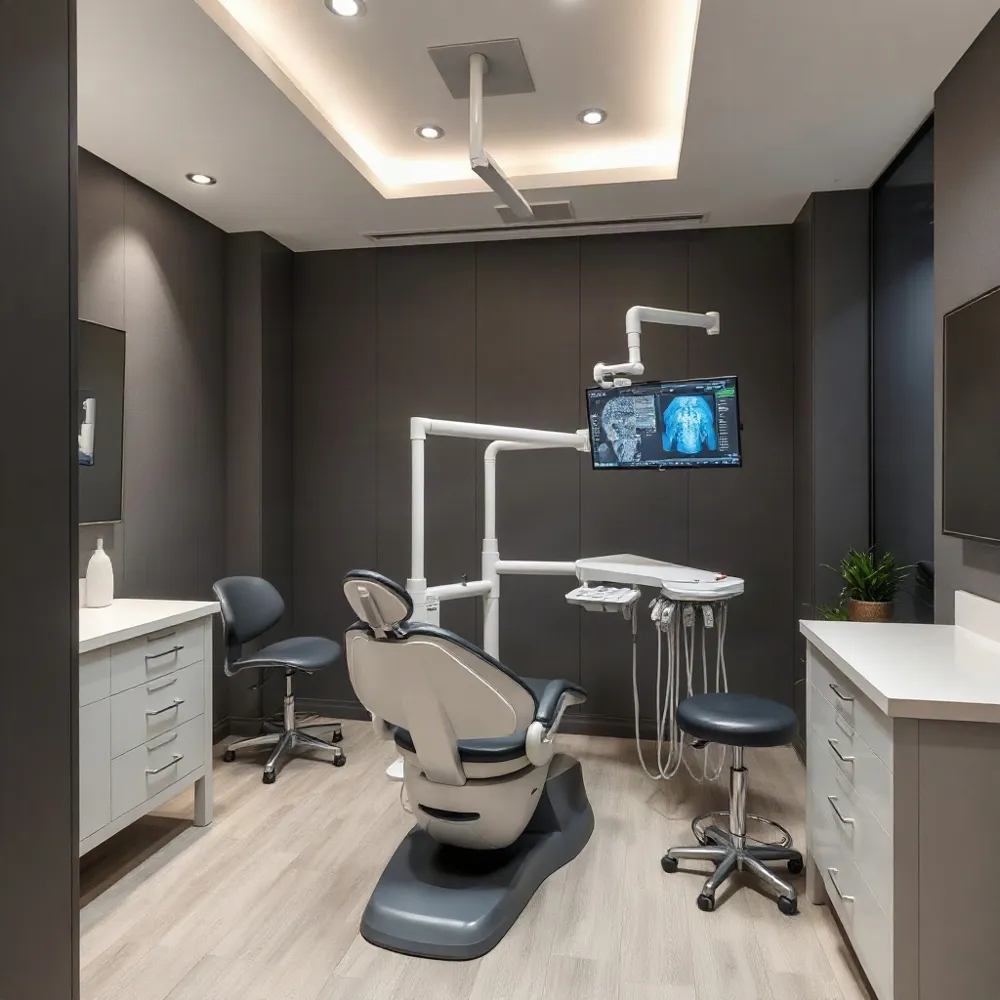 Peroxide-based whitening products can lighten natural teeth by breaking down colored compounds. At-home strips and gels generally work gradually when used as directed, while dentist-supervised treatments may use stronger agents for faster results. A 2014 evidence review found peroxide whitening can be safe and effective when products are used according to instructions, but it also recommends professional guidance when risks or adverse effects arise (evidence review of tooth whitening).
Are at-home teeth-whitening products safe, and do dentists recommend them? They can be an option when a suitable product is used as directed. A dentist can help you choose between an over-the-counter product and supervised treatment based on your oral health, the type of discoloration, and your goals. The American Dental Association advises an examination before bleaching to check for issues such as decay, gum disease, sensitivity, and existing dental work (ADA guidance on whitening).
Temporary tooth sensitivity and gum irritation are common possible side effects. Using a product more often or longer than its directions specify can increase the risk of discomfort or harm, so stop and ask a dentist if symptoms persist or worsen.
Whitening changes natural tooth color, not the shade of crowns, veneers, fillings, or other restorations. That difference can leave a visible mismatch. An assessment before treatment helps account for restorations as well as the cause of staining.
At Empower Your Smile, cosmetic care is part of a broader practice that provides general and cosmetic dentistry under one roof. Explore its cosmetic dentistry services or contact the practice for personalized guidance before choosing a whitening approach.
Set Expectations for Speed and Sensitivity
Can teeth be whitened quickly, such as in a few minutes or one day? An in-office treatment may make teeth look brighter in a single visit, but dramatic whitening in just a few minutes is unrealistic. The result and pace depend on the product, the type and depth of the stains, and your starting tooth color. Over-the-counter products and dentist-provided take-home trays usually require repeated use over days or weeks, so follow the directions rather than trying to speed things up by applying more.
Whitening works on natural teeth, not tooth-colored fillings, crowns, or veneers. Existing dental work can therefore affect how even the final shade looks. A dentist can assess your teeth and discuss suitable options, including teeth whitening services.
What should people with sensitive teeth know before whitening? Whitening can temporarily increase tooth sensitivity or irritate the gums. If your teeth are already sensitive, ask a dentist to check for possible causes such as cavities, cracks, enamel wear, or gum recession before treatment. The American Dental Association’s whitening guidance notes that sensitivity and gum irritation are common side effects.
A dentist may suggest a gentler product or adjust its strength and timing to suit your oral health. Pause whitening if discomfort starts, and seek advice if pain or irritation is significant or does not settle. A clinical assessment can help identify a suitable approach, as Cleveland Clinic guidance also advises. For individualized guidance, contact the team.
Consider Longevity and Treatment Cost
Whitening is not permanent. Results fade gradually, and how long they remain noticeable depends on starting tooth color, oral hygiene, tobacco use, and exposure to coffee, tea, red wine, and other staining foods and drinks. A 2014 evidence review notes that frequent exposure can lead to re-staining within a month, while results may last up to a year when exposure is limited; these are estimates, not guarantees (review of tooth-whitening evidence.
To help maintain brightness, brush and floss regularly, rinse with water after staining foods or drinks, and keep up with dental cleanings. The American Dental Association’s whitening guidance also stresses that results and suitable maintenance depend on the individual.
Professional whitening commonly costs about $300 to $600 for in-office treatment or $150 to $400 for a custom take-home kit. These are general estimates, not a quote: actual pricing varies with the method, stain type and severity, and any dental work needed beforehand. In-office treatment is faster, while take-home trays typically take longer, and neither guarantees a particular shade or lasting result.
At Empower Your Smile, whitening recommendations can be considered alongside your dental health and existing restorations. Ask about professional teeth whitening and contact the practice for current pricing and personalized maintenance advice.
A Brighter Smile Without Guesswork
Brushing, flossing, and limiting stain-causing foods and drinks can help maintain natural tooth brightness, but they do not promise dramatic whitening. The American Dental Association’s guidance on natural whitening cautions that acidic or abrasive DIY remedies may harm enamel.
A dentist can assess what is causing discoloration and discuss an approach suited to your teeth, oral health, and any existing restorations. At Empower Your Smile in Tribeca, personalized care and cosmetic dentistry provide a setting to discuss whitening options before trying an abrasive or acidic treatment.