Understanding Modern Teeth Whitening Technologies
Overview of teeth whitening methods
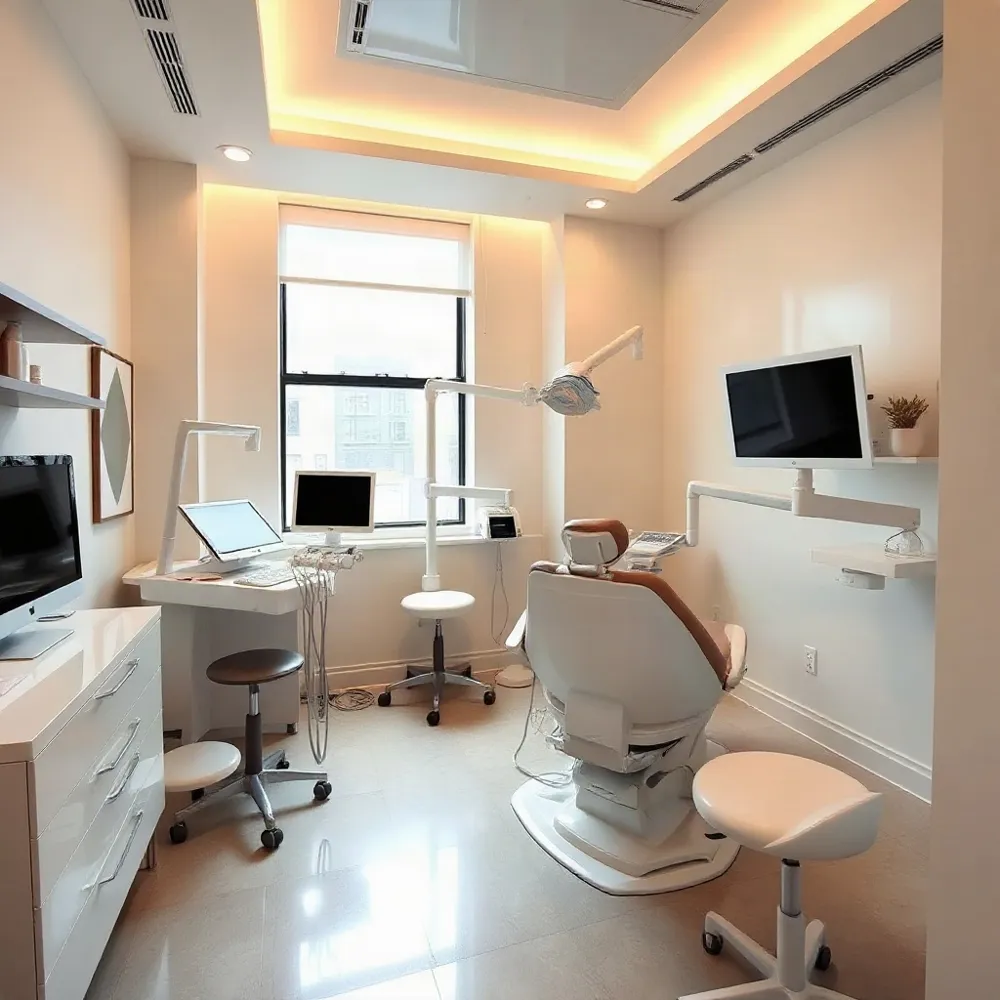
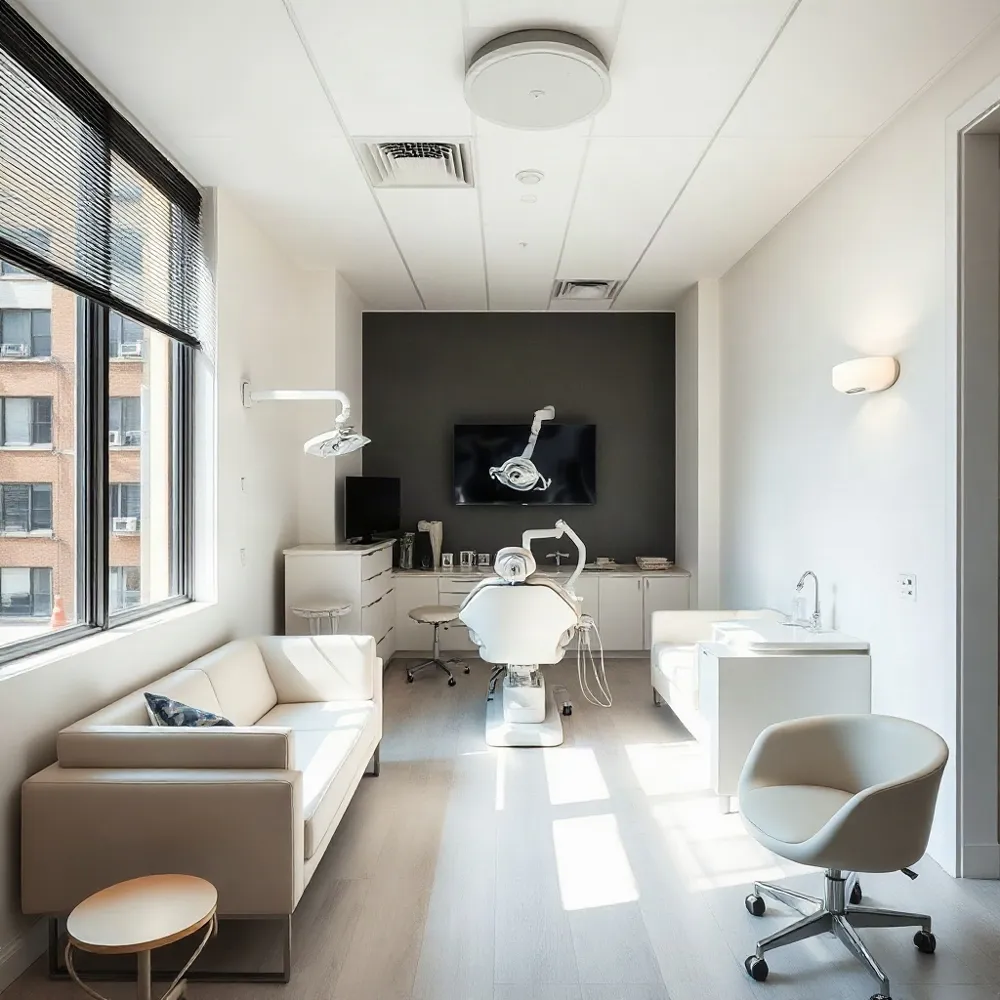
Teeth whitening utilizes various methods ranging from professional in-office procedures to over-the-counter products. In-office treatments commonly use LED light to activate bleaching gels, delivering rapid results within 30 to 60 minutes while ensuring even whitening.
At-home treatments include custom-fitted trays filled with peroxide-based gels, whitening strips, toothpaste, and rinses. Each method varies by concentration of active ingredients like hydrogen peroxide or carbamide peroxide, affecting the speed and degree of whitening. Professional treatments generally provide quicker and more noticeable results, often improving tooth shade by 4 to 8 shades in a single session.
Importance of safety and enamel protection in whitening
Modern whitening methods prioritize enamel safety and minimizing tooth sensitivity. Controlled oxidation lifts stains gently without damaging enamel, and professional supervision helps tailor treatments suitable for sensitive teeth or those with dental restorations.
Advanced formulations often include desensitizing agents like potassium nitrate or fluoride. Avoiding overuse or aggressive bleaching reduces risks such as enamel surface softening, gum irritation, and sensitivity. Maintenance care post-whitening, including avoiding stain-causing foods and using non-abrasive toothpaste, ensures lasting results without compromising enamel integrity.
Professional Teeth Whitening Procedures: In-Office and Custom Take-Home Kits
What are the main types of teeth whitening procedures available at dental offices?
Dental offices primarily offer two professional teeth whitening methods: in-office teeth whitening and custom take-home kits. In-office whitening involves applying high-concentration bleaching agents such as Hydrogen Peroxide in Tooth Whitening or Carbamide Peroxide for Bleaching directly onto the teeth. This procedure often uses LED teeth whitening lights or lasers to activate the bleaching gel, accelerating the whitening effect and typically delivers whitening improvements 4 to 8 shades brighter in just 30 to 60 minutes.
Custom take-home kits consist of dentist-fitted trays filled with professional-strength whitening gel. Patients wear these trays for several hours daily or overnight over one to two weeks. This method produces gradual, natural-looking whitening results, making it suitable for those with tailored whitening for sensitive teeth or longer treatment preferences.
How does professional supervision influence safety and effectiveness?
Professional supervision for teeth whitening is crucial to ensure both the safe teeth whitening methods and maximum efficacy of whitening treatments. Dental practitioners evaluate oral health to determine whether whitening is appropriate, especially screening for teeth whitening contraindications such as cavities, whitening not for active gum disease, or whitening not for worn enamel, which may contraindicate treatment. They also tailor the concentration of whitening agents and duration to minimize risks such as Tooth Sensitivity from Whitening or gingival irritation.
The controlled environment at dental clinics guarantees even application and precise activation of whitening gels, reducing the likelihood of uneven results or damage to dental restorations and whitening, which do not whiten. Additionally, dentists may incorporate desensitizing agents like Potassium Nitrate in Whitening or Fluoride in Whitening Treatments to further protect sensitive teeth.
What results and treatment durations can patients expect?
In-office teeth whitening typically yields immediate, dramatic improvements—often lightening teeth by 4 to 8 shades whitening improvement within one treatment session lasting less than an hour. These results can last from six months to a year, depending on individual lifestyle factors such as diet and oral hygiene.
Custom take-home kits produce more gradual whitening over one to two weeks and can maintain results longer when combined with good oral care and periodic maintenance treatments. Both methods require maintaining teeth whitening results by avoiding Foods that naturally whiten teeth after treatment to prolong the whitening effect.
In summary, professional whitening procedures balance speed, safety, and effectiveness through expert assessment and the use of advanced bleaching agents and technology. This approach remains the most reliable option for achieving significant and long-lasting whitening results with minimal risk.
Cutting-Edge Whitening Technologies and Personalized Protocols
What is the latest technology used in teeth whitening?
The forefront of Teeth whitening technologies 2026 in 2025 leverages advanced LED teeth whitening advantages and smart light systems designed to deliver fast teeth whitening results and effective results. These systems can whiten teeth by up to eight shades in as little as 30 minutes. Some of the newest LED technologies dynamically adjust their light intensity during treatment based on an individual's enamel sensitivity, enhancing teeth whitening with enamel safety and comfort.
Digital Scanning in Dental Whitening technologies have also transformed whitening protocols. Dentists now create personalized and precise treatment plans by digitally mapping each patient's dental profile. This tailored whitening for sensitive teeth approach maximizes whitening effectiveness while minimizing risks such as tooth sensitivity and gum irritation.
At-home whitening methods are evolving with technology and natural innovations. Bluetooth-enabled whitening devices provide users with convenient monitoring and control, showing visible whitening results within a week. Meanwhile, natural ingredient-based products like activated charcoal and turmeric have started to receive scientific backing for their gradual stain-lifting properties over several weeks. Furthermore, purple toothpaste employs color theory principles to temporarily neutralize yellow tones on teeth, offering immediate yet short-term aesthetic improvement.
For sustained and optimal whitening outcomes, combining professional in-office teeth whitening, custom-made take-home whitening kits, and routine use of whitening toothpaste is advised. When paired with proper maintenance such as avoiding stain-causing foods and drinks, these strategies can preserve whiteness for 12 to 18 months or longer.
Ensuring Whitening Safety: Protecting Enamel and Minimizing Sensitivity
What are the safest methods to whiten teeth without damaging enamel?
[Safe teeth whitening options] prioritize enamel protection and minimizing sensitivity, with professional supervision for teeth whitening playing a crucial role. Dentist-supervised in-office teeth whitening] treatments use controlled concentrations of peroxide gels, often hydrogen peroxide, paired with protective measures such as gum barriers to shield soft tissues. These sessions can achieve noticeable whitening safely, reducing risks of enamel erosion or sensitivity.
At-home options prescribed by dentists, like custom-fitted trays with low-peroxide agents such as carbamide peroxide, offer a balanced approach combining safety and effectiveness. These kits ensure even application and avoid excess exposure, making them preferable to over-the-counter products.
Over-the-counter products, including whitening toothpastes, strips, and rinses, are generally safe when following instructions but may cause uneven whitening or gum irritation if misused. Choosing [ADA-approved items] and consulting dental professionals improves safety outcomes. Natural remedies containing acidic or abrasive substances, such as lemon juice or baking soda, are not recommended as they can damage enamel.
Using protective agents such as potassium nitrate and fluoride within whitening gels further reduces sensitivity. Post-whitening care tips] is equally important, involving the use of desensitizing toothpaste, avoiding highly pigmented foods and drinks, and maintaining oral hygiene to preserve enamel integrity and prolong whitening results.
Evolving Trends and the Future of Teeth Whitening
How has teeth whitening evolved recently and what does the future hold?
Teeth whitening has undergone remarkable evolution driven by Tooth Whitening Safety and Effectiveness and patient-centered approaches. Modern treatments emphasize personalized care using higher concentrations of hydrogen peroxide, combined with tools like custom-fitted trays and advanced LED teeth whitening to achieve fast teeth whitening results. These professional treatments yield up to whitening improvements 4 to 8 shades in a single session, maintaining effects for six to twelve months.
Recent advances and personalization
Personalization in teeth whitening is now possible through Digital Smile Design technology, enabling dentists to tailor treatments precisely to individual dental profiles. Incorporating desensitizing agents such as Potassium nitrate and Stannous Fluoride Usage helps mitigate sensitivity, especially for patients with delicate enamel. New formulations with Reduced Hydrogen Peroxide Teeth Whitening levels and additives for enamel protection further improve patient comfort and safety.
Emerging genetic and biomimetic approaches
Future prospects include genetic testing to understand individual susceptibility to sensitivity and stain types, allowing clinicians to customize protocols effectively. Biomimetic dentistry principles are influencing whitening technologies by focusing on protecting and repairing natural enamel structure during and after treatment, promoting tooth health while enhancing aesthetics.
Future trends toward faster, safer, and non-invasive methods
Emerging technologies like toothbrush-activated whitening powder and LED teeth whitening advantages promise non-invasive, gentle, and efficient stain removal without harsh chemicals. Calcium Phosphate Whitening and other natural and low-peroxide formulations offer safer alternatives. The growing trend is to combine quick, professional in-office teeth whitening procedures with at-home maintenance kits designed for sensitive teeth, ensuring sustained whitening with minimal risk.
These trends reflect an overall move toward safer, quicker, and more individualized options, supported by ongoing innovation, allowing patients to achieve brighter smiles responsibly and comfortably under professional guidance for whitening.
Affordable and Effective Whitening Options for 2025 and Beyond
What are the most effective and affordable teeth whitening options in 2025?
In 2025, consumers have access to a range of teeth whitening options that protect enamel that balance effectiveness with cost. Professional in-office whitening remains a top choice for those desiring rapid, dramatic results, typically achieved within one to three sessions. While these treatments generally range between $300 and $500 per session in the U.S., their ability to lighten teeth by up to eight shades within an hour makes them cost-efficient over time.
For a more budget-friendly alternative, custom take-home trays provided by dentists offer noticeable whitening results over two weeks with effects lasting up to two years. These treatments generally cost between $150 and $500. Over-the-counter (OTC) whitening strips, such as Crest Whitestrips containing around 10% peroxide, provide accessible and affordable whitening with visible improvements often seen within days to weeks.
LED-based at-home kits like Glo Science and Ollm enhance LED light activated whitening gel, reducing treatment time while improving results. These kits are user-friendly and bridge the gap between OTC convenience and professional effectiveness.
Individuals with sensitive teeth should consider products designed to minimize discomfort, including tailored whitening for sensitive teeth. Lumineux whitening strips, which use natural ingredients, exemplify such gentle formulations. Consulting with a dental professional before starting any whitening regimen is advisable to tailor treatments according to sensitivity and oral health.
Careful adherence to product instructions and professional guidance for whitening ensures safe teeth whitening methods while maximizing value and effectiveness.
Natural and Non-Toxic Teeth Whitening Alternatives

Are there natural or non-toxic ways to whiten teeth effectively?
Yes, there are several natural and gentle methods to whiten teeth that are generally safe and non-toxic. Some options include activated charcoal for teeth whitening, particularly coconut charcoal, which helps lift surface stains due to its porous nature. Natural whitening toothpastes that incorporate ingredients like Japanese white birch charcoal or hydroxyapatite can promote enamel repair and maintain whiteness. Additionally, non-acidic mouthwashes fortified with organic components such as coconut oil, aloe vera, and vitamin C offer mild whitening effects without harsh chemicals.
Traditional oil pulling with coconut, sesame, or sunflower oils is believed to enhance oral health and brighten teeth over time. Some whitening strips and pens use natural ingredients like coconut oil, lemon peel oil, and sage, providing gradual whitening with lower risk of sensitivity. However, these natural methods require consistent use and moderate application to avoid enamel wear. For more guidance on safe natural methods, see Safe Ways to Whiten Teeth Naturally.
What ingredients should be avoided in teeth whitening products?
Avoid high concentrations of carbamide peroxide or hydrogen peroxide outside professional supervision, as overuse can cause tooth sensitivity and damage enamel. Harsh abrasives like coarse silica or baking soda in substantial quantities may erode enamel, increasing vulnerability to sensitivity and decay. Unregulated products may also contain harmful chemicals or additives that cause gum irritation or burns.
It's important to choose whitening products certified by dental associations and to consult a dentist before beginning any whitening regimen. Personalized advice ensures safety and effectiveness tailored to individual dental health conditions. For details on Tooth Whitening Safety and Effectiveness and Safe Teeth Whitening Options refer to expert resources.
Role of hygiene and diet in whitening maintenance
Maintaining good oral hygiene with regular brushing and flossing is fundamental for preventing stain buildup and supporting natural tooth color. Using fluoride-containing toothpaste with ADA Seal strengthens enamel and assists in preserving whitening benefits.
Diet also plays a crucial role; limiting intake of staining substances such as coffee, tea, red wine, and tobacco helps prolong whitening results. Consuming crunchy fruits and vegetables like apples and carrots can naturally scrub teeth, aiding stain removal. Avoiding acidic foods and drinks reduces enamel erosion risks, further protecting tooth brightness.
Together, natural whitening methods combined with proper hygiene and mindful diet choices contribute to a safe, effective approach for maintaining a bright smile. For ongoing care and advice, consult resources on maintaining teeth whitening results and safe teeth whitening methods to try.
Maintaining a Radiant Smile Safely
Importance of Professional Guidance and Regular Care
Professional supervision is crucial for safe and effective teeth whitening. Dental experts tailor treatments to individual needs, minimizing risks such as sensitivity and enamel damage. Consultation ensures suitability, especially for those with restorations, gum disease, or cavities, who may be advised against whitening. Regular dental check-ups help monitor oral health and maintain treatment outcomes.
Post-Whitening Maintenance Tips for Longevity
Maintaining a bright smile post-treatment involves simple lifestyle adjustments. Avoiding stain-causing foods and beverages like coffee, tea, and red wine helps preserve whiteness. Using non-abrasive, whitening-safe toothpaste supports enamel health without reversing the whitening effects. Good oral hygiene and routine professional cleanings further prolong results, typically lasting from six to twelve months depending on individual habits.